Vein-filled rock on Mars could reveal signs of ancient life on Red Planet

Perseverance rover
The National Aeronautics and Space Administration (NASA) said that its Perseverance rover found a rock that has some indications it may have hosted microbial life billions of years ago. Scientists are fascinated by the vein-filled rock, however, they said that further research is required.
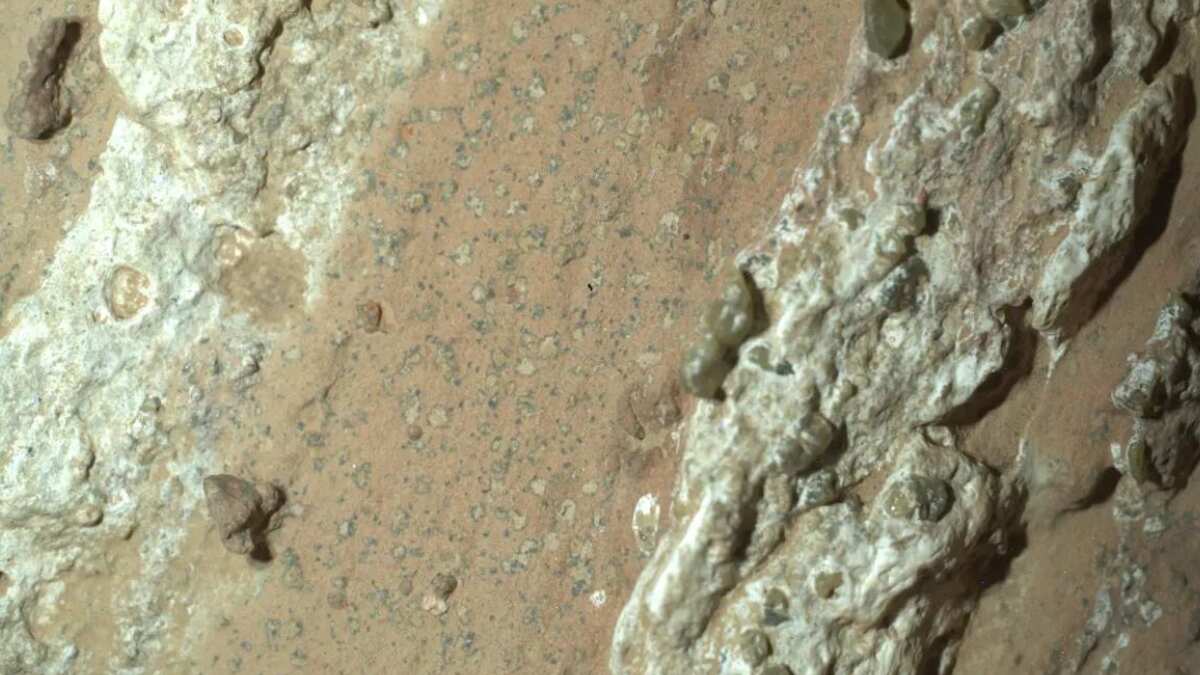
The team of scientists have nicknamed the arrowhead-shaped rock "Cheyava Falls", which has intriguing characteristics that could help answer the question of whether or not microscopic life once resided on Mars.
The rover used its SHERLOC (Scanning Habitable Environments with Raman & Luminescence for Organics & Chemicals) instrument to do multiple scans of Cheyava Falls.

The scans indicate it contains organic compounds. While such carbon-based molecules are considered the building blocks of life, they also can be formed by non-biological processes.
NASA said in its report that analysis of the rock by instruments aboard the rover indicates that it possesses qualities that "fit the definition of a possible indicator of ancient life".
)
IND vs JPN one-off T20I: India survive scare from Japan to win five-over a side match by 2 runs
)
Putin's United Russia party wins 355 seats in Duma election; 4 other parties cross threshold to enter parliament
)
AI models chose to harm humans to stop ‘pain,’ alarming study raises fresh safety questions
)
‘0% chance’: Nvidia CEO Jensen Huang dismisses AI extinction fears by 2030
)
Samay Raina-Mukesh Chhabra controversy explained: What happened over girlfriend joke on India's Got Latent?
)
Trump's helipad event overshadowed by audio failure as major TV networks suspend pool coverage
)
'Needs time away from the international scene': England white-ball captain Brook on pacer Brydon Carse's future
)
New Zealand farms shift to carbon forests: Carbon credits fuel a land rush reshaping rural life
)
Anti-AI activists storm summit, say 'incompetent' leaders are leading us into a disaster - 'We need a vote'
)
Samsung raises Galaxy S26 prices by Rs 20,000: Here’s what each model now costs
)
J&K Assembly Session begins amid chaos: BJP, ruling alliance clash as statehood demand dominates
)
Asian Games 2026: India women's cricket team beats Sri Lanka by 147 runs for first gold
)
Key accused in Bihar's Jamui molestation case, arrested after police shoot him in leg
)
Randeep Hooda arrives in Gujarat for his first National Film Award: ‘Very grateful’
)
US and China vie for AI dominance as calls grow for regulation | Gravitas
&im=FitAndFill=(700,400))
Anant Nag to recieve Dadasaheb Phalke Award: From Ankur to Nishant- Revisit his best films and iconic performances on OTT
)
UK banks are rethinking financial crime detection because of algorithm
)
FIFA chief Infantino wants to reform governing body with consultation from federations
)
The Verdict | The Mecca Agreement is under scrutiny as Houthis attack Saudis
)
India at UNGA81: Jaishankar warns global order under 'growing stress', pushes for ‘reformed multilateralism’
)
Raaka creates history! Allu Arjun’s film secures Guinness World Record ahead of release
)
Saudi Arabia exits China-led mBridge digital currency platform amid Saudi-Houthi conflict
)
Indonesian groups sue govt over wildfires as haze crosses borders, nearly 900,000 hectares burned
)
'Lot of things to learn from experienced players': Jayasuriya backs Rohit, Virat for 2027 ODI World Cup
)
$110 billion Warner Bros merger: Paramount reaches settlement with 12 US states
&im=FitAndFill=(700,400))
New OTT releases this week (September 21-27, 2026): Shaque: Trust No One, Hunkkaar, Don’t Be Shy- 5 new titles coming to Netflix, Prime Video and more
)
From ‘communist’ to ‘great mayor’: Trump praises Mamdani after New York meeting, discusses immigration and housing
)
Report: Zelensky meets CIA chief Ratcliffe at Shannon airport, weeks after his secret Moscow trip
)
How Zaheer Khan came to be CSK's head coach of IPL 2027
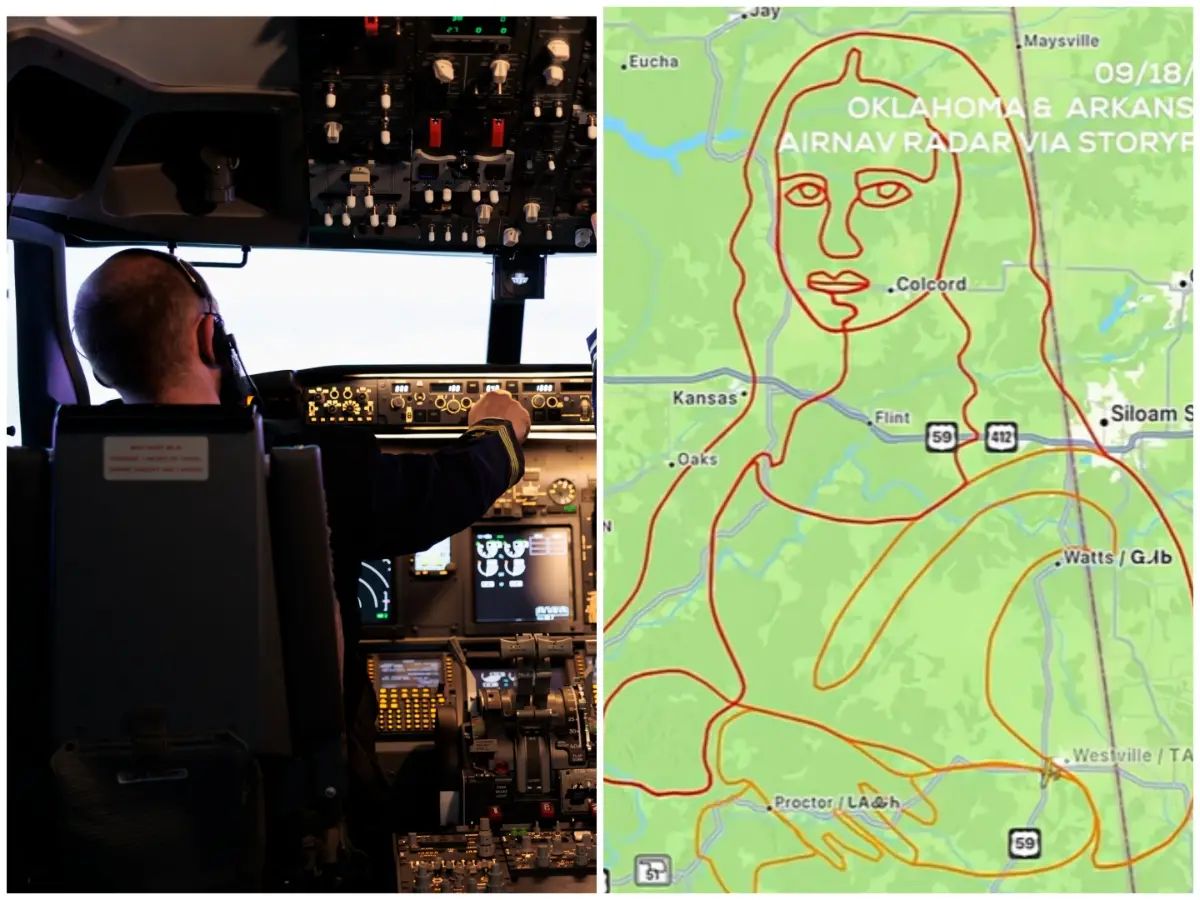)
Pilot recreates Mona Lisa in sky over Oklahoma and Arkansas in four-hour flight: VIDEO
)
UK PM Burnham agrees to 'defensive' military support for Saudi Arabia against Houthis
)
Jailer 2: Vidya Balan joins Rajinikanth's upcoming film as Kantha | Watch
)
Microsoft executive called AI training the ‘largest theft of labour in human history’
)
40-foot waves crash into cruise ship in dangerous stretch near Antarctica. Watch
)
US-Iran war, peace deals and more: What to expect from Trump's UNGA 2026 speech
)
Explainer: Why rare-earth export licences and Board of Trade are US priorities ahead of Trump-Xi summit
)
Rs 1.1 crore flying saucer: Chinese company selling spherical aircraft that can land on water
The rock shows structures and chemical traces that may have been created by life billions of years ago.
NASA said that the rock, which is the rover's 22nd rock core sample, was collected on July 21 when the rover was exploring the northern edge of Neretva Vallis, which is an ancient river valley 400 metreswide that was carved by water rushing into Jezero Crater long ago.
As quoted by NASA, Nicola Fox, who is an associate administrator, at the Science Mission Directorate at NASA Headquarters in Washington, "We have designed the route for Perseverance to ensure that it goes to areas with the potential for interesting scientific samples. This trip through the Neretva Vallis riverbed paid off as we found something we've never seen before, which will give our scientists so much to study."
Watch:Gravitas: Mysterious dark oxygen found on ocean floor
Ken Farley, who is a Perseverance project scientist at Caltech in Pasadena, said as quoted by NASA: "Cheyava Falls is the most puzzling, complex, and potentially important rock yet investigated by Perseverance."
"On the one hand, we have our first compelling detection of organic material, distinctive colorful spots indicative of chemical reactions that microbial life could use as an energy source, and clear evidence that water — necessary for life — once passed through the rock. On the other hand, we have been unable to determine exactly how the rock formed and to what extent nearby rocks may have heated Cheyava Falls and contributed to these features," Farley added.
(With inputs from agencies)