Scientists find source of March fireballs, reveal Earth is crossing a cosmic wake

&imwidth=600&imheight=450&format=webp&quality=medium "Scientists find source of March fireballs, reveal Earth is crossing a cosmic wake")
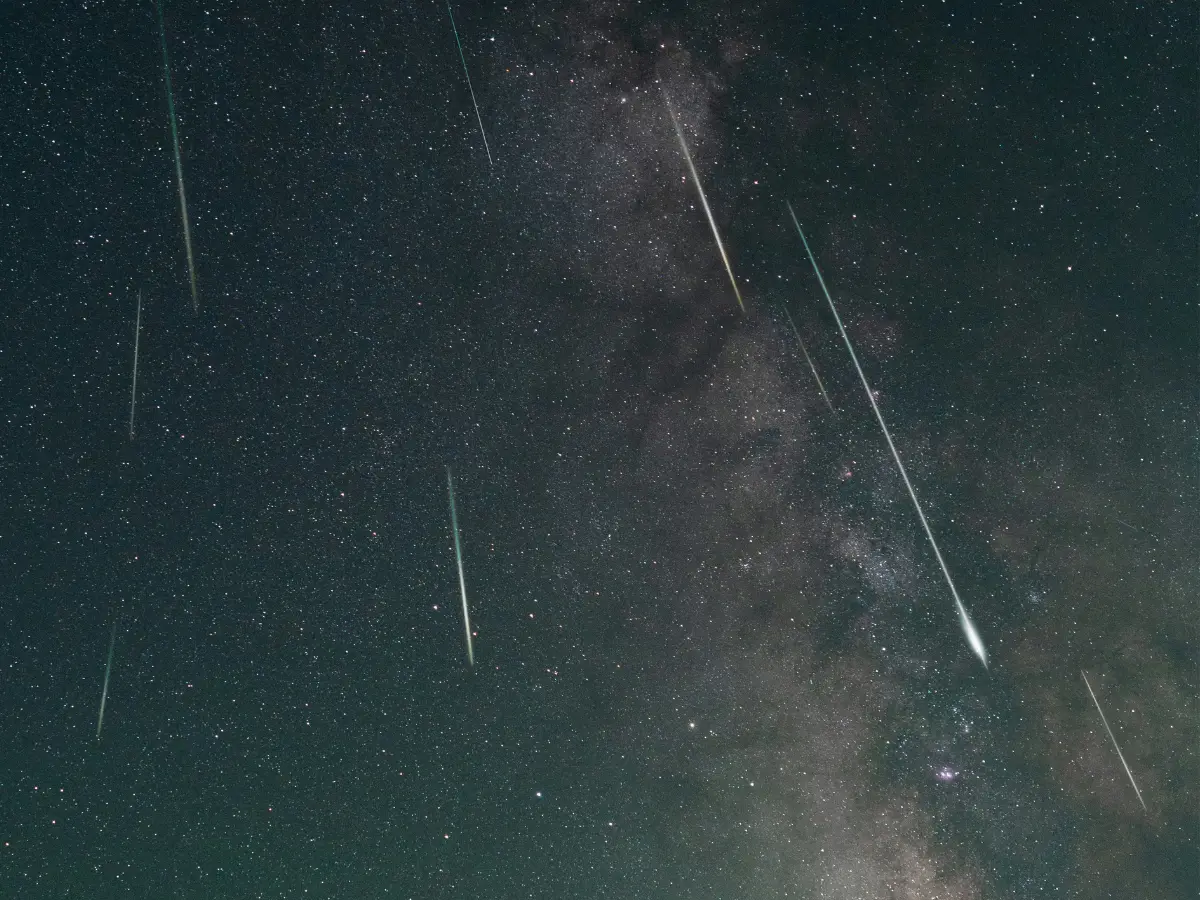
Earth witnessed several meteor strikes this year. Photograph: (Unsplash)
Meteors rained down on Earth in April, and the source remained unclear. A study has now found a cluster of meteors which is possibly the culprit. There is a debris field, and our planet is passing through it at the moment. We have a new meteor shower as well.
A string of cosmic fireballs was recently witnessed around the world, leaving everyone wondering why so many meteors were being seen. Scientists now have the answer to this question. All these meteors possibly came from one asteroid being shredded by our Sun, according to a finding. A NASA researcher says this event is creating debris, and Earth is passing directly through it. Scientists, led by Patrick M. Shober, analysed millions of meteor observations from all-sky camera networks spread across Canada, Japan, Europe, and California. They identified a cluster of 282 meteors that stood apart, which they say is a recently formed, previously unknown meteor shower. These tiny space rocks originated from an asteroid that got too close to the Sun. Earth is currently flying through this debris field left behind by this asteroid. When these pieces hit our atmosphere, we have meteor showers. Researchers say stargazers can expect many more meteors in the coming days. In fact, the numerous fireballs we witnessed in March could have also originated from this asteroid.
Earth gets a new meteor shower
This is how all the meteor showers we know of - be it the Perseids, Lyrids or Orionids (from the famed Halley's Comet) - occur. They are the fallouts of mostly comets. The latest meteor shower has been dubbed M2026–A1 and will be visible from March 16 to April 7 every year. Notably, people reported seeing fireballs after April 10 in Ohio, Turkey, Australia, Texas and New York. The source remained a mystery, and it is possible that what people saw came from this asteroid that fell victim to the Sun. Shober, from NASA's Johnson Space Centre, wrote in The Conversation, "What makes this discovery so exciting is that we are essentially witnessing a hidden asteroid being baked to bits." Dr Shober examined the small cluster of meteors to trace their origin.
Also Read: Sun mysteriously shut down for 70 years, indicating a hibernation could strike Earth any time
Trending Stories
&imwidth=280&imheight=210&format=webp&quality=medium)
&imwidth=280&imheight=210&format=webp&quality=medium)
&imwidth=280&imheight=210&format=webp&quality=medium)
&imwidth=280&imheight=210&format=webp&quality=medium)
&imwidth=280&imheight=210&format=webp&quality=medium)
&imwidth=280&imheight=210&format=webp&quality=medium)
&imwidth=280&imheight=210&format=webp&quality=medium)
&imwidth=280&imheight=210&format=webp&quality=medium)
&imwidth=280&imheight=210&format=webp&quality=medium)
&imwidth=280&imheight=210&format=webp&quality=medium)
&imwidth=280&imheight=210&format=webp&quality=medium)
&imwidth=280&imheight=210&format=webp&quality=medium)
&imwidth=280&imheight=210&format=webp&quality=medium)
&imwidth=280&imheight=210&format=webp&quality=medium)
&imwidth=280&imheight=210&format=webp&quality=medium)
&imwidth=280&imheight=210&format=webp&quality=medium)
&imwidth=280&imheight=210&format=webp&quality=medium)
&imwidth=280&imheight=210&format=webp&quality=medium)
&im=FitAndFill=(700,400)&imwidth=280&imheight=210&format=webp&quality=medium)
&imwidth=280&imheight=210&format=webp&quality=medium)
&im=FitAndFill=(700,400)&imwidth=280&imheight=210&format=webp&quality=medium)
&imwidth=280&imheight=210&format=webp&quality=medium)
&imwidth=280&imheight=210&format=webp&quality=medium)
&imwidth=280&imheight=210&format=webp&quality=medium)
&imwidth=280&imheight=210&format=webp&quality=medium)
&imwidth=280&imheight=210&format=webp&quality=medium)
&imwidth=280&imheight=210&format=webp&quality=medium)
&imwidth=280&imheight=210&format=webp&quality=medium)
&imwidth=280&imheight=210&format=webp&quality=medium)
&imwidth=280&imheight=210&format=webp&quality=medium)
&im=FitAndFill=(700,400)&imwidth=280&imheight=210&format=webp&quality=medium)
&imwidth=280&imheight=210&format=webp&quality=medium)
&imwidth=280&imheight=210&format=webp&quality=medium)
&imwidth=280&imheight=210&format=webp&quality=medium)
&imwidth=280&imheight=210&format=webp&quality=medium)
&imwidth=280&imheight=210&format=webp&quality=medium)
&imwidth=280&imheight=210&format=webp&quality=medium)
&imwidth=280&imheight=210&format=webp&quality=medium)
&imwidth=280&imheight=210&format=webp&quality=medium)
As pointed out above, most meteor showers come from comets. However, the unique thing about M2026–A1 is that it comes from a 'rock–comet'. It is basically an asteroid that acts like a comet as it orbits very close to the Sun. Comets sublimate due to the intense heat of the Sun because of their icy surfaces, but asteroids are dry rocks. However, they can become active when disintegrating from the gravitational forces of a planet, can spin too fast, and can sometimes even act like comets. When they get too close to the Sun, they can start to break up, leaving behind a dusty trail that glows like the tail of a comet. "This finding tells us that intense solar heat is literally cracking the asteroid's surface, baking out trapped gases and causing it to crumble," Shober says. But the researchers are yet to locate the asteroid that crumbled near the Sun.

