Discovery of over 30 unknown bacteria species might help find new treatments


35 New Bacteria Samples
Researchers have discovered over 30 new species of bacteria in patient samples at the University Hospital Basel, Switzerland.
According to a study published inBMC Microbiologyjournal, some of these newly-found bacteria can pave the wayfor new avenues of research and treatments for related infections due to their clinical relevance.

Dr Daniel Goldenberger, the study's lead author, said, "Such direct links between newly identified species of bacteria and their clinical relevance have rarely been published in the past."
The study focuses on how knowing pathogens in the world that infect humans can make treating them easier.
Since 2014, Goldenberger and his team have collected and analysed patient samples, studying 61 unknown bacterial pathogens from people with several medical conditions.
&imwidth=180&imheight=135&format=webp&quality=medium)
Asian Para Games: Nishad Kumar clinches T47 long jump gold; Ravi Budigina bags swimming silver
&imwidth=180&imheight=135&format=webp&quality=medium)
NFl 2026/27 - Saints vs Steelers to go ahead in Paris next week despite protest
&imwidth=180&imheight=135&format=webp&quality=medium)
US to review Russia sanctions waiver within 60 days as Rubio cites India’s ‘substantial’ Russian energy imports
&imwidth=180&imheight=135&format=webp&quality=medium)
Researchers name newly discovered Andean plant after Argentina legend Lionel Messi
&imwidth=180&imheight=135&format=webp&quality=medium)
PCB omits Atherton, Hussain from tri-series commentary panel over Imran Khan interview row
&imwidth=180&imheight=135&format=webp&quality=medium)
India moves to buy 10,000 more AI chips for a national compute pool open to startups
&imwidth=180&imheight=135&format=webp&quality=medium)
Girl 'dead' for 8 hours wakes up at her own funeral, dad insists she wasn't breathing
&imwidth=180&imheight=135&format=webp&quality=medium)
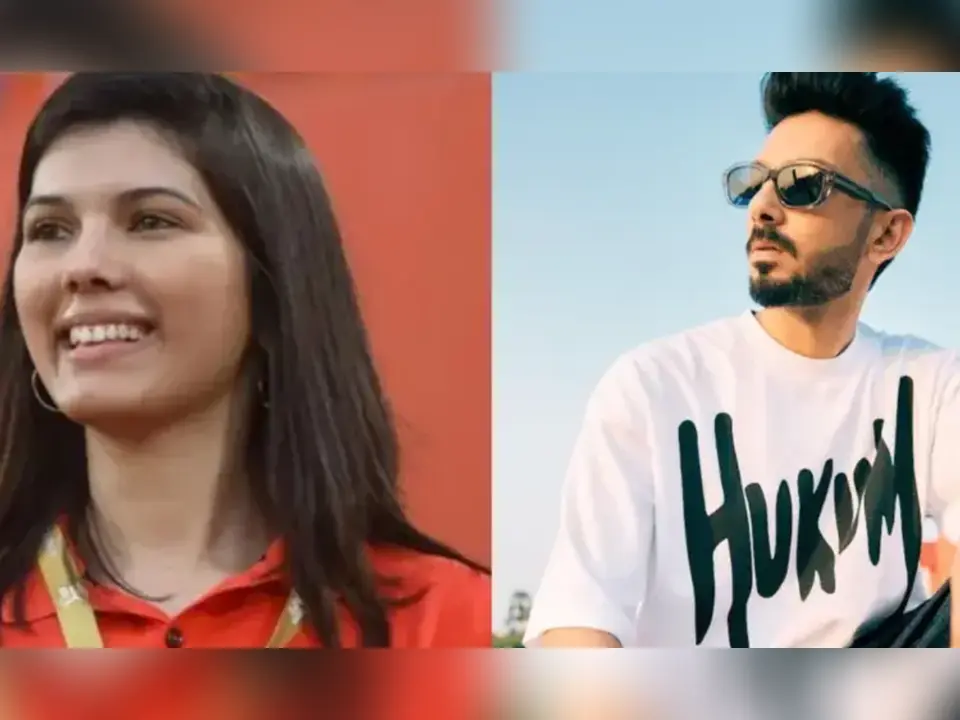
Anirudh Ravichander-Kavya Maran wedding: Telangana CM reveals Chennai reception date
&imwidth=180&imheight=135&format=webp&quality=medium)
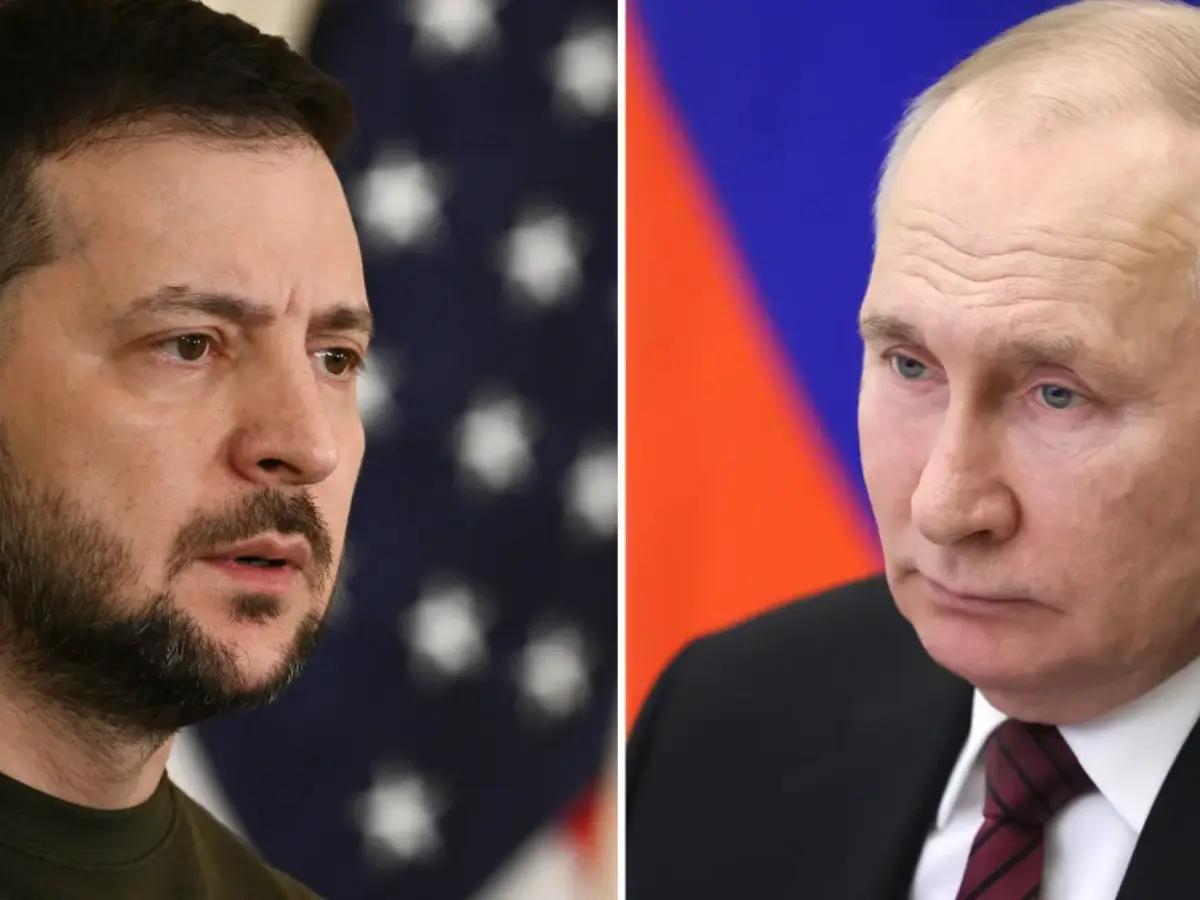
Putin wants joint meeting with Trump-Xi summit on Ukraine war, proposes talks alongside APEC: Report
&im=FitAndFill=(700,400)&imwidth=180&imheight=135&format=webp&quality=medium)
New OTT releases this week (October 19-25, 2026): Gajab Raat to Chaar Yaar-8 titles to watch during Dussehra week on Netflix, Prime Video and more
&imwidth=180&imheight=135&format=webp&quality=medium)
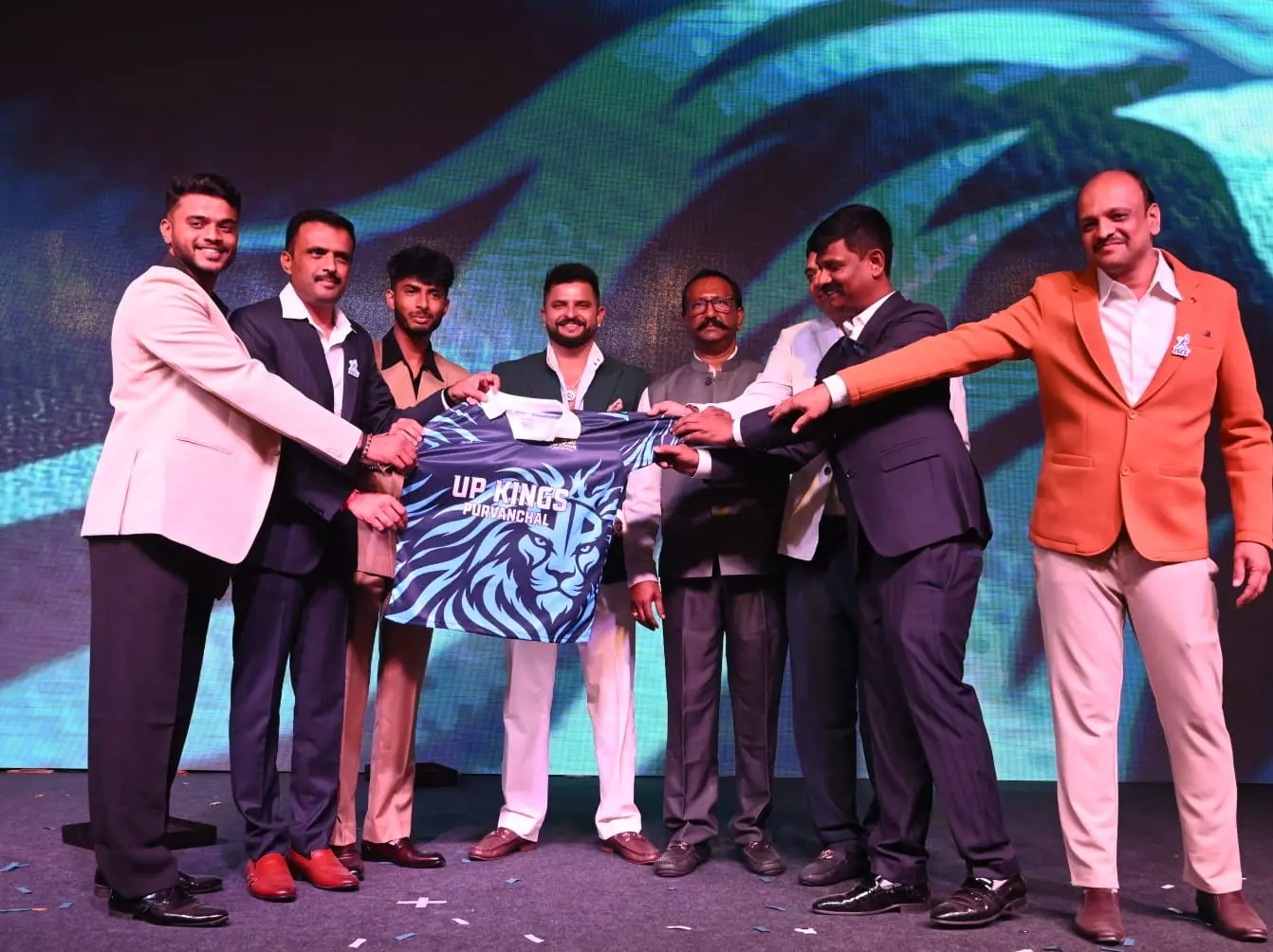
'Grassroots leagues help bridge the gap': India's ODI WC winner Suresh Raina lauds ISCL ahead of Season 2
&imwidth=180&imheight=135&format=webp&quality=medium)
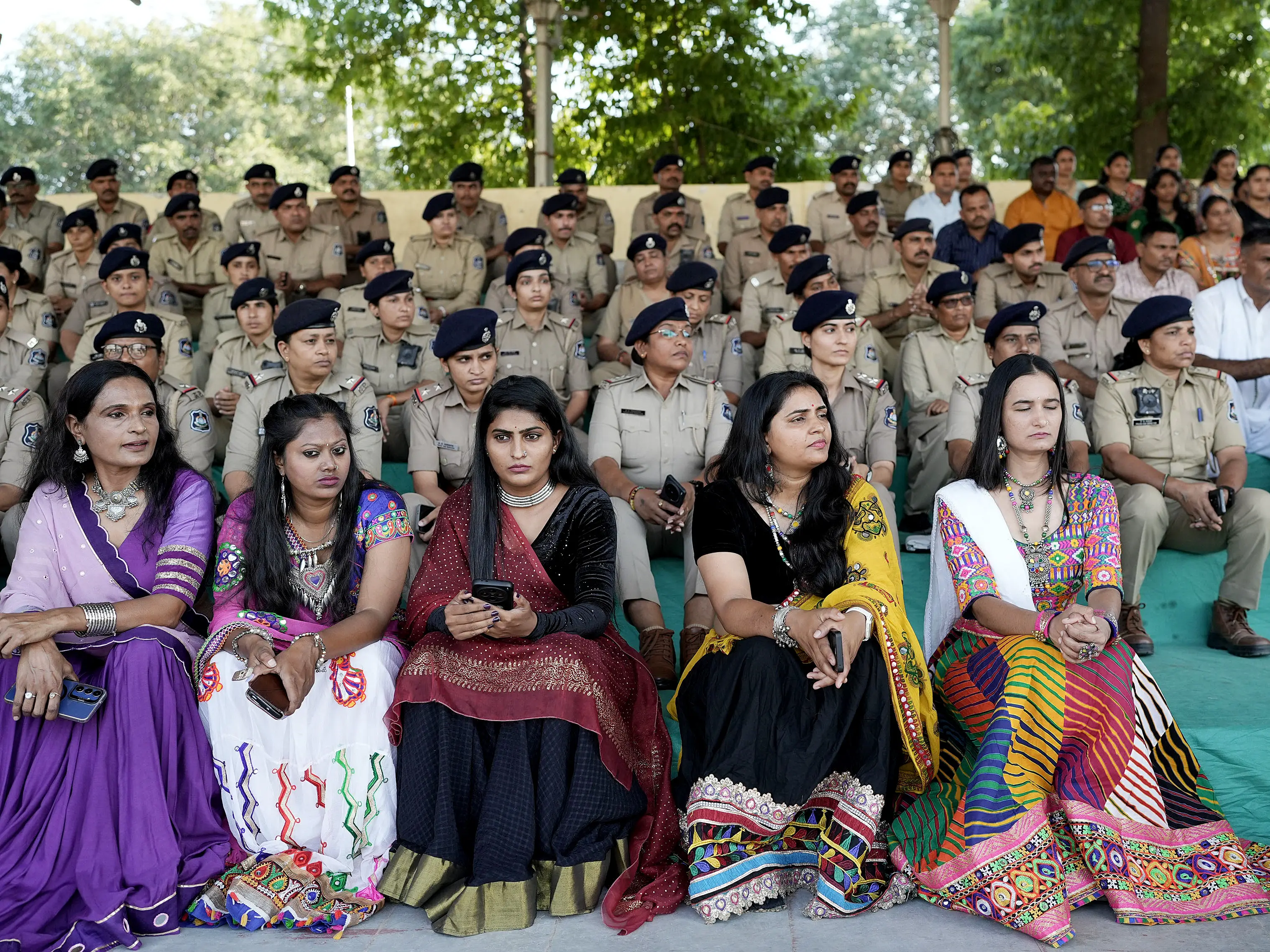
'We feel like Mr India': Gujarat’s undercover SHE team guard garba nights at Navratri
&imwidth=180&imheight=135&format=webp&quality=medium)
Saudi Arabia asks skyscraper employees to work from home amid Houthi threats
&imwidth=180&imheight=135&format=webp&quality=medium)
4 killed, 19 critically injured in grass fire at Canada's largest military base
&imwidth=180&imheight=135&format=webp&quality=medium)
Lawrence Bishnoi gang claims responsibility for firing at Tiger Shroff over ties to Salman Khan
&imwidth=180&imheight=135&format=webp&quality=medium)
Why France looks the most fragile in the G7 amid protests and budget deadlock
&imwidth=180&imheight=135&format=webp&quality=medium)
Priest dies after crucifix falls on his head during livestreamed Mass in Ecuador | VIDEO
&imwidth=180&imheight=135&format=webp&quality=medium)
No Ravindra Jadeja, Yashasvi Jaiswal in India’s 2027 ODI World Cup plans: Report
&imwidth=180&imheight=135&format=webp&quality=medium)
Elon Musk features on Lucknow's 'anti-India' Ravan poster alongside Rahul Gandhi, Akhilesh
&im=FitAndFill=(700,400)&imwidth=180&imheight=135&format=webp&quality=medium)
Tesla Roadster engineering: The hidden hardware behind its flying demonstration
&imwidth=180&imheight=135&format=webp&quality=medium)
Brendan Taylor overtakes Andy Flower to become Zimbabwe’s leading ODI run-scorer
&imwidth=180&imheight=135&format=webp&quality=medium)
'It's a joy to see the makers bring it on such a grand scale': SS Rajamouli on Ramayana
&imwidth=180&imheight=135&format=webp&quality=medium)
China responds to Trump's Press Secretary Katie Zacharia after toilet remark: 'Visit China more often'
&imwidth=180&imheight=135&format=webp&quality=medium)
MI5 is opening an AI threat centre, and OpenAI just told MPs the worst isn't over
&im=FitAndFill=(700,400)&imwidth=180&imheight=135&format=webp&quality=medium)
Ghaziabad is world's fastest-growing city; Surat, Patna, Rajkot also feature on list
&imwidth=180&imheight=135&format=webp&quality=medium)
Anthropic’s public benefit plan: What its 5% share commitment means for AI’s future
&imwidth=180&imheight=135&format=webp&quality=medium)
Cattle-feed bran in biscuits, detergent in milk: FSSAI acts against 3 companies
&imwidth=180&imheight=135&format=webp&quality=medium)
Flying car race: Alef Aeronautics welcomes Tesla Roadster '11 years' later, but are the two models the same?
&imwidth=180&imheight=135&format=webp&quality=medium)
Kylie Jenner makes Victoria’s Secret debut in $50 million diamond-encrusted design as Timothée Chalamet cheers
&imwidth=180&imheight=135&format=webp&quality=medium)
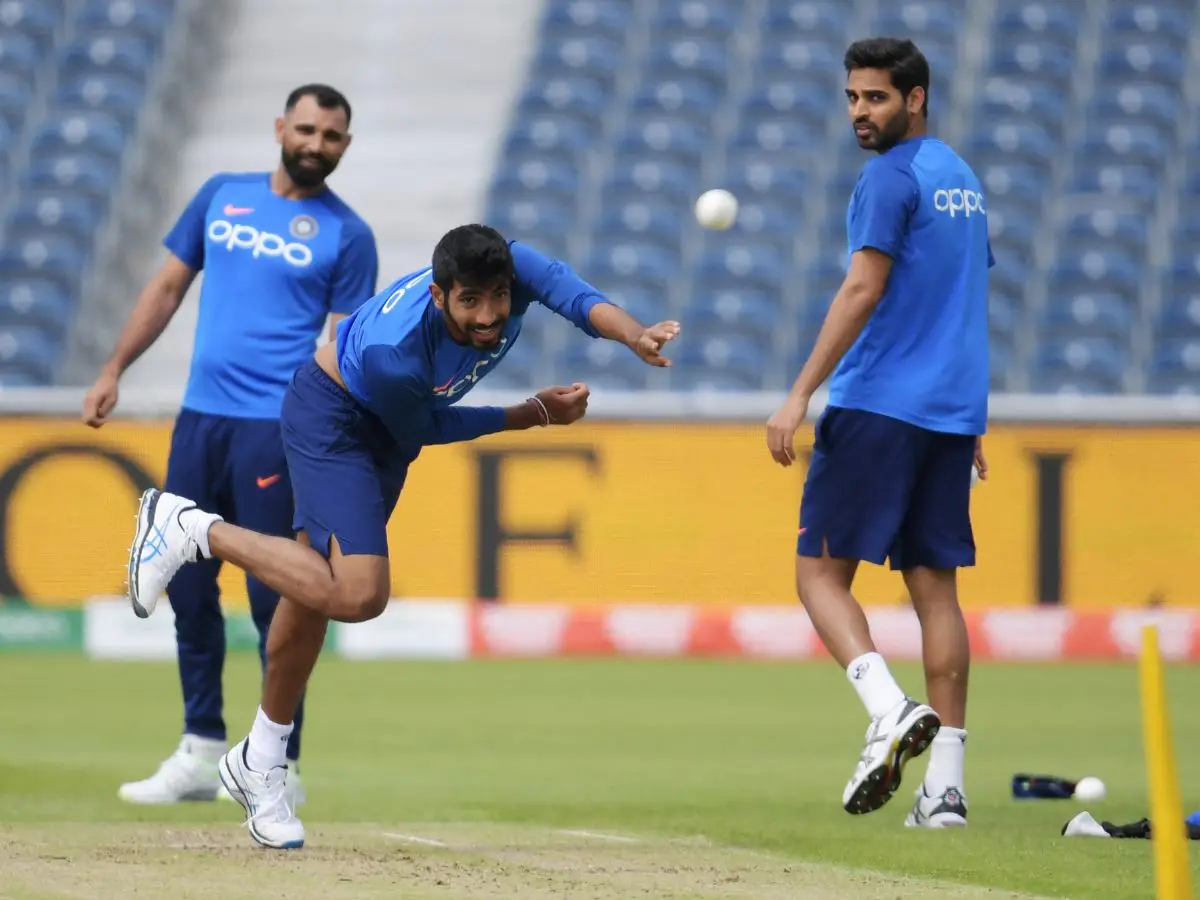
Shastri backs Shami comeback; lauds Bhuvi and warns Bumrah on format workload ahead of World Cup
&imwidth=180&imheight=135&format=webp&quality=medium)
After Kennedy Center and reflecting pool disputes, Trump turns to Washington golf course plan amid legal battle
&imwidth=180&imheight=135&format=webp&quality=medium)
Nobel laureate Machado, who dedicated prize to Trump, confirmed as Venezuela opposition leader
&imwidth=180&imheight=135&format=webp&quality=medium)
Karan Johar reimagines Student Of The Year with thriller series After Dark, Shanaya Kapoor to debut on OTT
&imwidth=180&imheight=135&format=webp&quality=medium)
Netanyahu rival Benny Gantz quits Israel election race, vows to push for unity government
Sequencing these bacterial genomes using traditional methods was difficult for them. So, they turned to a relatively new method for their analysis. Using an algorithm, they compared the sequences with known strains and identified 35 new species.
Among these, seven were clinically relevant, meaning they can cause infections. The researchers classed the other 26 bacteria as "difficult to identify."
ALSO READ |'Magic islands' on Saturn's moon Titan are nothing but Swiss-cheese-like snow clusters
The study noted that most newly identified bacteria belonged to two genera: Corynebacterium (six species) and Schaalia (five species). "We can find many species in these two genera in the natural human skin microbiome and the mucosa. This is why they are frequently underestimated, and research into them is sparse," added Goldenberger. But they are harmful once they enter the bloodstream.
Furthermore, according to the study, one of the "difficult to identify" bacteria found in a dog bite wound on a patient's thumb might be a novel and emerging pathogen. A Canadian group first isolated the bacteria from wounds caused by dog or cat bites in 2022.
The team will continue to work on this study by collecting and sequencing samples from patients at the University of Hospital Basel. Over 20 species added to the list will hopefully aid future diagnosis and treatment of infections.
"Publicly available clinical and genomic data may help understand [bacterial organisms] clinical and ecological role," the study authors wrote in their conclusion. "Our identification of 35 novel strains, seven of which appear to be clinically relevant, shows the wide range of undescribed pathogens yet to be defined."
(With inputs from agencies)