Reducing meat consumption equivalent to taking 8mn cars off road: Study

Meat consumption
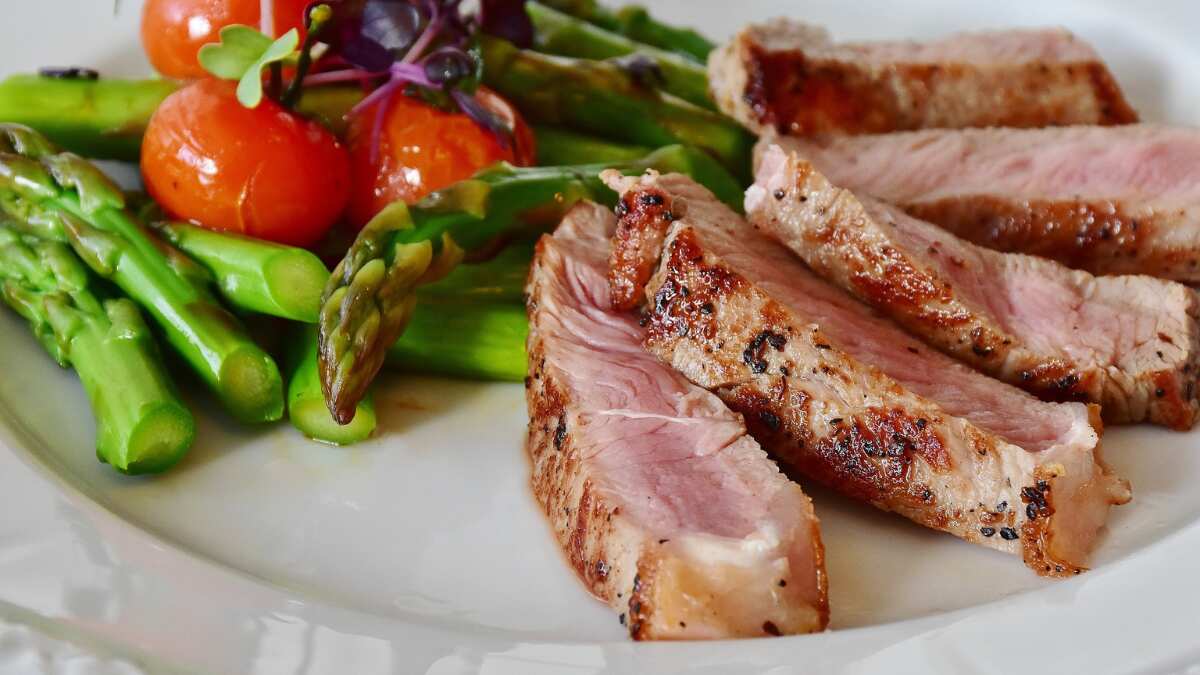
New research conducted by Oxford University has shed light on the significant environmental impact of meat consumption. The study provides a comprehensive assessment of how our dietary choices affect the planet.
The study reveals that reducing meat consumption, particularly among heavy meat eaters, could yield substantial benefits for the environment, equivalent to taking 8 million cars off the road.
Despite the meat industry's scepticism about the study's findings, the evidence calls for urgent action to address the environmental consequences of our dietary habits.

How high meat consumption leads to higher greenhouse gas emissions
The Oxford University study distinguishes between high-meat and low-meat diets, focusing on their respective greenhouse gas emissions.
Professor Peter Scarborough, leading the research, stresses that a notable reduction in meat intake among big meat eaters can significantly contribute to combating climate change.
&im=FitAndFill=(700,400))
Shahid Kapoor to Rajkummar Rao: Actors who rule both theatres and OTT
&im=FitAndFill=(700,400))
How 2nm technology improves iPhone performance
)
BRICS Summit 2026: Trump wants to weaken BRICS, but maybe doing the opposite
&im=FitAndFill=(700,400))
Meet top 5 batters fastest to 3000 runs in T20Is
)
Did BRICS Summit 2026 prove that an 11-member bloc with India and China in it can still agree on key issues?
)
Top 5 places to visit in Goa beyond its famous beaches
&im=FitAndFill=(700,400))
Why European Meteor missiles use ramjet engines compared to standard US solid rockets
)
'He is popular...': Malaysian PM Anwar Ibrahim's praise for PM Modi during bilateral meeting | WATCH
)
BRICS Summit 2026: PM Modi, Xi reach key consensus on ties, China to assume BRICS chairmanship in 2027
)
Russia-Ukraine-US talks in October? Kremlin says not ruling out possibility of trilateral
)
UK breakup on the cards? Scotland, Wales and Northern Ireland push for independence
)
‘Want to reset ties with India, have engagement based on mutual interests,’ says Bangladesh minister
)
Trump says Canada eager to reach a deal, it could come ‘fairly soon’ if Ottawa treats US farmers better
)
The Verdict | Africa is too big to remain a guest at the BRICS table
)
‘Partners, not rivals’: Xi outlines four point plan for stronger India-China ties
&im=FitAndFill=(700,400))
Why Chinese PL-15 air-to-air missiles use dual-pulse motors compared to European interceptors
)
'It’s going to be a war': Ben Shelton on facing Zverev in US Open title clash
)
NATO under Russian threat? Drone strikes just 2 km from Poland, narrow escape for former UK PM, CIA chief
)
Song Ha Yoon school violence case explained: The claims, denials and latest twist of Marry My Husband actress
)
'80% of Indians are non-vegetarian': Rahul Gandhi slams BRICS Summit dinner menu, BJP calls it 'politics on food menu'
)
BRICS Summit: New Delhi declaration adopted with full consensus, big diplomatic win for India
)
800 million years old - Scientists discover 'fingerprints' of supercontinent Gondwana in ancient rocks
)
Russian drone hits Warsaw-bound train near Polish border, Zelensky accuses Moscow of ‘deliberate’ targeting
)
War is making Russia stronger? How Ukraine is shaping Moscow’s next generation of weapons
)
BRICS Summit 2026: Russia-India-China grouping never formalised
)
From severe mobility problems to recovery: Madhuri the elephant’s journey of wildlife care
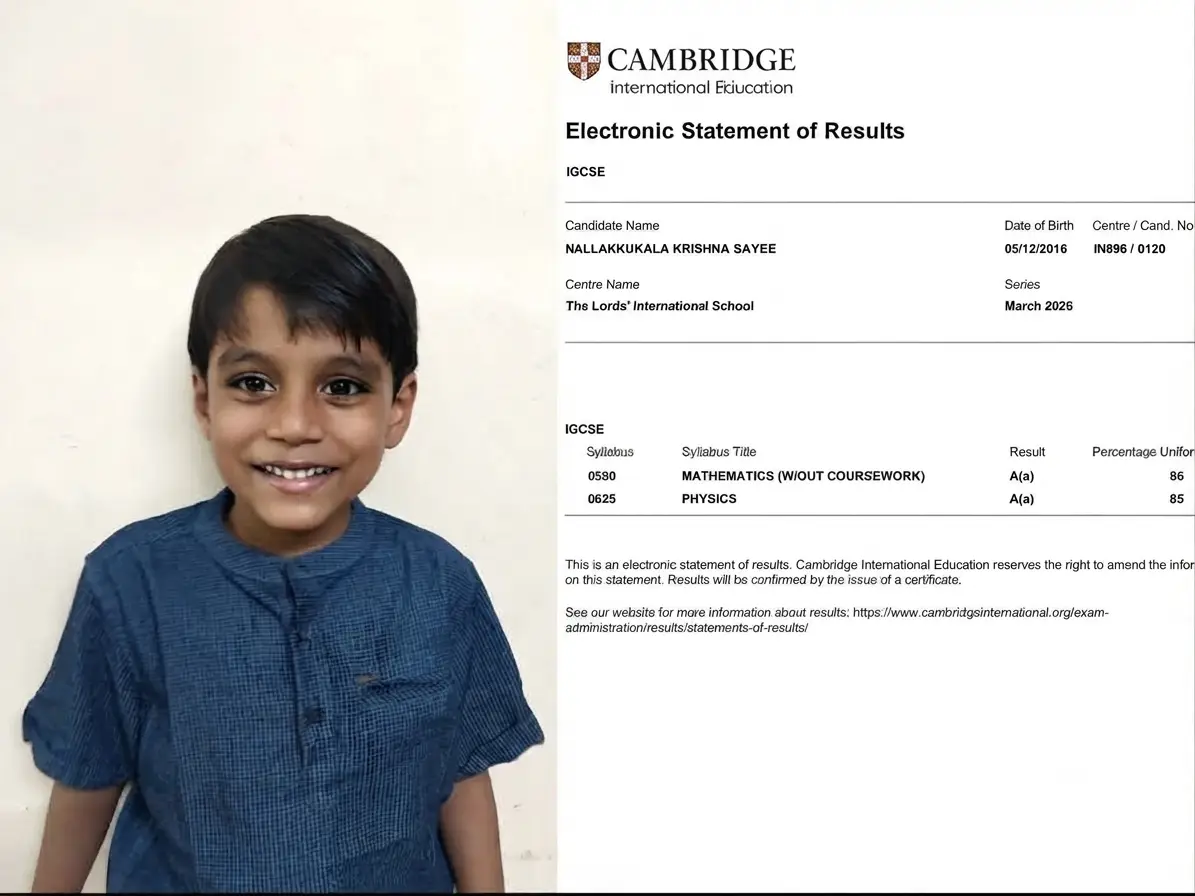)
9-year-old Chennai prodigy clears Cambridge IGCSE grade 10 exams
)
Indian importers urge Bangladesh to lift export ban on 'Hilsa' fish ahead of Durga Puja
)
Humans may lose control of AI: Anthropic CEO calls for slowdown, Altman, Musk back him
)
BRICS Summit 2026: Modi-Xi moment highlights India-China thaw at BRICS
)
US diplomat accused of possessing child abuse images secretly flown out of UK by US Marines
)
Bigg Boss 20: Who Is Rohed Khan? Meet the Austrian actor from Bade Miyan Chote Miyan
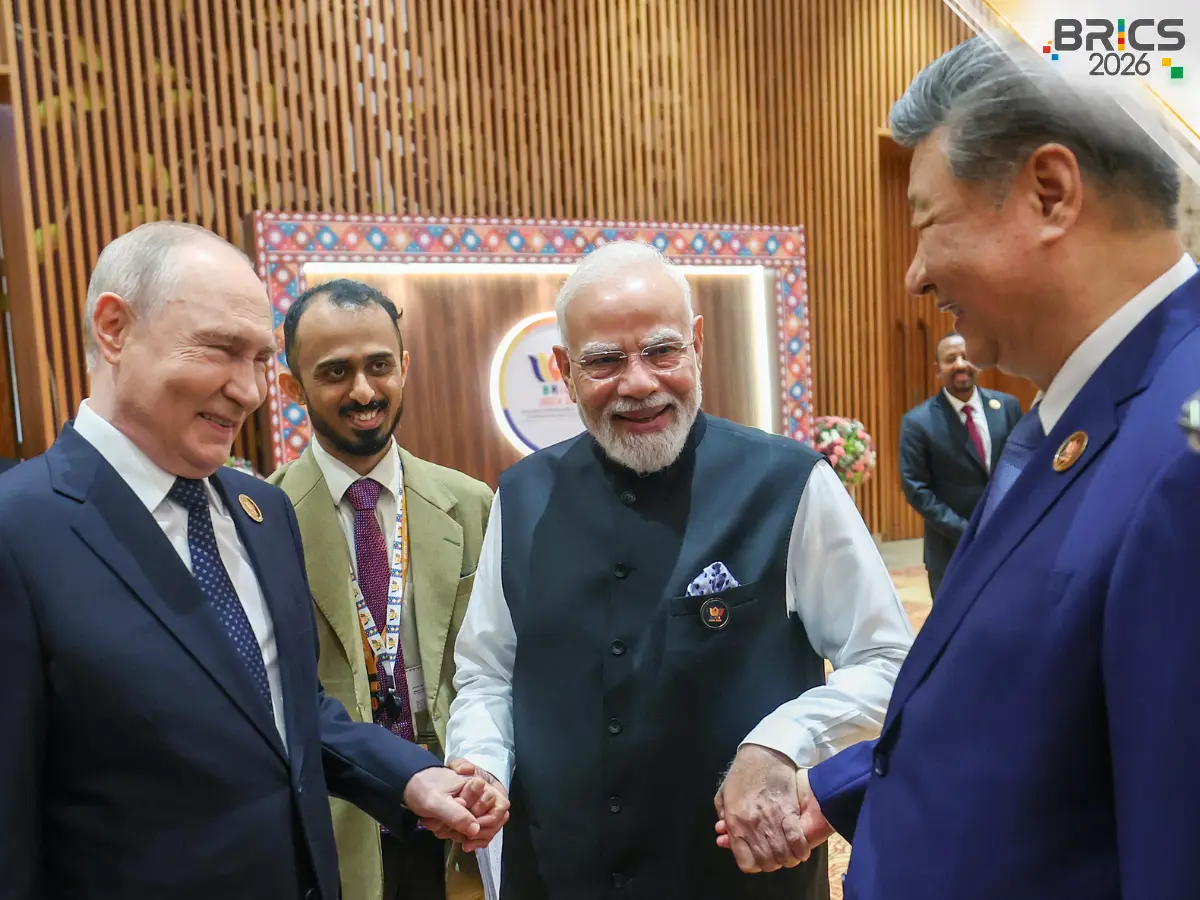)
PM Modi and China's Xi offered to help resolve Russia-Ukraine war: Kremlin
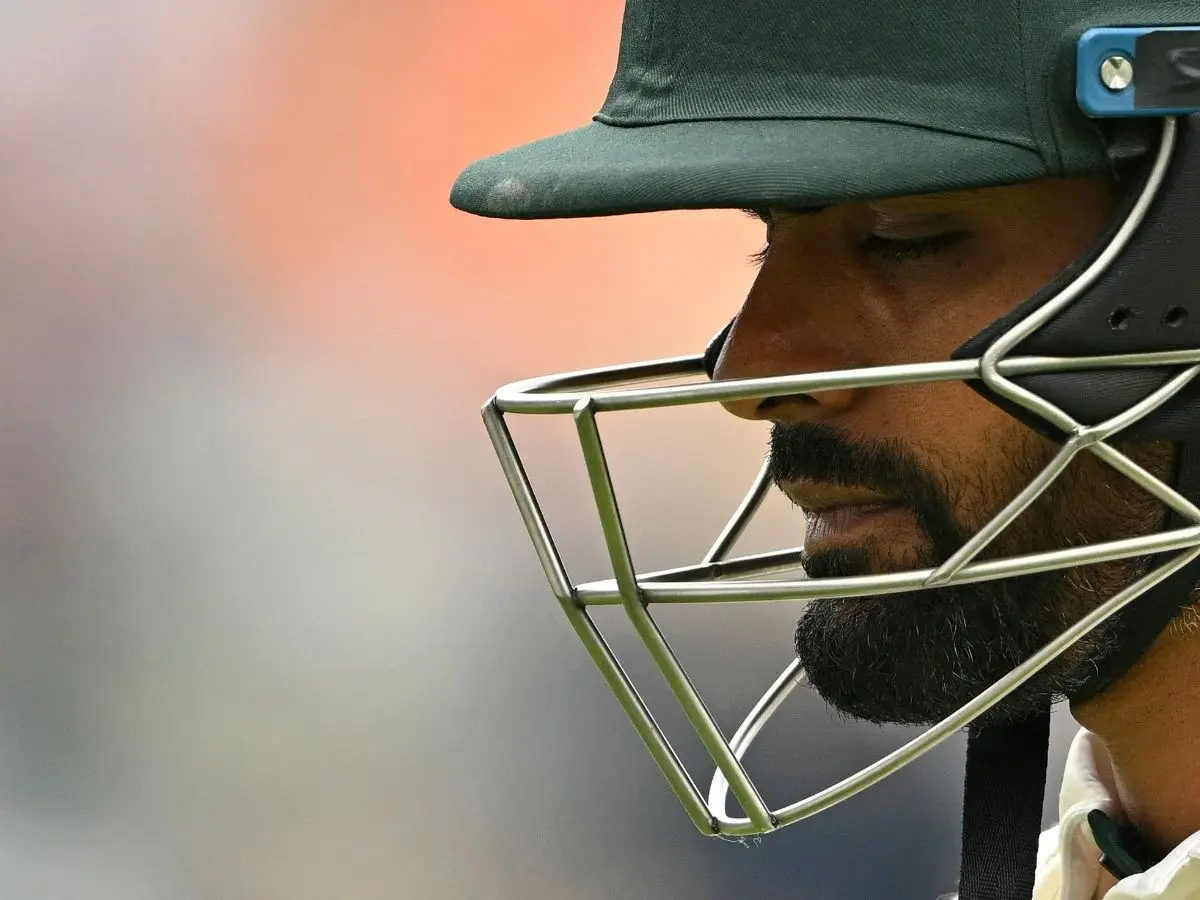)
Akram, Afridi, Mushtaq tear into PCB after Pakistan’s Test series collapse in UK
The analysis takes into account the daily greenhouse gas emissions of different diet categories: High meat eaters produce an average of 10.24 kg of planet-warming gases per day, while low meat eaters generate nearly half that amount at 5.37 kg.
Vegan diets have the lowest impact, producing only 2.47 kg per day.
Other types of pollution associated with meat production
The research goes beyond assessing greenhouse gas emissions, analysing the detailed impact of diets on various environmental measures, including land use, water use, water pollution, and loss of species due to massive production of meat and other farming-related practices.
Watch:Climate impact labels could help people eat less red meat
In all aspects, high meat eaters had significantly higher adverse impacts compared to other diet groups.
Meat industry objects
The meat industry has raised its objections against the study, which they say "is incomplete."
Nick Allen, CEO of the British Meat Processors Association said, ''One of the frustrations with a report like this is that it looks just at the emissions from livestock production. It doesn't take into account that carbon gets absorbed into the grassland, trees and hedgerows [on farms]. If they took those sums into account you would probably have a different picture,'' he said.
However, Professor Scarborough and other studies counter this argument, suggesting that the impact of CO2 uptake by grasslands is modest in the overall equation.
A third of global greenhouse gas emissions linked to food production
The study aligns with a previous Nature Food publication, which attributed a third of global greenhouse gas emissions to food production.
Additionally, an independent review for the UK's Department for Environment, Food, and Rural Affairs (Defra) proposed a 30 per cent reduction in meat consumption by 2032 to achieve the country's net-zero target.
WATCH WION LIVE HERE