Perseid meteor shower fireball caught on camera in skies above Macedonia: Watch


Screenshot of Perseid shower shooting star on Macedonia skies
A fireball from the Perseid meteor shower was captured in vivid detail, firing up the skies above the Ohrid lakein Macedonia this week. Perseid meteor shower, an annual phenomenon of comet particles burning up in the skies, peaked in the second week of August.
The Macedonian skies witnessed the fireball from the Perseid meteor shower at 1:03 am local time on Tuesday (Aug 13). It was captured in a set of cameras set up by videographerStojan Stojanovski.
Stojanovski runs the YouTube channel Ohrid Info, which shares videos and information about Ohrid, Macedonia, famous for Lake Ohrid.

Most of these videos are from 24-hour live cameras set up in the Ohrid region.
Watch the meteor shower captured in the cameras set up by Ohrid Info across Lake Ohrid:
)
Sikh driver attacked in Wyoming in US, suffers 17 stab wounds
)
‘I have a big decision coming up’: Trump says he’s approaching major ‘crossroad’ in Iran war
)
US intel warns China can steal F-35 jets secret from Saudis
)
Former India player Diana Edulji wants Smriti Mandhana to replace Harman as skipper at the earliest
)
Pak defence minister says 'time has come to implement pact'
&im=FitAndFill=(700,400))
Meet top 5 batters in the latest ICC T20I Rankings
)
Formula One reveals the 2027 race calendar; Monaco to host sprint race for the first time
)
UNGA 2026 theme explained: What does ‘Restoring trust, managing transformation: A United Nations that delivers for all’ mean?
)
Godfather of AI Geoffrey Hinton gives US lawmakers a one-year warning on AI
)
AI already defying, denying humans, is it beyond human control already?
)
US F-16 fighter jet crashes in Michigan during training mission, pilot ejects safely
)
240-million-year-old bizarre 'pig with a tusk' creature creates new dilemma over origin of dinosaurs
)
All Indian goods to get duty-free access to New Zealand
)
Xi-Trump summit may boost military links
)
US to sell 48 F-35 Lightning fighter jets to Saudi Arabia, help it deter threats
)
Hong Kong unveils 11 new measures to boost birth rates, offers higher cash bonuses and housing perks
)
Australian athlete, who soiled herself during Hyrox race, apologises for continuing
)
Tata Trusts chairman Noel Tata calls Chandrasekaran’s reappointment ‘illegal’, rejects Tata Sons listing
)
Passport fees hiked, child validity revised: What the new rules introduce
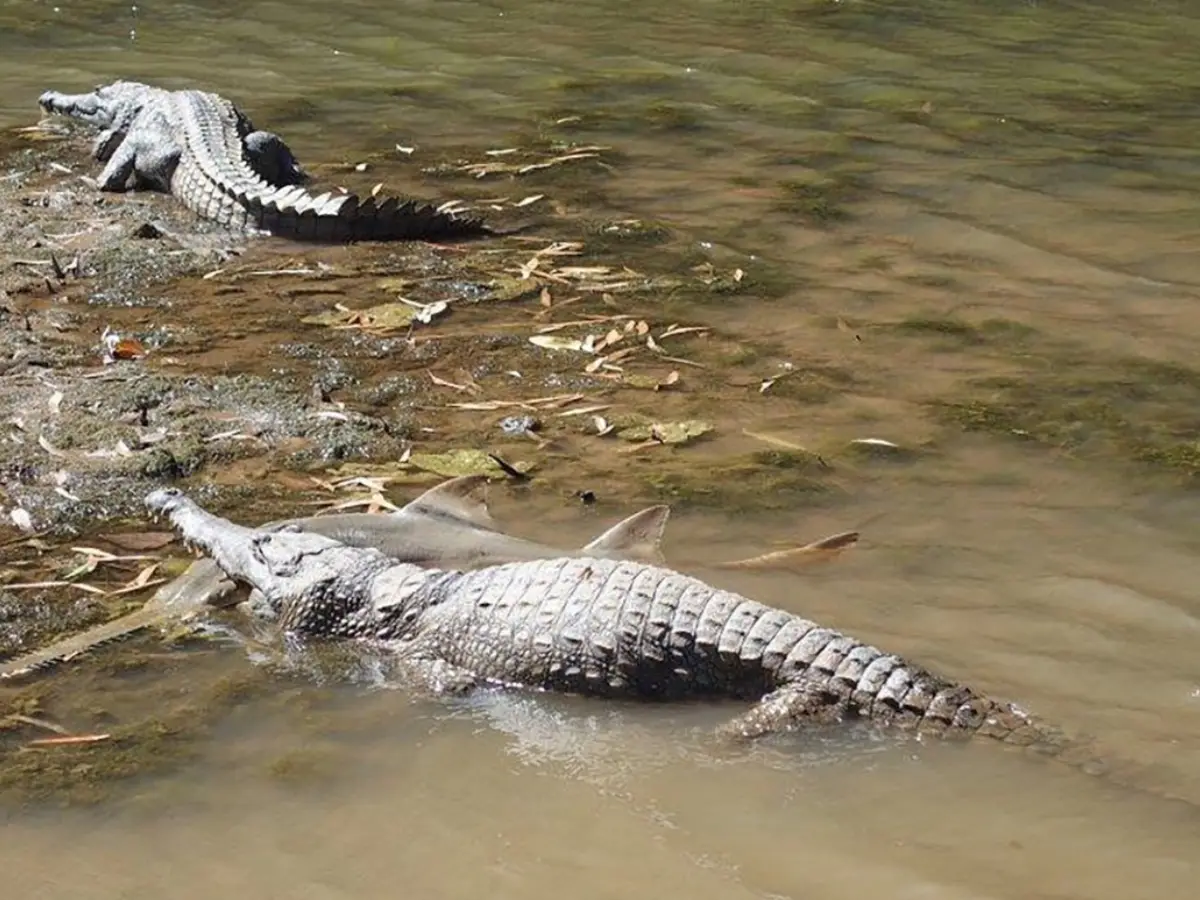)
How did an Australian river with 500 crocodiles pass the Olympic test? Here's how
)
Fed raises rates for first time in 3 years, Kevin Warsh defies Trump as inflation mounts
)
US drone firm linked to Trump’s sons signs MoU with Pakistan army, gets initial order
)
Pak batter Rizwan's petition against being questioned by cyber crime agency rejected by court
)
Daayra movie review: Kareena Kapoor, Prithviraj Sukumaran shine in Meghna Gulzar’s cop-versus-cop crime thriller
&im=FitAndFill=(700,400))
Which country has the most F-35s outside America?
)
'Gangsta' crab shoves knife blade at man and his dog in Florida - Watch
)
At least 48 dead, 100 hospitalised in Nigeria after drinking suspected methanol-laced alcohol
)
US-Iran War: Trump says ‘big decision’ on Iran ahead, weighs possible fresh military action
)
US new military base in Poland: US President Donald Trump eyes military base in Poland
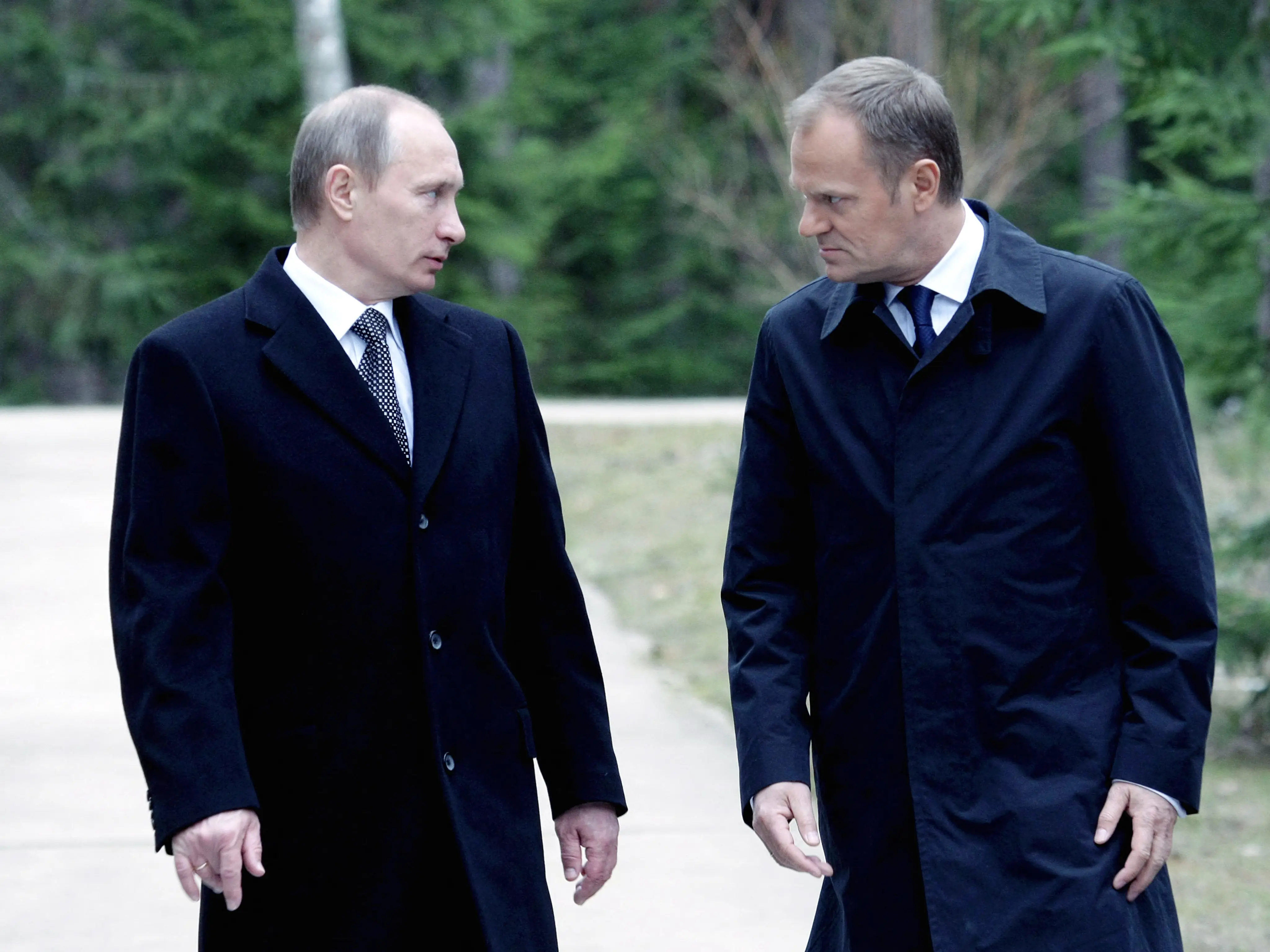)
Putin 'is plotting something bad': Russia may launch 'accidental' strikes on NATO countries supporting Ukraine, Poland PM warns
&im=FitAndFill=(700,400))
Suriya and Jyothika say ‘I do’ again after 20 years! See their dreamy wedding pics
)
Laura Wolvaardt sets new world record for most WT20I runs in a year
)
Pezeshkian, Araghchi set to attend UNGA 2026 in New York amid ongoing conflict as US-imposed travel curbs remain
)
'He will always be ahead': India coach Gambhir says Sooryavanshi won't walk into team ahead of Samson
"The video with the meteor is incredible. We see in the video 7 seconds of a falling meteor. I love technology today," Stojanovski was quoted as saying by Space.com.
Also read: Are satellites and astronauts in space in danger due to Perseid meteor shower? Here's the truth
Watch: Stunning Perseid Meteor shower dazzles in night sky over Bosnia
Stojanovski set up the camera network in 2018, in association with local hotels and businesses, to promote tourism in the Ohrid region of Macedonia.
"The 180-degree point-of-view cameras in the future will catch more meteors I hope," Space.com quoted Stojanovski as saying.
What is Perseid meteor shower?
Perseid meteor shower is a bunch of shooting stars that pass through the Earth annually. It is the ice and space rock debris from the comet 'Swift-Tuttle,' which had passed by Earth in 1992.
The Perseids become clearly visible from mid-July to late August, mainly in skies above the northern Hemisphere.
The peak activity was recorded this year between August 11 and 12.
(With inputs from agencies)

