One species, two lineages: Why Sri Lanka’s spectacled cobra differs genetically from Indian variant

&imwidth=600&imheight=450&format=webp&quality=medium "One species, two lineages: Why Sri Lanka’s spectacled cobra differs genetically from Indian variant")
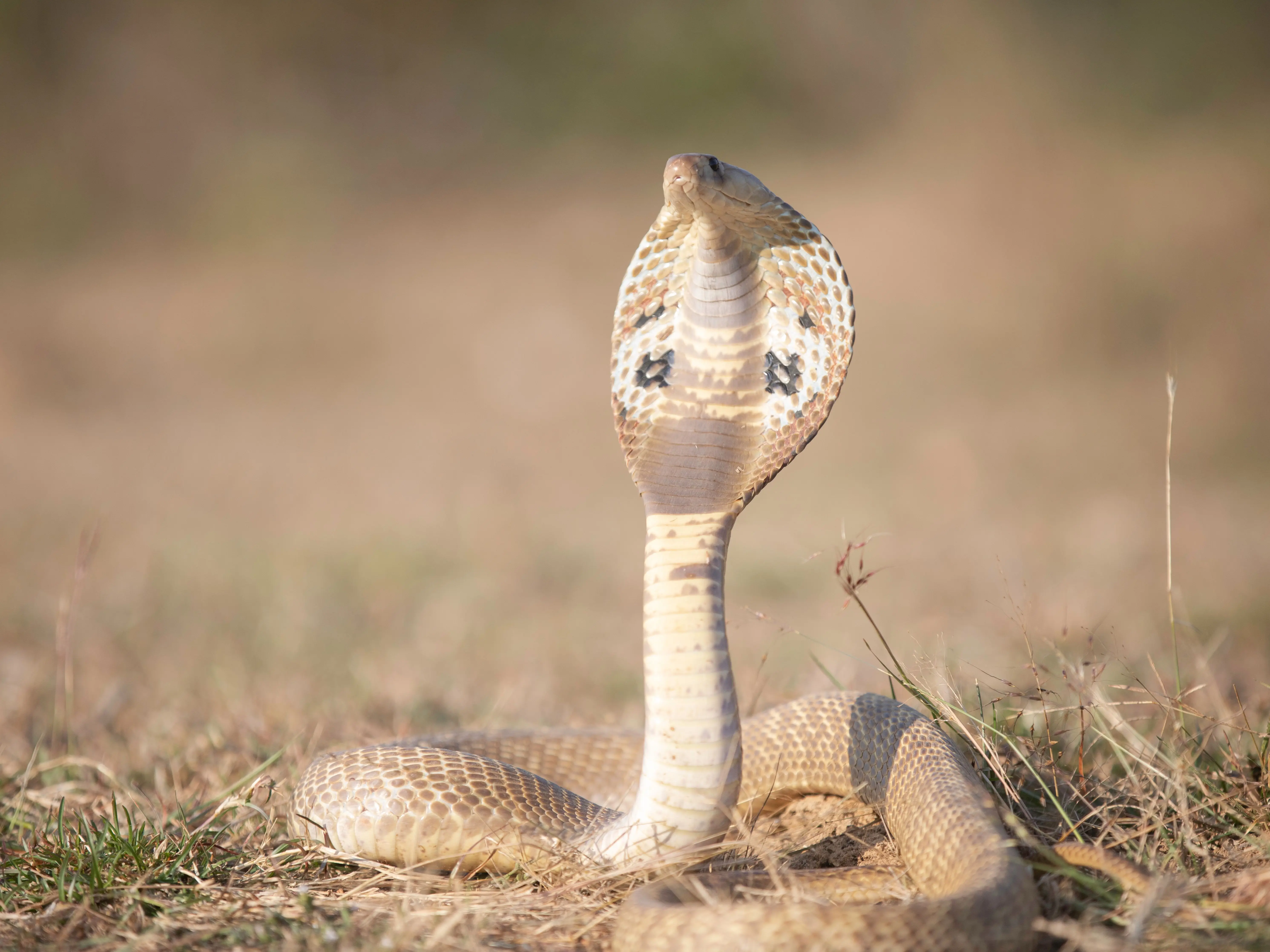
Indian Spectacled Cobras Share Single Genetic Lineage Across Mainland, Sri Lankan Snakes Unique Photograph: (Credit: Pexels/Representative image)
A new genetic study reveals that spectacled cobras across mainland India belong to a uniform genetic population, while Sri Lanka's cobra population forms a distinct lineage. Discover key scientific insights and antivenom implications.
A new genetic study has clarified how spectacled cobras (Naja naja), one of India's "big four" snakes responsible for most serious snakebite cases, are related across South Asia. The findings were published in Molecular Phylogenetics and Evolution. The spectacled cobra is currently treated as a single species found across much of South Asia, with regional variation in colour, hood markings and venom. Early classifications split it into regional subspecies, but later work grouped them together. A 2022 study proposed that Sri Lankan cobras be recognised as a separate species. A subsequent reassessment challenged that conclusion, citing its reliance on mitochondrial markers, limited geographic sampling and use of venom as taxonomic evidence.
The new study's authors note that earlier molecular work drew mostly on samples from Bangladesh, Nepal, Pakistan and Sri Lanka, with minimal representation from India, partly because of difficulties in obtaining research permits and samples. Before this study, only 23 N. naja sequences had been generated.
Also read: India tops list of most snake attacks in the world with 1.3mn cases every year, study finds
The team sequenced nine DNA markers, both mitochondrial and nuclear, from scale samples of 67 cobras collected across major Indian regions. They combined the data with published sequences, including from neighbouring countries, to reconstruct relationships, estimate split dates and model ancient movements.
Key findings
Mainland cobras shared an extensive set of genetic variants, and no clear regional evolutionary divisions were detected across India. The researchers say this is consistent with widespread genetic mixing, despite visible differences in appearance and venom. They attribute the pattern to strong dispersal ability, ecological generalism and historical human-assisted movement. This contrasts with other widespread snakes, such as the banded krait and king cobra, and with related cobra species, which show pronounced geographic clustering.
Trending Stories
&imwidth=280&imheight=210&format=webp&quality=medium)
&imwidth=280&imheight=210&format=webp&quality=medium)
&imwidth=280&imheight=210&format=webp&quality=medium)
&imwidth=280&imheight=210&format=webp&quality=medium)
&imwidth=280&imheight=210&format=webp&quality=medium)
&imwidth=280&imheight=210&format=webp&quality=medium)
&im=FitAndFill=(700,400)&imwidth=280&imheight=210&format=webp&quality=medium)
&imwidth=280&imheight=210&format=webp&quality=medium)
&imwidth=280&imheight=210&format=webp&quality=medium)
&imwidth=280&imheight=210&format=webp&quality=medium)
&imwidth=280&imheight=210&format=webp&quality=medium)
&im=FitAndFill=(700,400)&imwidth=280&imheight=210&format=webp&quality=medium)
&imwidth=280&imheight=210&format=webp&quality=medium)
&imwidth=280&imheight=210&format=webp&quality=medium)
&imwidth=280&imheight=210&format=webp&quality=medium)
&imwidth=280&imheight=210&format=webp&quality=medium)
&imwidth=280&imheight=210&format=webp&quality=medium)
&imwidth=280&imheight=210&format=webp&quality=medium)
&imwidth=280&imheight=210&format=webp&quality=medium)
&imwidth=280&imheight=210&format=webp&quality=medium)
&imwidth=280&imheight=210&format=webp&quality=medium)
&imwidth=280&imheight=210&format=webp&quality=medium)
&imwidth=280&imheight=210&format=webp&quality=medium)
&imwidth=280&imheight=210&format=webp&quality=medium)
&imwidth=280&imheight=210&format=webp&quality=medium)
&imwidth=280&imheight=210&format=webp&quality=medium)
&imwidth=280&imheight=210&format=webp&quality=medium)
&imwidth=280&imheight=210&format=webp&quality=medium)
&imwidth=280&imheight=210&format=webp&quality=medium)
&imwidth=280&imheight=210&format=webp&quality=medium)
&imwidth=280&imheight=210&format=webp&quality=medium)
&imwidth=280&imheight=210&format=webp&quality=medium)
&imwidth=280&imheight=210&format=webp&quality=medium)
&imwidth=280&imheight=210&format=webp&quality=medium)
&imwidth=280&imheight=210&format=webp&quality=medium)
&imwidth=280&imheight=210&format=webp&quality=medium)
&imwidth=280&imheight=210&format=webp&quality=medium)
&im=FitAndFill=(700,400)&imwidth=280&imheight=210&format=webp&quality=medium)
The Sri Lankan cobras, however, formed a distinct genetic lineage, showing moderate mitochondrial divergence from the mainland population. The team says both groups still fall within one species, adding that genetic differentiation alone does not settle species status.
Also read: 23ft python swallows man returning from party in Indonesia; family find body whole inside reptile
About the origins
The analysis supports an African origin for the Naja genus, with a spread into South Asia probably through the Middle East around 10.6 million years ago. The researchers link this to tectonic connectivity between the African and Arabian plates, aridification, and the expansion of savanna and grasslands. They note that Naja fossils have not been found in the Arabian Peninsula, which may reflect uneven sampling.
The lineage that reached the subcontinent likely evolved into N. naja. The data suggest it reached Sri Lanka around two million years ago, in the early Pleistocene, when lower sea levels created land connections. Rising seas later isolated the island population, allowing a separate lineage to form, while mixing continued on the mainland.

