Ig Nobel Prize 2023: From re-animated dead spider to smart toilets, here's the list of winners


Ig Nobel Prize 2023
The Nobel Prize is the most prestigious award given for intellectual achievement. However, the Ig Nobel Prize, first awarded in 1991, celebrates the most trivial and ridiculous things the best and brightest minds have studied.
It aims to "honour achievements that first make people laugh, and then make them think." The name of the award is a pun on the Nobel Prize, which it parodies, and on the word ignoble.

The 33rd Ig Nobel Prize ceremony happened online on Thursday. The 2023 award winners are world-class experts with advanced knowledge of subjects related to humankind. They can answer questions like "How bored do students and teachers get in school?" or "How much do horny anchovies influence ocean water mixing?"
Below are the Ig Nobel Prize 2023 winners, presented with made-up "ten trillion dollar bills":
- Jan Zalasiewicz won the Ig Nobel Prize in Chemistry and Geology for explaining why many scientists like to lick rock in her paperEating Fossils.
- Chris Moulin, Nicole Bell, Merita Turunen, Arina Bahrain, and Akira O'Connor received the Ig Nobel Prize in Literature for studying the sensations people feel when they repeat a single word many, many, many, many, many, many, many times. They published the study in their paperThe The The The Induction of Jamais Vu in the Laboratory: Word Alienation and Semantic Satiation.
- Faye Yap, Zhen Liu, Anoop Rajappan, Trevor Shimokusu, and Daniel Preston got the Ig Nobel Prize in Mechanical Engineering for re-animating dead spiders and using them as mechanical gripping tools.
- Seung-min Park received the Ig Nobel Prize for inventing the Stanford Toilet, a device that uses multiple technologies, including a urinalysis dipstick test strip and a computer vision system which analyses defecations. It also has an anal-print sensor with an identification camera and a telecommunications link to monitor and quickly analyse excreted substances.
- María José Torres-Prioris, Diana López-Barroso, Estela Càmara, Sol Fittipaldi, Lucas Sedeño, Agustín Ibáñez, Marcelo Berthier, and Adolfo García received the Ig Nobel Prize in Communication for studying mental activities of people who are experts at speaking backwards.
- Christine Pham, Bobak Hedayati, Kiana Hashemi, Ella Csuka, Tiana Mamaghani, Margit Juhasz, Jamie Wikenheiser, and Natasha Mesinkovska won the Nobel Prize in Medicine for using corpses to study whether there is an equal number of hair in the two nostrils of each person.
- Homei Miyashita and Hiromi Nakamura won the Ig Nobel Prize in Nutrition for conducting experiments to determine how electrified chopsticks and drinking straws change food's taste.
- Katy Tam, Cyanea Poon, Victoria Hui, Wijnand van Tilburg, Christy Wong, Vivian Kwong, Gigi Yuen, and Christian Chan received the Ig Nobel Prize in Education for methodically studying the boredom of teachers and students.
- Stanley Milgram, Leonard Bickman, and Lawrence Berkowitz were awarded the Ig Nobel Prize in Psychology for their experiments on a city street. The study measured the number of people who stopped to look upward when they saw strangers looking upward.
- Bieito Fernández Castro, Marian Peña, Enrique Nogueira, Miguel Gilcoto, Esperanza Broullón, Antonio Comesaña, Damien Bouffard, Alberto C. Naveira Garabato, and Beatriz Mouriño-Carballido received an Ig Nobel Prize in Physics for estimating the extent to which ocean-water mixing is affected by the sexual activity of anchovies.
)
Emmys 2026: Matthew Rhys wins Best Actor twice, sets historic 78-year record
)
3 Italians fly from Delhi to Munich without immigration clearance; Air India gets notice on major security lapse
)
Did India risk its US trade deal despite softer stance at BRICS?
)
Pakistan puts Pak Rs 70 lakh bounty on UN terrorist Masood Azhar; move draws skepticism in Delhi
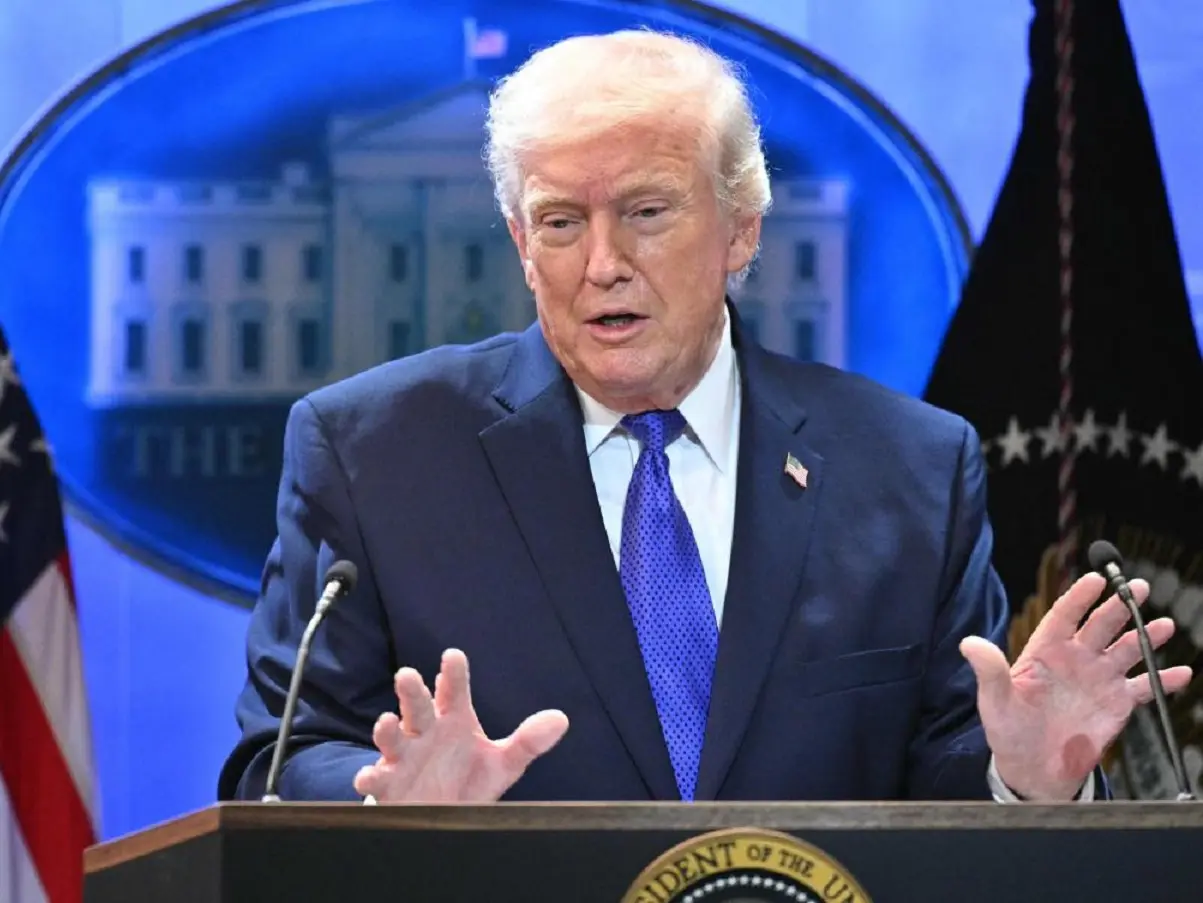)
‘US ensuring global energy supplies’: Trump demands reimbursement for securing Strait of Hormuz
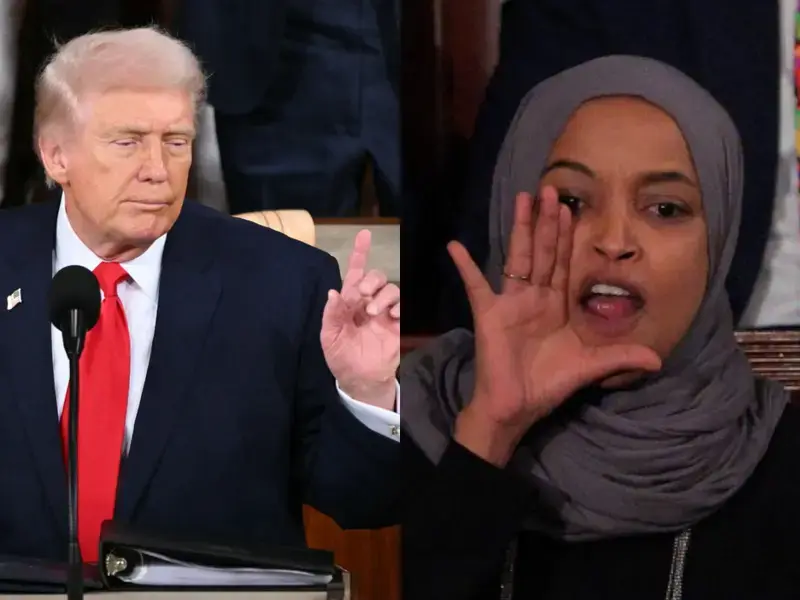)
'She married her brother': Ilhan Omar faces criminal probe over immigration fraud claims
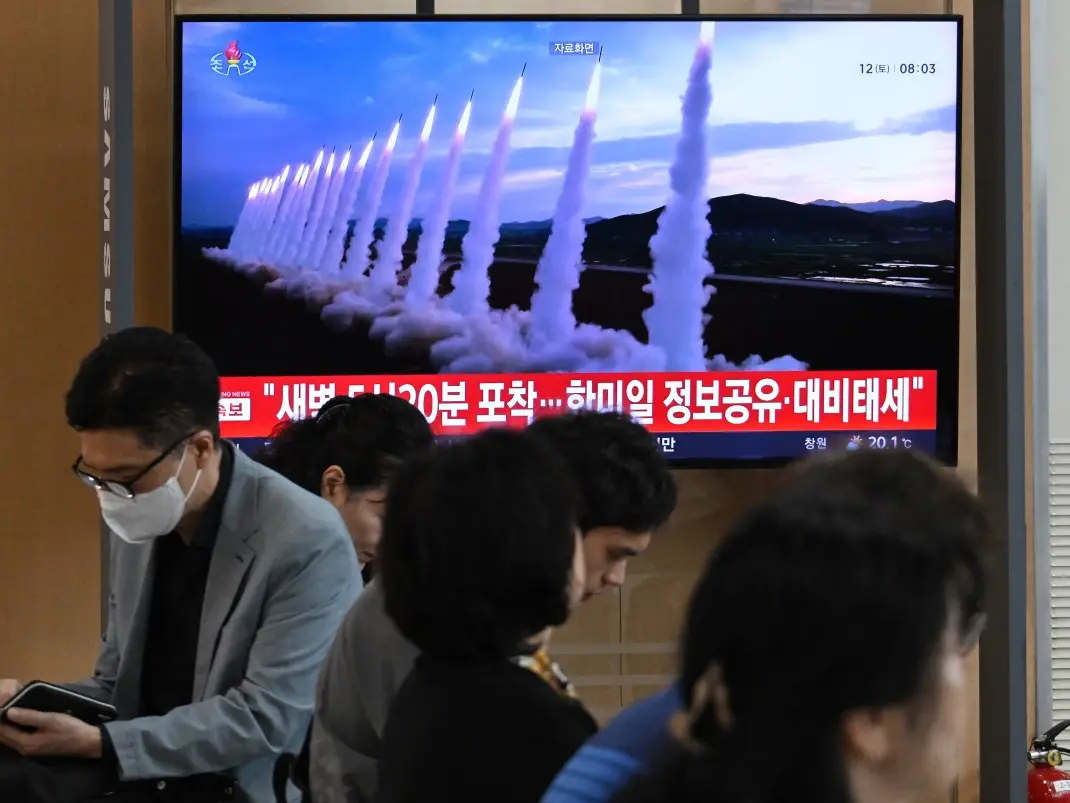)
'Huge destructive power': North Korea calls its latest missile launches 'live-fire drill' even as US dismisses 'immediate threat'
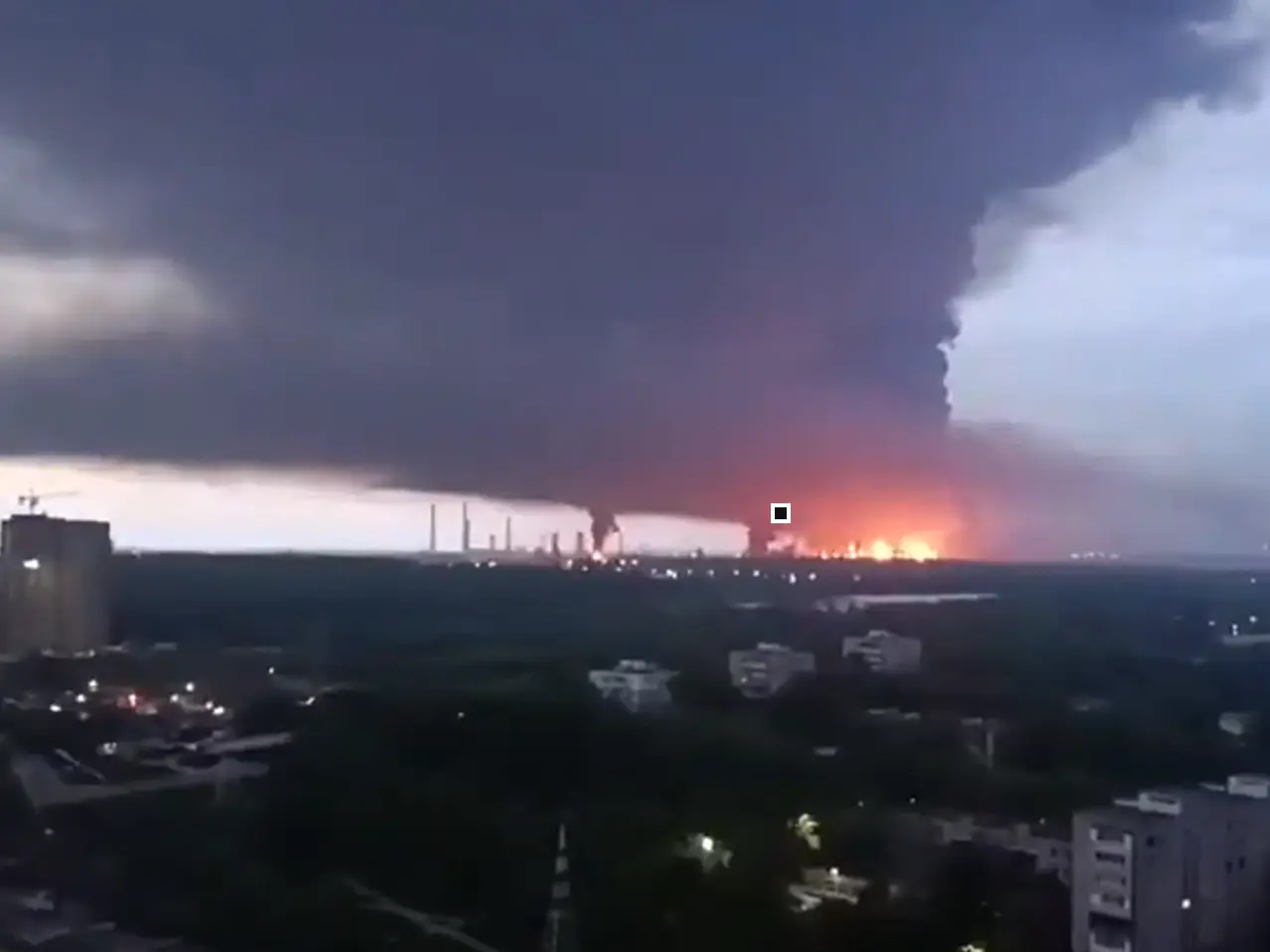)
Ukraine strikes Syzran Oil Refinery deep inside Russia, fires erupt
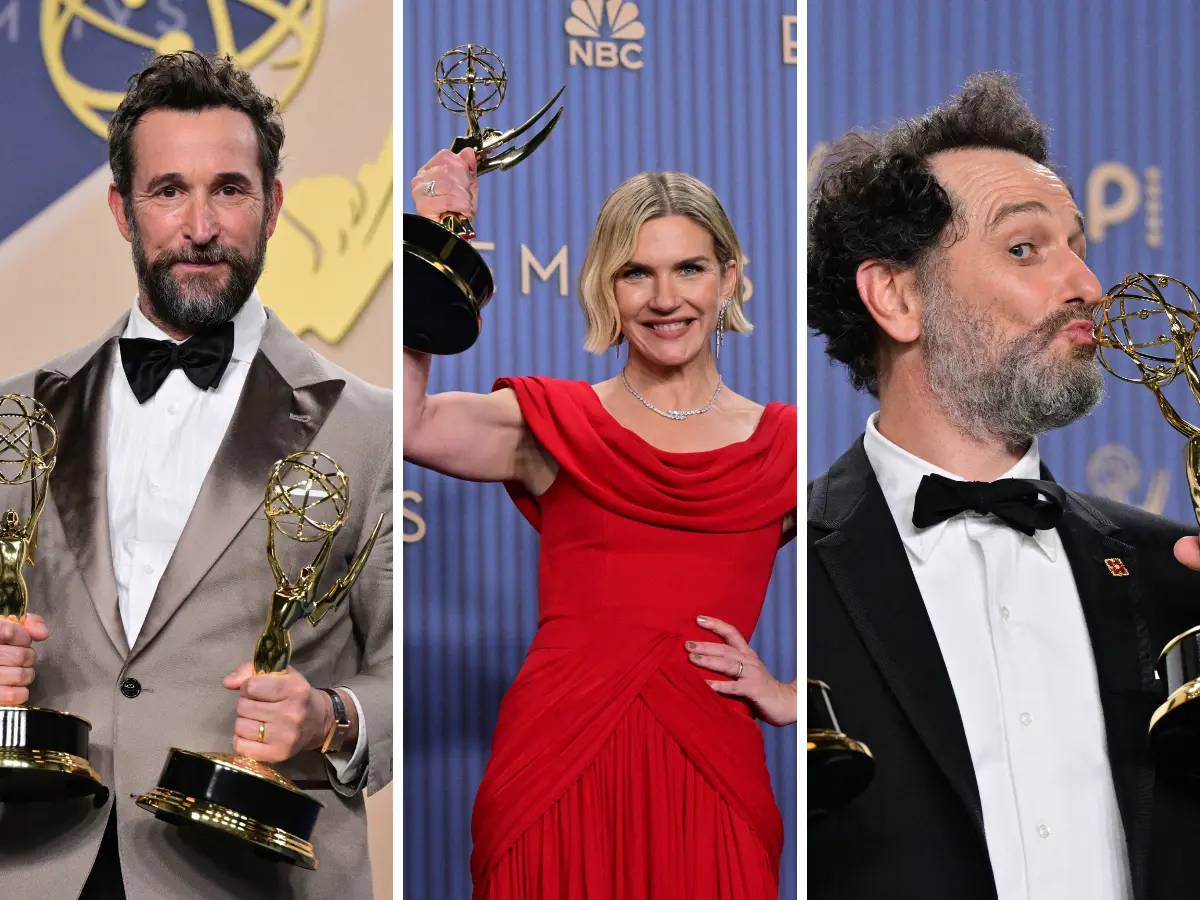)
Emmy Awards 2026: Widow's Bay and The Pitt win in lead categories- check out the complete list of winners
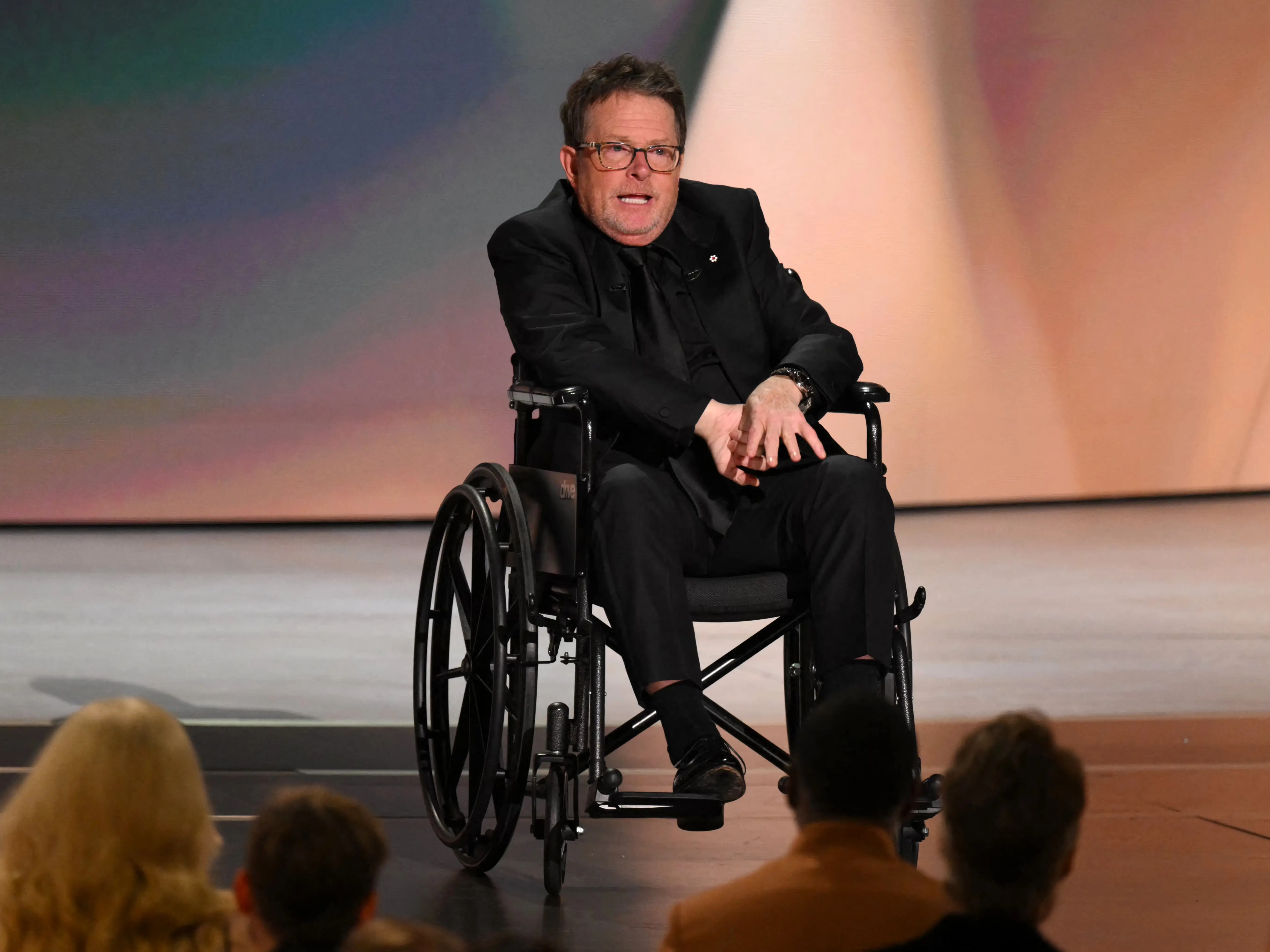)
Emmys 2026: Michael J Fox honoured with Bob Hope Humanitarian Award for Parkinson’s advocacy
)
Emmys 2026 In Memoriam: Catherine O’Hara honoured by on-screen children Macaulay Culkin, Annie Murphy, Dan Levy; Dolly Parton, Rob Reiner remembered
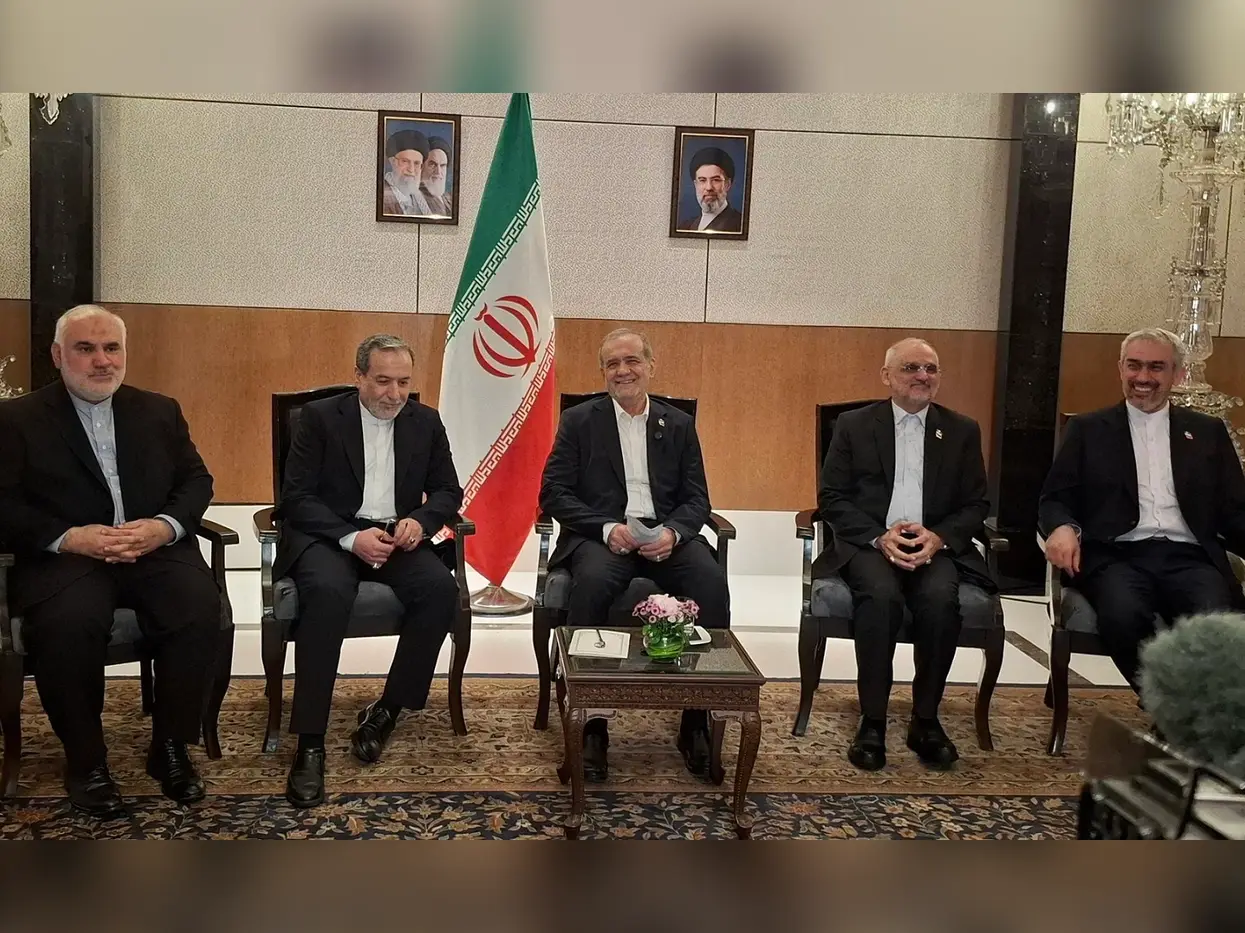)
Iran, India agree to deepen humanitarian and political ties, President Pezeshkian says
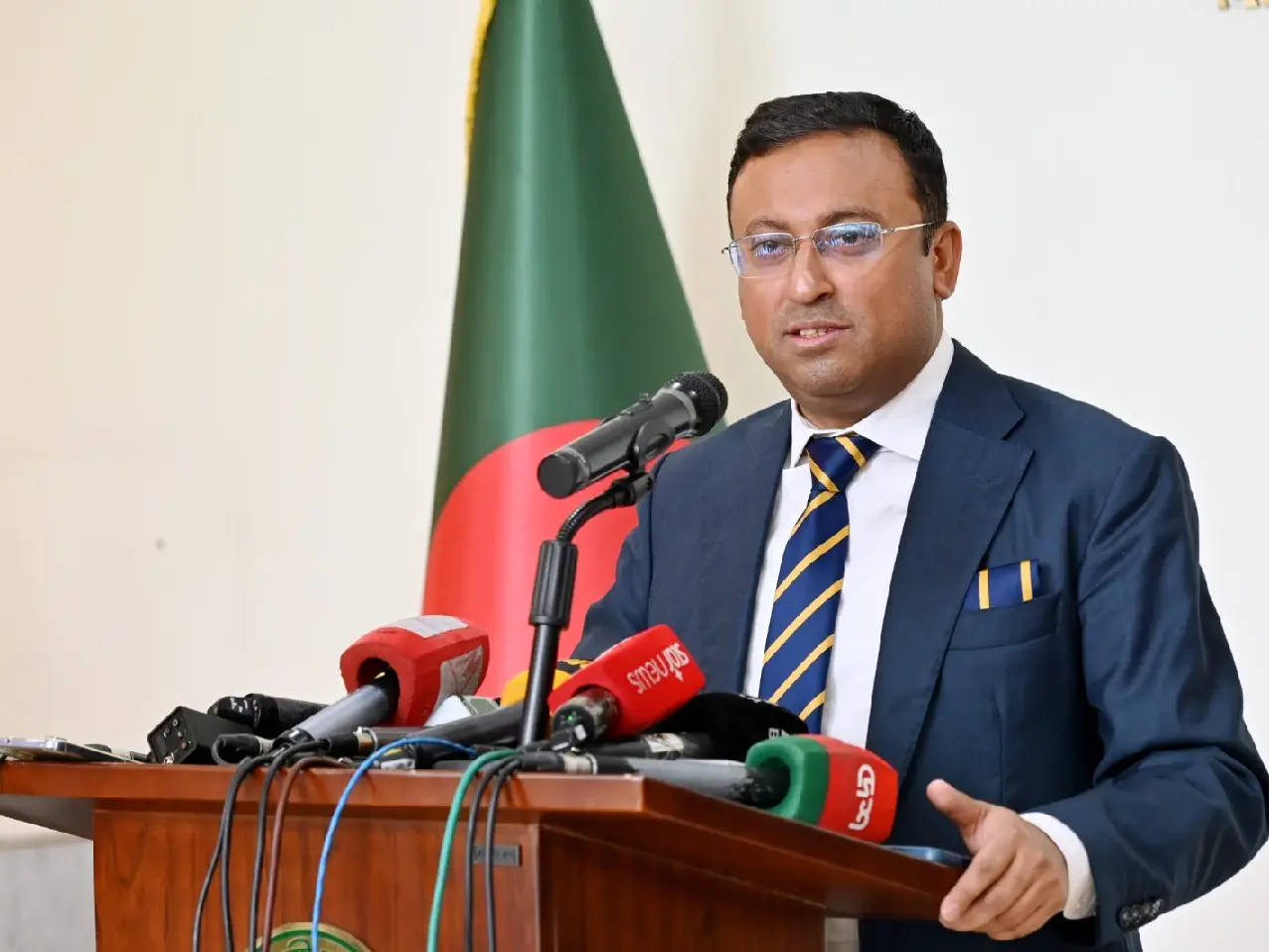)
‘Want to reset ties with India, have engagement based on mutual interests,’ says Bangladesh minister
&im=FitAndFill=(700,400))
Emmys 2026 Red Carpet: Zendaya, Nicole Kidman and Julia Garner lead the glamour peak
)
Turkish Airlines plane flies through a storm three times, triggering severe turbulence
&im=FitAndFill=(700,400))
Why Chinese PL-15 air-to-air missiles use dual-pulse motors compared to European interceptors
)
What is Hyrox, in news for athlete who soiled herself, but kept running and using common equipment?
)
Russia proposes to build 360 kmph Ivolga FG trains in India: What happened on sidelines of BRICS
)
800 million years old - Scientists discover 'fingerprints' of supercontinent Gondwana in ancient rocks
)
Former Pak PM Imran Khan's ex-wife Jemima Goldsmith marries Australian financier: Who is Cameron O'Reilly
)
Plane carrying prominent figure crashes at Libya’s Misrata airport: Report
)
UPI payments up to Rs 2,000 to stays free, but bigger transactions may soon cost you: Govt
&im=FitAndFill=(700,400))
New OTT releases this week (September 14-20, 2026): Lust Stories 3, Waiting Hai, Irumudi- 5 new titles coming on Netflix, Prime Video and more
)
Sent home midway from UK tour, Pakistan's Salman Agha hits 300* in domestic return
)
Who is Kalyan Bainsla, accused in the Gurugram hit-and-run case involving woman biker?
)
Nigerian Navy seizes 10,000 litres of suspected illegal fuel in Rivers State crackdown
)
Saudi Arabia discovers 110 million tonnes of Uranium-rich ore in Madinah region
)
Dodgers beat Reds for playoff berth in bid for third consecutive World Series
)
Ecstasy tablets are rage in 'drug haven' Libya | Gravitas
)
'Now Trump is copying us': Shivakumar links US $5,000 plan to Congress guarantees
)
Video of Pakistani lawmaker struggling to read English tribute to Jinnah goes viral - WATCH
)
Trump downplays China's alleged 'help' to Iran in strike on Jordan base | Gravitas
)
Trump loses Supreme Court battle over mail ballots ahead of US midterms: What happened?
)
BCCI VP Rajeev Shukla says Mohsin Naqvi 'did not object' India refusing trophy from ACC chief
)
Legendary costume designer Bob Mackie dies at 87: A look back at his iconic legacy
)
Photographs, LeT labels vanish from two 2008 Mumbai attack entries in Pakistan’s most wanted list
)
Delhi govt to roll out ₹13,820 crore development projects under Seva Sankalp Abhiyan: CM Rekha Gupta
)
UK man admits drugging, raping wife for 20 years in shocking abuse case
)
Extreme warming in Indian Ocean added 695 billion tons of ice to Antarctica ice sheet
)
China thinned Himalayan troop presence in 2025, India defence report says; terms border situation 'stable'
(With inputs from agencies)
WATCH WION LIVE HERE