Exercise makes minutes seem shorter by 9%, says study

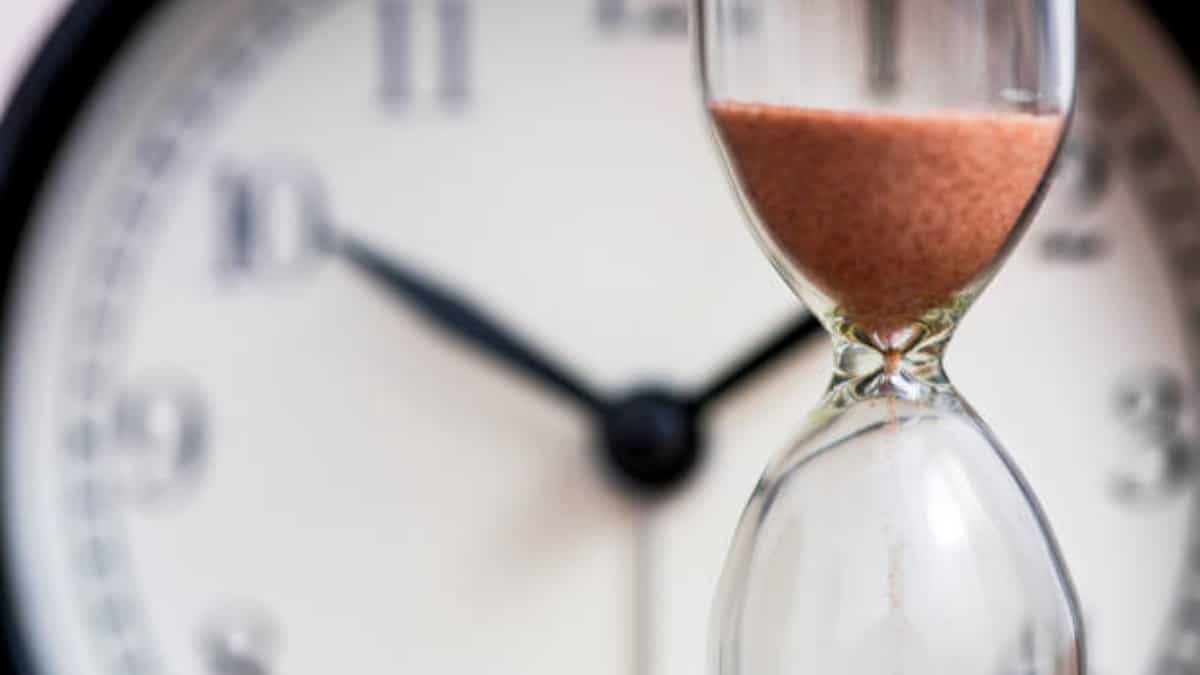
For representative use.
Science has finally confirmed that time does slow way down when you’re inside the gym. But it’s not the monotony or the person on the next exercise machine who won’t stop talking on the phone.
Participants in a small study completed stationary bike trials. They then tried to estimate the passage of 30 seconds. Interestingly, on average, participants thought 30 seconds had passed when only 27 seconds had actually passed. This translates to feeling 8-9% faster than real time, making the clock seem to tick slower during their workout.
This effect raises a lot of interesting research questions about what’s going on. This particular study focuses on people’s insights and psychological explanations, but the human body goes through a multitude of physical changes during exercise.

Also read:Scientists forewarn timing of 'triple whammy extinction' that will eradicate all life from Earth
To test time perception during exercise, researchers tested 33 participants who cycled 4,000 metres on a stationary bike. Throughout the ride, they estimated the passage of 30 seconds at various points: before starting, during different milestones, and after finishing.
The study included solo rides, paced rides against a virtual opponent, and competitive races. While participants reported their exertion levels, specific speeds were only required in the competitive scenario.

US ends automatic work permit extensions; Indian workers lose 540-day safety net: What it means
&imwidth=180&imheight=135&format=webp&quality=medium)
Trump invokes national interest to waive new Russia sanctions, tariffs; India gets relief from 100% tariff threat
&imwidth=180&imheight=135&format=webp&quality=medium)
Ankita Bhandari murder case: Parents meet CBI, seek impartial investigation
&im=FitAndFill=(700,400)&imwidth=180&imheight=135&format=webp&quality=medium)
New Friday OTT releases (October 16, 2026): DC, Sacrifice, Aasha- 6 new movies and TV shows coming on Netflix, Zee 5, Prime Video and more
&imwidth=180&imheight=135&format=webp&quality=medium)
'We feel like Mr India': Gujarat’s undercover SHE team guard garba nights at Navratri
&imwidth=180&imheight=135&format=webp&quality=medium)
Lizard people? Ex-US Army sniper claims soldier killed by 'reptilian beings' in battle near Area 51
&imwidth=180&imheight=135&format=webp&quality=medium)
Infiltration bid foiled in Kupwara’s Keran sector, search operation underway
&imwidth=180&imheight=135&format=webp&quality=medium)
Israel examines Russia's Shahed-type drones sent by Ukraine to combat Iran | Gravitas
&im=FitAndFill=(700,400)&imwidth=180&imheight=135&format=webp&quality=medium)
Who left the White House podium the fastest? Press secretaries with the shortest stints
&im=FitAndFill=(700,400)&imwidth=180&imheight=135&format=webp&quality=medium)
Inside Tesla's Roadster: 10 features of Elon Musk's 'flying car' that push the limits of electric vehicles | In Pics
&imwidth=180&imheight=135&format=webp&quality=medium)
'Reason UN has lost credibility': Amid SIR protests India hits out at report alleging 'youth repression'
&imwidth=180&imheight=135&format=webp&quality=medium)
Pakistan to head IMF, World Bank boards after 74 years amid persistent economic crisis
&imwidth=180&imheight=135&format=webp&quality=medium)
Here’s who is eyeing the White House press secretary role after Katie Zacharia’s exit
&imwidth=180&imheight=135&format=webp&quality=medium)
China responds to Trump's Press Secretary Katie Zacharia after toilet remark: 'Visit China more often'
&imwidth=180&imheight=135&format=webp&quality=medium)
Selma Blair’s team responds to flight incident, says actress ‘did not intend to harm anyone’
&imwidth=180&imheight=135&format=webp&quality=medium)
US midterms 2026: Ken Paxton may have Elon Musk to thank if he wins the Texas Senate race. Here's why
&imwidth=180&imheight=135&format=webp&quality=medium)
A secret code, a midnight escape and 300 deaths: The Russian officer who turned on Putin
&imwidth=180&imheight=135&format=webp&quality=medium)
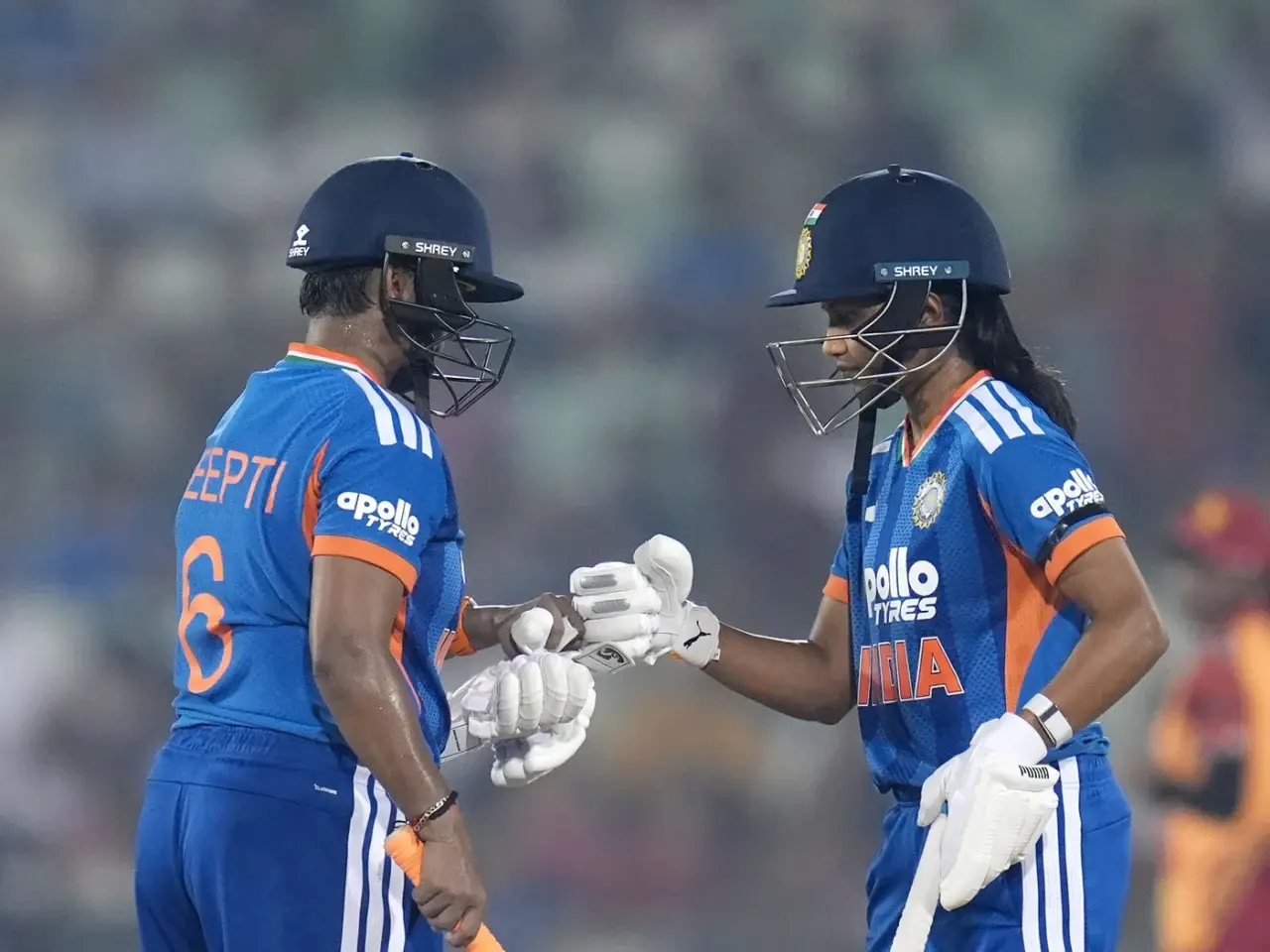
IND-W vs ZIM-W, 1st T20I: Deepti Sharma, Niki Prasad shine as India beat Zimbabwe by four wickets

Not Khan but Pal: Why did Imran Khan choose his mother's surname over his father's? Family tree explained
&imwidth=180&imheight=135&format=webp&quality=medium)
‘My president, I mean my husband’: Trump's new press secretary Katie Zacharia's first briefing goes off the rails in 14 minutes
&imwidth=180&imheight=135&format=webp&quality=medium)
No Ravindra Jadeja, Yashasvi Jaiswal in India’s 2027 ODI World Cup plans: Report
&imwidth=180&imheight=135&format=webp&quality=medium)
Sean ‘Diddy’ Combs transferred to new prison amid reports of special privileges
&imwidth=180&imheight=135&format=webp&quality=medium)
Vijay Deverakonda and Rashmika Mandanna's Ranabaali X Review: Netizens call it history-rich but overstuffed
&imwidth=180&imheight=135&format=webp&quality=medium)
US midterms 2026: Alexandria Ocasio-Cortez donates $1 million to Abdul El-Sayed’s as Michigan race heats up
&imwidth=180&imheight=135&format=webp&quality=medium)
Ramayana Part 1: Sai Pallavi's warrior avatar as Sita steals the spotlight in new BTS footage
&imwidth=180&imheight=135&format=webp&quality=medium)
Abhishek Sharma sets all-time record for most T20I sixes in a year
&imwidth=180&imheight=135&format=webp&quality=medium)
India’s naval priorities: Ex-Navy Chief calls for third aircraft carrier, more warships and submarines
&imwidth=180&imheight=135&format=webp&quality=medium)
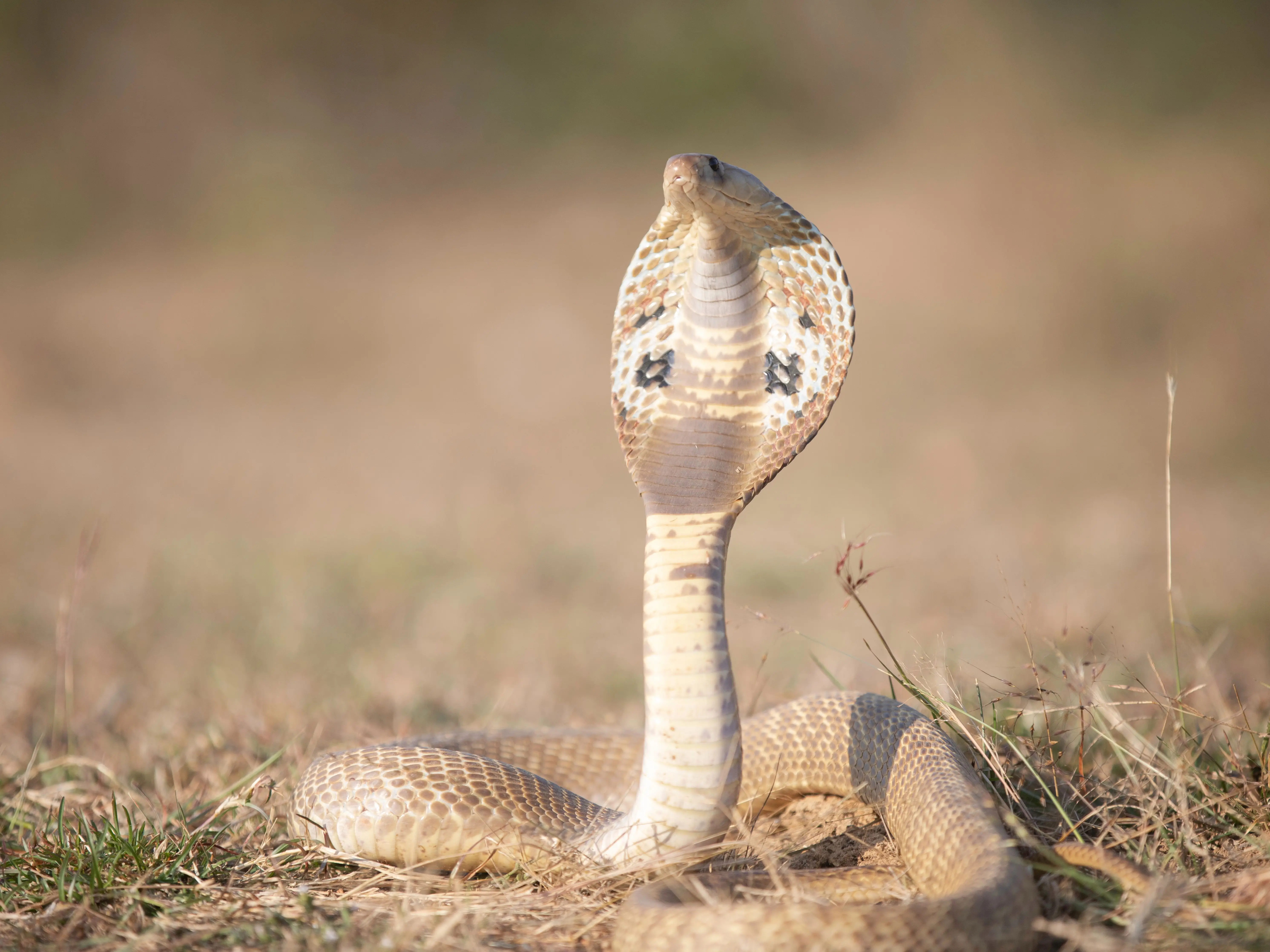
One species, two lineages: Why Sri Lanka’s spectacled cobra differs genetically from Indian variant
&imwidth=180&imheight=135&format=webp&quality=medium)
COVID-19 pandemic led to increase in divorce cases, observes Madras High Court
&imwidth=180&imheight=135&format=webp&quality=medium)
Ukraine drone strike disrupts 22 Russian airports, over 200 flights
&imwidth=180&imheight=135&format=webp&quality=medium)
Oil tanker carrying over 2M barrels of crude hits mine in Strait of Hormuz, catches fire, says Iran
&imwidth=180&imheight=135&format=webp&quality=medium)
US lawmaker Pramila Jaypal writes to Rubio, urges to raise handling of CJP protest with India
&imwidth=180&imheight=135&format=webp&quality=medium)
Gravitas | Iran threatens to hit key bridges in 7 countries if US resumes strikes
The details of the results were quite surprising, “There was no difference between exercise conditions or time points (500 m, 1500 m, and 2500 m).” That means the appearance of a competitor, and any extra effort toward beating them, didn’t change the participant’s perception of time; nor did the steady increase of perceived effort during the entire trial.
The study was small with just 33 participants being included in it, but the research team says a number of their method details and findings are novel, meaning without precedent in the existing research.
This new study, published in the peer-reviewed journal Brain and Behavior, explores the psychology of exercise and its impact on time perception.
The researchers, hailing from both the Netherlands and England, found that even competitive scenarios didn't significantly alter the perception of time during exercise. This suggests athletes might need alternative strategies beyond competition to stay engaged and combat boredom during workouts.
“More work has to be done to further unravel the role of external stimuli, exercise intensity, and duration on the perception of time during exercise,” the researchers conclude.
(With inputs from agencies)