Breakthrough in microbial recycling! Scientists discover microbes that can digest plastics at low temperatures


Plastics
A valuable new tool in recycling has been found. In the latest discovery, scientists have found microbes that can break down and digest plastics at low temperatures.
Several microorganisms that can perform this have already been found, but they usually only work at temperatures above 30 degreeCelsius, which effectively means using them in the industrial sector would be expensive because of the additional heating cost, reported the Guardian.
Scientists from the Swiss Federal Institute WSL have found microbes that digest plastics at 15 degreeCelsius, which could be a scientific leap in microbial recycling. Their findings have been published in the journal Frontiers in Microbiology.

Dr Joel Rüthi from WSL and colleagues sampled 19 strains of bacteria and 15 fungi varieties growing on free-lying or intentionally buried plastic kept in the ground for one year in Greenland, Svalbard and Switzerland, as per the Guardian.
They let the microbes grow as single-strain cultures in the laboratory in the dark at 15 degreeCelsius and tested them to determine if they could digest different types of plastic.
The results showed that the bacterial strains belonged to 13 genera in the phylum actinobacteria and proteobacteria, and the fungi to 10 genera in the phylum ascomycota and mucoromycota.
)
Justice eludes Air India 1985 bombing victims as Canada probe goes 'inactive' | Gravitas
)
Trump revives India-Middle East-Europe economic corridor as India emerges central to West Asia’s future: What is it?
)
Erdogan again raises Kashmir issue at UNGA, calls for dialogue under UN Charter
)
Will Trump-Xi set the tariff benchmark?
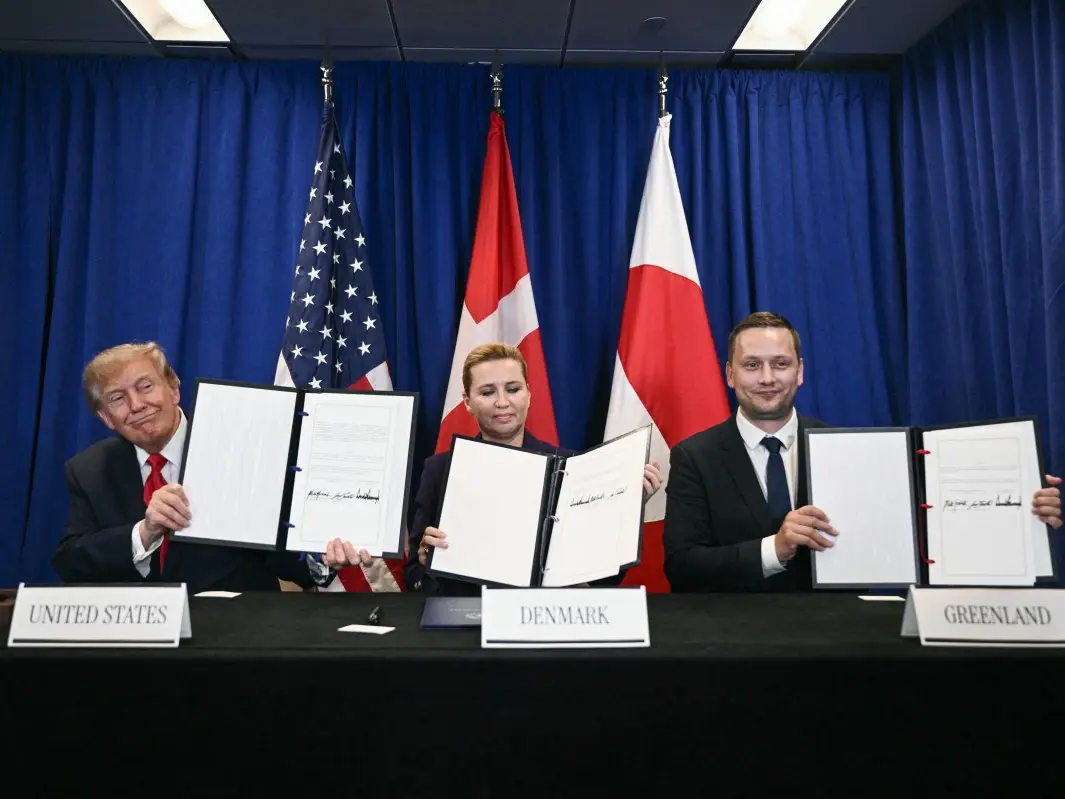)
Trump signs Greenland security deal with Denmark, paving way for two new US military bases
)
IND vs JPN T20I: How an overturned wide became point of difference between India's win and a tie
)
Trump-Xi summit: From trade to Taiwan, what will the US and Chinese presidents discuss in Washington?
)
Cyclone Arnab: Landfall expected before midnight tomorrow as IMD issues orange alerts across six states
)
ICC plans T20I expansion and fewer ODIs in 2027–2031 FTP cycle: Report
)
US-China tech war: Businesses in the front line
)
'Mumma’s boy from Gwalior who dared to dream': Kartik Aaryan pens long note after first National Award win
)
Gravitas | Boosting NHS productivity could save 20,600 lives in UK annually: Report
)
Nor'easter could batter 13 US states this week. What you should know
)
US and China vie for AI dominance as calls grow for regulation | Gravitas
)
Yemen clashes kill 154 people in two days as cornered Saudi battles Houthi offensive | Gravitas
)
Bomb scare in New York amid UNGA: Suspicious suitcase found near UN headquarters
)
IND vs JPN, one-off T20I: Japan captain Kendel on pushing India to the brink - ‘It was special’
)
Raaka creates history! Allu Arjun’s film secures Guinness World Record ahead of release
)
Mikel Arteta verbally agrees to three-year extension with Arsenal after title-winning Premier League season
)
WION Iconic Tourism Summit and Awards 2026: Key voices to discuss India’s tourism future
)
WION Iconic Tourism Summit and Iconic Awards 2026: India's travel economy leaders gather in Delhi
&im=FitAndFill=(700,400))
New OTT releases this week (September 21-27, 2026): Shaque: Trust No One, Hunkkaar, Don’t Be Shy- 5 new titles coming to Netflix, Prime Video and more
)
81st UN General Assembly: Burnham announces UK-US AI defence tie-up
)
Trump calls on nations to quit ‘rogue’ and ‘out-of-control’ International Criminal Court, rips UN
)
Infections transmitted from pregnant woman linked to autism risk
)
'What kind of confession is this?': Pakistan PM Shehbaz Sharif’s 'terrorists would be roaming New York' remark goes viral, raises alarm online. Watch
)
Elephants hide behind trees, stage surprise attack on poachers targeting rhinos in South Africa
)
IIT Bombay professor Suryanarayana Doolla sent on leave amid Sahil Wakode death probe
&im=FitAndFill=(700,400))
National Film Awards 2026: Kartik Aaryan, Mammootty, Yami Gautam, Randeep Hooda and other key winners
)
‘Strike a deal or drive Iran into hell’: Trump issues fresh warning to Tehran at UNGA
)
Anne Hathaway to run in supporting race for Nolan's epic
)
Over 4,200 books withdrawn from circulation in J&K colleges, 94% from Kashmir
)
From Gaddafi tearing up UN Charter to Trump’s ‘escalatorgate’: Most unforgettable UNGA moments
)
Explainer: Why rare-earth export licences and Board of Trade are US priorities ahead of Trump-Xi summit
)
Asia prepares for record El Nino, food shock
)
Oil slips to $98 as Saudi Arabia restarts East-West oil pipeline
)
Four female students raped during 'Red Zone' at California university. What we know
)
'Taiwan and human rights are red lines': China warns US ahead of Xi-Trump visit
The plastics tested included non-biodegradable polyethylene (PE) and the biodegradable polyester-polyurethane (PUR) as well as two commercially available biodegradable blends of polybutylene adipate terephthalate (PBAT) and polylactic acid (PLA).
None of the strains was able to digest PE, even after 126 days of incubation on these plastics. But 19 strains (56 per cent), including 11 fungi and eight bacteria, were able to digest PUR at 15 degreeCelsius, while 14 fungi and three bacteria were able to digest the plastic blends of PBAT and PLA.
“Here we show that novel microbial taxa obtained from the ‘plastisphere’ of alpine and arctic soils were able to break down biodegradable plastics at 15C. These organisms could help to reduce the costs and environmental burden of an enzymatic recycling process for plastic.” Dr Rüthi told the Guardian.
He said it was astonishing that a large fraction of the tested strains were able to degrade at least one of the tested plastics.
Additionally, Dr Beat Frey, one of the study authors, explained to the Guardian, “Microbes have been shown to produce a wide variety of polymer-degrading enzymes involved in the breakdown of plant cell walls. In particular, plant-pathogenic fungi are often reported to biodegrade polyesters, because of their ability to produce cutinases, which target plastic polymers due to their resemblance to the plant polymer cutin.”
WATCH WION LIVE HERE: