Antarctic sea ice registers record shrinking, new data shows

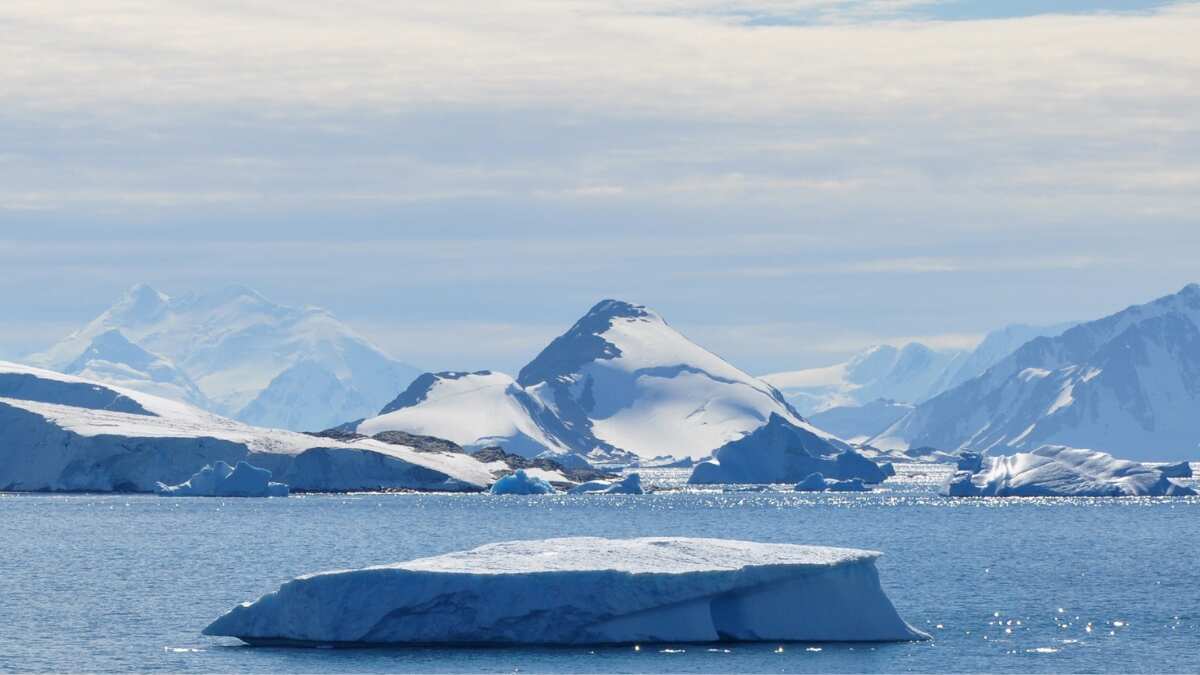
Antarctic sea ice
Antarctic sea ice continues to register a fall amid global warming. The A new report suggest that it likely shrunk to a record low last week, falling to its lowest extent in the 45 years of satellite record-keeping. According to the National Snow and Ice Data Center (NSIDC) at the University of Colorado Boulder, Antarctica's sea ice fell to 1.79 million square kilometres (691,000 million square miles) on February 21, exceeding the previous record low by 136,000 square kilometers (52,500 square miles) set in 2022.
However, the scientists say that this is not the final figure as the ice is expected to melt further in the season. A final figure on the sea ice melt will likely be released by early March.
What is sea ice?

Sea ice is simply is the result of freezing seawater and floats on the ocean's surface due to its density. It basically works to keep the climate cool. However, as global temperatures rise, sea ice is also at risk of melting. Once it melts, its effectiveness in cooling the region also decreases. When sea ice melts, it exposes the thicker ice shelves covering Antarctica's ground ice sheet to waves and warmer temperatures. This increases the risk of ground ice sheet melting.
Also Read |Sea-ice records new low as scientists fear collapse of WAIS
However, melting sea ice has no real impact on sea levels on its own since the ice is already in ocean water. But since it surrounds Antarctica's massive ice shelves, its melting threatens catastrophic sea level rise over centuries.
)
Samay Raina-Mukesh Chhabra controversy explained: What happened over girlfriend joke on India's Got Latent?
)
Putin's United Russia party wins 355 seats in Duma election; 4 other parties cross threshold to enter parliament
)
Asian Games: Indian women's hockey team thrash Indonesia 17-1, blasts 36 goals in 2 matches
)
FIFA chief Infantino wants to reform governing body with consultation from federations
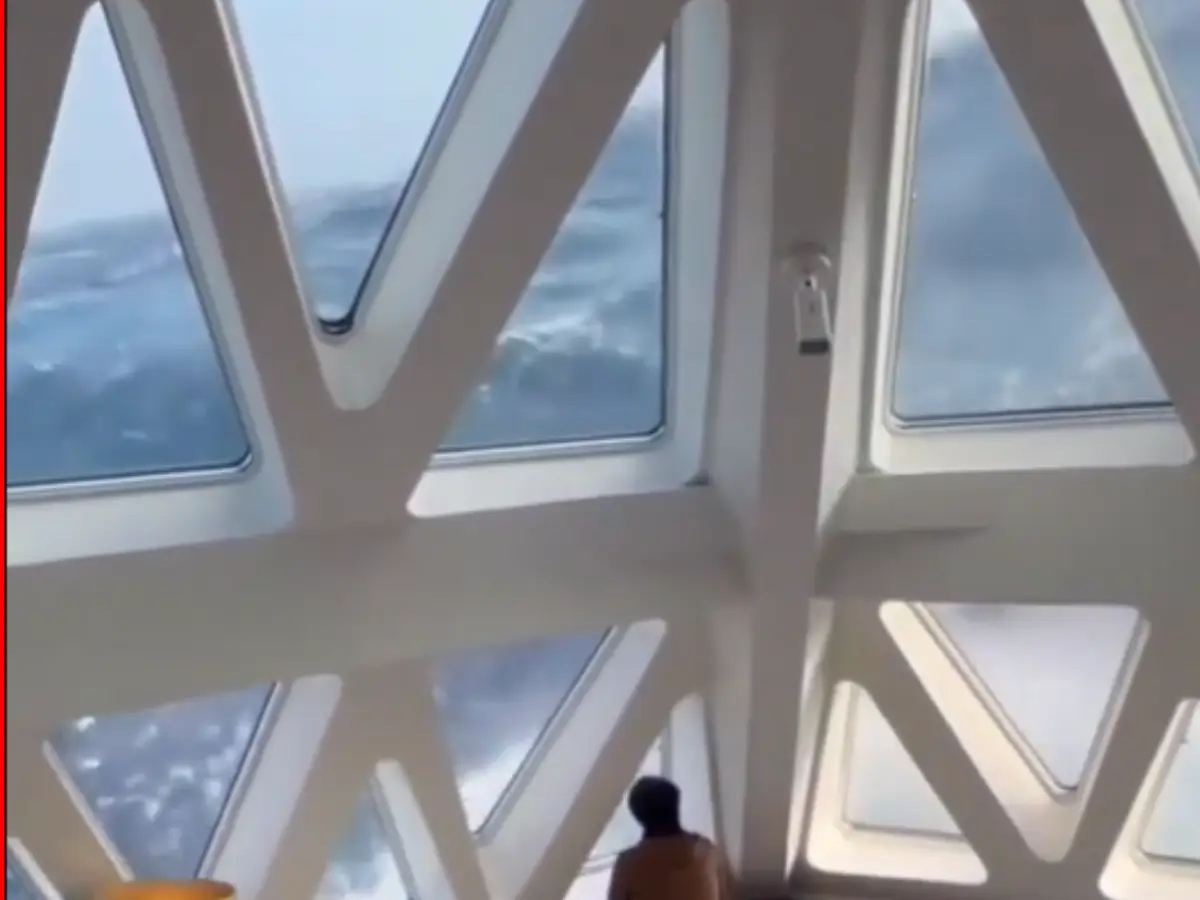)
40-foot waves crash into cruise ship in dangerous stretch near Antarctica. Watch
)
Four decades after leaving Kolkata, the Birlas may be coming back for more
)
Explainer: Why rare-earth export licences and Board of Trade are US priorities ahead of Trump-Xi summit
)
Saudi Arabia exits China-led mBridge digital currency platform amid Saudi-Houthi conflict
&im=FitAndFill=(700,400))
New OTT releases this week (September 21-27, 2026): Shaque: Trust No One, Hunkkaar, Don’t Be Shy- 5 new titles coming to Netflix, Prime Video and more
)
Microsoft executive called AI training the ‘largest theft of labour in human history’
)
UK PM Burnham agrees to 'defensive' military support for Saudi Arabia against Houthis
)
J&K Assembly Session begins amid chaos: BJP, ruling alliance clash as statehood demand dominates
)
The Scandal: Why so scandalous? Ji Chang Wook leaves you gasping for air
)
IIT Bombay tensions ease after three-hour open house; director’s assurances pacify students
)
US and China vie for AI dominance as calls grow for regulation | Gravitas
)
Taylor Swift has a 'proud wife' moment as Travis Kelce scores first touchdown of season: 'That’s my husband!'
)
Samsung raises Galaxy S26 prices by Rs 20,000: Here’s what each model now costs
)
Pilot recreates Mona Lisa in sky over Oklahoma and Arkansas in four-hour flight: VIDEO
)
Bessent meets China’s He Lifeng to prepare for Trump-Xi summit
)
Iranian airlines to shut worldwide on Sept 23, Bessent warns of US banking ban
)
Glitch in the matrix caught on camera: Woman vanishes after talking to reporter
)
US-Iran war, peace deals and more: What to expect from Trump's UNGA 2026 speech
)
From ‘communist’ to ‘great mayor’: Trump praises Mamdani after New York meeting, discusses immigration and housing
)
Russia-Ukraine war: Russian strikes knock out three of Ukraine's largest steel plants
)
North Korea's nuclear tests triggered 1,399 earthquakes: Earth is still shaking | Gravitas
)
'Lot of things to learn from experienced players': Jayasuriya backs Rohit, Virat for 2027 ODI World Cup
)
BTS fans mock iHeartRadio’s day 2 turnout after short set controversy
)
China expels top generals Zhang Youxia, Liu Zhenli over ‘disloyalty’, corruption
)
Trump says Russia has ‘lost control’ of its diesel industry, calls for end to ‘ridiculous, never-ending’ war
)
‘0% chance’: Nvidia CEO Jensen Huang dismisses AI extinction fears by 2030
)
Trump's helipad event overshadowed by audio failure as major TV networks suspend pool coverage
)
White House TV pool halts Trump coverage after CNN barred from UNGA events
)
Jailer 2: Vidya Balan joins Rajinikanth's upcoming film as Kantha | Watch
)
8,000 bees worth over $20,000 stolen from hives in Queensland
)
The Verdict | The Mecca Agreement is under scrutiny as Houthis attack Saudis
)
Mahabharat actor Saurav Gurjar arrested in Hyderabad, sent to 14-day judicial custody in sexual exploitation case
)
WATCH | Mysterious lights over Tehran caught on video. Drone, aircraft or something else?
)
Delhi Air pollution: Strict crackdown on waste burning
"Antarctica's response to climate change has been different from the Arctic's," said Ted Scambos, a senior research scientist at the Cooperative Institute for Research in the Environmental Sciences (CIRES) told AFP.
"The downward trend in sea ice may be a signal that global warming is finally affecting the floating ice around Antarctica, but it will take several more years to be confident of it," Scambos said.
The Antarctic sea ice cycle not only thaws and freezes, but it also undergoes significant annual variations. It is very dynamic and is affected by winds, currents and fluctuation in temperature, leading to a wide variety of ice types and features. The sea ice in Antarctica has not experienced the rapid melting of the past four decades affecting the ice sheets of Greenland and the Arctic due to global warming.
But the high melt rate since 2016 points to the fact that a significant downward trend may be taking hold. Melting of the sea ice is problematic because it helps accelerate global warming.
(With inputs from agencies)
WATCH WION LIVE HERE
You can now write for wionews.com and be a part of the community. Share your stories and opinions with us here.

