After nerve-wracking silence, NASA finally hears 'heartbeat' of Voyager 2

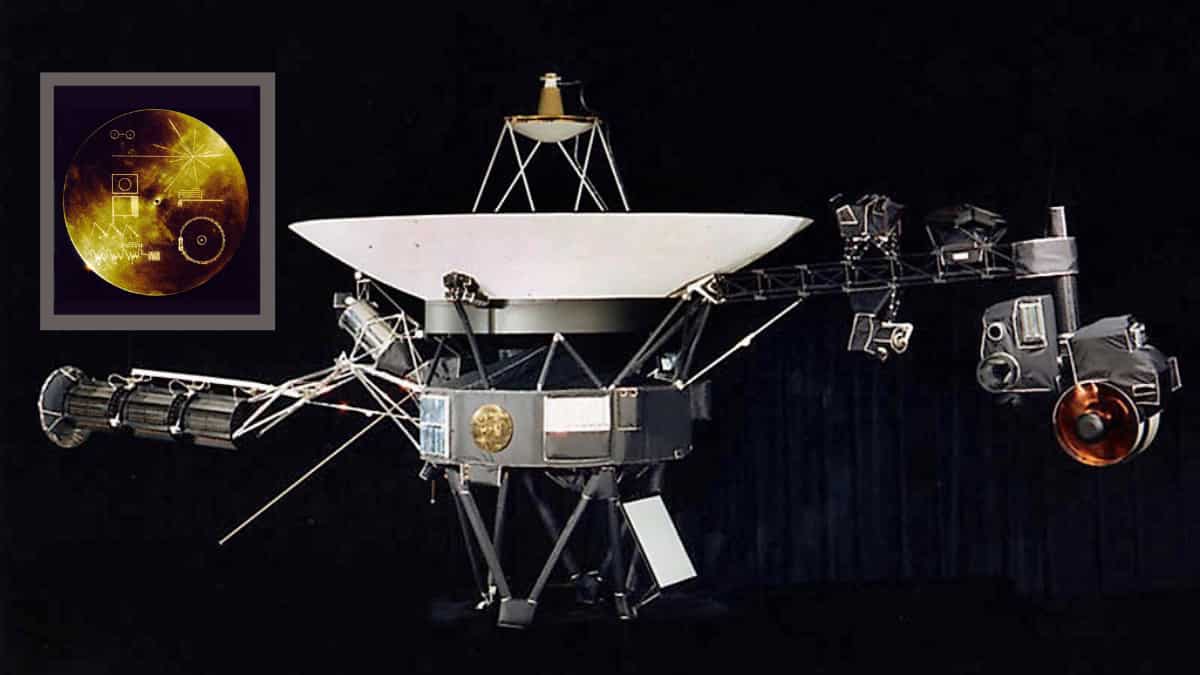
Voyager 2
Amidst fears that the Voyager 2 is lost forever, NASA, after days of nerve-wracking silence, has finally heard a "heartbeat signal" from the almost five-decades-old space probe.
Just two weeks back, flight controllers accidentally sent a wrong command that tiltedthe spacecraft's antenna away from the Earth and severed contact. This situation, as per the news agency AFP, was not expected to be resolved until the spacecraft conducted an automated re-orientation manoeuvre on October 15.
Everything can change in a "heartbeat"

As the space agency actively searched for any stray signals from Voyager 2, NASA's Deep Space Network, which is an international array of giant radio antennas, picked up a "heartbeat signal," that signals that the 46-year-old spacecraft is operating and is well, project manager Suzanne Dodd told AFP.
The last-ditch effort to establish contact "was successful in that we see the 'heartbeat' signal from the spacecraft," said Dodd, adding "So we know the spacecraft is alive and operating. This buoyed our spirits."
)
No Pandya as Auqib Nabi earns maiden ODI call-up; Mayank returns for WI T20Is| check full squads
)
Sydney Sweeney defends provocative ad choice, the internet is still not impressed
)
War will be ‘completely different and very short’ if Europe attacks Russia, warns Lavrov
)
Shahzad Bhatti Network declared terrorist organisation under UAPA: Govt order
)
US, China dominate global economy: Where does India rank among the world's biggest economies?
)
Finnish president Stubb calls Trump 'good for NATO' as allies increase defense expenditure
)
Bigg Boss 20: Mahhi Vij reveals she lost Yuva role to Kareena Kapoor; 'didn’t work out in my favour'
)
Alex Saab, ally of Venezuela's Maduro, pleads guilty in US corruption case
)
Indonesia wildfires: Over 12.5 million people exposed to poison haze
)
Lionel Messi for 2026 Ballon d’Or over Mbappe and Yamal, says Diego Simeone
)
Who was Eliana Moreno? NBC LA aerial reporter killed in Chatsworth crash
)
Trump backs PM Modi’s anti-opium push even as India remains on US illicit drug-producing list
)
At least 20 killed after war-damaged apartment building collapses in Gaza; rescuers search for survivors
)
Pakistan naval vessel returns to harbour with 'severe damage' after collision with Indian warship in Arabian Sea
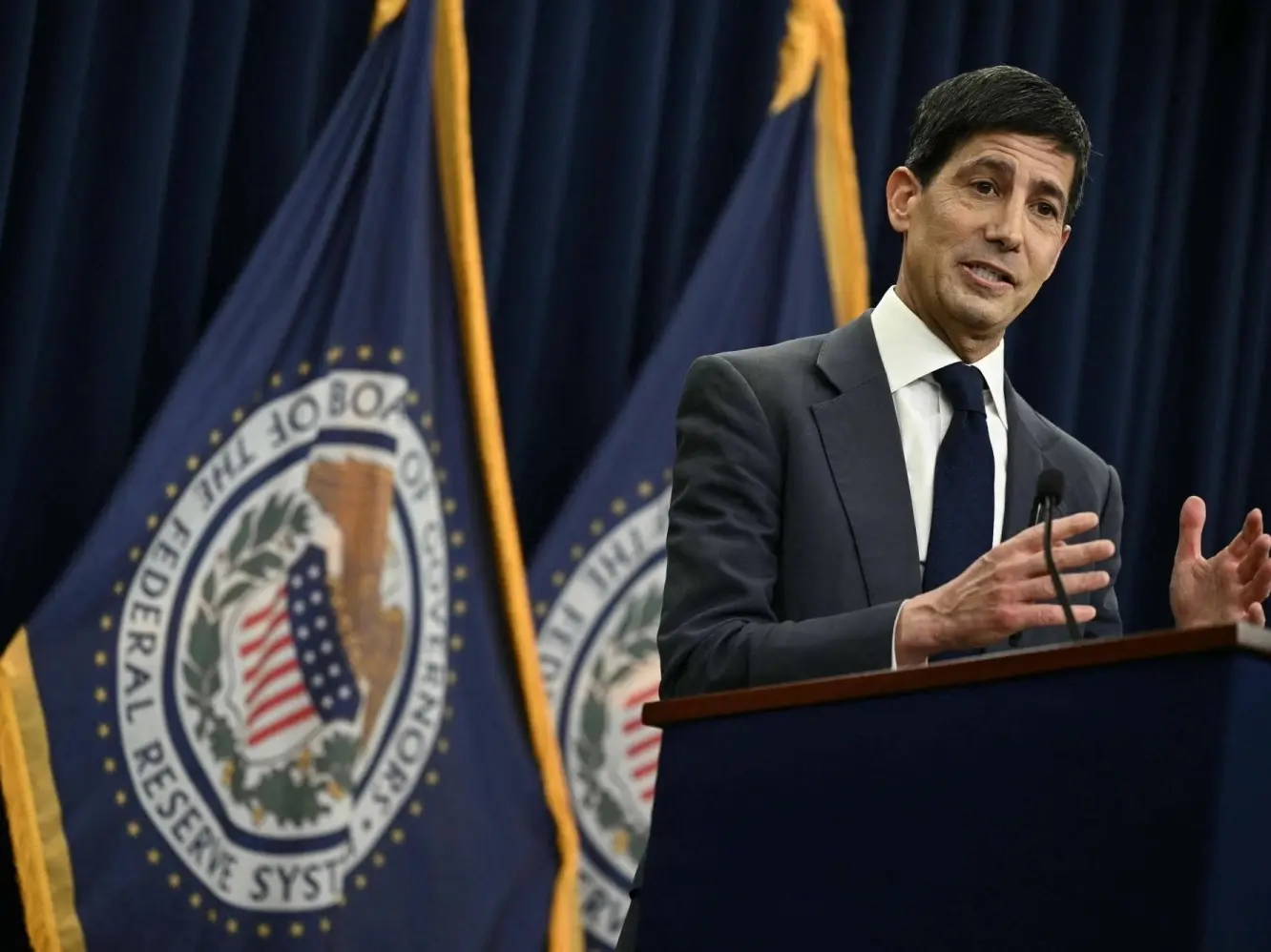)
Fed raises rates for first time in 3 years, Kevin Warsh defies Trump as inflation mounts
)
What is Article 10 of the 1991 treaty at the centre of Pakistan Navy's 'unprofessional conduct'
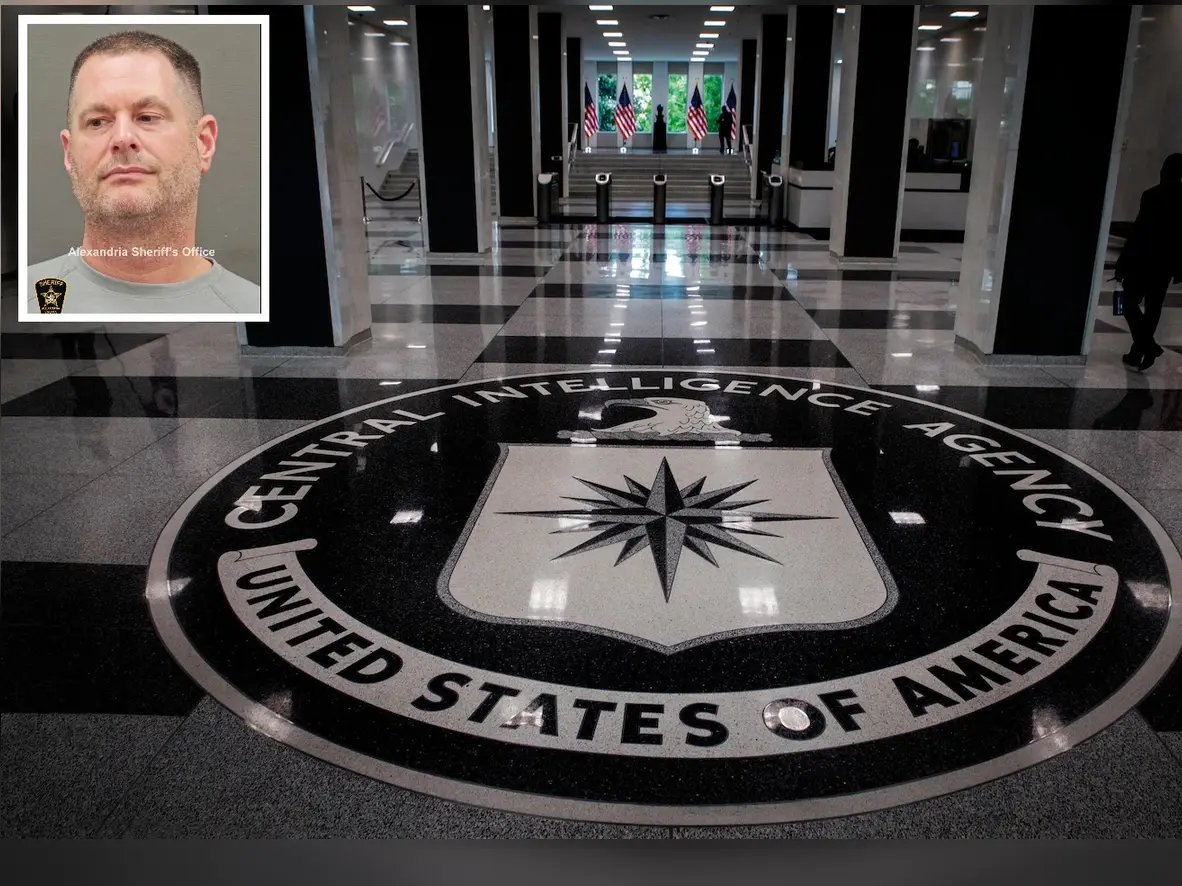)
Ex-CIA officer caught with gold bars worth $40 million seeks plea deal | Gravitas
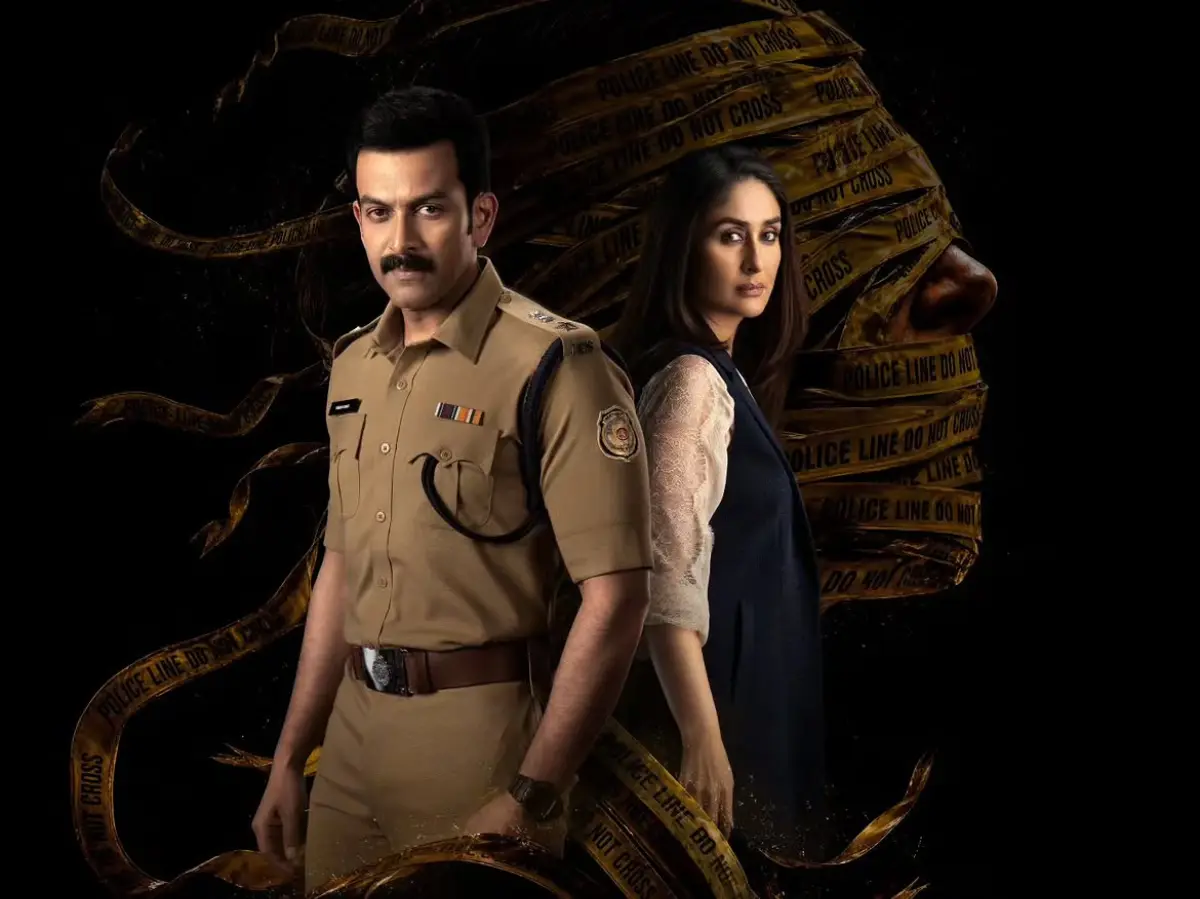)
Daayra movie review: Kareena Kapoor, Prithviraj Sukumaran shine in Meghna Gulzar’s cop-versus-cop crime thriller
)
Gurugram biker hit-and-run case: Accused Kalyan Bainsla, cousin sent to 2-day police custody
)
Pakistan: Imran Khan's sons Kasim & Sulaiman claim their father is 'tortured' in jail
)
Trump's Iran war faces fresh House rebuke; 7 Republicans join Democrats in push to end conflict ahead of midterms
)
PNS Hunain: All you need to know about Pakistani vessel that hit Indian Navy warship
&im=FitAndFill=(700,400))
New OTT releases this week (September 14-20, 2026): Lust Stories 3, Waiting Hai, Irumudi- 5 new titles coming on Netflix, Prime Video and more
)
‘There’s no Pak-China boundary’: India rejects ‘so-called’ boundary joint commission, tells Islamabad to stop ‘theatrics’
)
Riyadh warns of ‘red line’ after Mecca targeted; Houthis claim downing Saudi fighter jet – What’s happening?
&im=FitAndFill=(700,400))
Suriya and Jyothika say ‘I do’ again after 20 years! See their dreamy wedding pics
)
Abhishek Sharma rises to No. 2 in T20Is; ENG’s Robinson 3rd after record Pakistan Tests
)
Extreme warming in Indian Ocean added 695 billion tons of ice to Antarctica ice sheet
)
BRICS success stuns White House, Trump targets India with 100% tariff | Gravitas
)
Meghan Markle's phone number leaked from children's WhatsApp group, couple switches Archie and Lilibet's school
)
The Early Spring season 2 is happening, but fans have one request - 'don't change the actors'
She said that the team is "now generating a new command to attempt to point the spacecraft antenna towards Earth."
However, as per her,there is only a "low probability" it will work, but given that the automated re-orientation manoeuvre is months away, the NASA team will continue its attempts to rectify the situation.
Voyager 2 and human history
The probe was launched in 1977 to explore the outer planets and serve as a beacon of humanity to life "out there". Its current position, as per AFP, is "well beyond our solar system" at more than 12.3 billion miles or 19.9 kilometres from Earth.
Before leaving our solar system, Voyager 2 explored Jupiter and Saturn and also achieved the feat of becoming the only spacecraft (so far) to visit Uranus and Neptune.
The spacecraft and its predecessor, the Voyager 1 — which was humankind's first spacecraft to enter the interstellar medium and is currently some 15 billion miles from Earth — carry "Golden Records", which convey humanity's story to the extraterrestrial world.
Both aircraft carry 12-inch, gold-plated copper disks which have on them encoded images of life on Earth, and music and sounds that can be played using an included stylus.
Alongside this, they carry a map of our solar system, a piece of uranium that serves as a radioactive clock allowing recipients to date the spaceship's launch, and symbolic instructions that convey how to play the record.
(With inputs from agencies)
WATCH WION LIVE HERE
You can now write for wionews.com and be a part of the community. Share your stories and opinions with us here.

