
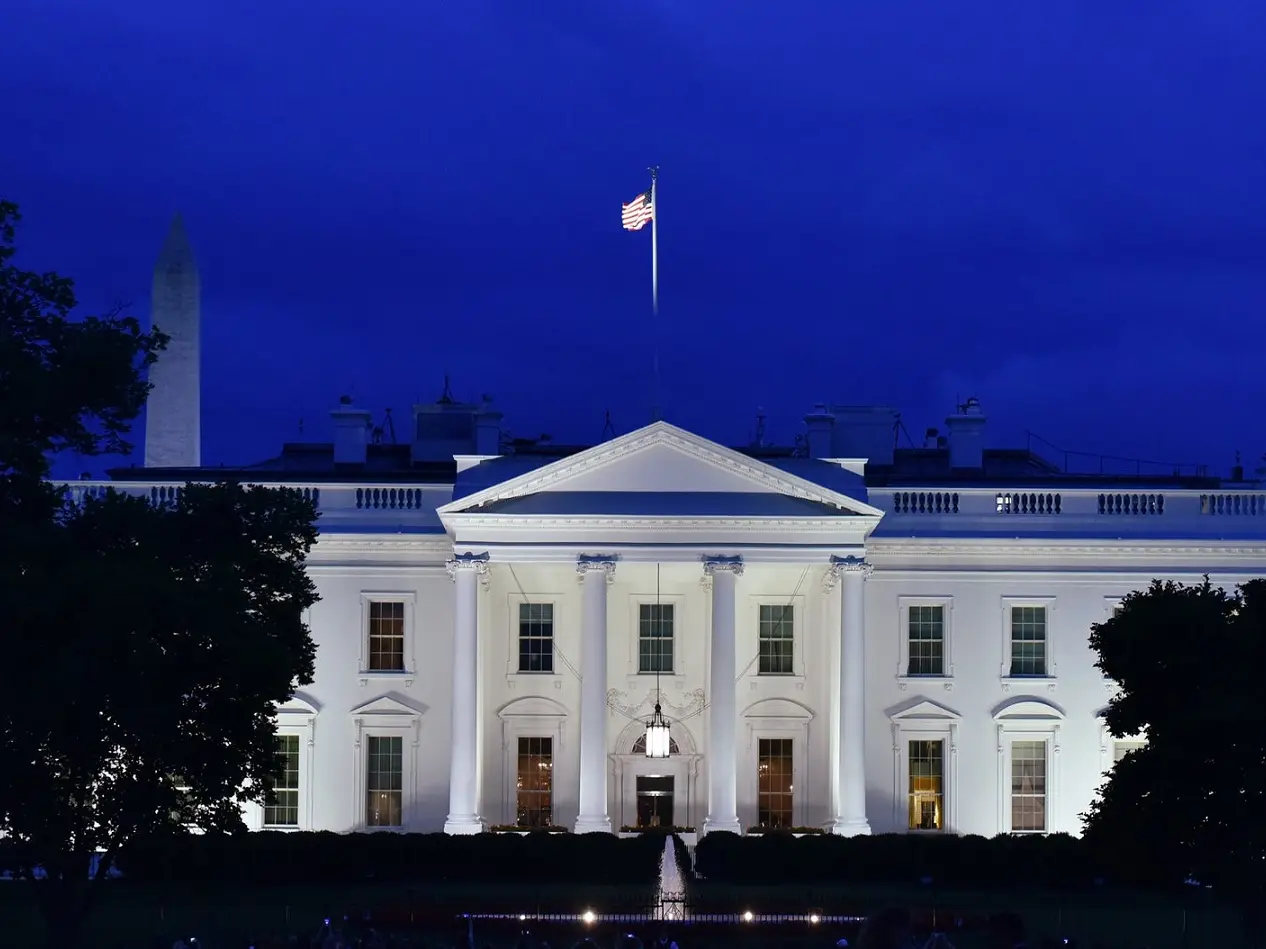
&imwidth=800&imheight=600&format=webp&quality=medium "BRICS success stuns White House, Trump targets India with 100% tariff | Gravitas")
Amid deepening of ties between India and Russia, more American tariffs loom large...
The US House of Representatives has now advanced a key legislation which will come up for a final vote on Wednesday US time.
If cleared, countries like India and China can face US tariffs up to a staggering 100%.

This bill, known as the Lindsey Graham Sanctioning Russia and Iran Act, was passed by the US Senate in August.
It allows US President Donald Trump to impose up to 100% tariffs on countries under two scenarios.
First, the country should have made new purchases of oil or natural gas from Russia, and be among their five largest importers in the last 12 months.
Trending Stories
)
‘Kill all in the name of...’: FBI arrests 21-year-old over alleged ISIS-inspired mass-casualty attack plot
)
Space mines, lasers & robotic arms: Lt Gen Pannu decodes US disclosure of weapons in space
)
Bitter Zelensky snubs Trump for playing politics with Ukraine war | Gravitas
)
US fires up to 70 interceptors against Iran attack on Jordan, putting supplies under pressure
)
India’s imports from Russia jump 57% in five months; China remains top import source
)
‘US military task force aiding Saudi Arabia forces with intel, planning support’: Official
)
OpenAI boss Sam Altman repeats AI 'slow down' call, says world 'right to be afraid'
)
Top military commanders from US, Israel, and 7 Arab nations held secret meeting on Iran War
)
Sydney Sweeney defends provocative ad choice, the internet is still not impressed
)
India to host IPL 2027 auction; WPL 2027 auction set for late October in Kochi
)
Shahzad Bhatti Network declared terrorist organisation under UAPA: Govt order
)
'Definitely feel bad for yourself': Kuldeep Yadav opens up on India Test snubs
)
US, China dominate global economy: Where does India rank among the world's biggest economies?
)
Ex-India all-rounder Yuvraj Singh wants India to avoid 'massive changes' before ODI World Cup 2027
)
Ed Sheeran’s US tour loses all support acts after Macklemore’s removal | Controversy explained
)
Ex-England footballer Raheem Sterling pleads guilty in reckless driving and crashing his Lamborghini
)
China's property crisis deepens as investment plunges nearly 20%
)
Messi set to play in farewell match on October 6 in Argentina vs Benin friendly
)
Who was Eliana Moreno? NBC LA aerial reporter killed in Chatsworth crash
)
Putin-linked Russian oligarch, Melania links: Why Trump skipped his son’s Bahamas wedding bash?
)
800 million years old - Scientists discover 'fingerprints' of supercontinent Gondwana in ancient rocks
)
Trump's name cannot return to Kennedy Center, US judge rules
)
Pakistan naval vessel returns to harbour with 'severe damage' after collision with Indian warship in Arabian Sea
)
Water equivalent to two Pacific Oceans could be stashed 2,900 km inside Earth
)
Ex-CIA officer caught with gold bars worth $40 million seeks plea deal | Gravitas
&im=FitAndFill=(700,400))
New OTT releases this week (September 14-20, 2026): Lust Stories 3, Waiting Hai, Irumudi- 5 new titles coming on Netflix, Prime Video and more
)
Trump's Iran war faces fresh House rebuke; 7 Republicans join Democrats in push to end conflict ahead of midterms
)
US Treasury yields cross 5% as Scott Bessent warns of ‘global issues’ impacting bonds
)
Who is Kalyan Bainsla, accused in the Gurugram hit-and-run case involving woman biker?
)
Saudi Arabia discovers 110 million tonnes of Uranium-rich ore in Madinah region
)
'Now Trump is copying us': Shivakumar links US $5,000 plan to Congress guarantees
)
Los Angeles helicopter crash: At least three dead, several injured; NTSB to investigate
)
West Bengal IPS officer Bushra Bano transferred after objections to ‘Assalamualaikum’, ‘Inshallah’
)
India summons top Pakistan diplomat after Pak Navy ship collides with Indian warship at high seas
)
Saudi Arabia accuses Houthis of drone attack on Mecca, first-ever red alert in Islam's holiest site sparks panic
)
'Like a thug you are using agency to go after..': Kash Patel grilled by Senate Democrats over FBI firings, journalist investigations and hiring policy
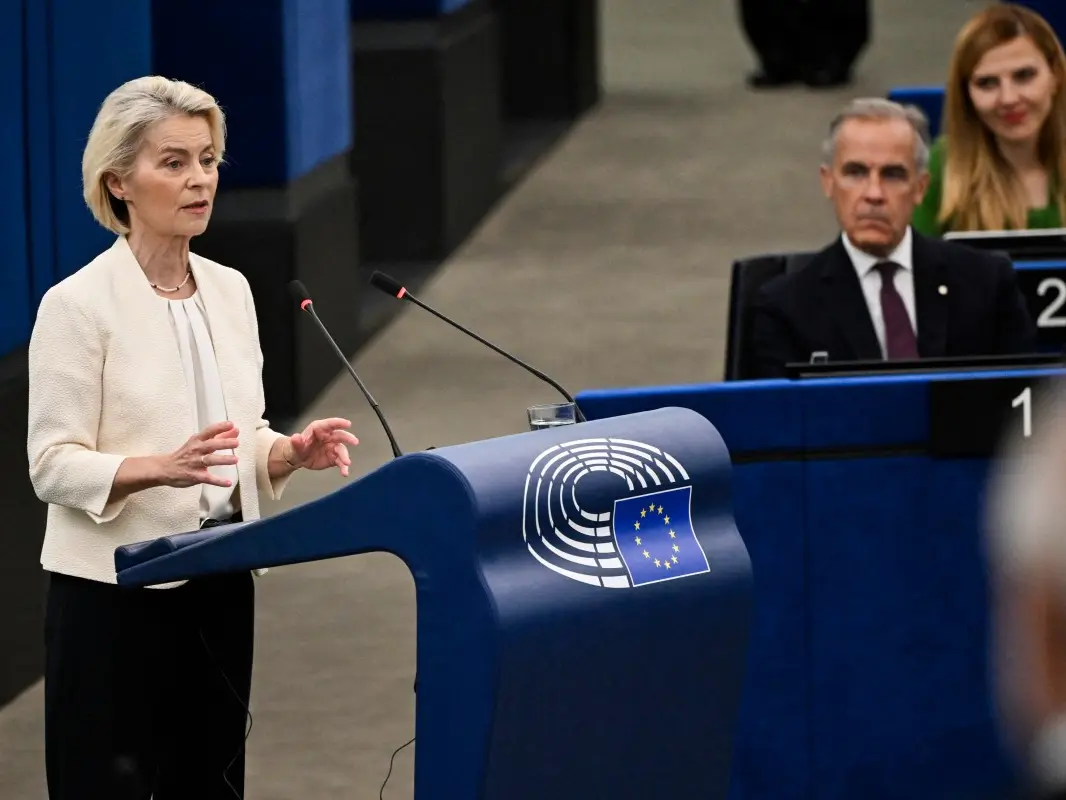)
Canada to become EU’s first ‘associate member’? Von der Leyen proposes move amid US tensions
Alternatively, it applies to the top five countries facilitating Russian oil sanctions evasion in the last 12 months.
As China remains the largest importer of Russian crude oil, followed by India, they are likely to be impacted by this...
But, a key question arises...
Will this bill be used to leverage US interests during trade talks with countries like China and India?
It is worth noting that Xi is set to meet Trump on September 24.
Opposing this bill though, Democrats warned that enhanced tariffs would drive up gas and food prices in US, adding to the woes of American households.
However, the resolution to advance the bill was approved by a 214 to 211 vote with two democratic lawmakers voting in favour of the legislation.
Now, Trump's push for tariffs is not new.
In August last year, US initially imposed a 25% tariff on the import of Indian goods before raising it to 50% over purchase of Russian oil.
In February this year, Trump reduced the tariff to 18% after both countries reached a framework for an interim trade agreement.
But after the US Supreme Court struck down Trump's sweeping global tariffs, India is subject to a 10% tariff rate.
Now, Russia became a major alternative source of crude oil for India owing to disruption of energy supplies from West Asia due to the war.
In July, Russia accounted for over half of India's share of crude oil imports.
Russian imports were up more than 62% as compared a year ago.
In August though, Russian oil imports fell by 26%.
America's move also assumes significance, as it comes just days after India, Russia, China and other key countries of the Global South reaffirmed their unity at the BRICS Summit.
The bonhomie between PM Modi and Russian President Vladimir Putin was on display yet again.
The two leaders reviewed progress in multiple areas including economy, defence, energy, space, skill mobility and people-to-people exchanges.
Additionally, they also shared perspectives on the situation in West Asia as well as Black Sea, where multiple Indian seafarers have lost their lives due to the ongoing Iran and Russia-Ukraine wars.
While agreeing to strengthen the strategic partnership between the two countries, PM Modi reiterated the role of diplomacy in resolving conflicts and expressed India's willingness to assist in peace efforts.
While the bill is yet to become a law, the question for India remains — How much Russian oil can it continue to buy without triggering US pressure over the pending trade agreement....