

&imwidth=800&imheight=600&format=webp&quality=medium "Words of victory, plans for war: The dangerous contradiction over Iran | Race to Power")
Every side is talking about how the Iran war ends. Almost everything they are doing suggests they are preparing for it to continue. President Donald Trump says the fighting could end “immediately after” America's November midterm elections. Israeli Prime Minister Benjamin Netanyahu says Iran and its regional axis are approaching collapse.
Yet the battlefield is sending a very different message.
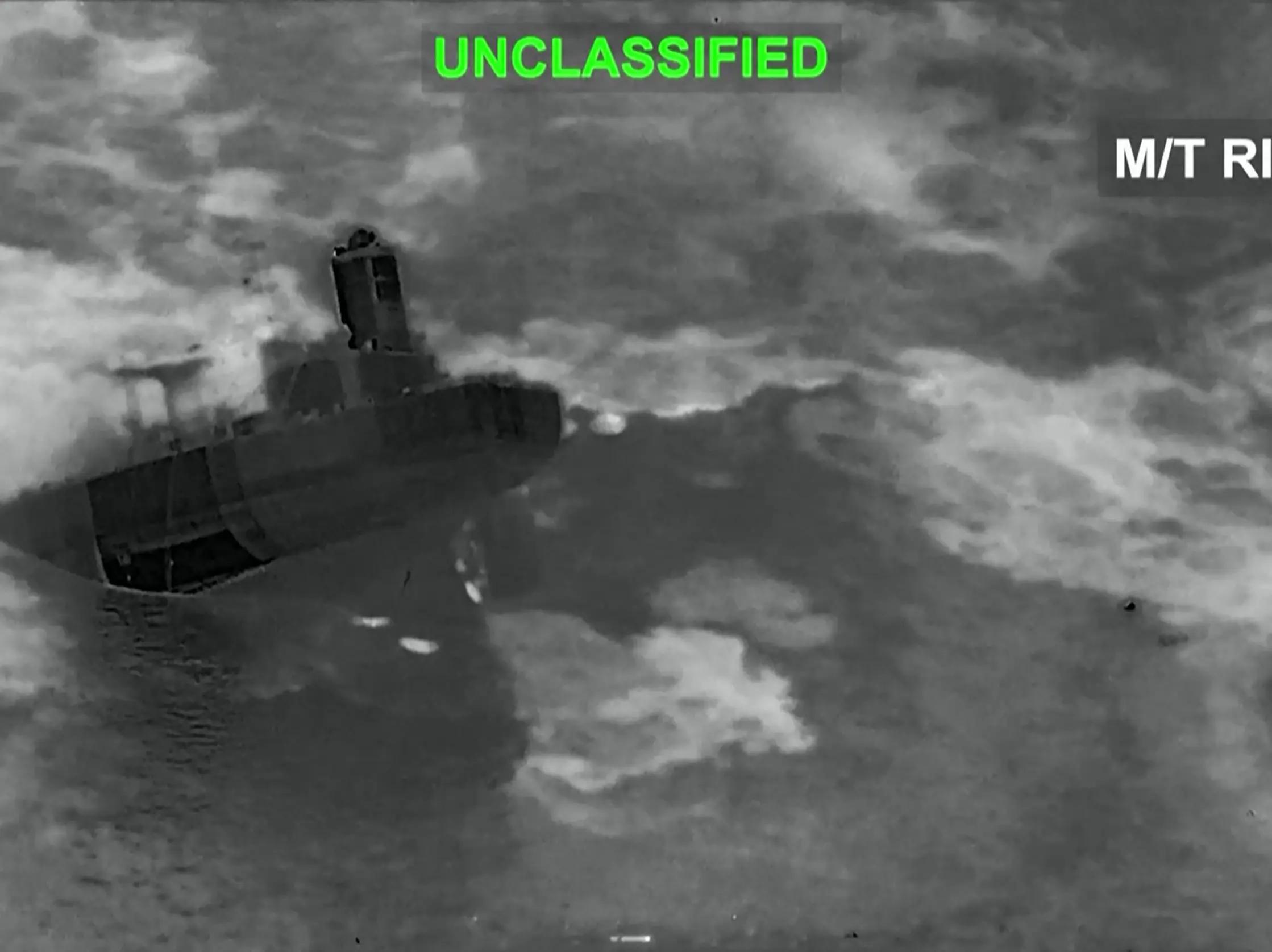
Iran is still resisting. The Houthis remain capable of opening another front of pressure around vital shipping routes. Hezbollah, while badly weakened, has not disappeared. And Washington is now warning Tehran over reported activity at Pickaxe Mountain, raising the possibility of another major strike even as Trump predicts the conflict is approaching its conclusion.
The contradiction is becoming increasingly difficult to ignore.
Netanyahu has offered one of the most confident assessments yet of where the war is heading, declaring that defeating the Iranian regime is now within reach and predicting that Tehran's wider axis will ultimately collapse.
There is evidence behind some of Israel's confidence.
Trending Stories
&imwidth=180&imheight=135&format=webp&quality=medium)
IND-W vs ZIM-W, 2nd ODI: Harmanpreet Kaur, Vaishnavi Sharma star in India's 121-run win
&im=FitAndFill=(700,400)&imwidth=180&imheight=135&format=webp&quality=medium)
What is the real meaning behind Pete Hegseth's tattoos?
&imwidth=180&imheight=135&format=webp&quality=medium)
Telangana unveils AI avatar of IT minister D Sridhar Babu at Hyderabad DevFest 2026
&imwidth=180&imheight=135&format=webp&quality=medium)
'This is humiliation': Vijay Deverakonda under fire over controversial marriage proposal remark on Koffee With Karan 9
&imwidth=180&imheight=135&format=webp&quality=medium)
Pahalgam, Gulmarg record season’s first sub-zero temperatures as winter chill intensifies in Kashmir
&imwidth=180&imheight=135&format=webp&quality=medium)
Govinda breaks silence on divorce rumours with Sunita Ahuja, calls her his first love
&imwidth=180&imheight=135&format=webp&quality=medium)
Indian embassy warns nationals in Saudi Arabia against filming missile strikes
&imwidth=180&imheight=135&format=webp&quality=medium)
Can Putin cheat death? All about his daughter’s billion-dollar quest for immortality
&imwidth=180&imheight=135&format=webp&quality=medium)
Saudi says debris fell in Mecca, Medina after missile interceptions; Houthis deny targeting holy cities
&imwidth=180&imheight=135&format=webp&quality=medium)
Netanyahu warns Israelis of ‘existential threat’ from Iran, posts AI image of nuclear strike
&imwidth=180&imheight=135&format=webp&quality=medium)
Trump revives ‘shithouse countries’ slur, targets Abdul El-Sayed and Ilhan Omar at Georgia rally
&imwidth=180&imheight=135&format=webp&quality=medium)
Pakistan airline PIA unveils new crew uniforms, faces online criticism
&imwidth=180&imheight=135&format=webp&quality=medium)
Kerala judge's 17-year-old son allegedly driving Mercedes kills scooter rider
&imwidth=180&imheight=135&format=webp&quality=medium)
'Already tired of his 9-to-5': Baby born with a moustache becomes internet sensation, video goes viral | Watch
&imwidth=180&imheight=135&format=webp&quality=medium)
Bigg Boss 20: Rohit Shetty indirectly reacts to firing at his Mumbai home
&imwidth=180&imheight=135&format=webp&quality=medium)
Tiger Shroff’s team calls report on actor’s reaction to Mumbai attack ‘completely untrue’
&imwidth=180&imheight=135&format=webp&quality=medium)
Horrific video shows the moment 18-year-old fell to her death from Mexico amusement park ride
&imwidth=180&imheight=135&format=webp&quality=medium)
Russia-Ukraine drone attacks kill 6, injure 31 across both countries
&imwidth=180&imheight=135&format=webp&quality=medium)
'I promised Gautam & Kotak Sir that...': Tilak Varma opens up on match-winning mindset against NZ
&imwidth=180&imheight=135&format=webp&quality=medium)
‘Saddam Hussein opened a cheesecake factory’: Obama mocks Trump’s White House renovations; defends Abdul El-Sayed
&imwidth=180&imheight=135&format=webp&quality=medium)
Anthropic's leaked AI bill would act only at 50 deaths or $1bn in harm
&imwidth=180&imheight=135&format=webp&quality=medium)
China's dancing robot turns violent bodyguard, lifts cars and fights intruders - Watch
&im=FitAndFill=(700,400)&imwidth=180&imheight=135&format=webp&quality=medium)
Why do some fighter jets have two engines while others use one?
&imwidth=180&imheight=135&format=webp&quality=medium)
Byeon Woo Seok makes first public appearance as Sung Jin Woo for Solo Leveling at Netflix Korea’s 10th anniversary event
&im=FitAndFill=(700,400)&imwidth=180&imheight=135&format=webp&quality=medium)
New Friday OTT releases (October 23, 2026): Gajab Raat, Dorothy, Chaar Yaar- Watch these 6 new movies and TV shows on Netflix, Prime Video and more
&imwidth=180&imheight=135&format=webp&quality=medium)
'Clear overkill': Putin rejects claims Russia is behind mass protests in Europe
&imwidth=180&imheight=135&format=webp&quality=medium)
'If it was up to me, it wouldn't have ended like this': James Anderson opens up on Lancashire exit
&imwidth=180&imheight=135&format=webp&quality=medium)
‘Do I make a deal or finish them off’: What Trump said on resuming Iran strikes
&imwidth=180&imheight=135&format=webp&quality=medium)
Javed Akhtar backs Rashmika Mandanna after Koffee With Karan 9 accent trolling, calls out ‘linguistic superiority’
&imwidth=180&imheight=135&format=webp&quality=medium)
WATCH | Langur walks into Odisha repair shop, hugs shopkeeper; internet reacts to heartwarming video
&imwidth=180&imheight=135&format=webp&quality=medium)
Nagpur man fails to pay rent, allegedly prints fake Rs 500 notes worth Rs 37 lakh
&imwidth=180&imheight=135&format=webp&quality=medium)
Venezuelan opposition leader María Machado returns home after over 10 months in exile
&imwidth=180&imheight=135&format=webp&quality=medium)
‘Modi ka baap bhi jayega,’ Kharge loses cool at party event in Patna; BJP slams him
&imwidth=180&imheight=135&format=webp&quality=medium)
Why Europe’s protests are about more than austerity and rising costs
&imwidth=180&imheight=135&format=webp&quality=medium)
Kim Kardashian, Kris Jenner turn heads with Bold looks at All’s Fair season 2 premiere in Rome
Hamas has been severely degraded after years of war. Hezbollah has been battered militarily and politically. Iran's regional network has suffered blows that would have seemed extraordinary only a few years ago.
But weakened is not the same as defeated.
Hezbollah retains military capabilities. The Houthis remain capable of threatening Saudi Arabia and maritime traffic around one of the world's most important shipping corridors. Recent attacks have again demonstrated how quickly instability can spread beyond the immediate US Iran battlefield.
The axis may be damaged. Declaring it dead is another matter.
Trump, meanwhile, has attached an extraordinary political timetable to the conflict.
He says the war could end immediately after the November midterms, arguing that Tehran is desperately attempting to hold out long enough to influence the American election.
That assertion inevitably raises another question: why should the military endurance of Iran suddenly expire when Americans finish voting?
The timing matters because the war is no longer only a foreign policy problem for the White House. Disruption across the Gulf has helped drive energy prices higher, increasing economic and political pressure at home as Republicans fight to retain control of Congress.
Trump is therefore selling two messages simultaneously: America is winning, and Americans will not have to endure the consequences for much longer.
But his own threats complicate that promise.
Attention is now turning to Pickaxe Mountain, near Iran's damaged Natanz nuclear complex.
Trump has warned Tehran against further activity there, threatening a powerful American response if Iran crosses Washington's line.
It is a remarkable juxtaposition.
One moment, the president predicts that Iran can barely hold out beyond November. The next, he is publicly contemplating another significant military strike.
The language of conclusion is colliding with the mechanics of escalation. Iran, meanwhile, is hardly speaking like a government preparing to surrender.
Tehran has attached sweeping conditions to ending the conflict, including demands involving Lebanon, Yemen, frozen Iranian assets and non interference in its nuclear and missile programmes.
Several are unacceptable to Israel and Washington in their present form. That leaves diplomacy theoretically possible, but politically and strategically distant.
And then there is the timeline reportedly being discussed behind closed doors in Washington.
The Wall Street Journal reports that senior Trump advisers, including Vice President JD Vance and Secretary of State Marco Rubio, have discussed with the president the possibility that Tehran could withstand American pressure far longer than publicly suggested, potentially stretching the conflict through the remainder of Trump's presidency.
That means Washington may effectively be operating with two clocks.
The public clock runs to November.
The strategic clock could run to January 2029.
Perhaps neither prediction will prove correct. Wars have an unpleasant habit of destroying the timetables politicians construct for them.
But the widening gulf between rhetoric and reality matters.
Netanyahu says Iran's axis is approaching collapse. Trump says Tehran cannot hold out much longer. Yet Iranian resistance continues, regional actors remain active, shipping routes remain vulnerable, and Washington is threatening another target buried beneath an Iranian mountain.
Six months into this conflict, perhaps the most revealing question is no longer who says they are winning.
It is this:
If Iran is close to defeat, its axis close to collapse and the war close to ending, why does everyone appear to be preparing for what comes next?