Modi holds head high in Cross-Atlantic diplomacy, but US trade details may hold surprises

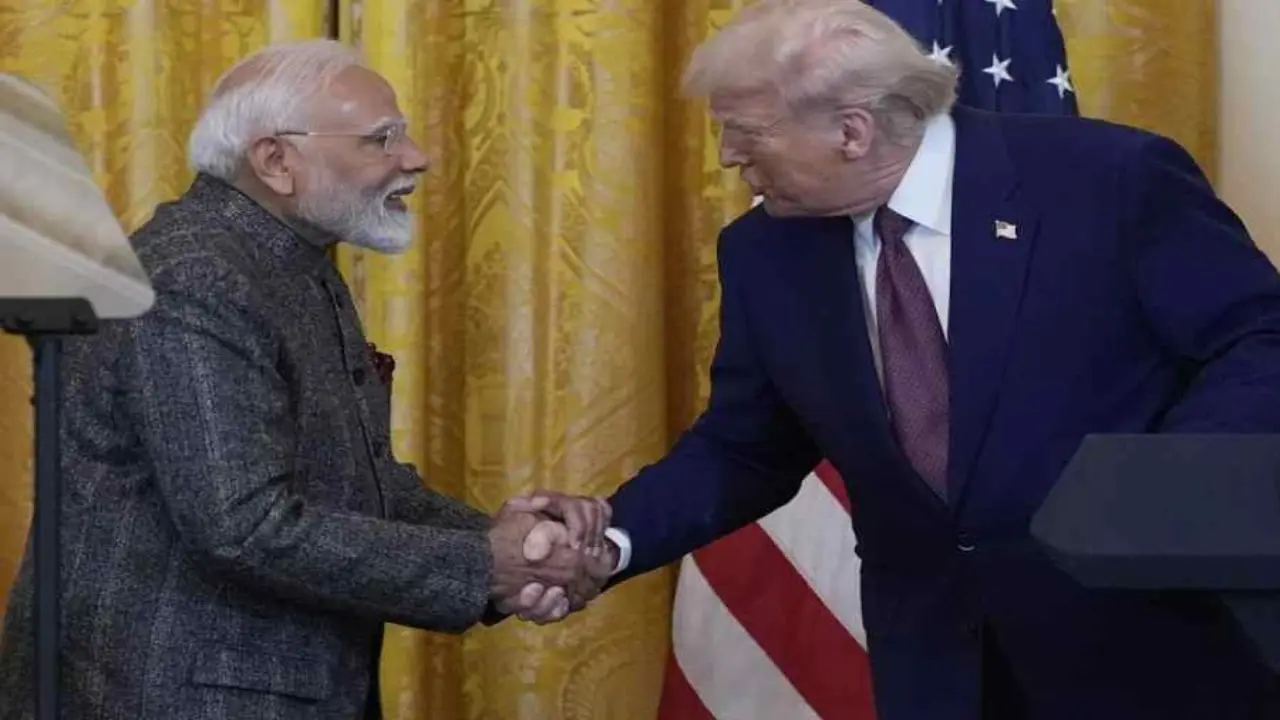
One also needs to see how the US fulfils its promise of extradition of Tahawwur Rana, who has been accused of deep involvement in the 26/11 terror attacks of 2008 in Mumbai.
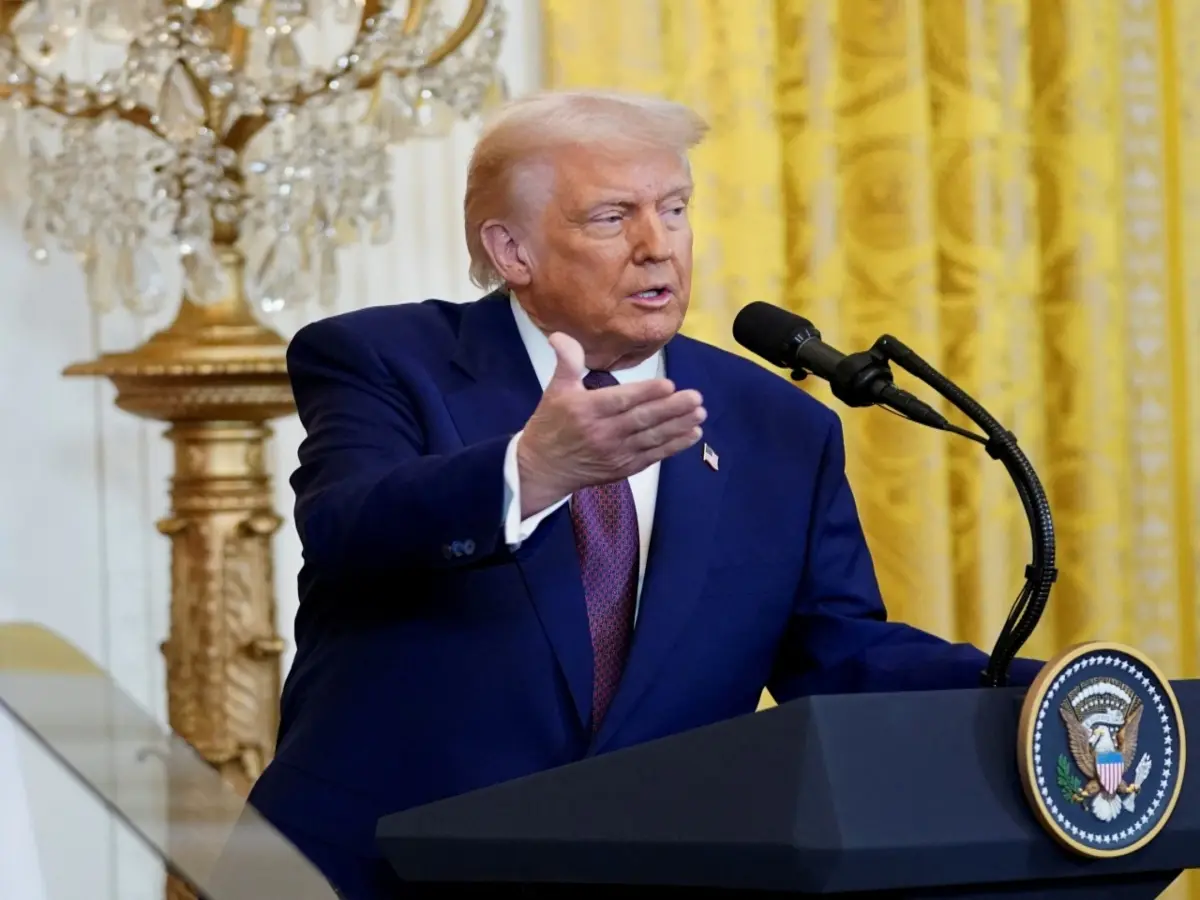
Everybody is worried about what President Donald Trump would do to world trade and geopolitics – even traditional Western allies of the US such as Canada and Europe. However, if there is one person who is arguably among the least worried, it must be Prime Minister Narendra Modi – but more than his famous chemistry with the controversial man running trigger-happy with tariff bullets to fire at nearly everyone, the Indian leader must thank the nature of trade between his country and the US, joined at the hip by cutting-edge technological developments that Trump may ignore at his peril.
Amid global turmoil in Sino-US ties, the Israel-Palestine conflict over Gaza, and the persisting Russia-Ukraine war, Modi’s visit to France en-route to the US may seem just like a natural geographical stopover on the way to Washington but in effect is loaded with diplomatic significance. The stopover and its achievements – an Indian consulate at Marseille and the positioning of France as the likely European gateway” of the planned 4,800-km India Middle East Europe Economic Corridor (IMEC) may be read as the Modi government’s smart way of gently asserting its sovereignty in a new world order.
It seems like yesterday that India was buying Rafale fighter jets from France (though that was nine years ago). Trump’s offer of prized F-35 stealth fighters is something India is set to lap up. Between the two jet deals, India is strategically positioned as a nation with a clear diplomatic mind of its own. Modi more or less said as much after meeting Trump. Social media trends suggest that Modi’s plan to make India a developed country by 2047 under this “Viksit Bharat” (Developed Bharat) initiative is his way of saying “Make India Great Again” (MIGA) to match Trump’s MAGA (Make America Great Again). If you take all that together, it does seem India is keeping its options open and head high.

Also Read: The great American guessing game: who runs the country, Trump or Musk?
While Trump’s tariff triggers are ready to be pulled at everyone, the stronger bullets are set to hit China and, it seems, Canada and Europe, though the details are still emerging. As a former real-estate dealmaker, Trump’s style is to claim a win after showing his power and then yielding a little to seal a deal. Washington’s top priority is clearly to regain its economic power lost by years of cheap imports from China.
It is almost as if some supreme power above scripted Modi’s visit to France in the backdrop of US belligerence. His speech at the Paris summit on artificial intelligence (AI) smelled strongly of a Global South approach to disruptive technology as the leader called for efficient, collaborative and democratic use of AI that potentially gives the US a chance for hegemonic dominance through its investment clout and research capabilities.
)
The Early Spring is proof not everyone can talk about their real feelings, and it is perfectly OK
)
UN votes to ‘correct the map’ as India backs fairer world view
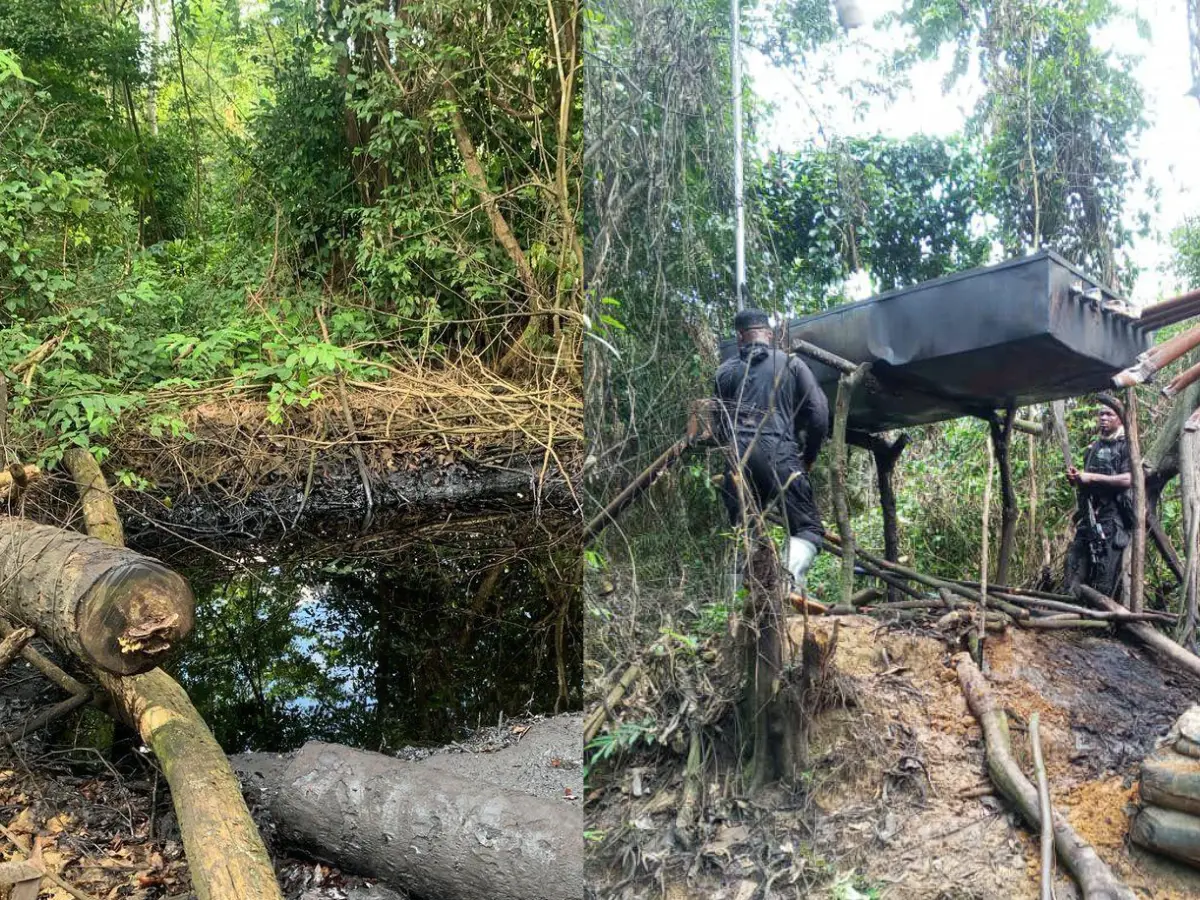)
Nigerian Navy discovers 99,000 litres of suspected stolen, illegally refined products as it intensifies anti-crude oil theft operations
)
Who is Aditi Paudel? 17-year-old becomes Japan's first literacy ambassador
)
Bengaluru: Officials find 40 kg expired chilli at chairman's club
)
Jaishankar rejects trade link to ending Ukraine war
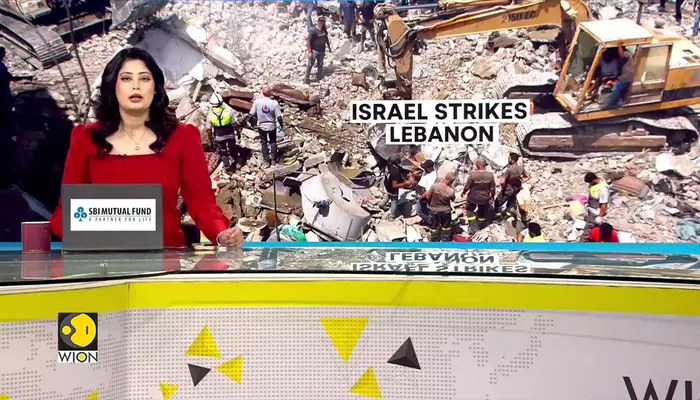)
Israeli strikes on Lebanon kill three, injure 23 despite truce
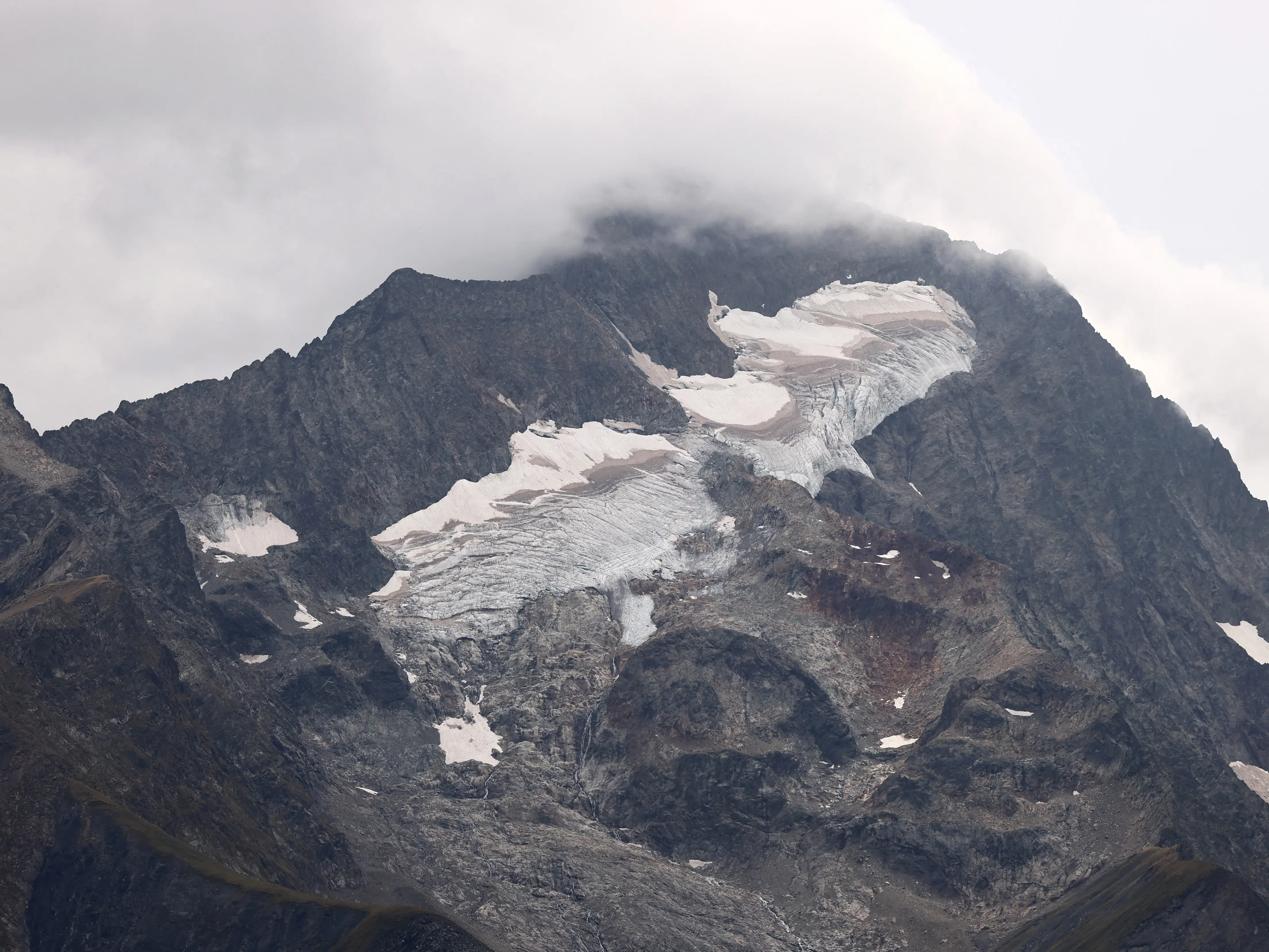)
Alpine glacier was covered with sheep wool sheets to prevent melting. It worked
)
South Korea mulls deploying military assets to Strait of Hormuz
)
World's fifth-largest economy, British army can't afford to train
)
Breaking | Vance takes the podium: First White House briefing since Leavitt's exit
)
Taiwan raises 'concerns' over China's missile test
)
BRICS 2026: $1 trillion sovereign capital set to converge in Delhi for first iBRICS Summit
)
What is Iran's Pickaxe Mountain that Trump has again threatened to bomb?
)
UN votes to correct world map that visually shrank Africa for 450 years
)
Former NewJeans member Danielle launches YouTube channel, hints at new solo journey
)
Bangladesh batter Towhid Hridoy creates history with 350 not out in South Africa
)
Brendan Fraser’s transformation fuels The Mummy 4 excitement as fans welcome back Rick O’Connell
&im=FitAndFill=(700,400))
Krishna Janmashtami 2026: From Dhaniya Panjiri to Makhana Kheer- 5 best sweet dishes perfect for celebrating Lord Krishna’s birth
)
Donald Trump plans to travel to Ireland on Qatari-donated jet amid security concerns
)
Nazi-looted art to return to Jewish heirs
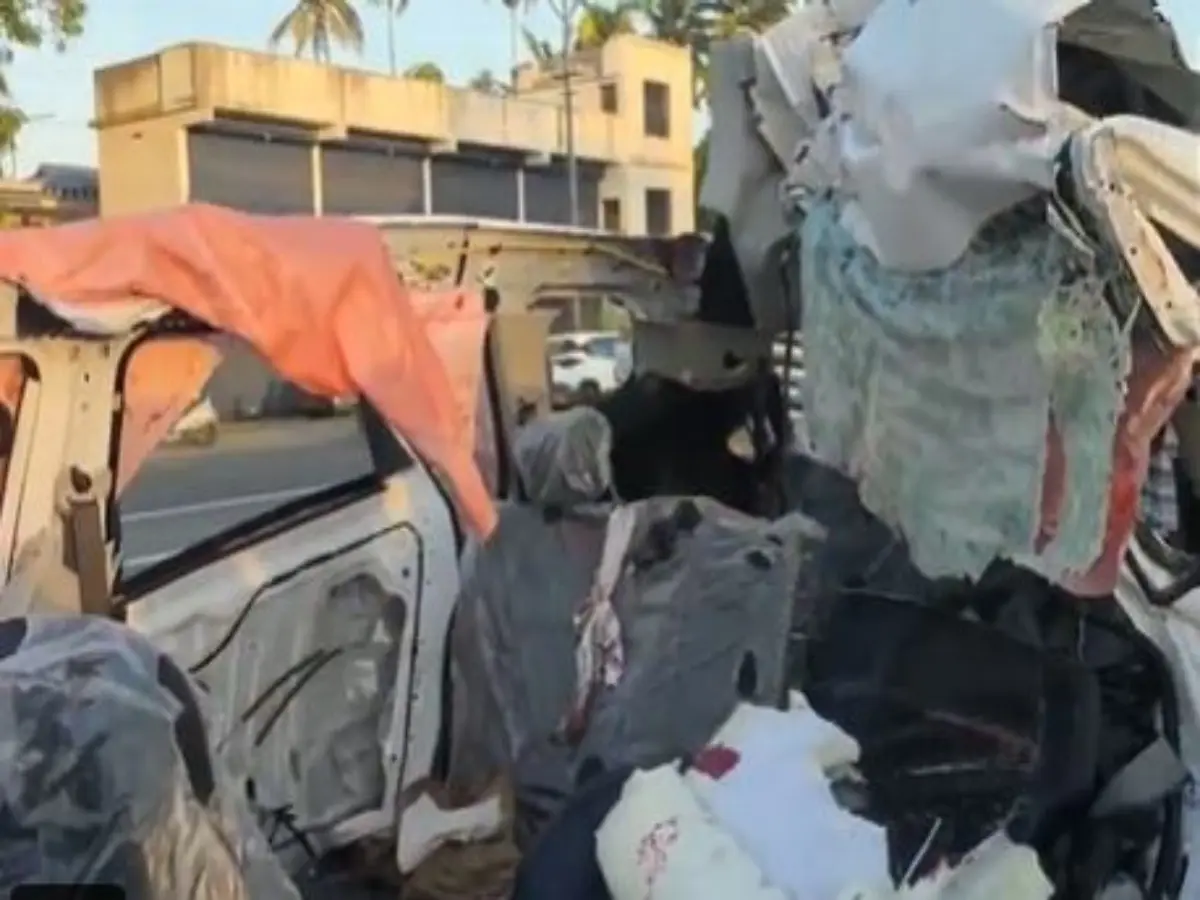)
Eight killed in Kerala’s Thrissur after car rams into lorry parked on highway
&im=FitAndFill=(700,400))
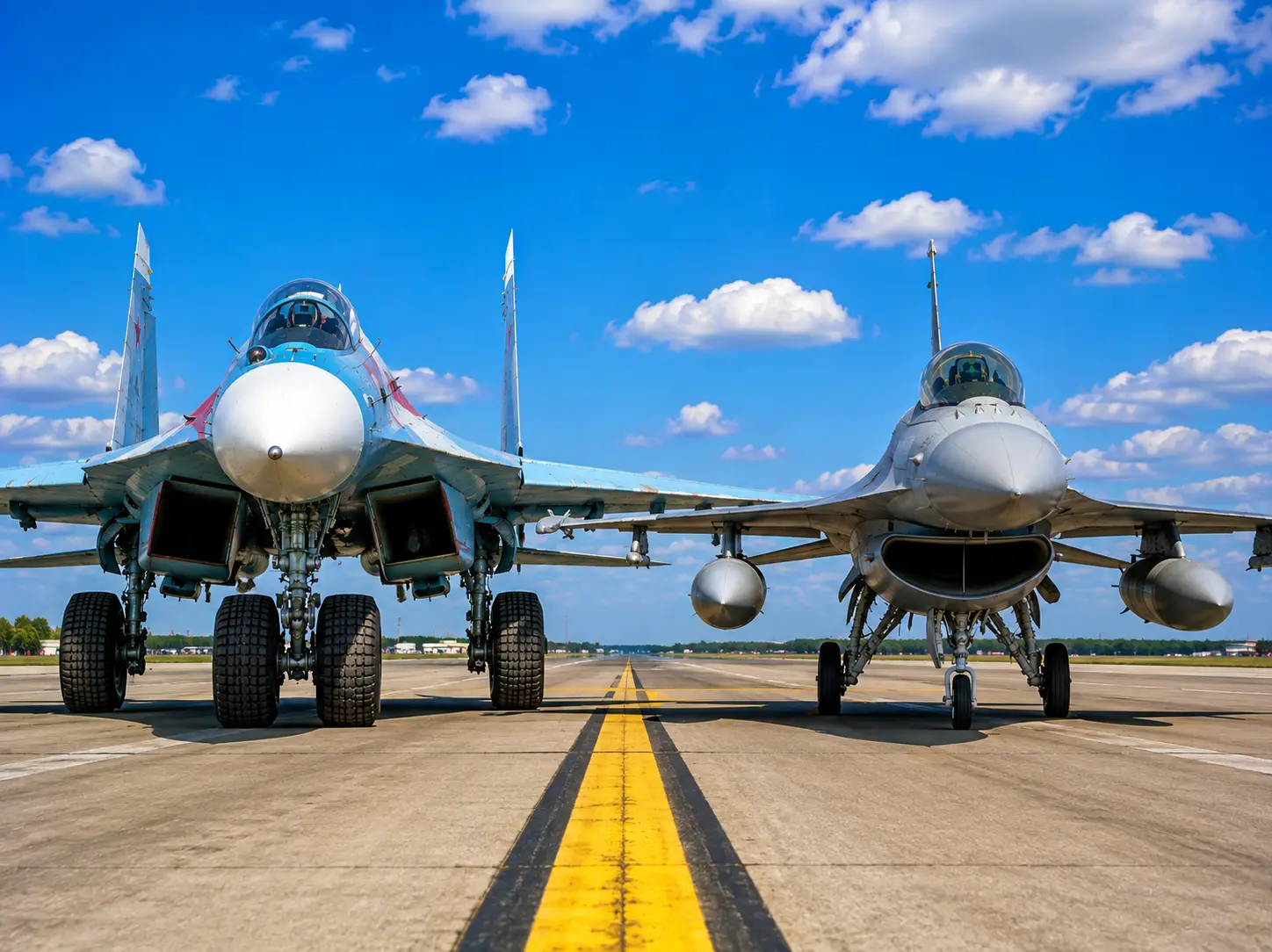
Why Russian fighter jets use bulky, low-pressure tyres compared to US jets
)
FBI-wanted fraud accused arrested in Jalandhar over $600,000 scam
&im=FitAndFill=(700,400))
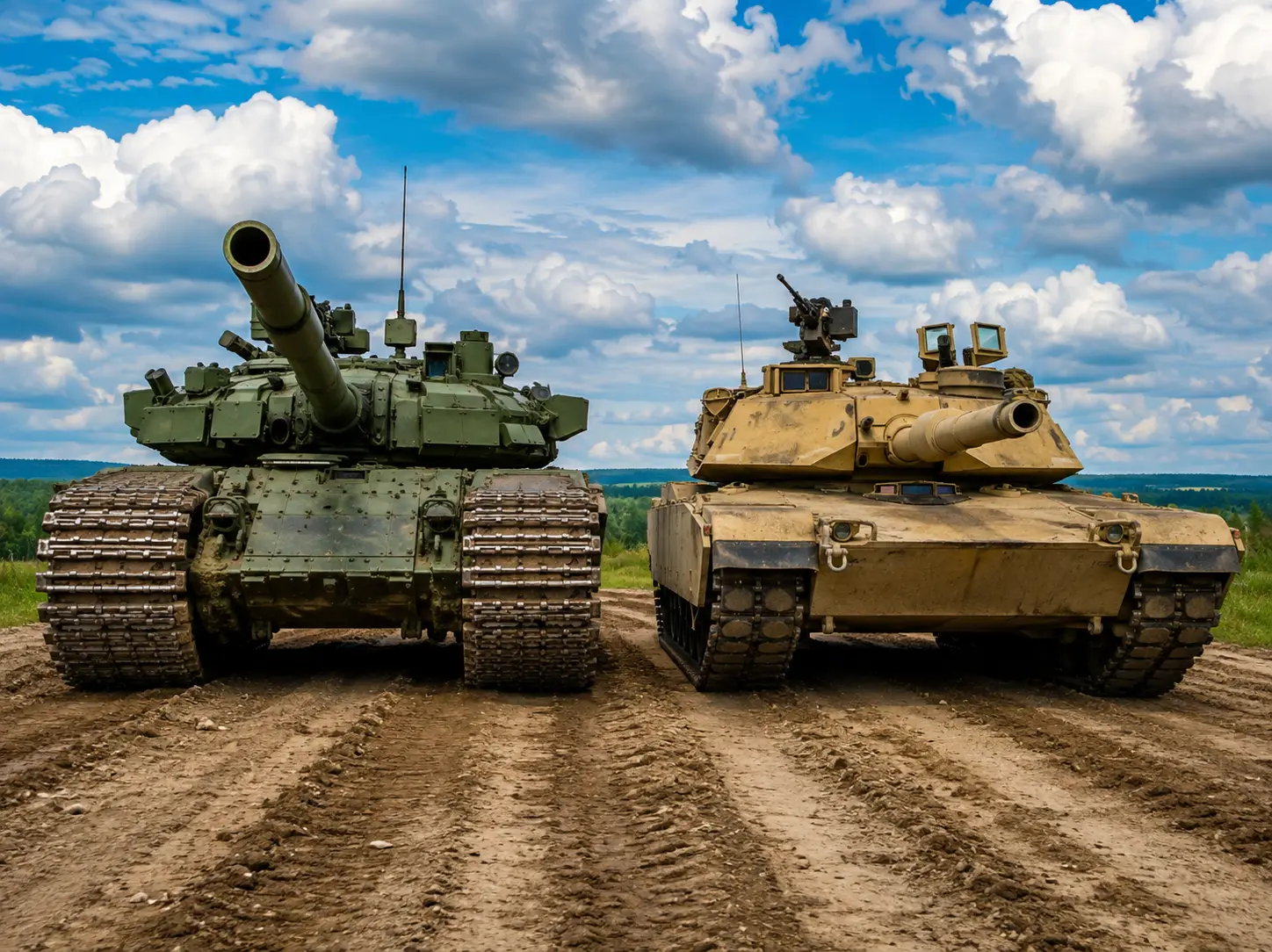
Why US tanks weigh over 20 tons more than Russian tanks
&im=FitAndFill=(700,400))
New Friday OTT releases (September 4, 2026): GDN, Dhamaal 4, Jagamae Sangeetham- Watch 6 new movies and TV shows on Netflix, Prime Video and more
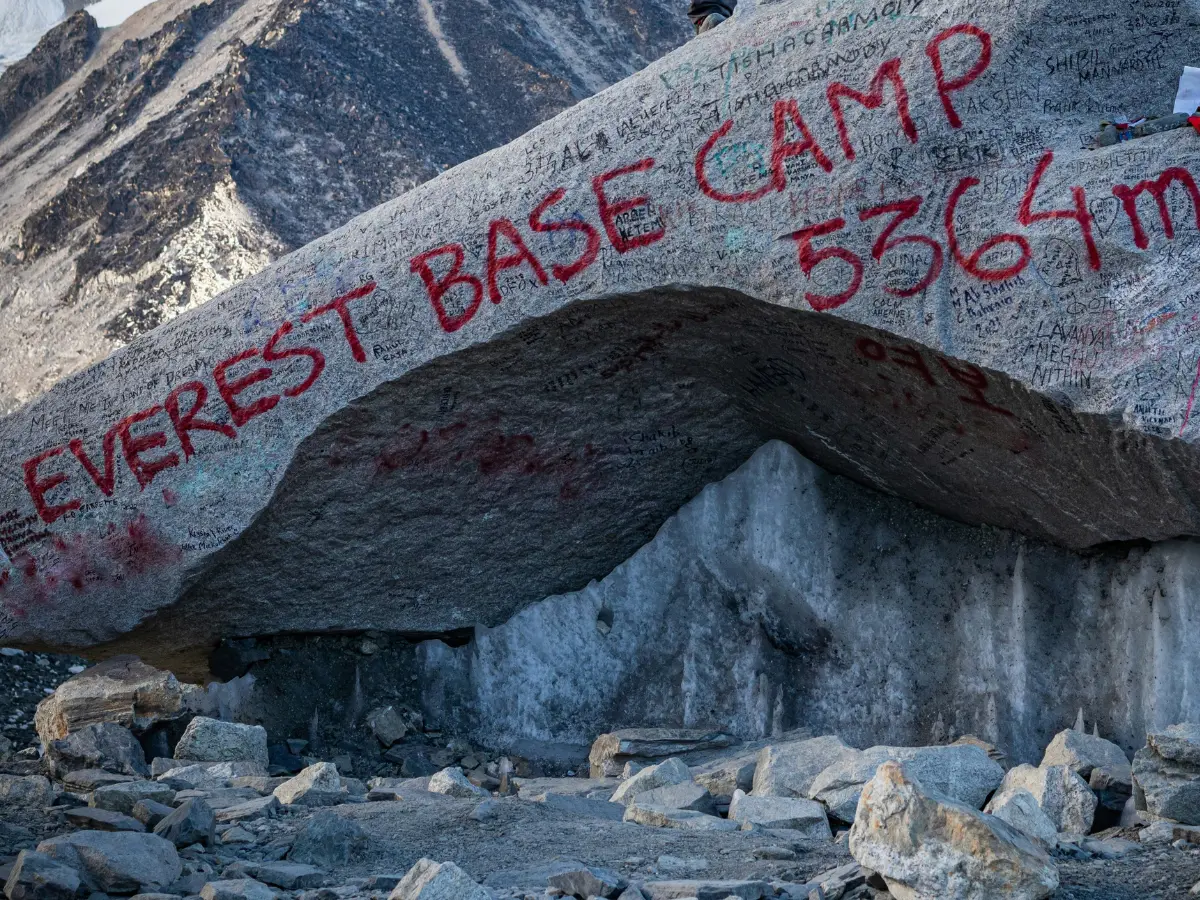)
Killing the Himalayas slowly: Human urine is melting a glacier on Mount Everest
Nevertheless, the elegant diplomatic assertion comes at a price for India – albeit at much better terms than neighbour and rival China.
From all indications, the F35s won’t come cheap for India. There is more. Trump said India will buy more oil and gas besides military hardware from the US to slash its bilateral deficit in New Delhi’s favour but added he is unlikely to spare India from tariff blows. US and India also plan to boost bilateral trade to $500 billion by 2030 from the current levels of about $130 billion.
What we need to read between those lines are deals in which India may have to cough up more in purchases to soften or limit tariff blows.
One also needs to see how the US fulfils its promise of extradition of Tahawwur Rana, the Canadian citizen in US jails who has been accused of deep involvement in the 26/11 terror attacks of 2008 in Mumbai. We should see this as the litmus test of America’s willingness to play diplomatic ball with India as a truly strategic ally, apart from details of an expected trade agreement.
No one is truly blinking yet in this strange mix of personal chemistry between leaders and strategic wit-matching between the countries they represent.
But the context of trade between India and the US on the one hand and between the US and China on the other may help us arrive at a probable scenario.
Also Read: Where is the Quad heading in 2025?
With merchandise trade worth about $120 billion, the US is India’s largest trade partner, while India is only the tenth largest in US trade rankings at $130 billion (figures may vary as financial years are different). China is the third largest US trade partner with a bilateral turnover of $582.5 billion. That doesn’t tell us enough. America’s deficit with China, at $295.4 billion, stands at 51 percent of bilateral trade, while its deficit with India, at $45.7 billion, is only 38 percent of bilateral trade. Both in volume and in the degree of imbalance, China is far more significant for Trump.
There is an additional, somewhat hidden advantage that India has. Its software and allied service exports, not counted in merchandise trade, total about $205 billion of which the US accounts for 54 percent. But this is more of a gain than pain for America as Indian services (aided by the Global Capability Centres of US companies in India) are powering up cutting-edge technologies for Washington as well as lowering trade costs.
We now need to watch how the emerging AI game shapes up as Modi’s nationalist ambitions and his partnership plans have to be well-balanced so that he can (as he wants to) eat the high-tech cake and have it too without worrying too much.
For the moment, Modi has a lot to be pleased about, though trade talks can be a slippery slope. The next round of tariff shootouts may give us a better idea on whether or not the strategic partnership with the US comes with a big price tag for India.
