Better single than sorry: Why marriage has fallen off the list of priorities of many Indian women

&imwidth=600&imheight=450&format=webp&quality=medium "Better single than sorry: Why marriage has fallen off the list of priorities of many Indian women")
Why more and more Indian women are getting wary of marriage. Photograph: (Unsplash)
No one heard them; they refused to alter the system, and so Indian women took their own step. Women in India are increasingly choosing to remain single. I talked to some women to understand the reason behind this profound cultural shift in a society where marriage is non-negotiable.
Women in India are increasingly choosing to remain single. The reasons themselves are not shocking, but surely present a picture of the society we live in. Data shows that India today has an estimated 73 to 74 million single women - comprising never married, divorced, separated or widowed. Marriages in India come with certain expectations, largely from women. For decades, they have played this role while compromising with themselves. However, today, most women are largely independent, not just financially, and they refuse to bow down to societal norms. But since families are still not ready for this change, there is an imbalance. So while men have largely remained in the same place, women have quietly decided to change paths. For them, marriage is no longer a check box that must be ticked. They no longer feel the need to be married to earn the respect of society. Most of them simply don't care since "what would people say" is a fear that is long dead to them. What is causing this profound shift in perspective among young women? WION Decodes.
The Mixed Messages of Modern Upbringing
Until a few decades ago, girls came after the boys of the families. They served them food, ate after them, and sometimes even compromised on their education for the sake of their brothers. But somewhere things changed, and parents stopped differentiating between their sons and daughters. They were afforded every opportunity, be it in education or at home. People started raising their daughters mindfully, telling them they were not less than boys and could achieve anything they put their minds to. Now that this particular group is all grown up, and their upbringing has ensured that they do not rely on a man for anything, here is where the problem begins. "On one side, they are being told they are self-sufficient, independent and can do anything that a man can do. But on the other end, they are being told that their life will not have any meaning if they are not married. That is where the fear of marriage stems, because it puts a question mark on their entire identity," says Navashree.
How Witnessing Generational Sacrifices Fuels the Fear of Losing Identity
"Being single was never a dramatic declaration or a conscious rebellion for me. It simply made more sense with time than sacrificing my peace, compromising my values, or reshaping my identity to fit into a relationship that did not feel right," says Lahari Basu, who works as a Consultant. What she said is not limited to her. Entering a marriage should not mean having to live your life on someone else's terms, be it the husband or in-laws. Where Indian women lose out the most is when they are expected to change themselves to fit into a pre-existing family where everything remains the same for everyone else.
Trending Stories
&imwidth=280&imheight=210&format=webp&quality=medium)
&im=FitAndFill=(700,400)&imwidth=280&imheight=210&format=webp&quality=medium)
&imwidth=280&imheight=210&format=webp&quality=medium)
&imwidth=280&imheight=210&format=webp&quality=medium)
&imwidth=280&imheight=210&format=webp&quality=medium)
&im=FitAndFill=(700,400)&imwidth=280&imheight=210&format=webp&quality=medium)
&imwidth=280&imheight=210&format=webp&quality=medium)
&imwidth=280&imheight=210&format=webp&quality=medium)
&imwidth=280&imheight=210&format=webp&quality=medium)
&imwidth=280&imheight=210&format=webp&quality=medium)
&imwidth=280&imheight=210&format=webp&quality=medium)
&imwidth=280&imheight=210&format=webp&quality=medium)
&imwidth=280&imheight=210&format=webp&quality=medium)
&imwidth=280&imheight=210&format=webp&quality=medium)
&imwidth=280&imheight=210&format=webp&quality=medium)
&imwidth=280&imheight=210&format=webp&quality=medium)
&imwidth=280&imheight=210&format=webp&quality=medium)
&imwidth=280&imheight=210&format=webp&quality=medium)
&imwidth=280&imheight=210&format=webp&quality=medium)
&imwidth=280&imheight=210&format=webp&quality=medium)
&imwidth=280&imheight=210&format=webp&quality=medium)
&imwidth=280&imheight=210&format=webp&quality=medium)
&imwidth=280&imheight=210&format=webp&quality=medium)
&imwidth=280&imheight=210&format=webp&quality=medium)
&im=FitAndFill=(700,400)&imwidth=280&imheight=210&format=webp&quality=medium)
&imwidth=280&imheight=210&format=webp&quality=medium)
&imwidth=280&imheight=210&format=webp&quality=medium)
&imwidth=280&imheight=210&format=webp&quality=medium)
&imwidth=280&imheight=210&format=webp&quality=medium)
&imwidth=280&imheight=210&format=webp&quality=medium)
&imwidth=280&imheight=210&format=webp&quality=medium)
&imwidth=280&imheight=210&format=webp&quality=medium)
&imwidth=280&imheight=210&format=webp&quality=medium)
&imwidth=280&imheight=210&format=webp&quality=medium)
&imwidth=280&imheight=210&format=webp&quality=medium)
"It all sounds beautiful, the love, the commitment, the forever, until you see how quickly it can strip away the identity she has spent years building. All she is asking for is a marriage that adds to her life rather than dismantling everything she has built for herself," says Snigdha.
When rules and practices are shoved down their throat in the name of tradition, it leaves them questioning if their thoughts and opinions even matter. They lose the sense of self and are merely viewed as an intrusive species who dare not speak their mind. For years, women have seen their mothers, grandmothers and others in their families go through it all. "During festivals, my mother is cooking while everyone else is enjoying. Maybe she is doing it out of love, but that likely also happened because of a certain conditioning. But I don't want that for myself," says Navashree.
Schooled in Independence, Pressured to Comply
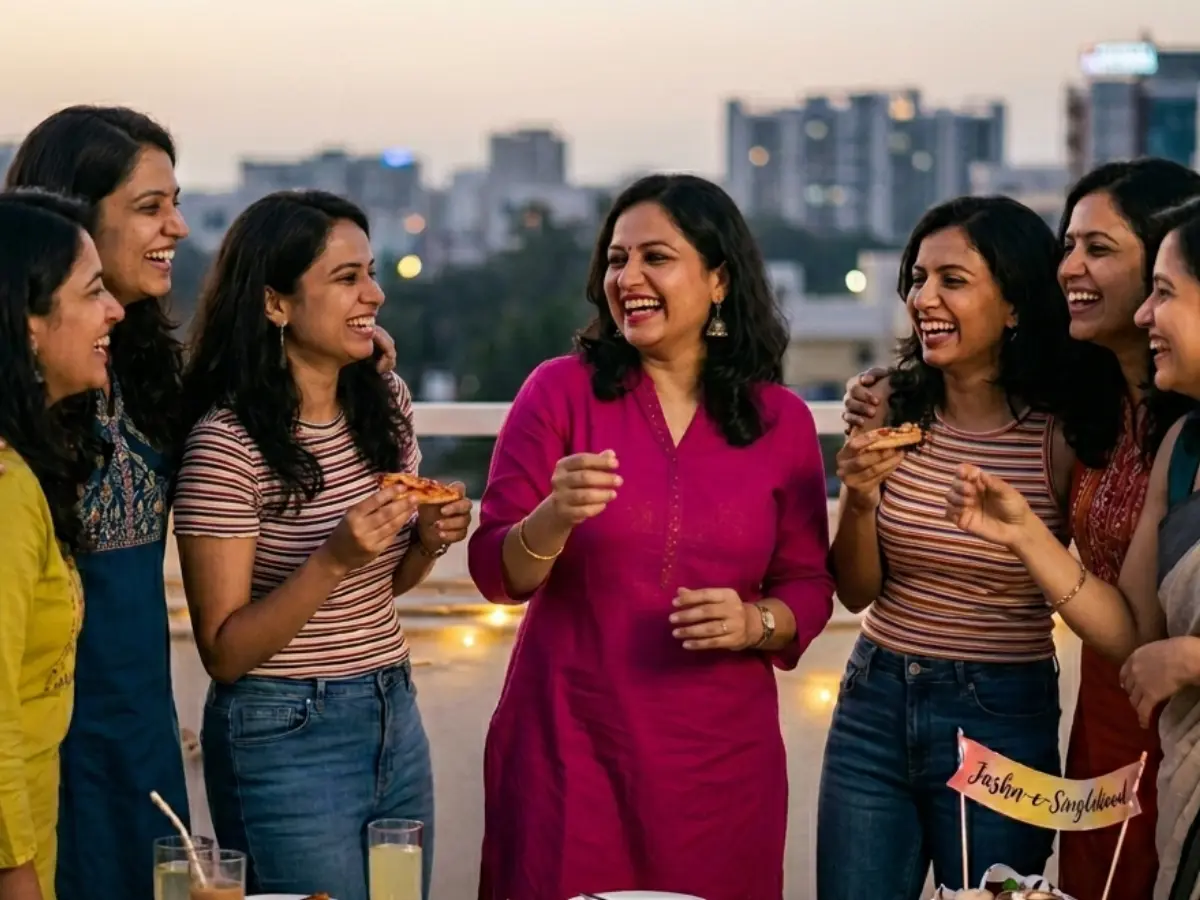
As mentioned in the first point, these women were told as young girls that they are important, they matter, they are winners and can do just about anything. This thinking itself is a huge shift from previous generations; it is a massive leap in most families. Today, girls in several families can't even fathom the idea that they are different from boys and that there was a time when the two genders were treated differently. But one thing that hasn't changed is marriage being a compulsion. So now, when the same people tell them they should get married without logical reasoning, it leaves the girls questioning everything they were told.
"I have always been told you can do everything alone. I have lived on my own and been away from home for education. But now I am being told I must get married because everyone does it," Navashree says. She says, to her it comes across as something she has to do just because "society wants to see her do it," and not because of "companionship or love." Telling women to do something just to please society also instils fear in them about the institution.
Lahari says, “Marriage is a life-altering decision and should be made in one’s best interest — not at the insistence of family, society, or timelines imposed by others. I believe women should marry only when it genuinely feels right to them — and if it never does, that is perfectly valid too.”
Seeking Permission vs. Living on Own Terms: The Fear of Voluntary Compromise
When women think of marriage, they instantly think of compromise, adjustment and loss of freedom. Navashree admits the question of "will it curb my freedom" flashes across her mind the moment someone says marriage. "But if I have been doing everything on my own all my life, if I know that marriage comes at a cost, why would I want to get into it?"
The truth is, women unwittingly start to compromise. They start losing friends because they don't have time. And even then, they are constantly left seeking permission. Namita says, "I like living life on my own terms. I want to take care of my parents and enjoy my freedom. It can be challenging at times, but at the end of the day, I’m happy with my decision. I take pride in managing my finances, my health, and being there for my family."
Besides, the mental toll of marriage is exhausting and is another way in which the freedom element gets killed. "When men work (job), they just work. But for women, 10 different things are going on in their heads. They have all these decisions to make," says Malvika, a married professional. "Stepping into the house after a long day at work and remembering that you forgot the groceries. Reminding the husband about the PTM at school 20 times so they adjust their schedule. Planning and tracking meals, it's raining, bring in the clothes, it is sunny, put them out, etc., etc. All this never-ending tracking and planning falls on women," she says, adding that “you cannot get away from them.”
"Just Like My Mother": The Root of Male Privilege in the Modern Household
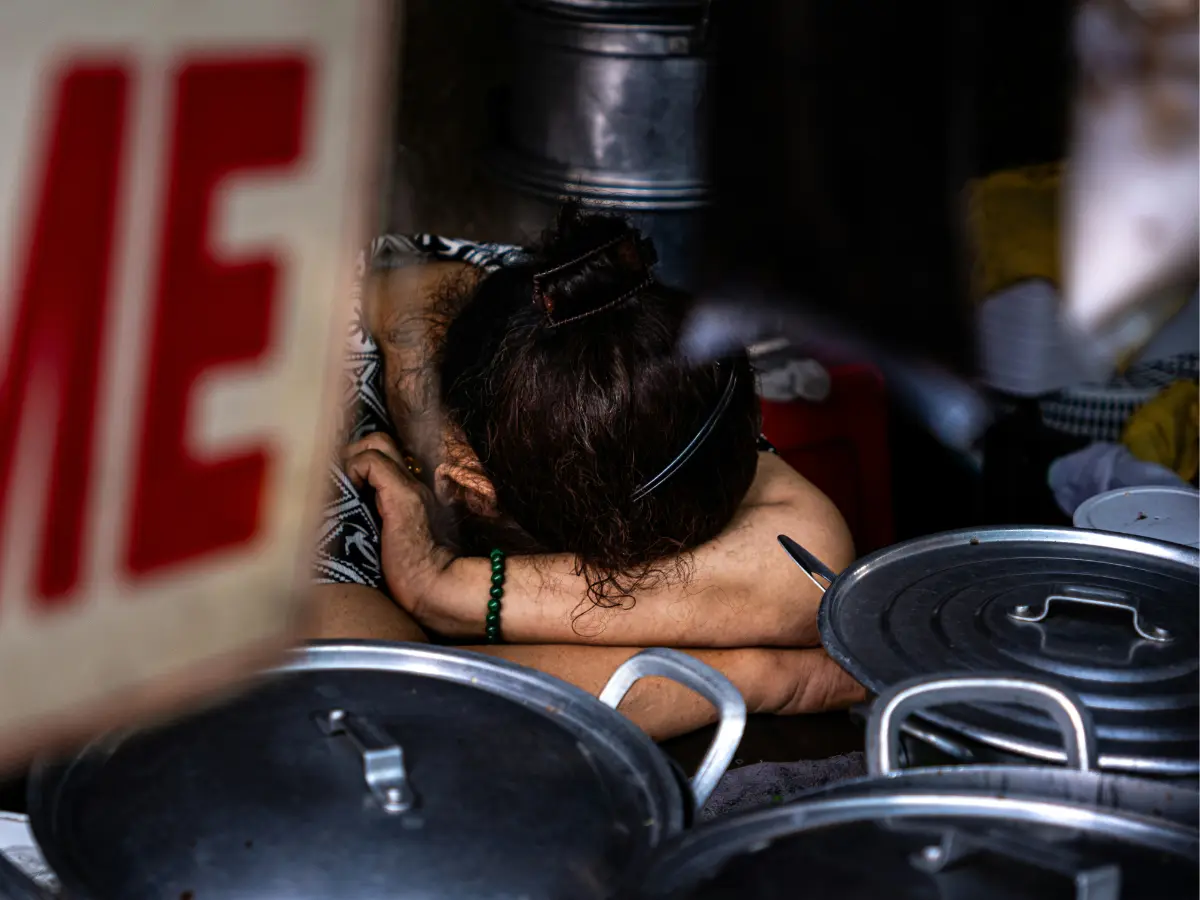
Male privilege is deeply embedded in men because of their upbringing. While women saw their mothers and said - "Not me", the takeaway for men was - "Just like my mother". They glorified their mothers' sacrifices and struggles and said, "Wow! What a superwoman." Then they applied it to every woman out there, cooking a storm that would one day hit them. Some women try to live up to the expectations, some strongly believe it is their duty, and others see the inherent problem early on and refuse to give in. All of them end up emotionally exhausted.
"I have seen far too many women merely survive unhappy marriages. And even those who manage to leave often walk away emotionally bruised, having sacrificed years of their lives, their independence, and sometimes even their sense of self just to escape environments that were never safe or loving to begin with," says Lahari. “What is even more exhausting is the entitlement some men feel simply for being born male.”
The Convenience of Patriarchy: Rejection of a Rigged System
A basic societal structure where the woman ran the house, and the man brought in the money, was presented as justification till a few decades ago. But education has led women into the workforce, where they are spending as much time as men. But in most Indian homes, this is seen as "their choice", which they have to fit in with other things that are non-negotiable. So you do your job, and everything else expected of you as a wife and daughter-in-law. If you can't, that is your problem alone.
The inherent exploitation in the system has now become visible to women, but sadly, men still don't see it for what it is. Patriarchy suits them; it gives them hot meals, clean clothes, and a good nap, which leads to a confirmation bias. This is why the dowry system still exists, as it enforces a false sense of superiority in men. Now that the women know that the system is clearly set up against them, why would they knowingly accept an undesirable situation? "I see no reason to romanticise marriage for the sake of appearances or hypothetical 'what ifs.' Love, for me, must grow from friendship, shared values, mutual respect, emotional safety, and genuine companionship — not from pressure, fear, or fantasy," Lahari concluded.
What needs to change
The powerful testimonies of these single women, underscored by the heartbreaking losses of Twisha Sharma and Deepika Nagar, should serve as an urgent wake-up call. It is time for society to radically re-examine how it treats its daughters under the guise of tradition. It is not enough for women to conquer the professional world; they deserve a life where their peace is non-negotiable, and a safe harbour where they can dream and grow without fear.

