Why did India hike petrol, diesel prices after 4 years of near-stability? Inside the sudden Rs 3 fuel shock | WION Explains

&imwidth=600&imheight=450&format=webp&quality=medium "Why did India hike petrol, diesel prices after 4 years of near-stability? Inside the sudden Rs 3 fuel shock | WION Explains")
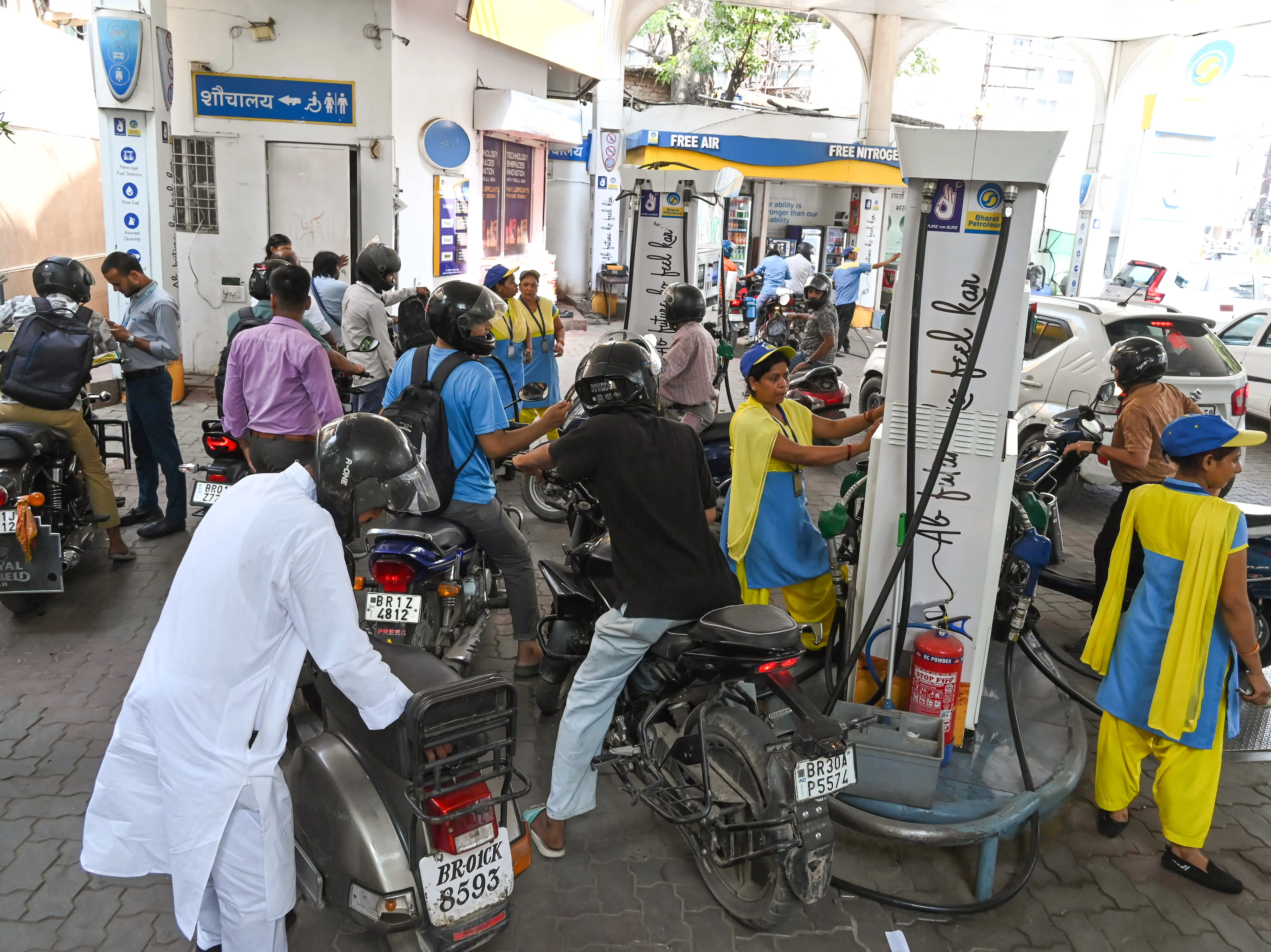
People queue up at a petrol pump for fuel due to a shortage of fuel, in Patna on Thursday (May 14). Photograph: (ANI)
India has finally ended its long fuel price freeze. After holding the line for nearly four years, petrol and diesel prices have been hiked by ₹3 per litre. But this is not a routine revision, so what really forced India’s hand now? WION Explains
After a record four-year hiatus in major price revisions, petrol and diesel rates across India were hiked by ₹3 per litre on Friday (May 15). This move marks the end of a price freeze that had been in place since April 2022 (interrupted only by a minor ₹2 cut before the 2024 elections). But what's behind the surprise petrol, diesel price hike? The sudden hike is primarily a reaction to the escalating West Asia conflict and the resulting strain on the global energy market. Let's take a deep dive.
Why did India hike diesel and petrol prices now? FAQ here
On day 77 of the Iran conflict in West Asia, India hiked fuel prices across the nation by Rs 3/per litre. The decision by state-owned Oil Marketing Companies (OMCs)—IOCL, BPCL, and HPCL stems from a combination of geopolitical and financial factors. Why? The short answer is that global geopolitics finally caught up with domestic price restraint.
- West Asia conflict: The primary reason is the West Asia crisis and the severe pressure it has placed on the Strait of Hormuz, one of the world’s most critical oil transit chokepoints. The war, which started on February 28 with the United States and Israel launching strikes on Iran, has magnified shipping risks, driving global crude prices to new heights: from around $70 per barrel before the crisis to above $110.
- For India, which depends on imported crude for nearly 87 per cent of its total crude oil needs, this meant a sharp increase in the import burden.
Trending Stories
&imwidth=280&imheight=210&format=webp&quality=medium)
&imwidth=280&imheight=210&format=webp&quality=medium)
&imwidth=280&imheight=210&format=webp&quality=medium)
&imwidth=280&imheight=210&format=webp&quality=medium)
&imwidth=280&imheight=210&format=webp&quality=medium)
&imwidth=280&imheight=210&format=webp&quality=medium)
&imwidth=280&imheight=210&format=webp&quality=medium)
&imwidth=280&imheight=210&format=webp&quality=medium)
&imwidth=280&imheight=210&format=webp&quality=medium)
&imwidth=280&imheight=210&format=webp&quality=medium)
&imwidth=280&imheight=210&format=webp&quality=medium)
&imwidth=280&imheight=210&format=webp&quality=medium)
&imwidth=280&imheight=210&format=webp&quality=medium)
&imwidth=280&imheight=210&format=webp&quality=medium)
&imwidth=280&imheight=210&format=webp&quality=medium)
&imwidth=280&imheight=210&format=webp&quality=medium)
&imwidth=280&imheight=210&format=webp&quality=medium)
&imwidth=280&imheight=210&format=webp&quality=medium)
&imwidth=280&imheight=210&format=webp&quality=medium)
&imwidth=280&imheight=210&format=webp&quality=medium)
&imwidth=280&imheight=210&format=webp&quality=medium)
&imwidth=280&imheight=210&format=webp&quality=medium)
&imwidth=280&imheight=210&format=webp&quality=medium)
&imwidth=280&imheight=210&format=webp&quality=medium)
&imwidth=280&imheight=210&format=webp&quality=medium)
&imwidth=280&imheight=210&format=webp&quality=medium)
&im=FitAndFill=(700,400)&imwidth=280&imheight=210&format=webp&quality=medium)
&im=FitAndFill=(700,400)&imwidth=280&imheight=210&format=webp&quality=medium)
&imwidth=280&imheight=210&format=webp&quality=medium)
&imwidth=280&imheight=210&format=webp&quality=medium)
&imwidth=280&imheight=210&format=webp&quality=medium)
&imwidth=280&imheight=210&format=webp&quality=medium)
&imwidth=280&imheight=210&format=webp&quality=medium)
&imwidth=280&imheight=210&format=webp&quality=medium)
- Mounting 'under-recoveries' to blame for fuel price hike: For months, state-run oil marketing companies like IOCL, BPCL and HPCL had largely shielded consumers by absorbing the shock. But as international prices climbed and supply routes tightened, those losses reportedly ballooned into massive under-recoveries, with companies facing mounting pressure to stop carrying the full burden.
In essence, this means that the price hike is not a routine price revision, but more a delayed correction. The move also follows growing public signals from the government. Prime Minister Narendra Modi recently urged citizens to conserve fuel, use public transport, and reduce unnecessary fuel consumption, a message that, in hindsight, increasingly looks like preparation for harder energy realities.

