What is theatreisation? India moves closer to its biggest military reform | WION Decodes

&imwidth=600&imheight=450&format=webp&quality=medium "What is theatreisation? India moves closer to its biggest military reform | WION Decodes")
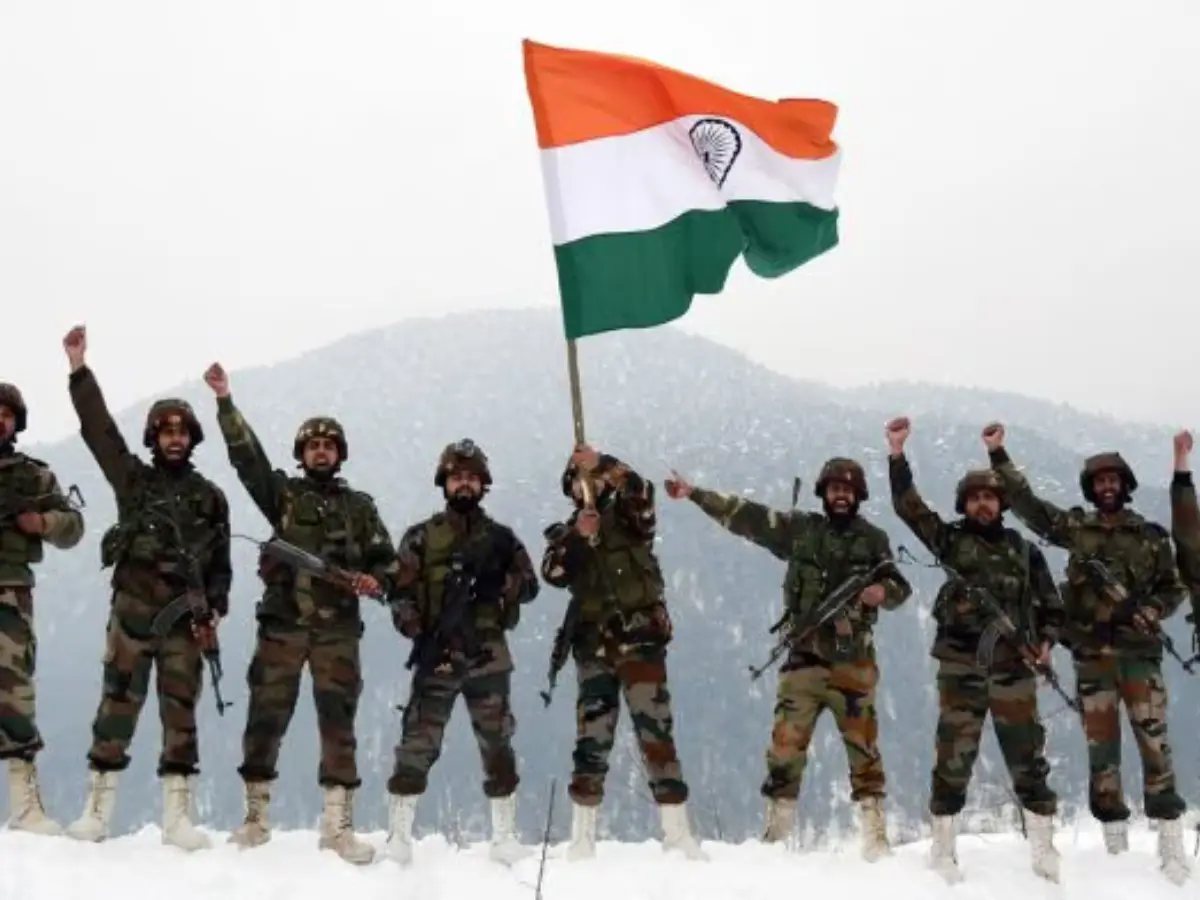
India is moving closer to implementing integrated theatre commands Photograph: (ANI)
India is moving closer to implementing integrated theatre commands, bringing the Army, Navy and Air Force under unified regional leadership. Led by CDS General NS Raja Subramani, the reform aims to improve coordination, speed and combat readiness in future conflicts.
The Indian Army is reportedly moving closer to a process called theaterisation that, if implemented, will be the biggest military reforms in the country. According to reports, Chief of Defence Staff (CDS) General NS Raja Subramani will hold a meeting with Union Defence Minister Rajnath Singh by the end of this month to push for the move. The former CDS Gen Anil Chauhan had submitted the final draft proposal on the subject and now the new CDS is expected to make a detailed presentation of the same proposal before all stakeholders and the minister. The plan is an ongoing one since 2022.
What is theaterisation?
Theaterisation in the military refers to integrating the Army, Navy, and Air Force under a single, unified command structure. The assets within that region are placed under one operational commander, ensuring seamless coordination and eliminating the redundancies of separate service-specific commands. This essentially means instead of the Army, Navy, and Air Force operating separately with different headquarters and overlapping resources, a single commander directs all assets to respond immediately to threats. While the the existing individual heads that is the Chief of Army Staff, Chief of Naval Staff, and Chief of Air Staff do not disappear from the system, they function in under a single head - the theatre commander.
In the proposed plan, the Army, Navy and Air Force are expected to handle a specified geographical area depending on the threat and security needs. According to reports, The Northern Command, facing China, will be headed by an Army officer. The Western Command, facing Pakistan, will be headed by an Air Force officer. The Maritime Command, which oversees the ocean security, will be headed by a Navy officer.
Trending Stories
&imwidth=280&imheight=210&format=webp&quality=medium)
&im=FitAndFill=(700,400)&imwidth=280&imheight=210&format=webp&quality=medium)
&imwidth=280&imheight=210&format=webp&quality=medium)
&imwidth=280&imheight=210&format=webp&quality=medium)
&imwidth=280&imheight=210&format=webp&quality=medium)
&imwidth=280&imheight=210&format=webp&quality=medium)
&imwidth=280&imheight=210&format=webp&quality=medium)
&imwidth=280&imheight=210&format=webp&quality=medium)
&imwidth=280&imheight=210&format=webp&quality=medium)
&imwidth=280&imheight=210&format=webp&quality=medium)
&imwidth=280&imheight=210&format=webp&quality=medium)
&imwidth=280&imheight=210&format=webp&quality=medium)
&imwidth=280&imheight=210&format=webp&quality=medium)
&im=FitAndFill=(700,400)&imwidth=280&imheight=210&format=webp&quality=medium)
&imwidth=280&imheight=210&format=webp&quality=medium)
&imwidth=280&imheight=210&format=webp&quality=medium)
&imwidth=280&imheight=210&format=webp&quality=medium)
&imwidth=280&imheight=210&format=webp&quality=medium)
&imwidth=280&imheight=210&format=webp&quality=medium)
&imwidth=280&imheight=210&format=webp&quality=medium)
&imwidth=280&imheight=210&format=webp&quality=medium)
&imwidth=280&imheight=210&format=webp&quality=medium)
&imwidth=280&imheight=210&format=webp&quality=medium)
&im=FitAndFill=(700,400)&imwidth=280&imheight=210&format=webp&quality=medium)
&imwidth=280&imheight=210&format=webp&quality=medium)
&imwidth=280&imheight=210&format=webp&quality=medium)
&imwidth=280&imheight=210&format=webp&quality=medium)
&imwidth=280&imheight=210&format=webp&quality=medium)
&imwidth=280&imheight=210&format=webp&quality=medium)
&imwidth=280&imheight=210&format=webp&quality=medium)
&imwidth=280&imheight=210&format=webp&quality=medium)
&imwidth=280&imheight=210&format=webp&quality=medium)
&imwidth=280&imheight=210&format=webp&quality=medium)
&imwidth=280&imheight=210&format=webp&quality=medium)
&imwidth=280&imheight=210&format=webp&quality=medium)
What are the challenges?
The move would be the biggest military reform due to the overhauling of a legacy command structure. India currently operates through 17 separate Army, Navy and Air Force commands. Decades-old operational systems have to be changed to implement the process, which is already in place in the United States and China. Among the changes that would be implemented, one of the key is that the Service Chiefs will focus on force generation - which means they will focus on recruitment, training, modernisation and logistics, while the theatre commanders will bear the operational powers. A major question that arises from is of rank. Whether theatre commanders should hold three-star or four-star rank is under discussion. Elevating them to four-star status could blur the chain of command with Service Chiefs and require redefining the CDS's authority.
The implementation would also split the assets and the IAF reportedly argued over it. The Army supports theatre-specific integration, while the Air Force prefers centralised control of high-value assets. Reconciling these differing operational philosophies remains a challenge. Moreover, some also comment that introducing new theatre commanders, a strengthened Vice Chief of Defence Staff (VCDS) structure, and new command mechanisms will require years for implementation.
What are the advantages?
In times of threat, a unified command helps in faster decisions. As current wars show that future conflicts could span land, air, sea, cyber, space and information domains, theatreisation enables integrated planning and execution across all these fronts. The reform addresses coordination gaps exposed during the 1999 Kargil War by ensuring the three services operate under a unified command instead of separate chains. It also focuses on raising and training of resources while staying focussed on operational needs. Intelligence inputs lost in passing of files from one headquarters to other might also come to an end after this process as intelligence sharing and procurement and action on it would become simpler. Moreover, dedicated theatre commands for the China border, Pakistan front and maritime domain will allow region-specific planning and faster responses to emerging threats..

