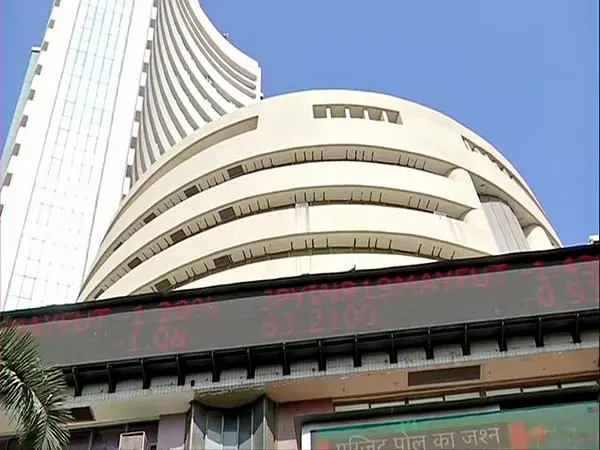
What is the Economic Survey? Your 5-minute guide to India’s economy ahead of Budget 2026

&imwidth=600&imheight=450&format=webp&quality=medium "What is the Economic Survey? Your 5-minute guide to India’s economy ahead of Budget 2026")
What is the Economic Survey? Your 5-minute guide to India’s economy ahead of Budget 2026 Photograph: (Credit: ANI)
It is widely believed that the Budget would appear confusing without the Economic Survey, as it explains the 'whys'— the context that taxpayers and investors need.
On Thursday (Jan 29), Union Finance Minister Nirmala Sitharaman tabled the Economic Survey 2025–26 in parliament. The survey is regarded as the previous year's 'report card'; while a final assessment can only be fully gauged after March 31, 2026, this document provides a fair and comprehensive judgment. The survey serves as a pretext to the Union Budget by providing the context for why certain decisions are being made. Before the budget is presented on February 1, 2026, the country is given a clear picture of the past year’s performance and the necessary amendments that need to follow. It is widely believed that the Budget would appear confusing without the Economic Survey, as it explains the 'whys'— the context that taxpayers and investors need.
Summarising: Economic Survey 2025–26:
- The global environment continues to be fragile amid intensifying geopolitical tensions. Though growth is holding its ground, risks cannot be neglected in the current scenario. These undercurrents may impact trade amid existing vulnerabilities.
- The country’s performance stands out against this backdrop. Early data shows that India's economy is expected to grow by 7.4% and Gross Value Added (GVA) growth at 7.3 per cent in 2026. It is the fourth year in a row that India has shown a spike and outpaced every other major country.
- Private Final Consumption Expenditure grew by 7.0 per cent in FY26, reaching 61.5 per cent of GDP, the highest since 2012 (FY23 also recorded 61.5 per cent share). This growth is supported by low inflation, stable employment, and increasing real purchasing power. Strong agricultural performance has bolstered rural consumption, while improvements in urban consumption, aided by tax rationalisation, indicate broad-based demand momentum.
Trending Stories
)
)
)
)
)
)
)
)
)
)
)
)
)
)
)
)
)
)
)
)
)
)
&im=FitAndFill=(700,400))
)
)
)
)
)
)
)
)
)
)
- Investment activity strengthened in FY26, with Gross Fixed Capital Formation growing by 7.8 per cent and its share remaining steady at 30 per cent of GDP. This momentum was buoyed by sustained public capital expenditure and a revival in private investment activity, as evident from corporate announcements.
- On the supply side, services remain the main driver of growth. In the first half of FY26, the Gross Value Added (GVA) for services increased by 9.3 per cent, with an estimated 9.1 per cent growth for the entire fiscal year. This trend indicates a broad-based expansion across the sector.
Key highlights of the report tabled today:
•GDP growth for the financial year 2026 is estimated at 7.4%
•Projected growth for 2027 is pegged at 6.8%–7.2%
•Fiscal deficit is on track to meet the 4.4% target