Global growth is ‘fragile and diverging’, warns Economic Survey: Why India remains resilient despite US tariff shocks

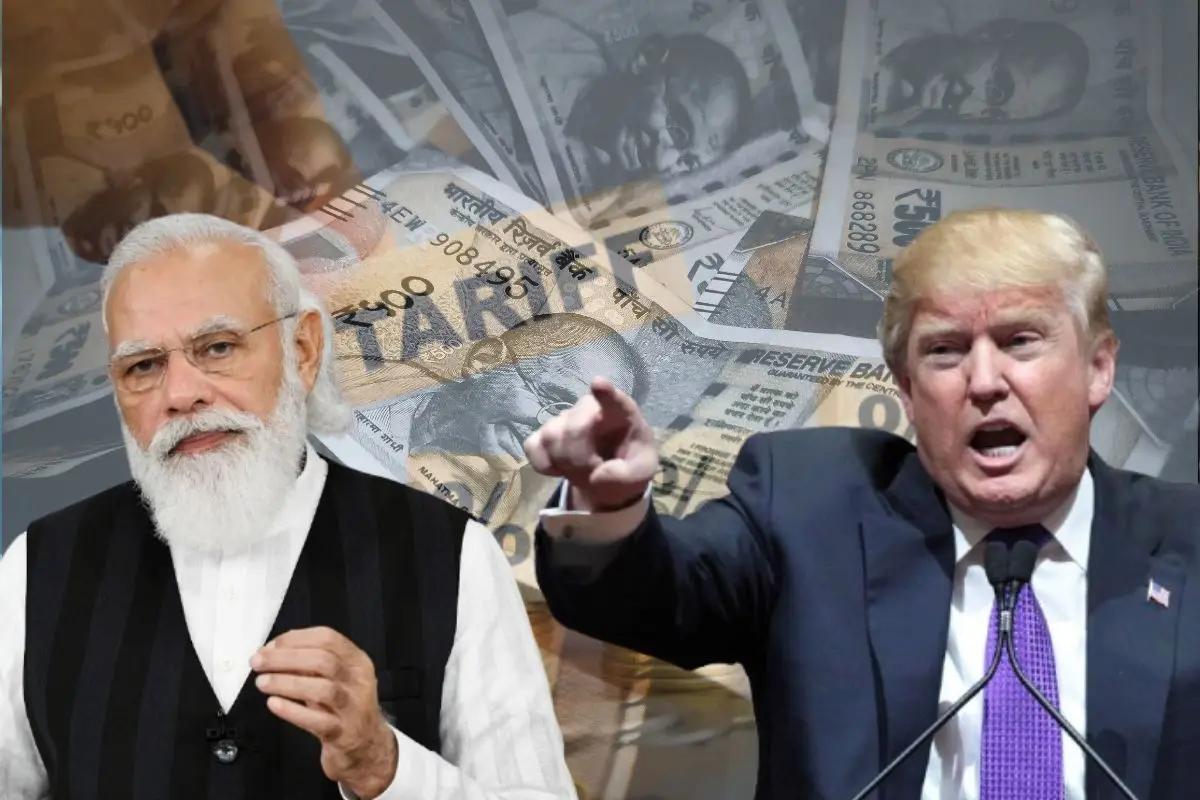
While markets initially revised growth forecasts downward, the Economic Survey notes that domestic structural reforms and policy measures offset the external shock, allowing growth to accelerate rather than slow, thus highlighting India’s reduced dependence on external demand.
A World Economy Marked by Repeated Shocks
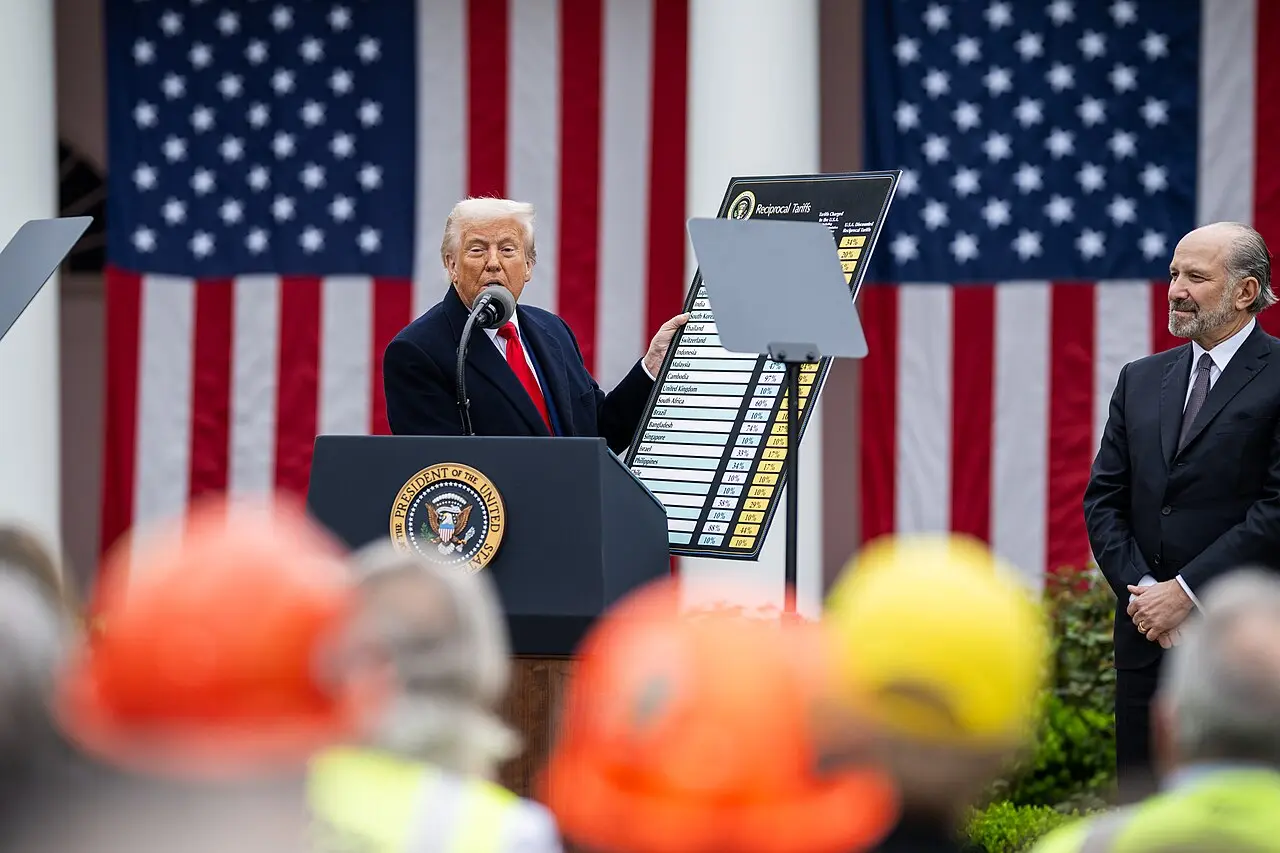
The Economic Survey 2025–26 paints a cautious picture of the global economy, describing it as entering a phase of 'fragile and diverging growth'. Since the last Survey, global economic conditions have been disrupted by multiple developments, most notably the imposition of tariffs by the United States on its trading partners. Although these reciprocal tariffs announced in April 2025 initially raised fears of slower growth and higher inflation, their impact has so far been short-lived.
How Tariffs Failed to Derail Growth
The Survey explains that global stability was maintained due to several mitigating factors. Trade agreements between the US and its certain partners reduced the effective tariff burden. According to the IMF’s World Economic Outlook (October 2025), US households and businesses increased spending ahead of expected tariff hikes. In some cases, delays in tariff implementation allowed firms to postpone price increases and advance exports, helping keep global economic activity stable in the short term.
Tariff Shock, Limited Impact on India
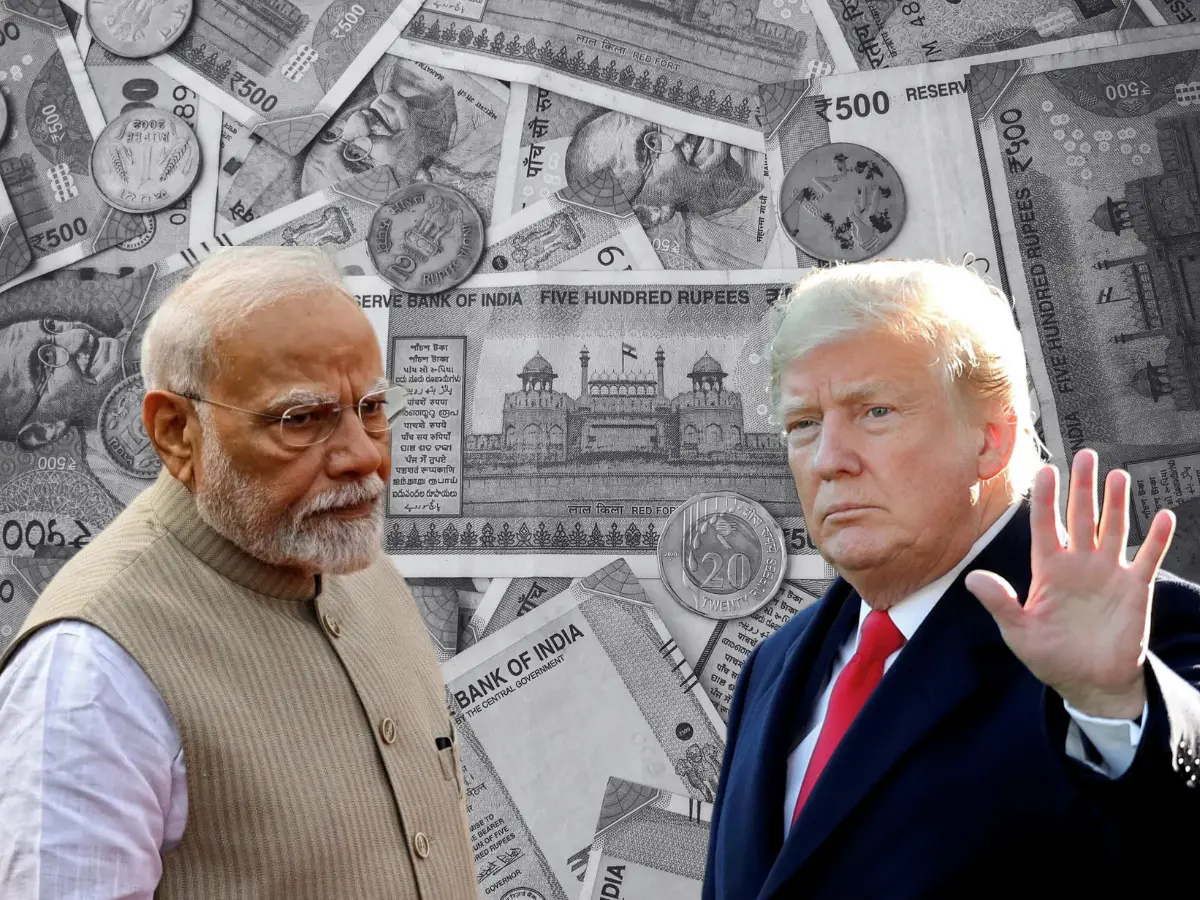
Despite the US, under President Donald Trump announced cumulative tariffs of 50 per cent (25 per cent reciprocal tariffs in April and additional penal tariff of 25 per cent in August) on Indian exports in 2025, India’s growth momentum remained intact, noted the report. While markets initially revised growth forecasts downward, the Economic Survey notes that domestic structural reforms and policy measures offset the external shock, allowing growth to accelerate rather than slow, thus highlighting India’s reduced dependence on external demand.

Growth and Inflation Are Moving Differently Across Regions
The Survey highlights clear divergence between advanced economies (AEs) and emerging market and developing economies (EMDEs). Growth in EMDEs in 2025 turned out to be higher than projections made in April 2025, while growth in AEs was better than initially feared due largely to strong performance in the US. Inflation, however, remained stubbornly higher in AEs, while EMDEs saw further moderation. The report noted, "Global economic uncertainty remains elevated compared to historical trends, primarily on account of fragmentation in geopolitical relationships and lower visibility on policy continuity."

Artificial Intelligence Driving the US Economy
A key feature of global growth has been the surge in artificial intelligence investment in the US. The Survey notes that total IT investment, including spending on AI-related equipment and software, accounted for nearly half of US GDP growth in recent quarters. This helped offset the negative effects of trade tariffs, even as inflation stayed above the US Federal Reserve’s 2 per cent target and unemployment edged higher.
Europe and Asia Face Uneven Conditions
In Europe, inflation is broadly moving towards the European Central Bank’s target, but growth remains uneven. Germany, Italy and France are expected to grow at moderate rates, while Spain is projected to perform better. In Asia, China continues to face deflationary pressures due to weakness in its property sector, while Japan’s growth remains moderate despite inflation exceeding the Bank of Japan’s target.

Capital Flows, Debt and Rising Uncertainty
The shift from aggressive monetary tightening to more neutral policies has been uneven across countries, leading to volatile capital flows. Elevated bond yields in major economies reflect concerns over large fiscal deficits. Global uncertainty remains high, and UNCTAD data show that global FDI flows declined by 11 per cent in 2024, except in conduit economies.
Why India Is Better Placed
The Survey underlines that India remains relatively resilient, against the backdrop. Strong domestic fundamentals, stable inflation, healthy banking balance sheets, low external vulnerabilities and adequate foreign exchange reserves provide buffers against global shocks. The Survey stresses that India must now focus on building strategic indispensability by strengthening domestic capabilities and maintaining policy credibility to sustain growth in an increasingly uncertain world.
)

)
)
)