

&imwidth=800&imheight=600&format=webp&quality=medium "Up to Rs1,500 flight ticket hike likely as airlines regain pricing freedom")
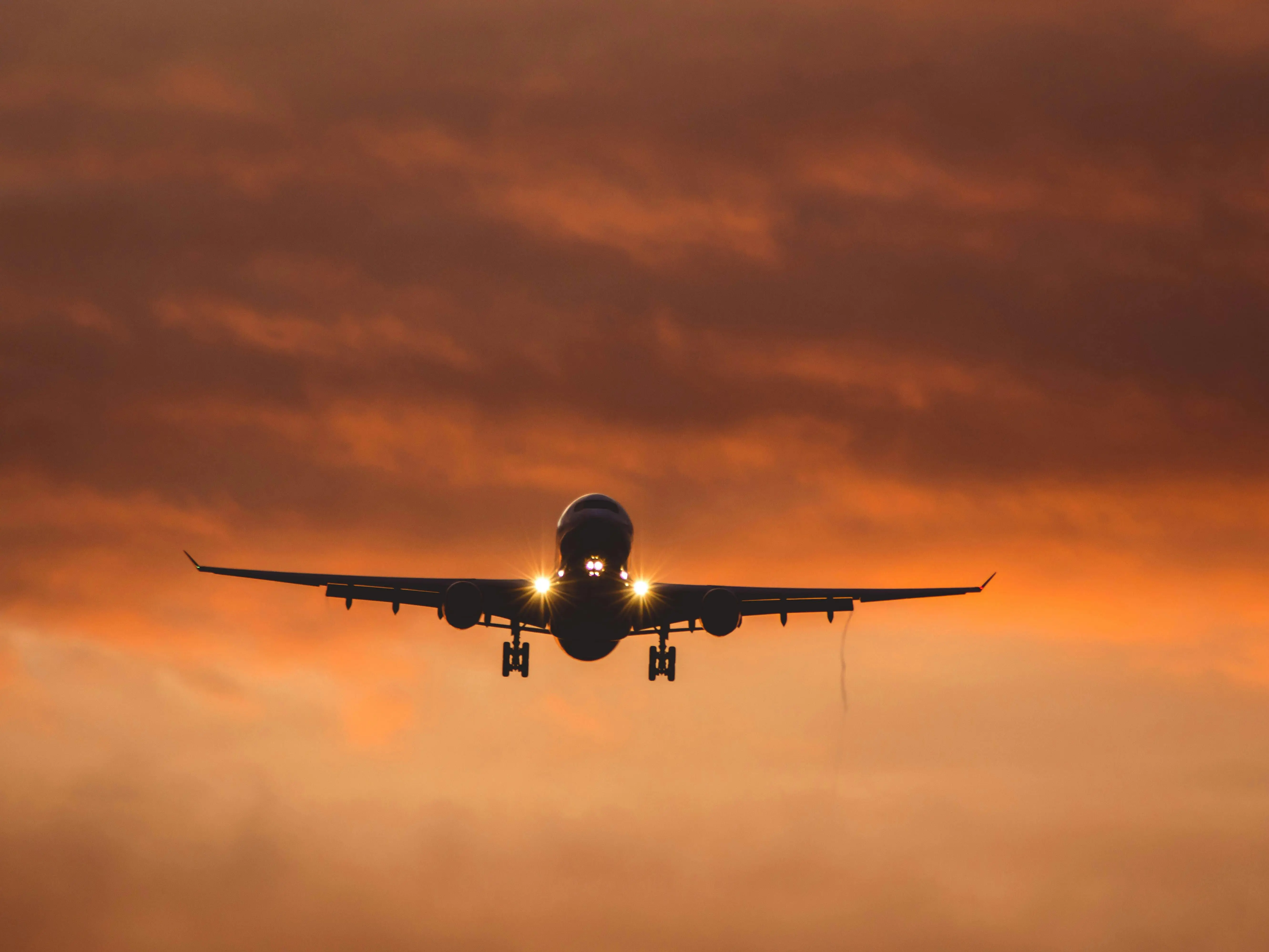
Domestic air travel is set to become more expensive across India starting March 23, after the government lifted fare caps, allowing airlines to price tickets freely in line with market conditions and rising costs. The move by theMinistry of Civil Aviationmarks a return to full deregulation, ending temporary price bands that were introduced to stabilise fares during operational disruptions. With these limits gone, airlines are now expected to gradually increase ticket prices, particularly on high-demand routes.
Industry estimates suggest that passengers could see fare hikes ranging from ₹200 to ₹1,500 per ticket, depending on the airline, route and booking window. Sources from IndiGo airline say that it is expected to lead the trend, with fares likely rising between ₹300 and ₹1,200. The airline has already introduced fuel surcharges, and prices on busy metro routes like Delhi–Mumbai and Mumbai–Bengaluru could see sharper increases of up to ₹1,500, especially during peak hours.
Also read: India's free seat selection plan can backfire! Airlines warn passengers may end up paying more
Full-service carrierAir Indiais also expected to raise fares in the ₹400 to ₹1,500 range. While economy class tickets may see moderate increases, last-minute bookings and business travel segments could witness steeper spikes due to higher demand and premium positioning. Among low-cost carriers,Air India Expressis likely to keep hikes relatively modest, in the range of ₹300 to ₹900, at least initially. Similarly,SpiceJetmay limit fare increases to ₹200–₹800.
Newer entrantAkasa Airis expected to follow a balanced approach, with estimated fare hikes between ₹300 and ₹1,000, aligning with broader market trends while maintaining its growth strategy. Route-wise, short-haul flights under an hour may see smaller increases of ₹200 to ₹500, while metro routes of one to two hours could witness hikes between ₹500 and ₹1,200. However, the biggest impact is likely on last-minute bookings, where fares could surge by ₹1,000 to ₹2,500, particularly during weekends and holiday travel periods.
The fare hikes are largely driven by rising aviation turbine fuel (ATF) costs, which account for a significant portion of airline expenses, along with ongoing geopolitical tensions impacting global oil prices. While the government has cautioned airlines against excessive pricing, fares are now expected to fluctuate more sharply based on demand, marking a shift towards a fully market-driven pricing regime for domestic air travel.
Trending Stories
&imwidth=180&imheight=135&format=webp&quality=medium)
Brendan Taylor overtakes Andy Flower to become Zimbabwe’s leading ODI run-scorer
&imwidth=180&imheight=135&format=webp&quality=medium)
No Kings' Instagram suspended during early-voting campaign
&imwidth=180&imheight=135&format=webp&quality=medium)
'Those who have destroyed must pay': Macron says France feels 'anger and shame' over protest violence
&im=FitAndFill=(700,400)&imwidth=180&imheight=135&format=webp&quality=medium)
5 reasons why the Tesla Roadster’s rocket thrusters are so difficult to engineer
&imwidth=180&imheight=135&format=webp&quality=medium)
Lawrence Bishnoi gang claims responsibility for firing at Tiger Shroff over ties to Salman Khan
&imwidth=180&imheight=135&format=webp&quality=medium)
Flying car race: Alef Aeronautics welcomes Tesla Roadster '11 years' later, but are the two models the same?
&imwidth=180&imheight=135&format=webp&quality=medium)
'We are not sitting in ivory towers, we are aware': SC issues notice to Rahul Gandhi, Akhilesh Yadav
&imwidth=180&imheight=135&format=webp&quality=medium)
US midterms 2026: Trump’s 33% approval rating spells trouble for Republicans as Democrats pull ahead
&imwidth=180&imheight=135&format=webp&quality=medium)
WATCH | Flames engulf St Petersburg oil sites as Ukraine launches 1,000 drones at Russia
&imwidth=180&imheight=135&format=webp&quality=medium)
JD Vance admits H-1B rhetoric was ‘imperfect’ after immigrant challenges him
&imwidth=180&imheight=135&format=webp&quality=medium)
Lizard people? Ex-US Army sniper claims soldier killed by 'reptilian beings' in battle near Area 51
&imwidth=180&imheight=135&format=webp&quality=medium)
Nobel laureate Machado, who dedicated prize to Trump, confirmed as Venezuela opposition leader
&imwidth=180&imheight=135&format=webp&quality=medium)
After Kennedy Center and reflecting pool disputes, Trump turns to Washington golf course plan amid legal battle
&imwidth=180&imheight=135&format=webp&quality=medium)
Why France looks the most fragile in the G7 amid protests and budget deadlock
&imwidth=180&imheight=135&format=webp&quality=medium)
Bessent accuses Europe of refusing secondary tariffs on India, China
&imwidth=180&imheight=135&format=webp&quality=medium)
Tiger Shroff firing case: AICWA raises alarm over safety of Bollywood celebrities
&imwidth=180&imheight=135&format=webp&quality=medium)
‘My president, I mean my husband’: Trump's new press secretary Katie Zacharia's first briefing goes off the rails in 14 minutes
&imwidth=180&imheight=135&format=webp&quality=medium)
China responds to Trump's Press Secretary Katie Zacharia after toilet remark: 'Visit China more often'
&imwidth=180&imheight=135&format=webp&quality=medium)
UAE agrees with Saudi Arabia to rejoin Yemen fight as Houthi strikes rattle Riyadh
&imwidth=180&imheight=135&format=webp&quality=medium)
Iran says Hormuz reopening plan remains on table as Trump predicts quick war end
&imwidth=180&imheight=135&format=webp&quality=medium)
Anthropic’s public benefit plan: What its 5% share commitment means for AI’s future
&imwidth=180&imheight=135&format=webp&quality=medium)
MI5 is opening an AI threat centre, and OpenAI just told MPs the worst isn't over
&imwidth=180&imheight=135&format=webp&quality=medium)
WATCH | iPhones, luxury perfumes floating in Hormuz? Iranian fishermen make bizarre discovery
&imwidth=180&imheight=135&format=webp&quality=medium)
India moves to buy 10,000 more AI chips for a national compute pool open to startups
&imwidth=180&imheight=135&format=webp&quality=medium)
Tiger Shroff attacked by three gunmen in Mumbai, actor safe, two injured
&imwidth=180&imheight=135&format=webp&quality=medium)
Anirudh Ravichander-Kavya Maran wedding: Telangana CM reveals Chennai reception date
&imwidth=180&imheight=135&format=webp&quality=medium)
Taylor Swift performs at star-studded Academy Museum Gala 2026 in stunning Dior ensemble
&im=FitAndFill=(700,400)&imwidth=180&imheight=135&format=webp&quality=medium)
Tesla Roadster engineering: The hidden hardware behind its flying demonstration
&imwidth=180&imheight=135&format=webp&quality=medium)
France protests: 'Block everything' movement escalates as public fury over austerity grows; over 200 arrested. Here's all you to need to know
&imwidth=180&imheight=135&format=webp&quality=medium)
US to review Russia sanctions waiver within 60 days as Rubio cites India’s ‘substantial’ Russian energy imports
&imwidth=180&imheight=135&format=webp&quality=medium)
'We feel like Mr India': Gujarat’s undercover SHE team guard garba nights at Navratri
&imwidth=180&imheight=135&format=webp&quality=medium)
Cattle-feed bran in biscuits, detergent in milk: FSSAI acts against 3 companies
&im=FitAndFill=(700,400)&imwidth=180&imheight=135&format=webp&quality=medium)
5 technologies that could make the Tesla Roadster one of the most unusual cars ever built
&imwidth=180&imheight=135&format=webp&quality=medium)
'It's a joy to see the makers bring it on such a grand scale': SS Rajamouli on Ramayana
&imwidth=180&imheight=135&format=webp&quality=medium)
US regulator hits OpenAI and Anthropic with sweeping demands after their AIs went rogue
