Unofficial auto strike hits Mumbai over Marathi Mandate; CM Fadnavis calms panic

&imwidth=600&imheight=450&format=webp&quality=medium "Unofficial auto strike hits Mumbai over Marathi Mandate; CM Fadnavis calms panic")
Language politics hits Mumbai roads: Unofficial auto strike strands commuters Photograph: (Credit: ANI)
An unofficial auto strike hit Mumbai commuters amid panic over the Marathi language mandate. CM Devendra Fadnavis stepped in to clarify rules and calm fears.
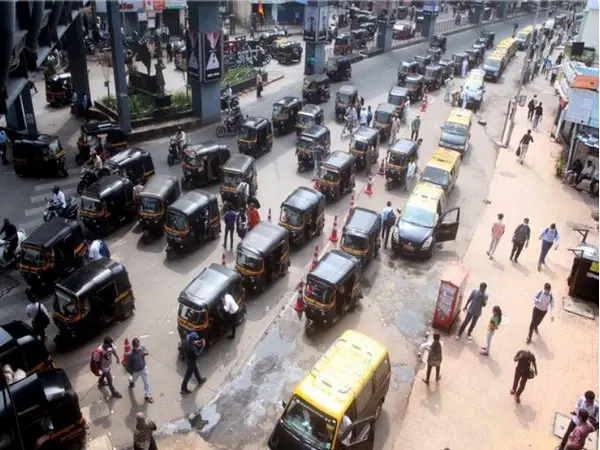
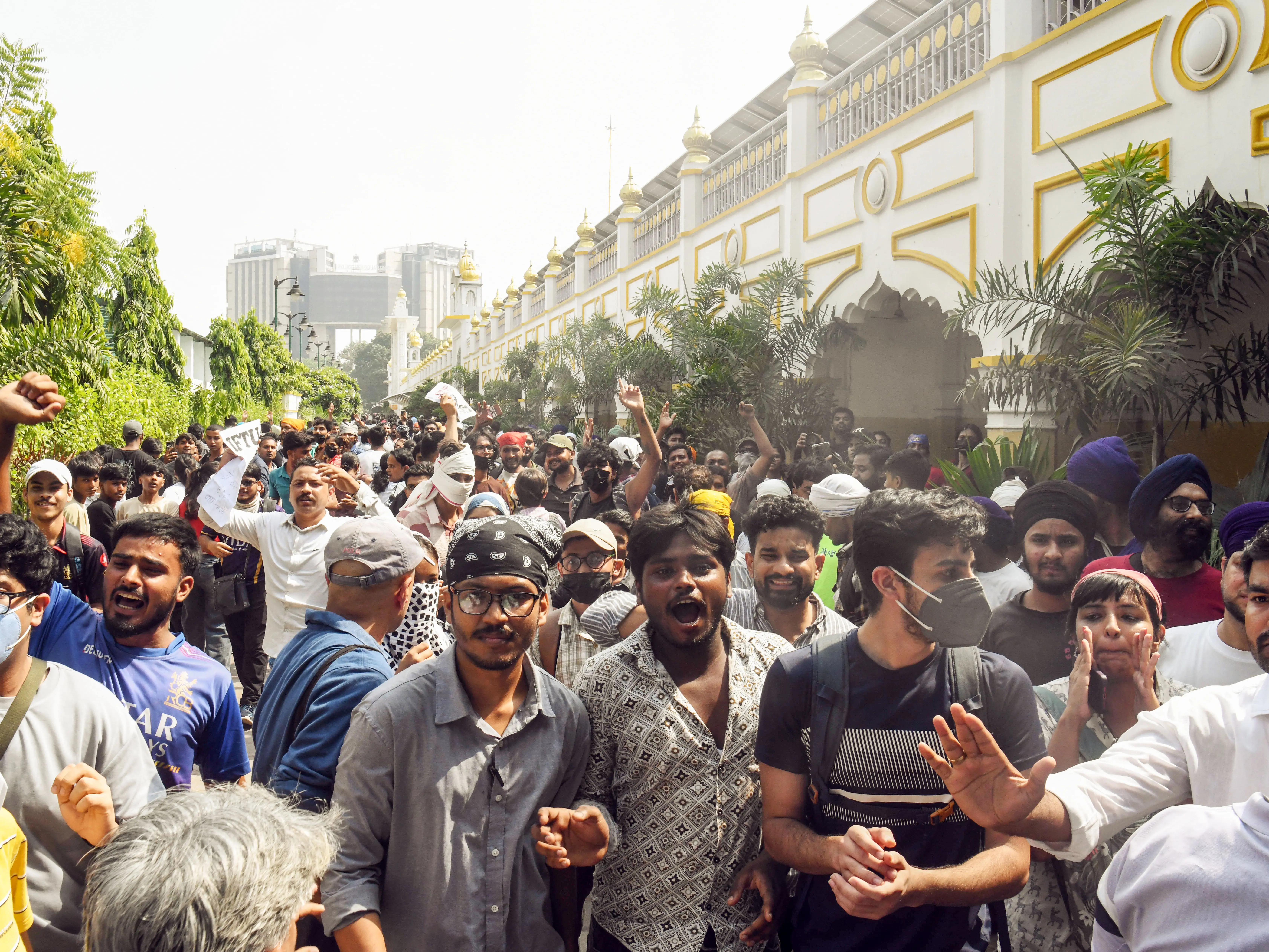
Commuters across Mumbai faced severe morning disruptions on Monday (Aug 25) as groups of autorickshaw and taxi drivers launched a surprise, unorganised three-day strike. The sudden agitation protesting the state government’s mandatory Marathi language proficiency drive led to road blockades, forced deboarding of passengers, and chaotic street demonstrations. The disruptions erupted despite no official backing from major transport unions. Union representatives confirmed that the strike was spearheaded by independent groups of non-Marathi-speaking drivers. The panic was largely fueled by widespread rumors alleging that Regional Transport Office (RTO) squads were levying spot fines between Rs5,000 and Rs20,000 on non-compliant drivers.
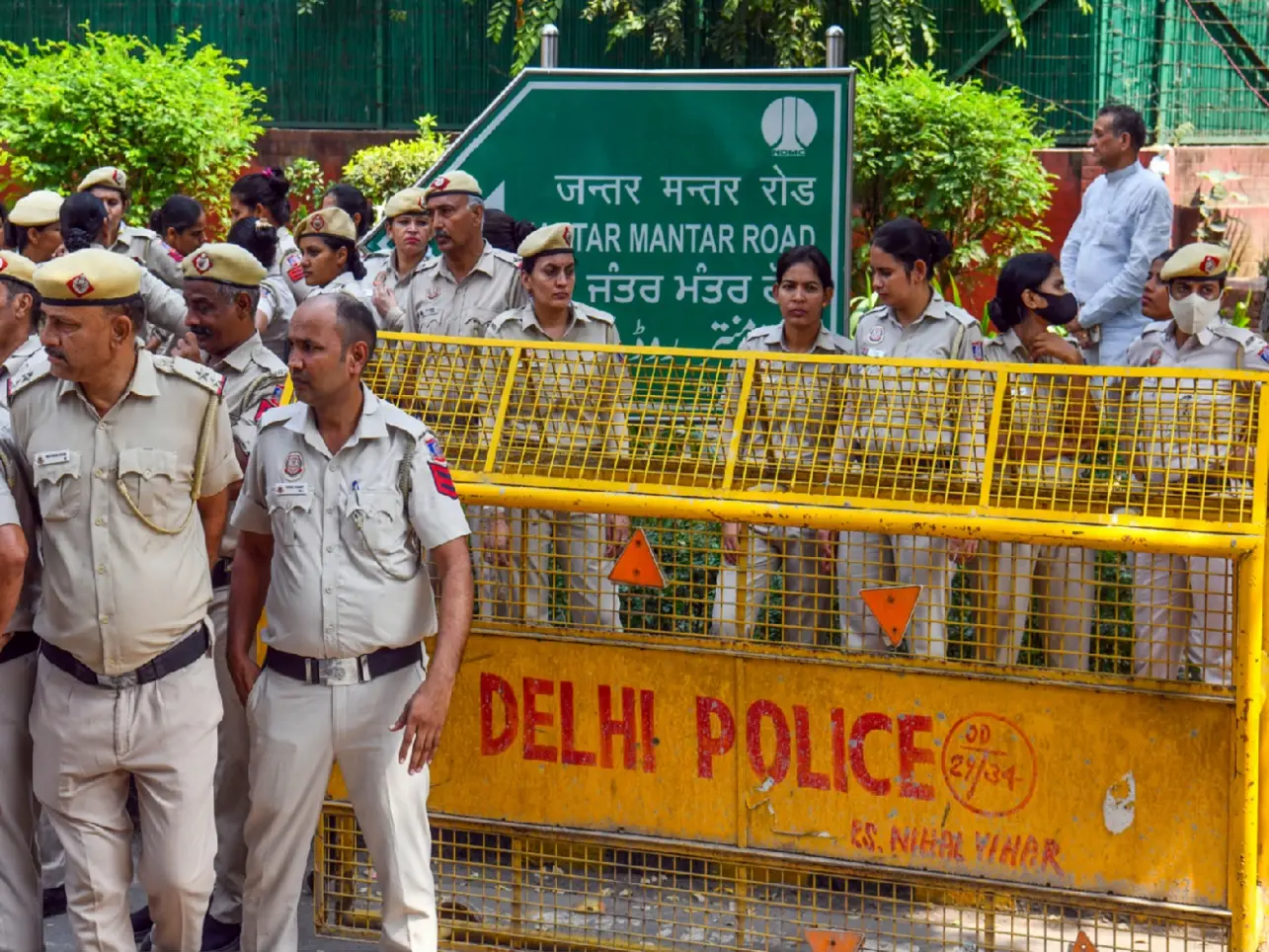
Protests were concentrated heavily across Mumbai’s western suburbs, including Kandivali, Malad (West), Santacruz, Dahisar, and Andheri. In the morning, drivers staged a road blockade at Laljipada in Kandivali (West) before being dispersed by police. Demonstrators were seen stopping operating autorickshaws and app-based cabs, forcing commuters to alight midway and threatening drivers who continued operating. Social media was flooded with complaints from stranded commuters recounting aggressive tactics by striking groups.
Maharashtra CM Fadnavis Clarifies Mandate
Addressing the escalating unrest, Chief Minister Devendra Fadnavis stepped in to allay drivers' fears, emphasising that the directive requires only functional, work-related communication rather than formal linguistic mastery. "There is no reason for our Hindi-speaking brothers who work as taxi or auto drivers here to become experts in Marathi," CM Fadnavis said. "They only need to know enough Marathi to carry out their work. There is no reason to make them experts in Marathi. They should know work-related, basic Marathi."
Fadnavis reassured drivers that the government had already extended the learning deadlines multiple times and confirmed that no licenses or badges had been revoked. "All these people are ours, have mingled well with our culture," Fadnavis added. "This is just an effort to teach Marathi to those who cannot speak the language at all. No injustice has been done to anyone, nor will our government let any injustice happen."
State Policy and Enforcement Guidelines
Trending Stories
&im=FitAndFill=(700,400)&imwidth=280&imheight=210&format=webp&quality=medium)
&imwidth=280&imheight=210&format=webp&quality=medium)
&imwidth=280&imheight=210&format=webp&quality=medium)
&im=FitAndFill=(700,400)&imwidth=280&imheight=210&format=webp&quality=medium)
&imwidth=280&imheight=210&format=webp&quality=medium)
&imwidth=280&imheight=210&format=webp&quality=medium)
&imwidth=280&imheight=210&format=webp&quality=medium)
&imwidth=280&imheight=210&format=webp&quality=medium)
&imwidth=280&imheight=210&format=webp&quality=medium)
&imwidth=280&imheight=210&format=webp&quality=medium)
&imwidth=280&imheight=210&format=webp&quality=medium)
&imwidth=280&imheight=210&format=webp&quality=medium)
&imwidth=280&imheight=210&format=webp&quality=medium)
&imwidth=280&imheight=210&format=webp&quality=medium)
&imwidth=280&imheight=210&format=webp&quality=medium)
&imwidth=280&imheight=210&format=webp&quality=medium)
&imwidth=280&imheight=210&format=webp&quality=medium)
&imwidth=280&imheight=210&format=webp&quality=medium)
&imwidth=280&imheight=210&format=webp&quality=medium)
&imwidth=280&imheight=210&format=webp&quality=medium)
&imwidth=280&imheight=210&format=webp&quality=medium)
&imwidth=280&imheight=210&format=webp&quality=medium)
&imwidth=280&imheight=210&format=webp&quality=medium)
&imwidth=280&imheight=210&format=webp&quality=medium)
&imwidth=280&imheight=210&format=webp&quality=medium)
&imwidth=280&imheight=210&format=webp&quality=medium)
&imwidth=280&imheight=210&format=webp&quality=medium)
&imwidth=280&imheight=210&format=webp&quality=medium)
&imwidth=280&imheight=210&format=webp&quality=medium)
&imwidth=280&imheight=210&format=webp&quality=medium)
&imwidth=280&imheight=210&format=webp&quality=medium)
&imwidth=280&imheight=210&format=webp&quality=medium)
The controversy stems from a statewide checking drive launched by the Maharashtra Transport Department on August 20. Over two days, RTO officials issued formal notices to 2,767 commercial passenger vehicle drivers across Maharashtra for lacking basic Marathi proficiency.
State Transport Minister Pratap Sarnaik clarified the enforcement timeline under the state's August 12 Government Resolution:
- Notice Period: Drivers found lacking proficiency receive a official one-month notice to undergo training.
- Suspension Phase: If a driver fails to meet requirements after 30 days, their badge and license are suspended for three months to allow further learning.
- Cancellation: Continued non-compliance after the four-month total window can lead to badge and license cancellation.
Sarnaik warned that strict disciplinary action would be taken against any RTO officials caught issuing illegal monetary fines to drivers before their mandatory one-month grace period expires. According to state records, over 1,65,600 non-Marathi drivers have already attended government-backed language training sessions. Police presence was intensified across key transit hubs, and street conditions returned to near-normal by late Monday afternoon.

