Supreme Court declines to intervene in CJP's September 5 march, leaves law-and-order decision to Centre and Delhi government

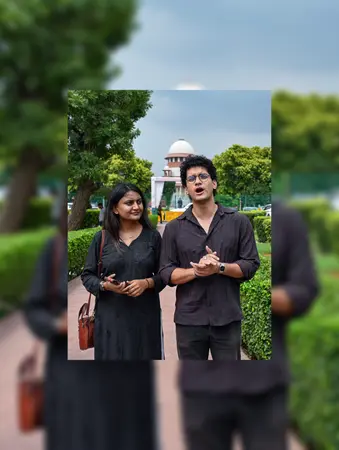
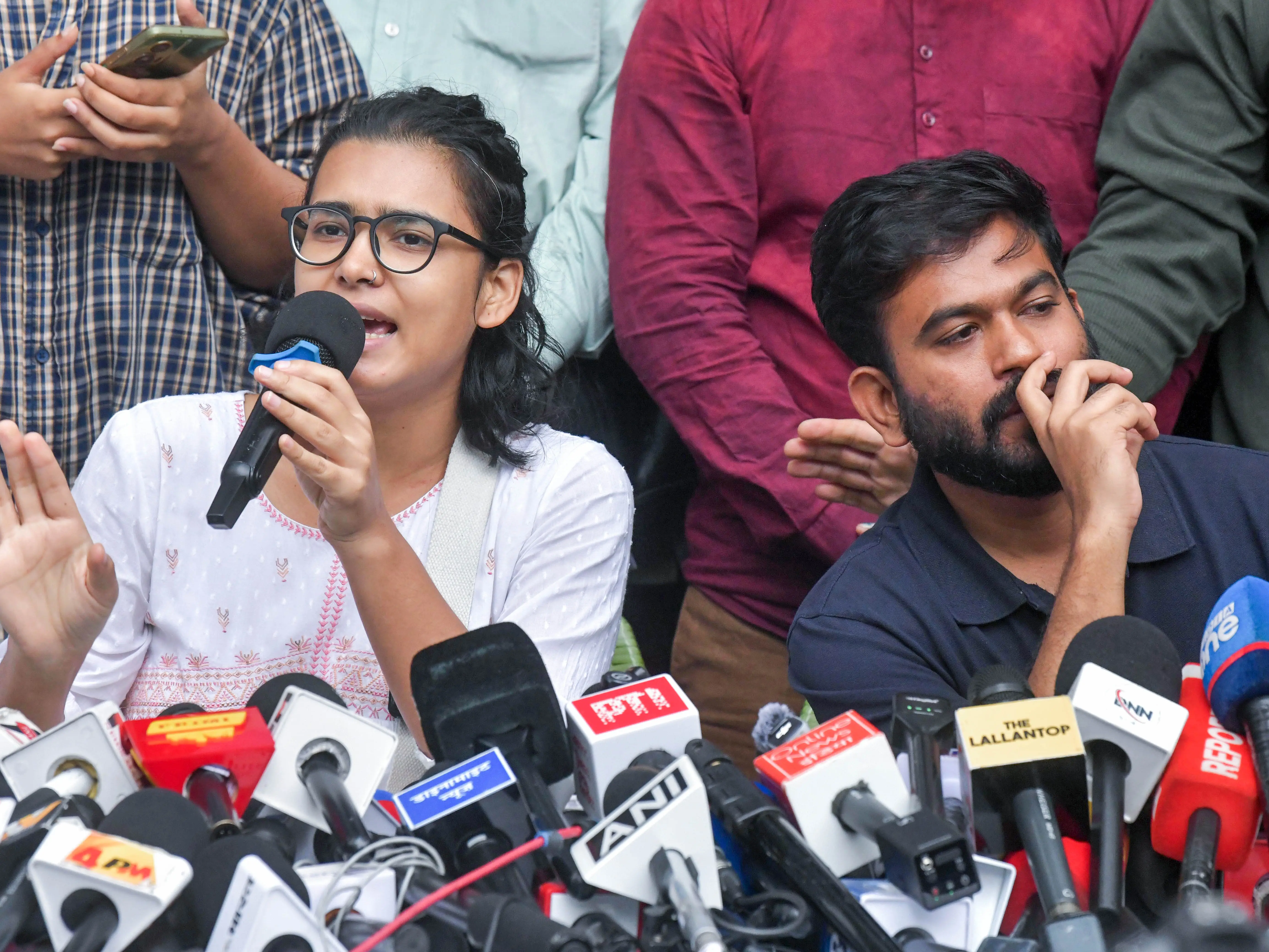
CJP Spokesperson Saurav Das speaks to media at Supreme Court premises Photograph: (ANI)
Supreme Court declines to stop CJP’s September 5 Delhi march, leaving permission and law-and-order arrangements to the Centre and Delhi government
The Supreme Court on Monday (August 31) declined to interfere with the proposed September 5 protest march in Delhi by the Cockroach Janta Party (CJP), leaving the decision on permissions and law-and-order arrangements to the Centre and Delhi governments. A bench headed by Chief Justice of India Surya Kant, along with Justices Joymalya Bagchi and V Mohana, said there were no compelling circumstances at this stage to presume that the proposed mobilisation would turn violent. The court stressed that all participants and authorities must act peacefully and within the legal framework.
“We have no reason to doubt that everyone will behave in a peaceful and lawful manner…As of now, there are no compelling circumstances before us to presume or assume anything otherwise,” said the bench. “We are confident that everyone will follow the law, regulatory measures and they will also respect each other’s right -- whether fundamental rights or statutory rights under the existing legal framework,” the bench added.
The court was hearing petitions filed by Shiv Upadhyay and retired Delhi Police officer Rajendra Singh, who sought restrictions on large-scale mobilisations, marches and organised demonstrations in security-sensitive parts of Lutyens’ Delhi, including India Gate and Central Vista. The petitioners also sought postponement or modification of the proposed September 5 march until after the BRICS Summit, scheduled to be held in Delhi on September 12 and 13.
Appearing for Singh, advocate Rizwan Ahmad argued that the organisers had announced another march without obtaining police permission. “How can again they announce a similar march for September 5? They have no permission. These things lead to lawlessness,” Ahmad submitted. He urged the court to defer the mobilisation until after the BRICS Summit, arguing that any untoward incident in the national capital ahead of the international gathering could attract significant global attention. “They have tasted blood and if there is any violence, even a small lathi charge, international media is going to broadcast it and the issue will be highlighted,” Ahmad said.
The Supreme Court, however, declined to intervene in the matter, distinguishing between law-and-order decisions and issues that fall within its judicial domain. “This has to be considered in some other quarter. It is not for us to intervene,” the bench stressed.
Trending Stories
&imwidth=280&imheight=210&format=webp&quality=medium)
&im=FitAndFill=(700,400)&imwidth=280&imheight=210&format=webp&quality=medium)
&imwidth=280&imheight=210&format=webp&quality=medium)
&imwidth=280&imheight=210&format=webp&quality=medium)
&imwidth=280&imheight=210&format=webp&quality=medium)
&im=FitAndFill=(700,400)&imwidth=280&imheight=210&format=webp&quality=medium)
&imwidth=280&imheight=210&format=webp&quality=medium)
&imwidth=280&imheight=210&format=webp&quality=medium)
&imwidth=280&imheight=210&format=webp&quality=medium)
&imwidth=280&imheight=210&format=webp&quality=medium)
&imwidth=280&imheight=210&format=webp&quality=medium)
&imwidth=280&imheight=210&format=webp&quality=medium)
&imwidth=280&imheight=210&format=webp&quality=medium)
&imwidth=280&imheight=210&format=webp&quality=medium)
&imwidth=280&imheight=210&format=webp&quality=medium)
&imwidth=280&imheight=210&format=webp&quality=medium)
&im=FitAndFill=(700,400)&imwidth=280&imheight=210&format=webp&quality=medium)
&imwidth=280&imheight=210&format=webp&quality=medium)
&imwidth=280&imheight=210&format=webp&quality=medium)

&imwidth=280&imheight=210&format=webp&quality=medium)
&imwidth=280&imheight=210&format=webp&quality=medium)
&imwidth=280&imheight=210&format=webp&quality=medium)
&imwidth=280&imheight=210&format=webp&quality=medium)
&imwidth=280&imheight=210&format=webp&quality=medium)
&imwidth=280&imheight=210&format=webp&quality=medium)

&imwidth=280&imheight=210&format=webp&quality=medium)
&imwidth=280&imheight=210&format=webp&quality=medium)
&imwidth=280&imheight=210&format=webp&quality=medium)
&imwidth=280&imheight=210&format=webp&quality=medium)
&imwidth=280&imheight=210&format=webp&quality=medium)
&imwidth=280&imheight=210&format=webp&quality=medium)
&im=FitAndFill=(700,400)&imwidth=280&imheight=210&format=webp&quality=medium)
The court said responsibility for maintaining law and order lies with the Centre and the Delhi government, which must determine whether the proposed march can be held and, if so, under what conditions.
“These are the issues to be considered by the law-and-order authority. It is for that authority to say what is legal and what is illegal. We expect both sides will act in accordance with the legal framework and will act in a lawful and reasonable manner,” the bench said.
When Ahmad sought liberty to approach the Supreme Court again on September 3 or 4 if the organisers had still not obtained permission, the bench said the matter could be brought before it if an alarming or untoward situation developed and the issue fell within the court’s judicial domain. “If any untoward incident happens, you can always come to us…if something alarming is happening, also provided the issue falls in the core judicial domain, you can mention before us on any day,” it said.
The court also refused a request to summon representatives of the CJP, observing that there was no identified or organised entity before it that could be directed to appear. “There is no organised or identified group before us that we can request to appear before us,” the bench said. “It is for the government of Delhi and India to act. That is why we are saying serve the copies on the governments,” it added.

