Supreme Court backs 'right to vote in the country where you are born,' says it's a 'sentimental' right

&imwidth=600&imheight=450&format=webp&quality=medium "Supreme Court backs 'right to vote in the country where you are born,' says it's a 'sentimental' right")
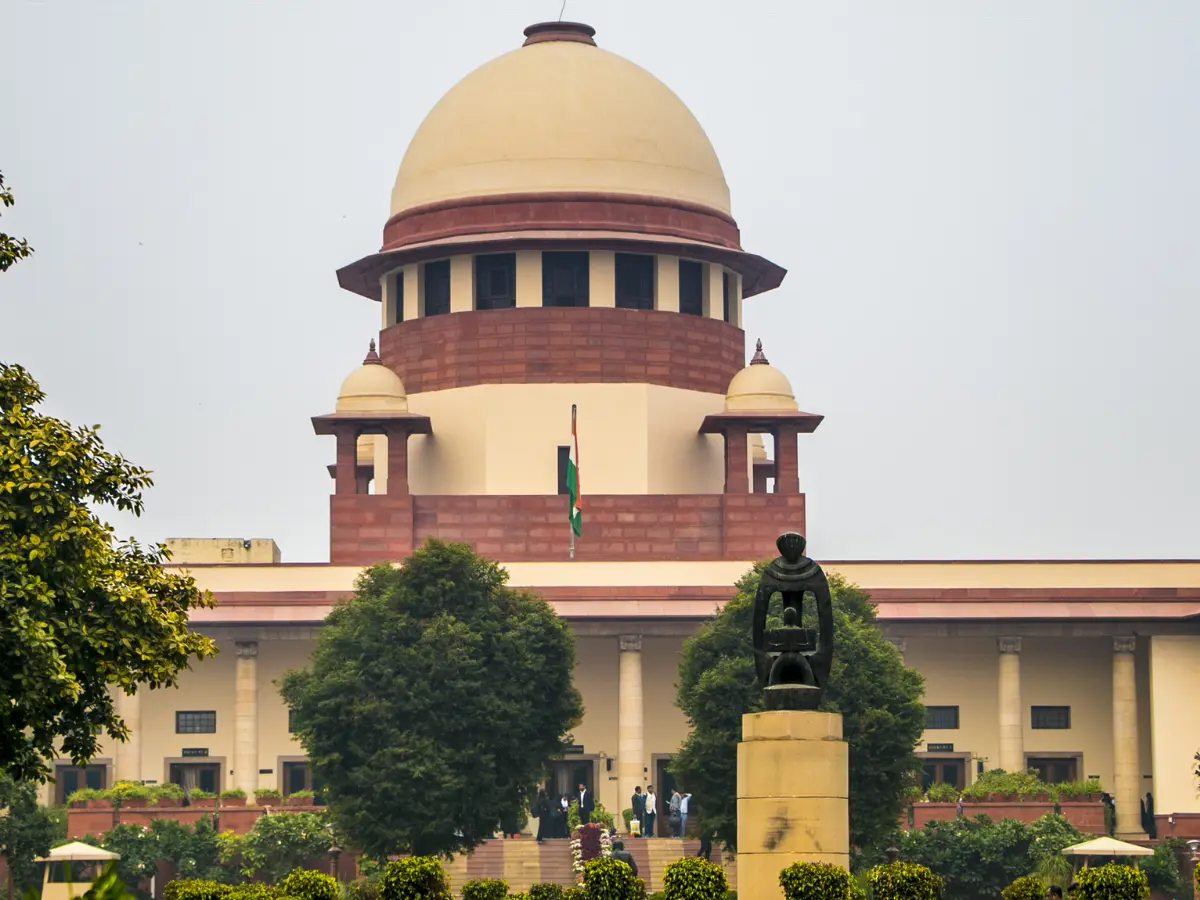
File Photo: Supreme Court of India Photograph: (Agencies)
What did the Supreme Court of India just say about voting rights ahead of West Bengal elections? The bench said being born in India carries not just a constitutional, but a “sentimental” right to vote—calling it the strongest expression of citizenship. Scroll down to read more.
The Supreme Court of India on Monday (Apr 13) made a pointed observation in the middle of the West Bengal electoral roll controversy, with a bench led by CJI Surya Kant, Justice Joymalya Bagchi stating that a person born in India holds not just a constitutional but a sentimental right to remain on the voter list and participate in electing a government. "Somewhere we are getting blinded by the dust and fury of an impending election," said the Justice.
Born in India = Vote in India?
"The right to remain on the roll and the right to vote in the country where you are born is something which is not only constitutional but also sentimental. It is the biggest expression of nationality and patriotism that you are in a participatory process to elect a democratic government. This is something we need to seriously think about," said Justice Bagchi.
The remarks come just ahead of West Bengal's two-phase assembly elections on April 23 and April 29.
What about illegal immigrants born in India?
Trending Stories
&imwidth=280&imheight=210&format=webp&quality=medium)
&imwidth=280&imheight=210&format=webp&quality=medium)
&imwidth=280&imheight=210&format=webp&quality=medium)
&imwidth=280&imheight=210&format=webp&quality=medium)
&imwidth=280&imheight=210&format=webp&quality=medium)
&imwidth=280&imheight=210&format=webp&quality=medium)
&im=FitAndFill=(700,400)&imwidth=280&imheight=210&format=webp&quality=medium)
&imwidth=280&imheight=210&format=webp&quality=medium)
&imwidth=280&imheight=210&format=webp&quality=medium)
&imwidth=280&imheight=210&format=webp&quality=medium)
&imwidth=280&imheight=210&format=webp&quality=medium)
&imwidth=280&imheight=210&format=webp&quality=medium)
&imwidth=280&imheight=210&format=webp&quality=medium)
&imwidth=280&imheight=210&format=webp&quality=medium)
&imwidth=280&imheight=210&format=webp&quality=medium)
&imwidth=280&imheight=210&format=webp&quality=medium)
&imwidth=280&imheight=210&format=webp&quality=medium)
&imwidth=280&imheight=210&format=webp&quality=medium)
&imwidth=280&imheight=210&format=webp&quality=medium)
&imwidth=280&imheight=210&format=webp&quality=medium)
&imwidth=280&imheight=210&format=webp&quality=medium)
&imwidth=280&imheight=210&format=webp&quality=medium)
&imwidth=280&imheight=210&format=webp&quality=medium)
&imwidth=280&imheight=210&format=webp&quality=medium)
&imwidth=280&imheight=210&format=webp&quality=medium)
&imwidth=280&imheight=210&format=webp&quality=medium)
&imwidth=280&imheight=210&format=webp&quality=medium)
&imwidth=280&imheight=210&format=webp&quality=medium)
&imwidth=280&imheight=210&format=webp&quality=medium)
&imwidth=280&imheight=210&format=webp&quality=medium)
&imwidth=280&imheight=210&format=webp&quality=medium)
&imwidth=280&imheight=210&format=webp&quality=medium)
&imwidth=280&imheight=210&format=webp&quality=medium)
&imwidth=280&imheight=210&format=webp&quality=medium)
&imwidth=280&imheight=210&format=webp&quality=medium)
&imwidth=280&imheight=210&format=webp&quality=medium)
The court did not, however, clarify whether the same principle would cover those born to illegal migrants in India, a distinction that sits at the heart of the dispute over the Special Intensive Revision of electoral rolls currently underway in the state.
The bench, led by Chief Justice Surya Kant, declined to allow those cleared by appellate tribunals to vote immediately, insisting that the formal adjudication process must run its course first. "We will not entertain any plea for inclusion prior to adjudication on appeals," the bench said in its order, directing petitioners to seek out-of-turn hearings before the tribunals instead. "Let the tribunals decide the appeals, and we will determine the future course of action."
Justice Bagchi drew attention to a specific scenario that he said would warrant judicial intervention: if a constituency sees 10 per cent of its voters deleted from the roll, but the winning margin is only 2 per cent, the court indicated it would take a closer look. Where victory margins are wide enough to absorb the deletions without affecting the outcome, the bench suggested it would be less inclined to intervene. "If in a constituency, the victory margin is 2% and the deletion is 10%, then we will consider such cases," he said.

