Thirteen reported dead following earthquake in Afghanistan, Pakistan; tremors felt in India's capital

Earthquake India
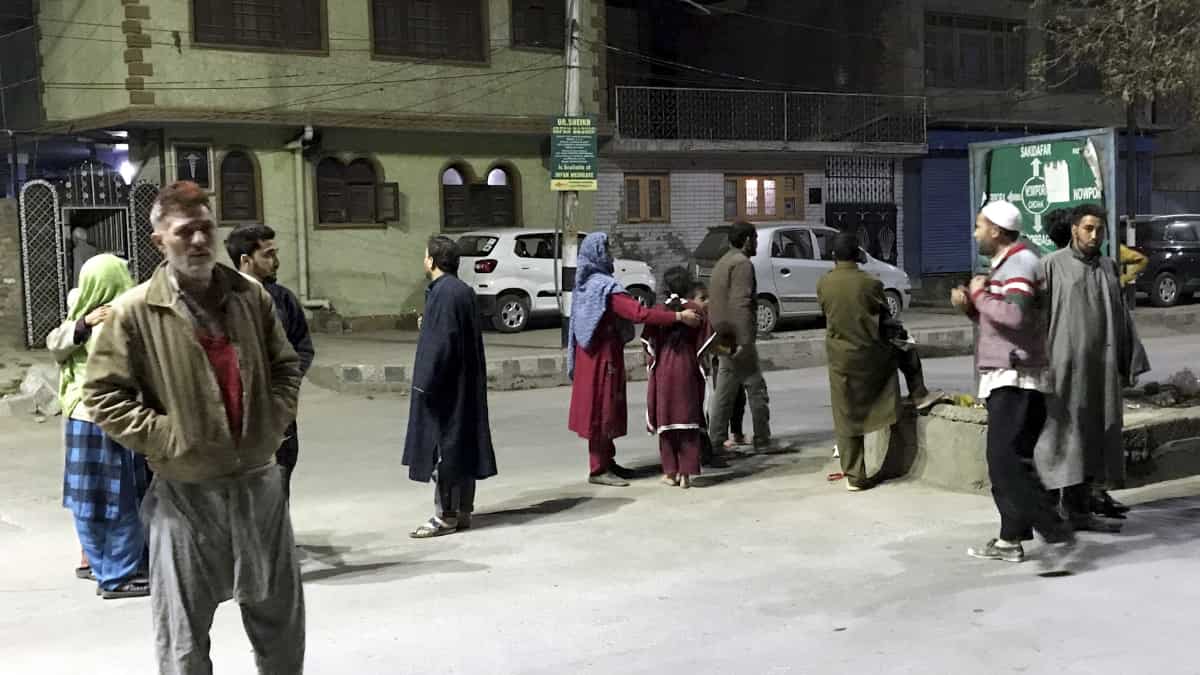
The Indian subcontinent on Tuesday late evening was hit by strong earthquake tremors of 6.5magnitude. With Afghanistan's Hindukush mountain range as its epicentre, the tremors were felt across Afghanistan, Pakistan and northern India, including in the capital New Delhi and the National Capital Region. At least 13people have reportedly died.
Nine were killed and 44 injured in northwest Pakistan, a Pakistani government official said. Hospitals in northern Khyber Pakhtunkhwa province were put into a state of emergency overnight. At least four people were killed and 50 injured in Afghanistan, a health ministry official there said.
A 13-year-old girl was among the casualties who died when a wall in her home collapsed on her.At least 150 people were injured in the northern Pakistani district of Swat where hospitals had declared a state of emergency.Authorities and aid workers reported very strong tremors in Badakhshan and across other northern areas. Officials are trying to reach Badakhshan's remote villages where there is no internet or phone service to see if there were any casualties or damage.

The epicentre of the earthquake was 156 km deep inside earth, according to India's National Centrefor Seismology. The earthquake tremors were felt at 10:17 PM (Indian Standard Time or 4:17 PM, Greenwich Mean Time). The tremors continued for several minutes.
ALSO READ |Massive earthquakes can hit the Himalayan region any time, warns NGRI chief scientist
)
Bigg Boss 20: Uditi Singh reacts to ex Karan Wahi’s possible wildcard entry
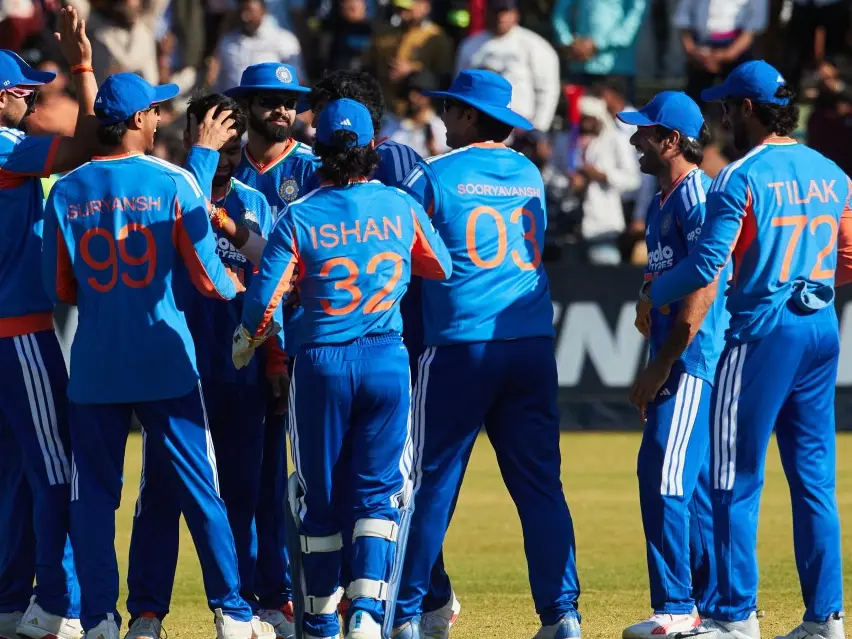)
IND vs AFG, 1st T20I: When and where to watch live streaming in India?
)
'He is popular...': Malaysian PM Anwar Ibrahim's praise for PM Modi during bilateral meeting | WATCH
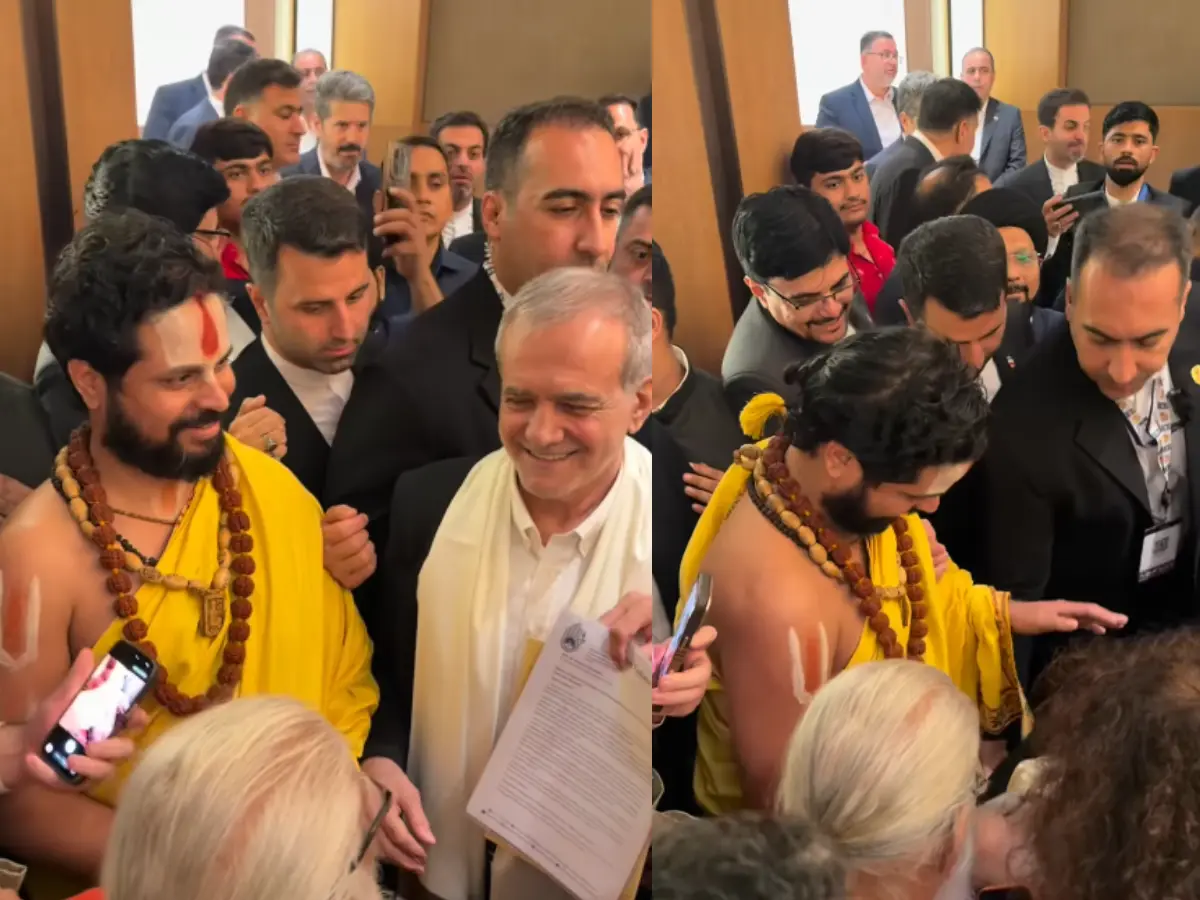)
Did Iran President Pezeshkian touch feet of Hindu spiritual leader at Delhi event as shown in viral video?
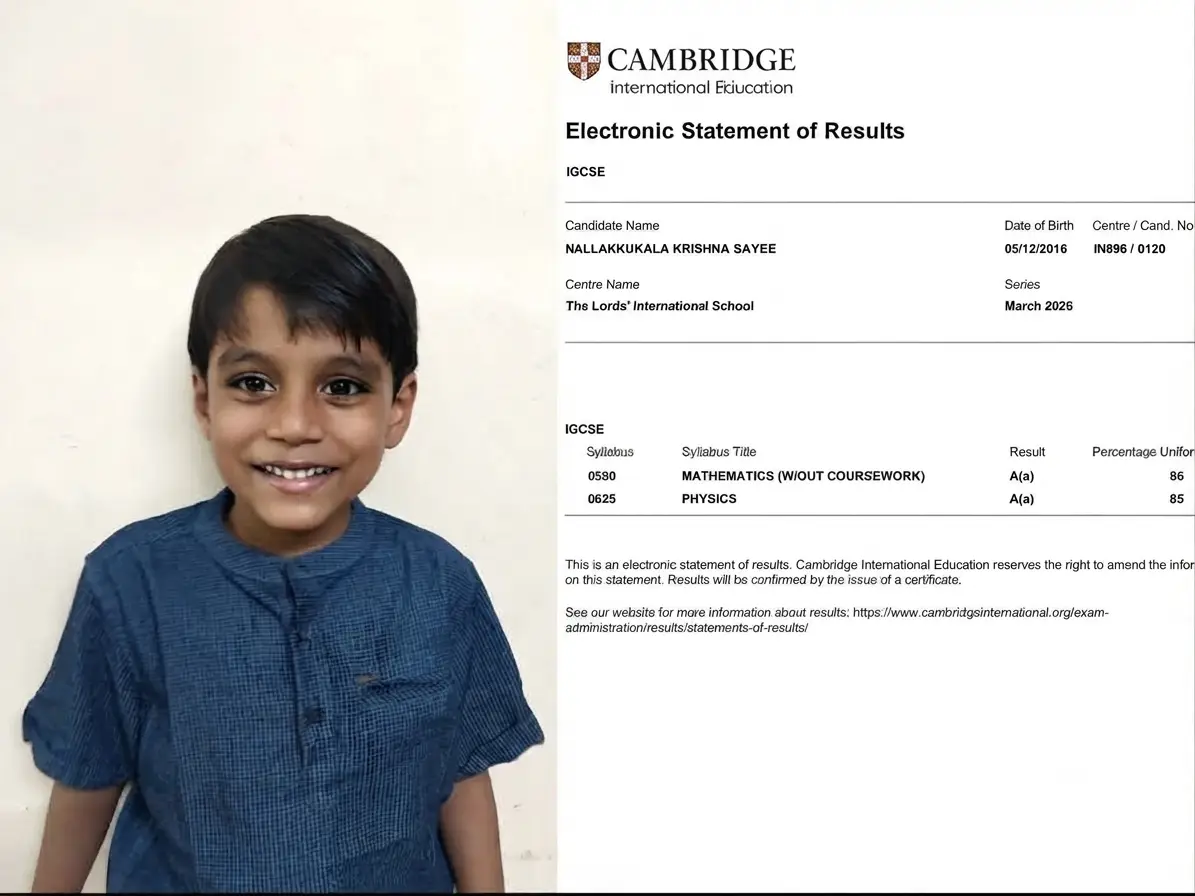)
9-year-old Chennai prodigy clears Cambridge IGCSE grade 10 exams
)
BRICS Summit 2026: PM Modi, Xi reach key consensus on ties, China to assume BRICS chairmanship in 2027
)
Humans may lose control of AI: Anthropic CEO calls for slowdown, Altman, Musk back him
)
Could staying indoors all day affect your health?
)
BRICS Summit 2026: Iran's Pezeshkian praises PM Modi at BRICS
)
Why dehydration is the hidden cause of travel fatigue on long flights
)
Why going digital does not always mean becoming more efficient
)
BRICS Summit: China resumes Guangzhou-New Delhi flight, issues 'good-neighbourliness' remark ahead of Xi-Modi meet
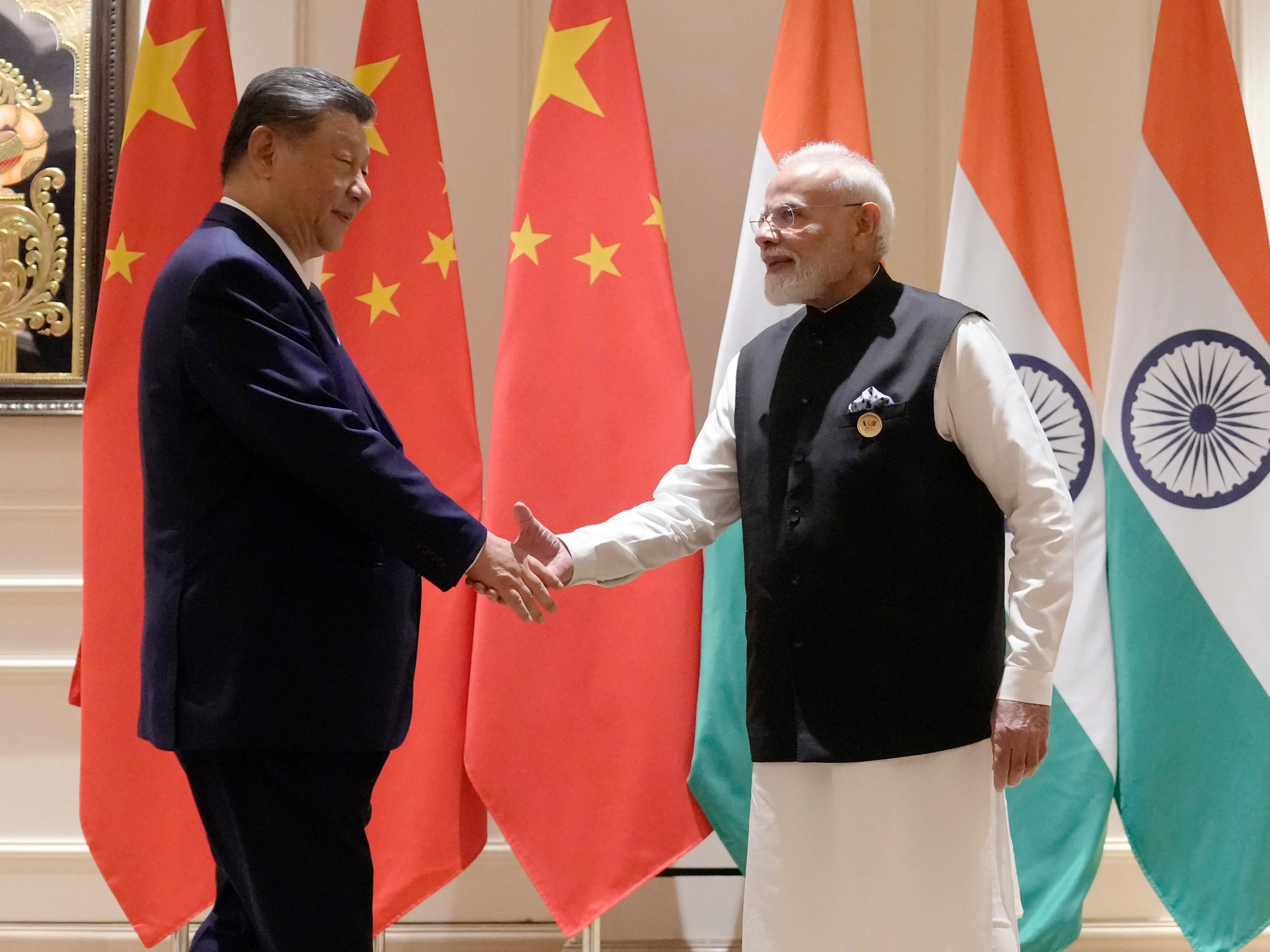)
‘Partners, not rivals’: Xi outlines four point plan for stronger India-China ties
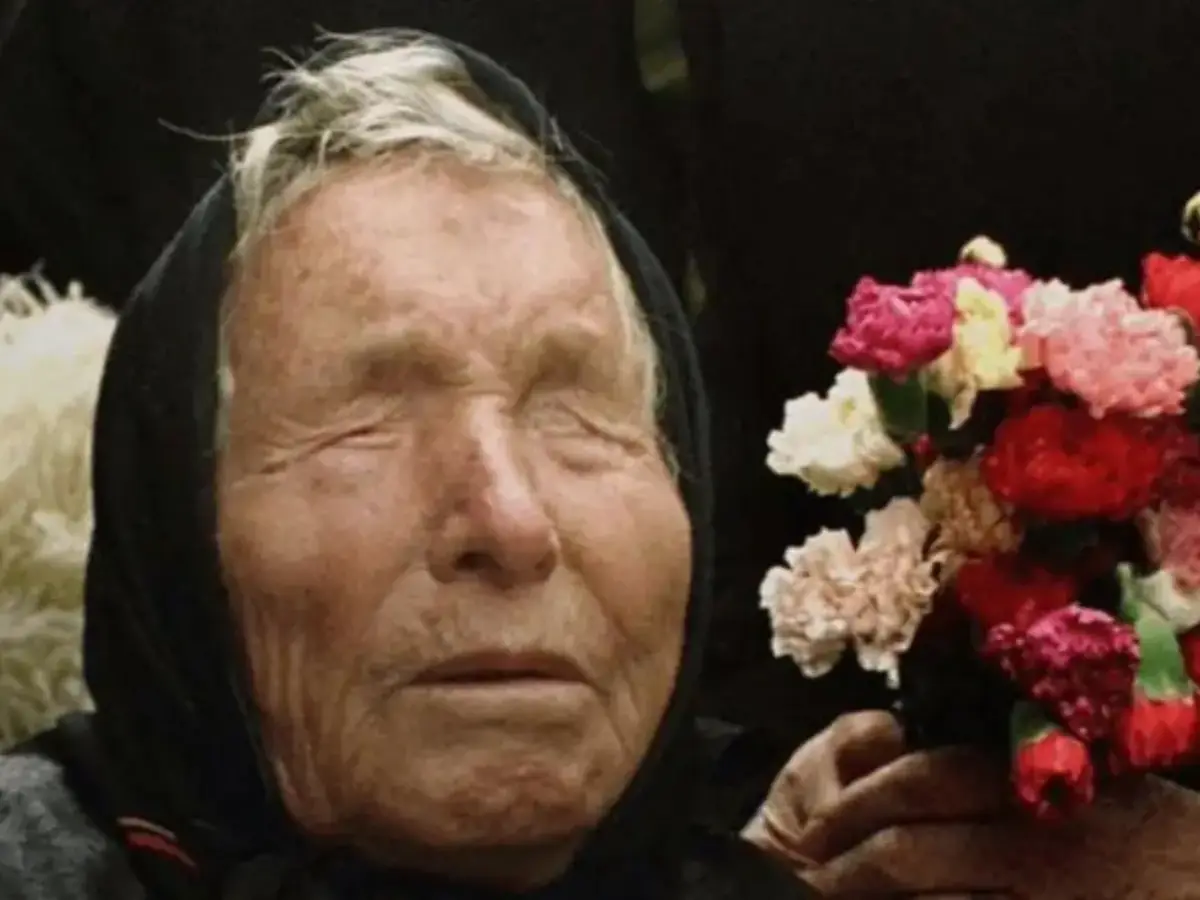)
Baba Vanga's first prophecy for 2027 is out, and straight out of science fiction
)
Anthropic is giving Claude to schools free, and the reason is not philanthropy
)
9/11 attack anniversary: The day that changed America forever
)
BRICS Summit 2026: 30+ countries seek BRICS membership
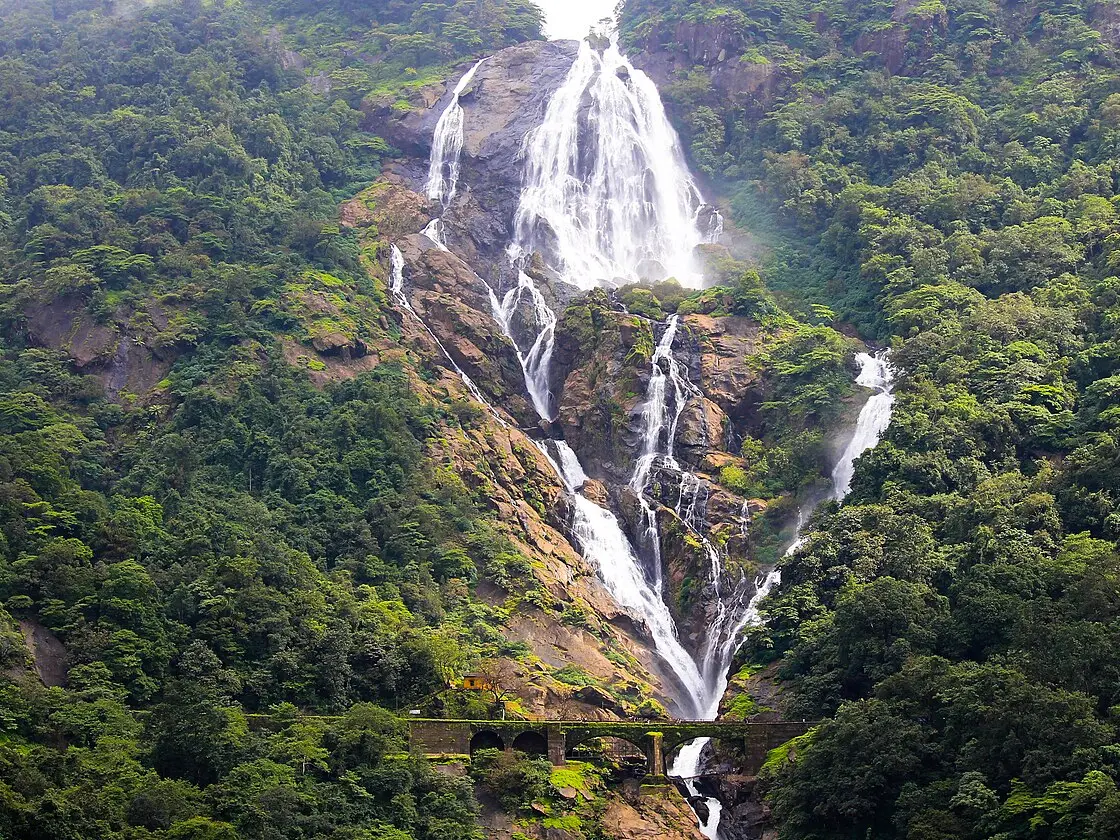)
Top 5 places to visit in Goa beyond its famous beaches
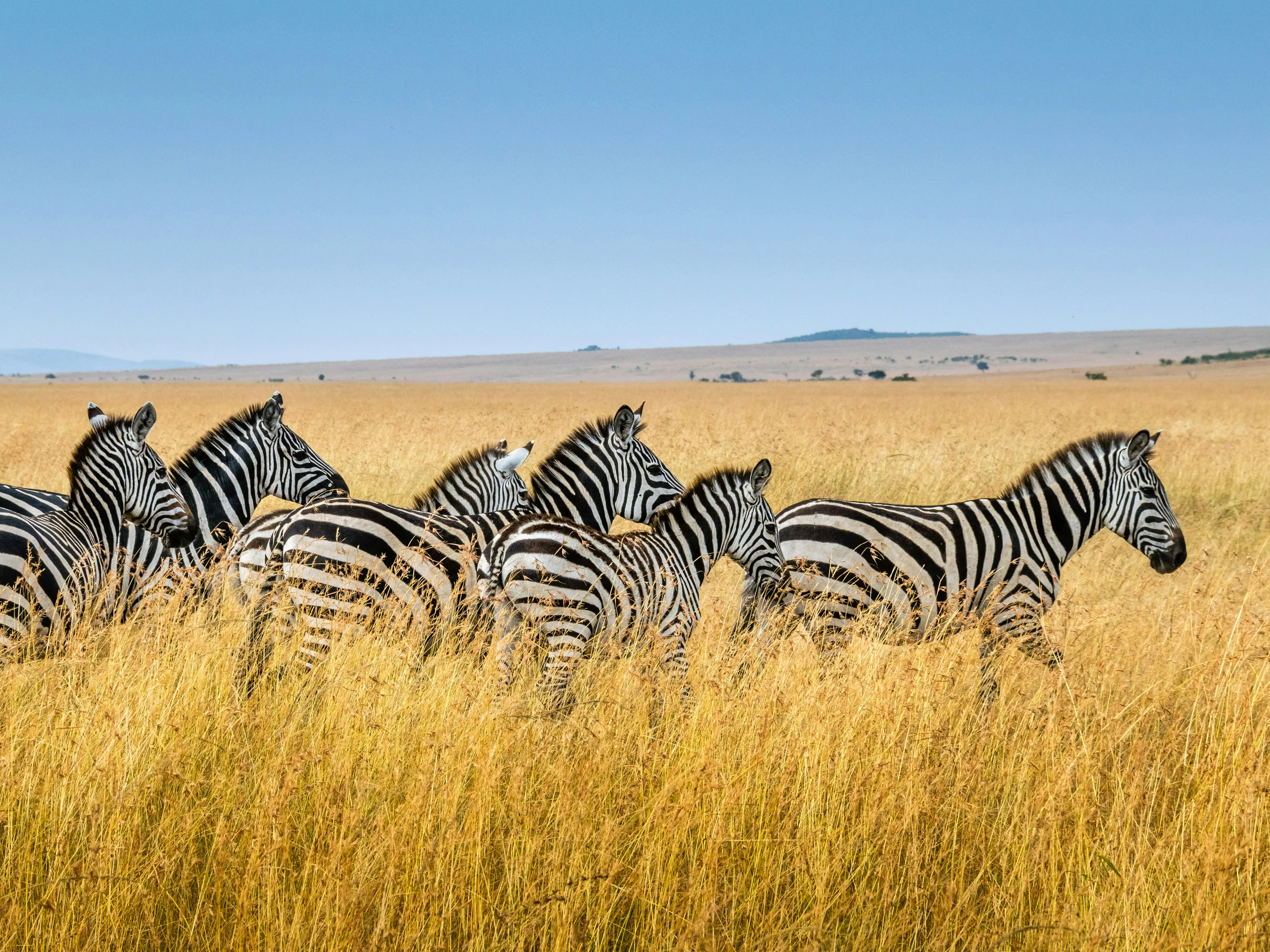)
How does the loss of forests affect the way wildlife lives and moves?
)
ENG vs PAK: Joe Root breaks Sachin Tendulkar’s record for most Test fifties
)
Why does your skin need protection from UV rays?
)
Why asking questions could be more important than memorising answers
)
Why do wild animals need quiet places to survive?
)
BRICS Summit 2026 full schedule: Day-wise agenda, timings and key issues - All you need to know
)
Israel spent nearly $470,000 on PM's hair, makeup since 2019, data shows
)
Trump says Canada eager to reach a deal, it could come ‘fairly soon’ if Ottawa treats US farmers better
)
800 million years old - Scientists discover 'fingerprints' of supercontinent Gondwana in ancient rocks
)
From drones to KAAN fighters: Turkey outlines 229% surge in defence spending amid regional shifts
)
From severe mobility problems to recovery: Madhuri the elephant’s journey of wildlife care
)
'Iran won't surrender': Pezeshkian sends blunt message to US while attending BRICS Summit in India
)
BRICS Summit day 1: New Delhi declaration adopted with full consensus, big diplomatic win for India
)
Frustrated man demolishes his kitchen after thousands flock to see Mother Mary his wife spotted on the wall
)
From India, Putin warns Europe against sending troops to Ukraine, Zelensky expresses willingness to meet him at G20 Summit
)
Why does your body need time to adjust after a long journey?
In India, the earthquake tremors were felt in Jammu and Kashmir, Punjab, Haryana, Rajasthan, Himachal Pradesh, New Delhi and western Uttar Pradesh. In Pakistan, the earthquake tremors were felt in capital Islamabad and Khyber Pakhtunkhwa, and Punjab provinces respectively.
People across the region were seen coming out of their homes, with the elderly and children especially seen being escorted by their immediate acquaintances. In New Delhi and surrounding regions including Noida, Ghaziabad and Gurugram, members of the public came out of their apartment buildings as a wave of panic spread through the region.
South Asia earthquake: Why Delhi felt earthquake tremors longer than usual?
According to JL Gautam, head of office and Scientist at India's National Centrefor Seismology,the Indo-Australian plate has been colliding with the Eurasian plate, he said, while referring to the underground geological plates on which continents are geographically held.
"The Hindu-Kush-Himalayan (HKH) region is very active seismologically. The reason why people in northwest India and Delhi felt the tremors for a relatively long time is because of the depth. The depth of the fault is over 150 km so first primary waves were felt and then secondary waves. Aftershocks are likely now but they can't be forecast," he said.
WATCH WION LIVE HERE
You can now write for wionews.com and be a part of the community. Share your stories and opinions with us here.