SIA Files Chargesheet Against 10 in ‘Doctors Terror Module’ Case

&imwidth=600&imheight=450&format=webp&quality=medium "SIA Files Chargesheet Against 10 in ‘Doctors Terror Module’ Case")
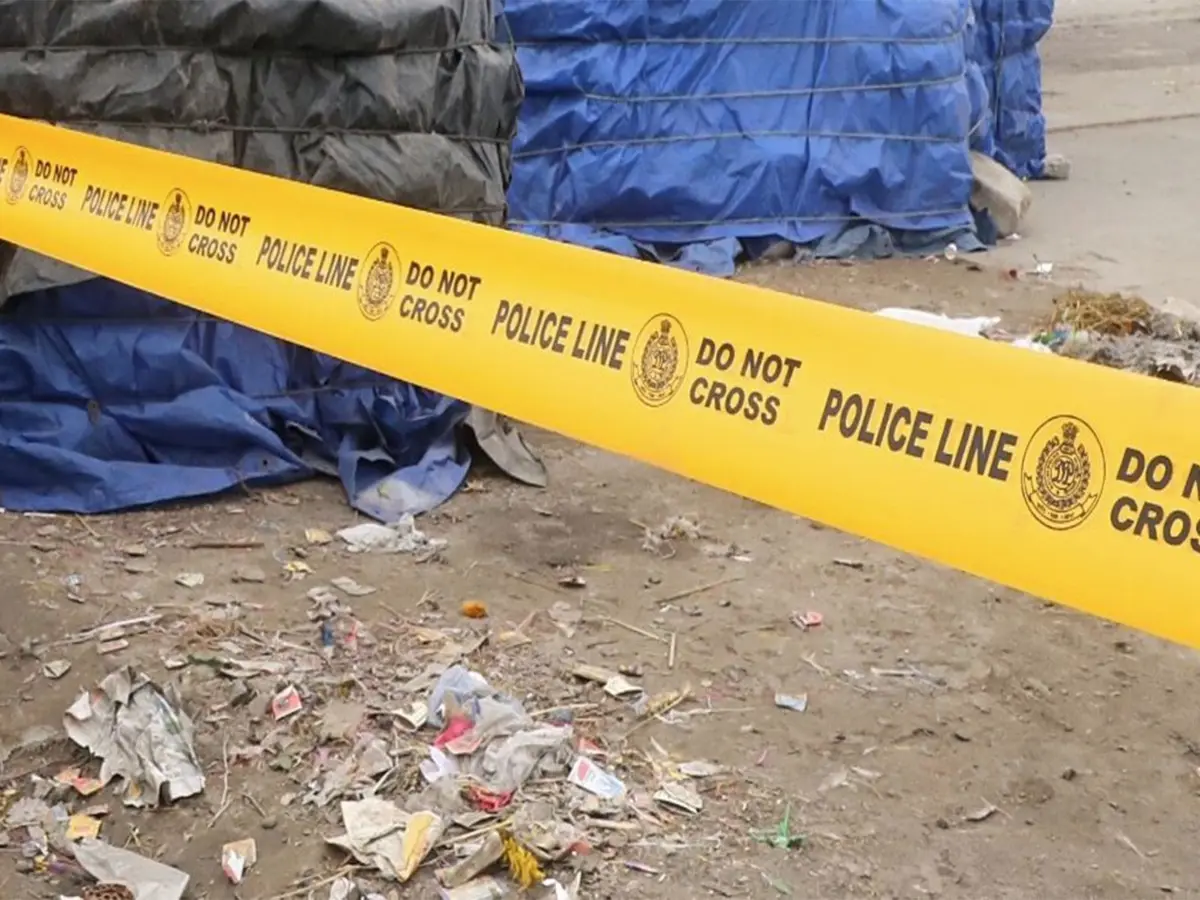
Representative Image
According to investigators, the poster campaign was part of a larger, coordinated conspiracy aimed at reviving the proscribed terrorist group Ansar Ghazwat-ul-Hind (AGuH).
The State Investigation Agency (SIA), Kashmir filed a charge sheet against ten accused in a major terror conspiracy case linked to a covert network dubbed the “Doctors Terror Module.”
The case, registered at Police Station Nowgam in Srinagar, stems from an incident on October 19, 2025, when provocative and threatening posters surfaced in the Nowgam area under the name of the banned outfit Jaish-e-Mohammad (JeM). Authorities said the posters were intended to spread fear, disrupt public order, and challenge India’s sovereignty.
According to investigators, the poster campaign was part of a larger, coordinated conspiracy aimed at reviving the proscribed terrorist group Ansar Ghazwat-ul-Hind (AGuH). The SIA’s probe revealed that the accused had formed a secretive module engaged in radicalisation, recruitment, and preparations for carrying out attacks across the country.
Officials said the group deliberately used the name of JeM to exploit its notoriety while covertly working to rebuild AGuH, in what has been described as a calculated attempt to mislead security agencies.
In a significant finding, the investigation uncovered the involvement of highly educated individuals, including medical professionals, who allegedly misused their expertise and institutional access for unlawful activities. The accused are said to have spread extremist propaganda through digital platforms and conducted experimental activities related to explosive fabrication, including at residential locations and facilities linked to Al-Falah Medical College.
Investigators further revealed that the module had identified Triacetone Triperoxide (TATP), a highly volatile explosive used in several global terror attacks, as a preferred material due to the ease of procuring its precursor components. The scale of accumulation of such materials raised serious concerns among security agencies about the potential consequences had the plot not been foiled in time.
Trending Stories
&imwidth=280&imheight=210&format=webp&quality=medium)
&imwidth=280&imheight=210&format=webp&quality=medium)
&imwidth=280&imheight=210&format=webp&quality=medium)
&imwidth=280&imheight=210&format=webp&quality=medium)
&imwidth=280&imheight=210&format=webp&quality=medium)
&imwidth=280&imheight=210&format=webp&quality=medium)
&imwidth=280&imheight=210&format=webp&quality=medium)
&imwidth=280&imheight=210&format=webp&quality=medium)
&imwidth=280&imheight=210&format=webp&quality=medium)
&imwidth=280&imheight=210&format=webp&quality=medium)
&imwidth=280&imheight=210&format=webp&quality=medium)
&imwidth=280&imheight=210&format=webp&quality=medium)
&imwidth=280&imheight=210&format=webp&quality=medium)
&imwidth=280&imheight=210&format=webp&quality=medium)
&imwidth=280&imheight=210&format=webp&quality=medium)
&imwidth=280&imheight=210&format=webp&quality=medium)
&imwidth=280&imheight=210&format=webp&quality=medium)
&imwidth=280&imheight=210&format=webp&quality=medium)
&imwidth=280&imheight=210&format=webp&quality=medium)
&imwidth=280&imheight=210&format=webp&quality=medium)
&imwidth=280&imheight=210&format=webp&quality=medium)
&imwidth=280&imheight=210&format=webp&quality=medium)
&imwidth=280&imheight=210&format=webp&quality=medium)
&imwidth=280&imheight=210&format=webp&quality=medium)
&imwidth=280&imheight=210&format=webp&quality=medium)
&imwidth=280&imheight=210&format=webp&quality=medium)
&im=FitAndFill=(700,400)&imwidth=280&imheight=210&format=webp&quality=medium)
&im=FitAndFill=(700,400)&imwidth=280&imheight=210&format=webp&quality=medium)
&imwidth=280&imheight=210&format=webp&quality=medium)
&imwidth=280&imheight=210&format=webp&quality=medium)
&imwidth=280&imheight=210&format=webp&quality=medium)
&imwidth=280&imheight=210&format=webp&quality=medium)
&imwidth=280&imheight=210&format=webp&quality=medium)
&imwidth=280&imheight=210&format=webp&quality=medium)
&imwidth=280&imheight=210&format=webp&quality=medium)
&im=FitAndFill=(700,400)&imwidth=280&imheight=210&format=webp&quality=medium)
&imwidth=280&imheight=210&format=webp&quality=medium)
The SIA stated that it has dismantled the entire network and its support structure through a detailed investigation involving digital forensics, scientific analysis, recoveries, and witness testimonies. Officials said the evidence establishes a strong prima facie case against all accused.
Those charge-sheeted include Arif Nisar Dar alias Sahil, Yasir Ul Ashraf Bhat, Maqsood Ahmad Dar alias Shahid, Irfan Ahmad Wagay alias Owais, Zameer Ahmad Ahanger alias Mutlashi, Dr. Muzamil Shakeel Ganaie alias Musaib, Dr. Adeel Ahmad Rather alias Javaid, Dr. Shaheen Saeed, Tufail Ahmad Bhat, and Dr. Umar Un Nabi, who was killed in the Red Fort suicide attack.
The charge sheet has been filed before a competent court, officials said.
Reiterating its commitment to national security, the SIA said the case underscores the evolving and sophisticated nature of terror conspiracies, including the misuse of professional institutions and digital platforms. It also stressed the need for continued vigilance and coordinated counter-terror efforts.
