Pak-based terrorist handlers, ISI using porn sites and encrypted apps to communicate with ‘recruits’ in J&K

&imwidth=600&imheight=450&format=webp&quality=medium "Pak-based terrorist handlers, ISI using porn sites and encrypted apps to communicate with ‘recruits’ in J&K")
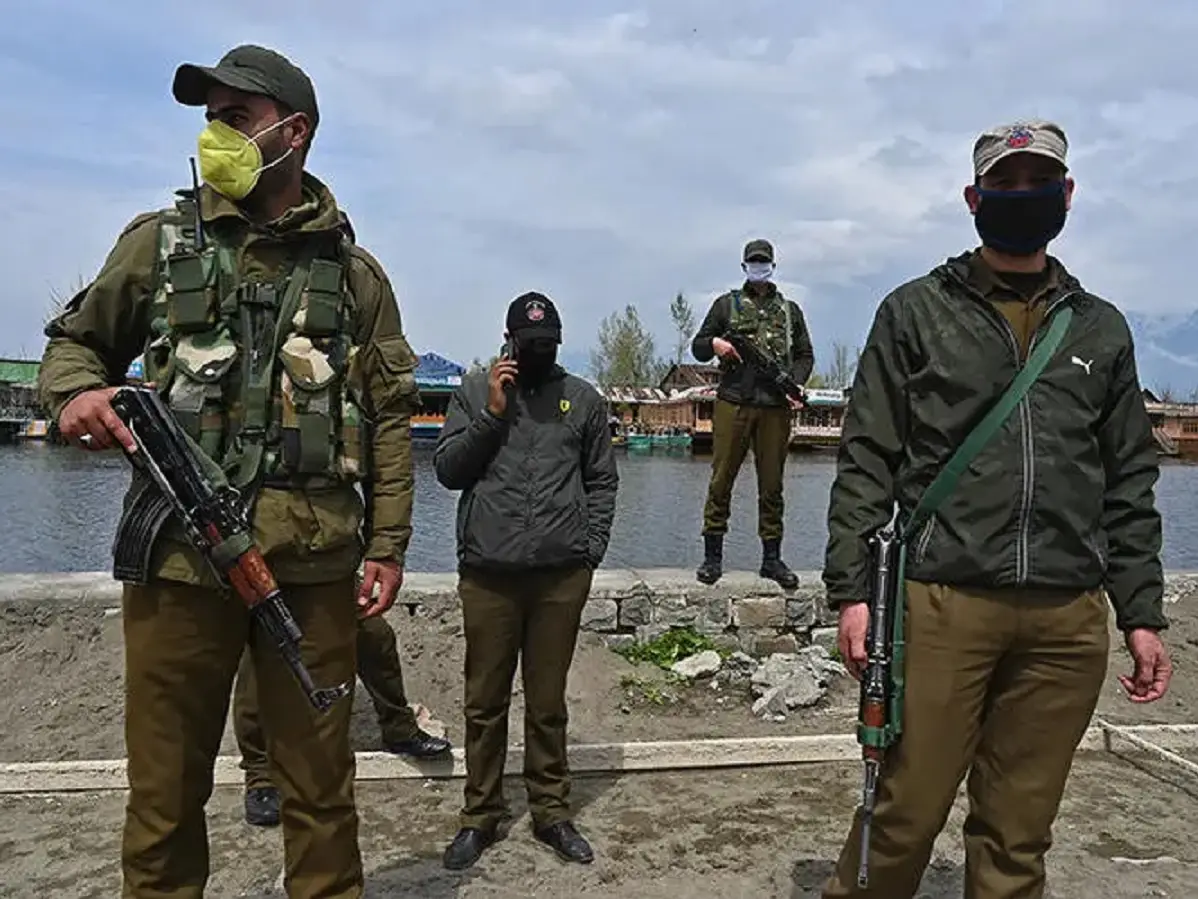
Officials said terror outfits and Pakistan’s intelligence agency, ISI, are using covert channels to contact recruits. Photograph: (AFP)
Terrorists use porn websites and apps that are banned in India. Several porn applications are banned in India but are downloaded illegally through VPN services, which mask internet addresses and make online activity harder to trace.
Terrorists have stopped using popular social media apps like WhatsApp, Facebook Messenger and Signal for communication and have switched to chat tools available on porn websites and apps. Indian security agencies recently uncovered the new tactic used by terrorists and their handlers. An official said terror groups are now using niche encrypted applications to communicate secretly.
The agencies said terror outfits and Pakistan’s intelligence agency, ISI, are using these covert channels to contact recruits in Jammu and Kashmir while avoiding surveillance on mainstream social media platforms.
Terrorists use porn websites and apps that are banned in India. Several porn applications are banned in India but are downloaded illegally through VPN services, which mask internet addresses and make online activity harder to trace.
Officials said these pornography platforms feature real-time chat tools that operate under the guise of helping users find dates nearby. Terror handlers exploit these tools to broadcast messages and coordinate activities.
Terror handlers also using Tor-based messaging applications
Trending Stories
&imwidth=280&imheight=210&format=webp&quality=medium)
&imwidth=280&imheight=210&format=webp&quality=medium)
&imwidth=280&imheight=210&format=webp&quality=medium)
&imwidth=280&imheight=210&format=webp&quality=medium)
&imwidth=280&imheight=210&format=webp&quality=medium)
&imwidth=280&imheight=210&format=webp&quality=medium)
&imwidth=280&imheight=210&format=webp&quality=medium)
&imwidth=280&imheight=210&format=webp&quality=medium)
&imwidth=280&imheight=210&format=webp&quality=medium)
&imwidth=280&imheight=210&format=webp&quality=medium)
&imwidth=280&imheight=210&format=webp&quality=medium)
&imwidth=280&imheight=210&format=webp&quality=medium)
&imwidth=280&imheight=210&format=webp&quality=medium)
&imwidth=280&imheight=210&format=webp&quality=medium)
&imwidth=280&imheight=210&format=webp&quality=medium)
&imwidth=280&imheight=210&format=webp&quality=medium)
&imwidth=280&imheight=210&format=webp&quality=medium)
&imwidth=280&imheight=210&format=webp&quality=medium)
&imwidth=280&imheight=210&format=webp&quality=medium)
&im=FitAndFill=(700,400)&imwidth=280&imheight=210&format=webp&quality=medium)
&imwidth=280&imheight=210&format=webp&quality=medium)
&imwidth=280&imheight=210&format=webp&quality=medium)
&imwidth=280&imheight=210&format=webp&quality=medium)
&im=FitAndFill=(700,400)&imwidth=280&imheight=210&format=webp&quality=medium)
&imwidth=280&imheight=210&format=webp&quality=medium)
&imwidth=280&imheight=210&format=webp&quality=medium)
&imwidth=280&imheight=210&format=webp&quality=medium)
&imwidth=280&imheight=210&format=webp&quality=medium)
&imwidth=280&imheight=210&format=webp&quality=medium)
&imwidth=280&imheight=210&format=webp&quality=medium)
&imwidth=280&imheight=210&format=webp&quality=medium)
&imwidth=280&imheight=210&format=webp&quality=medium)
&imwidth=280&imheight=210&format=webp&quality=medium)
&imwidth=280&imheight=210&format=webp&quality=medium)
&imwidth=280&imheight=210&format=webp&quality=medium)
The security agencies detected the shift in tactic after placing a wide array of specialised digital tools under scrutiny.
Terror handlers are relying on Tor-based messaging applications like Coatex and Conion to route data through encrypted nodes and obscure user identities.
Tor, short for The Onion Router, is a free, open-source software network designed to enable anonymous communication and private web browsing.
Also Read: NASA successfully launches Nancy Grace Roman Space Telescope to unravel mysteries of universe
Access to the APK for Conion reportedly faces restrictions within India. An APK file, or Android Package Kit, is the file format used by the Android operating system to distribute and install mobile apps.
Besides, terrorists are also using privacy-focused platforms, including a France-based app that allows end-to-end encrypted messaging without even requiring a SIM card or phone number.
Agencies also monitoring Vietnam-based apps, anonymous platform Moonchat
Agencies are also monitoring Vietnam-based apps and anonymous platforms like Moonchat, which includes PGP-encrypted versions with suspected Chinese origins that bypass traditional registration.
Many platforms using the Tor network pose unique tracking challenges by bouncing encrypted traffic through multiple volunteer-run relay nodes globally to hide the origin and destination of data.
Tor is maintained by the US-based non-profit The Tor Project for legitimate privacy and anti-censorship purposes, but its anonymity features are increasingly being exploited by clandestine networks, including terror groups.
The new communication tactic came to light as security forces stepped up efforts against the use of foreign-generated virtual SIM cards. Officials said these virtual SIM cards, developed by companies based abroad, allow computers to generate phone numbers for use on smartphones through specific applications while leaving very little digital trace.
The method was first exposed during the investigation into the 2019 Pulwama terror attack, in which 40 CRPF jawans were killed. The NIA found that more than 40 virtual SIM cards had been used by the Jaish-e-Mohammed suicide bomber and his accomplices.