Opinion: Why Iranian President Rouhani's visit is important for PM Modi

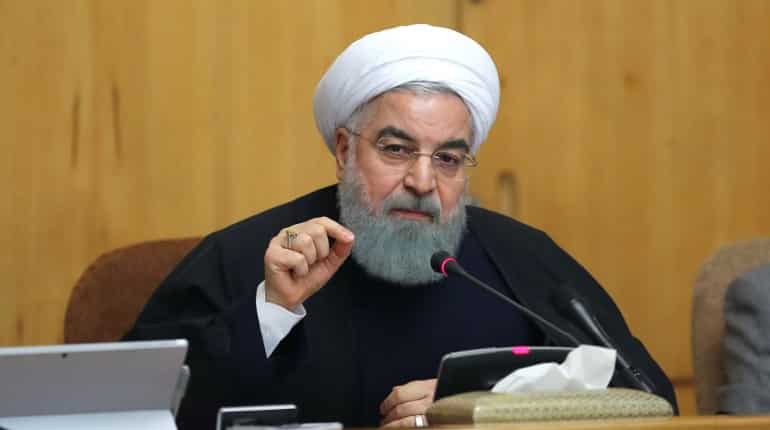
Rouhani
President Rouhani is coming with a big business agenda to expand economic ties with India
President Rouhani’s maiden visit to India can be perceived as a response to India’s West Asia overreach under the present Indian dispensation. The visit comes at a time when Indian government has been actively reaching out to various regional players trying to bolster bilateral ties and economic cooperation. The West Asian region hosts about 7 million expatriate Indians, and is a source of valuable foreign remittances and energy for India. The region also carries strategic significance for India.
The Iranian president’s visit comes in the backdrop of the emergence of new fault lines in the region with Saudi Arabia, the United Arab Emirates (UAE) and others like Bahrain and Kuwait seen ranged against Iran—in tandem with Israel. For India, Israel is a key partner in its counter-terrorism initiatives as well as its efforts to attract innovation and sophisticated technology to boost manufacturing. Countries such as Saudi Arabia and the UAE are crucial sources of energy for India, providing counter-terror cooperation and who also host a large number of expatriate Indians.
According to the MEA officials, during the course of the visit, deliberations are likely to be held on the “progress achieved in bilateral relations and also exchange views on regional and international issues of mutual interest." In addition, discussions on "the latest regional and global developments and the finalisation and exploitation of Chabahar port as soon as possible," are also expected to take place.

President Rouhani is coming with a big business agenda to expand economic ties with India. A delegation from the National Iranian Oil Company is expected to hold talks with Indian authorities to see whether a pact could be reached on developing Iran’s Farzad-B gas field. Incidentally, Iran has been shifting the goalposts since 2007 when the first round of talks began. But things are different now.
Iran has been trying to reach a better bargain with India after crippling economic sanctions against it were eased following the signing of Joint Comprehensive Plan of Action (JCPOA) or nuclear deal with six world powers—the US, UK, Russia, France, China, and Germany. Iran also wants to expedite the whole process as they are apprehensive of present US administrations and their commitment to the nuclear deal.
There are some major irritants as well as opportunities for both the countries. India and Iran have strong economic and commercial ties covering many sectors though it has traditionally been dominated by the import of Iranian crude oil by India, which India continued with even at the time of sanctions. According to MEA, bilateral trade with Iran in 2017-18 stood at USD 12.89 billion, with India importing USD 10.5 billion worth of goods, mainly crude oil, and exporting commodities worth USD 2.4 billion.
)
US vs China over South China Sea: Washington backs Philippines, Beijing hits back
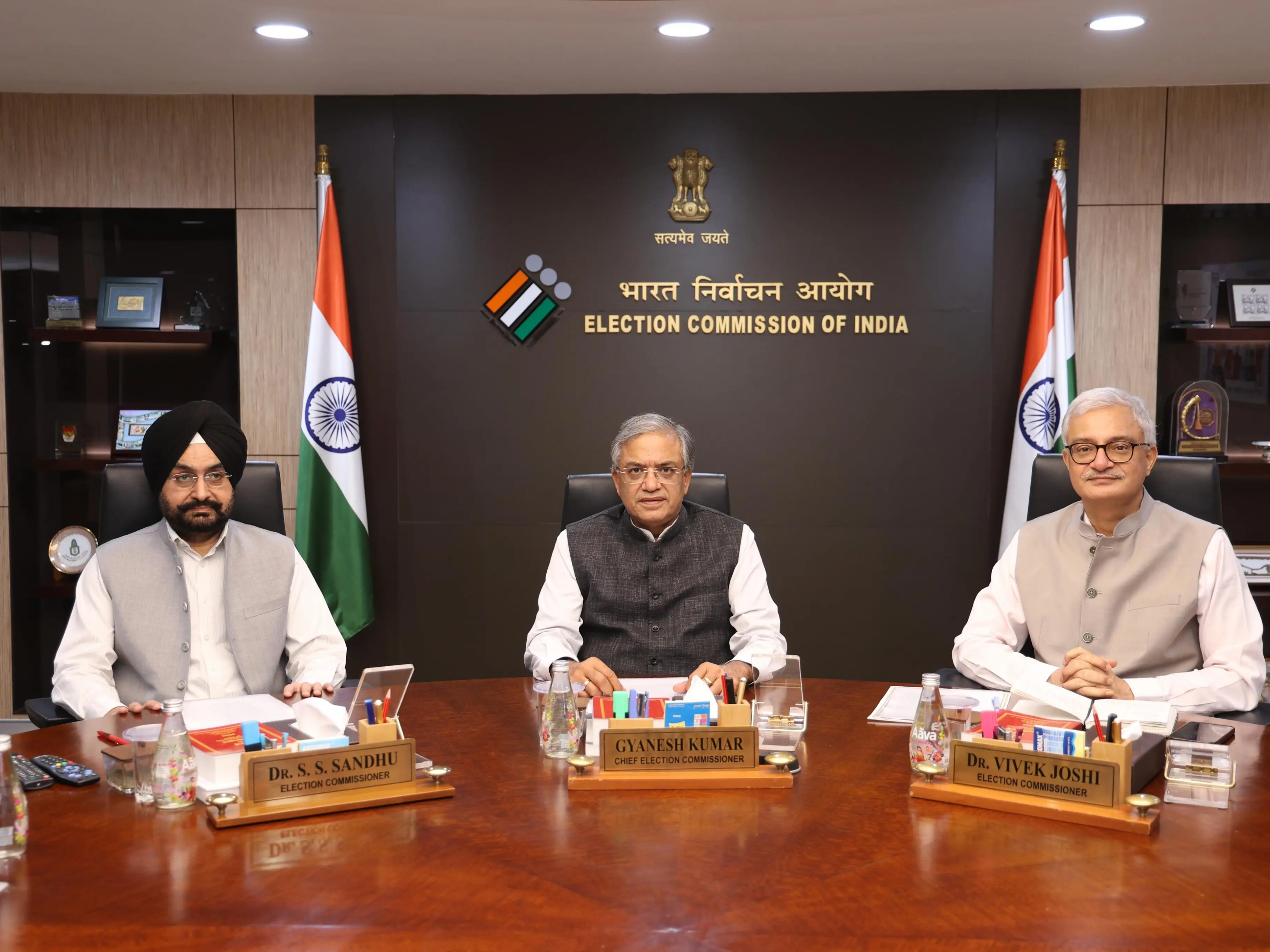)
Election Commission on 'damage control' : What do nine new decisions mean?
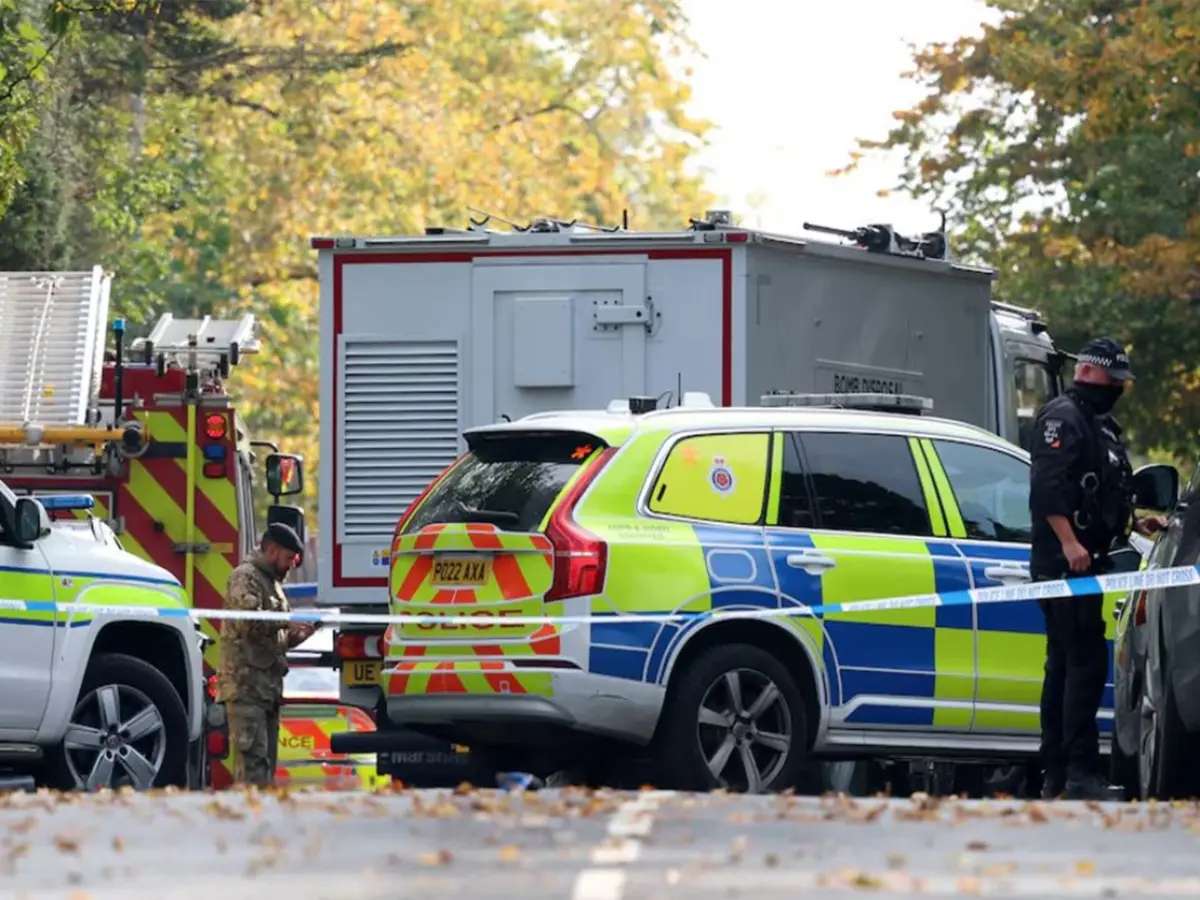)
UK police arrest several under explosives act near air base used by US forces
)
LPU students go on rampage, vandalise campus amid widespread protest: What's happening
)
OpenAI AI Agents hacked 4 websites before Hugging Face, researchers reveal
)
US Treasury Secretary Scott Bessent hails global crackdown on Iranian banks and airlines
&im=FitAndFill=(700,400))
New Friday OTT releases (September 25, 2026): Don’t Be Shy, Hunkkaar: The Roar, Mango Pachcha- 6 movies and TV shows on Netflix, Prime Video and more
)
Asian Games 2026: India face Afghanistan in quarterfinal on Sep 28; Pakistan clash with Hong Kong
)
‘Attack on Mecca a red line for Pakistan’: Shehbaz Sharif warns Houthis at UN
)
WATCH | Delhi minister Parvesh Verma slaps man during road inspection – Here’s what happened
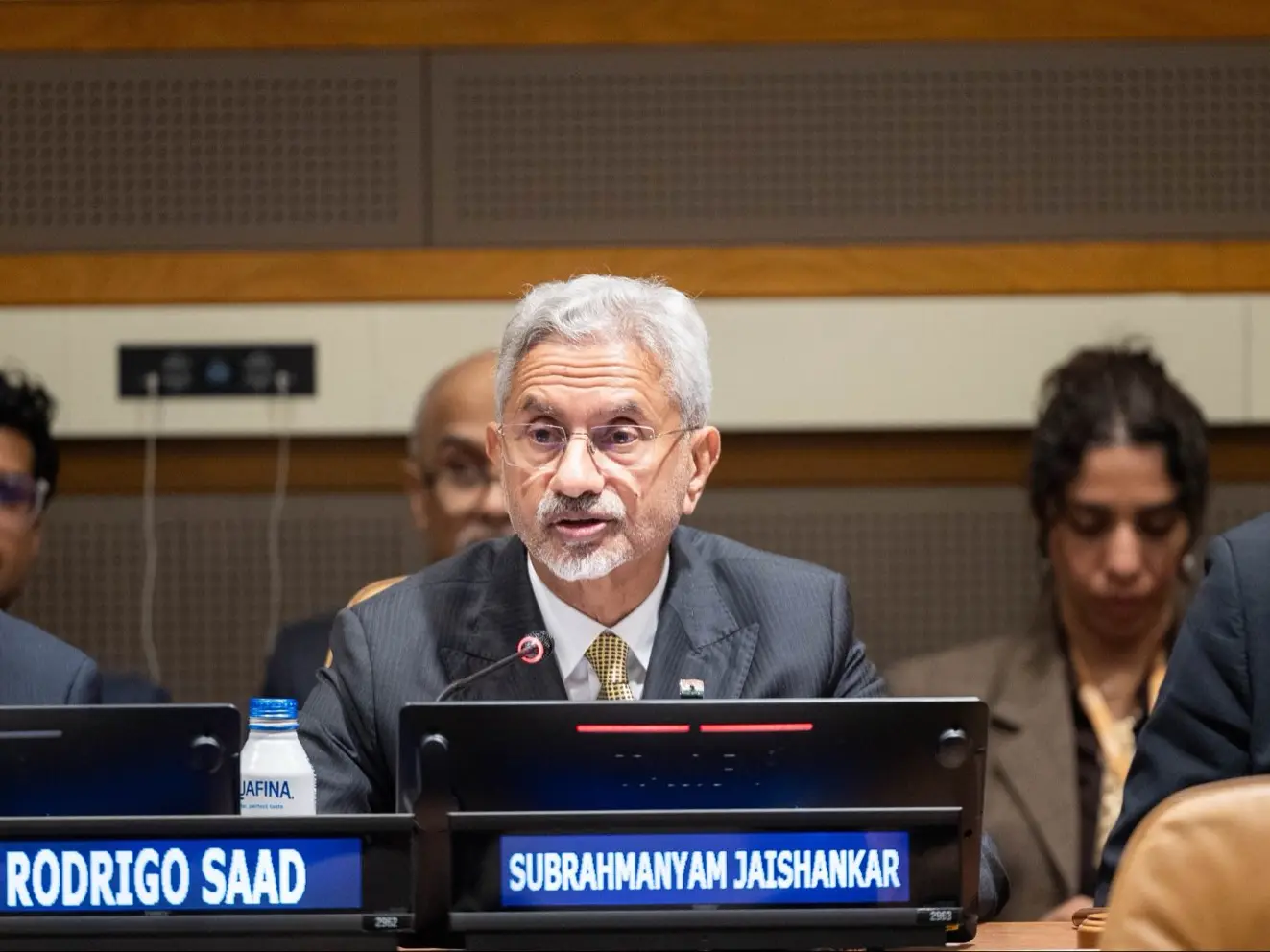)
'Countries far from conflict are penalised': Jaishankar calls for Gulf peace, seafarer safety at UN
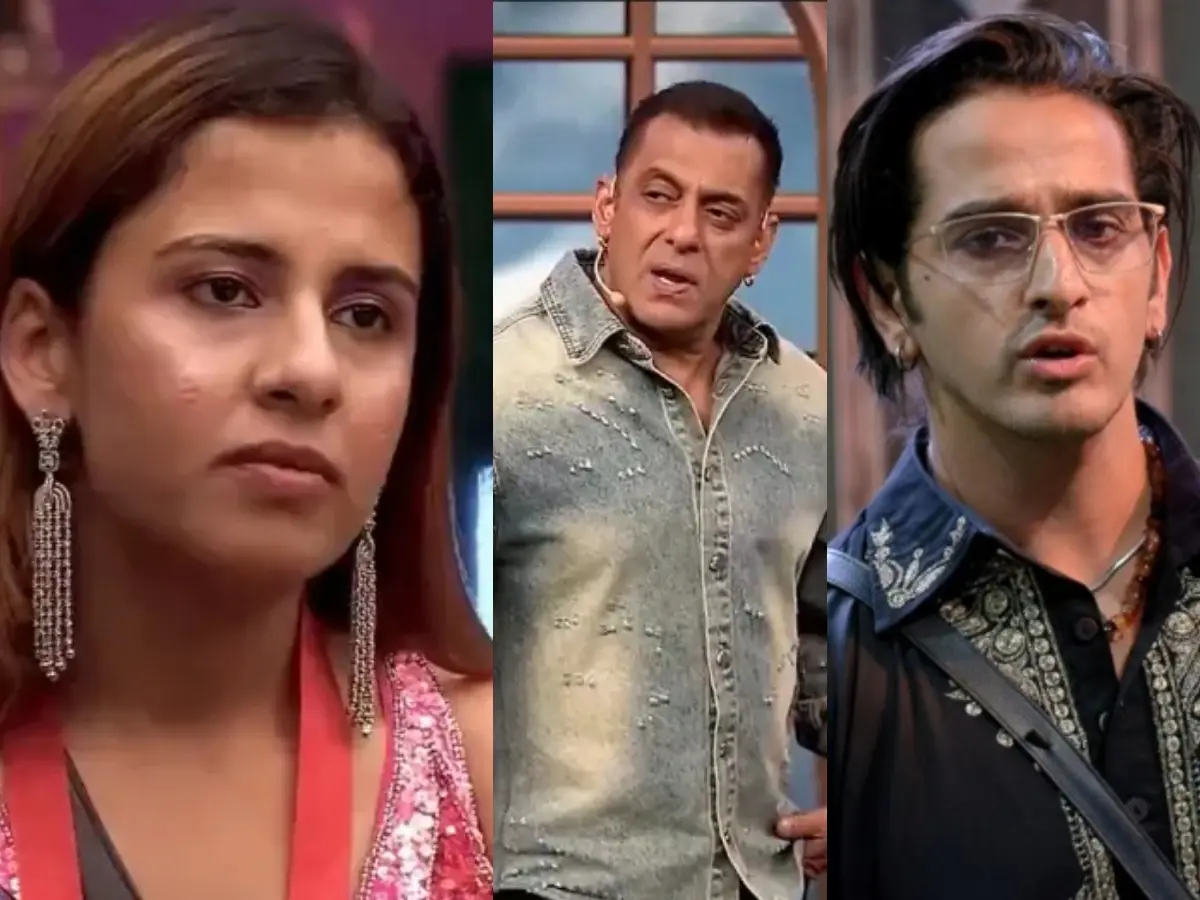)
Bigg Boss 20: Salman Khan schools Rhiti Tiwari over Qazi Touqeer clash, compares her to Dolly Bindra
)
Beyond metros: How Tier-2 and Tier-3 cities could drive India’s next AI wave
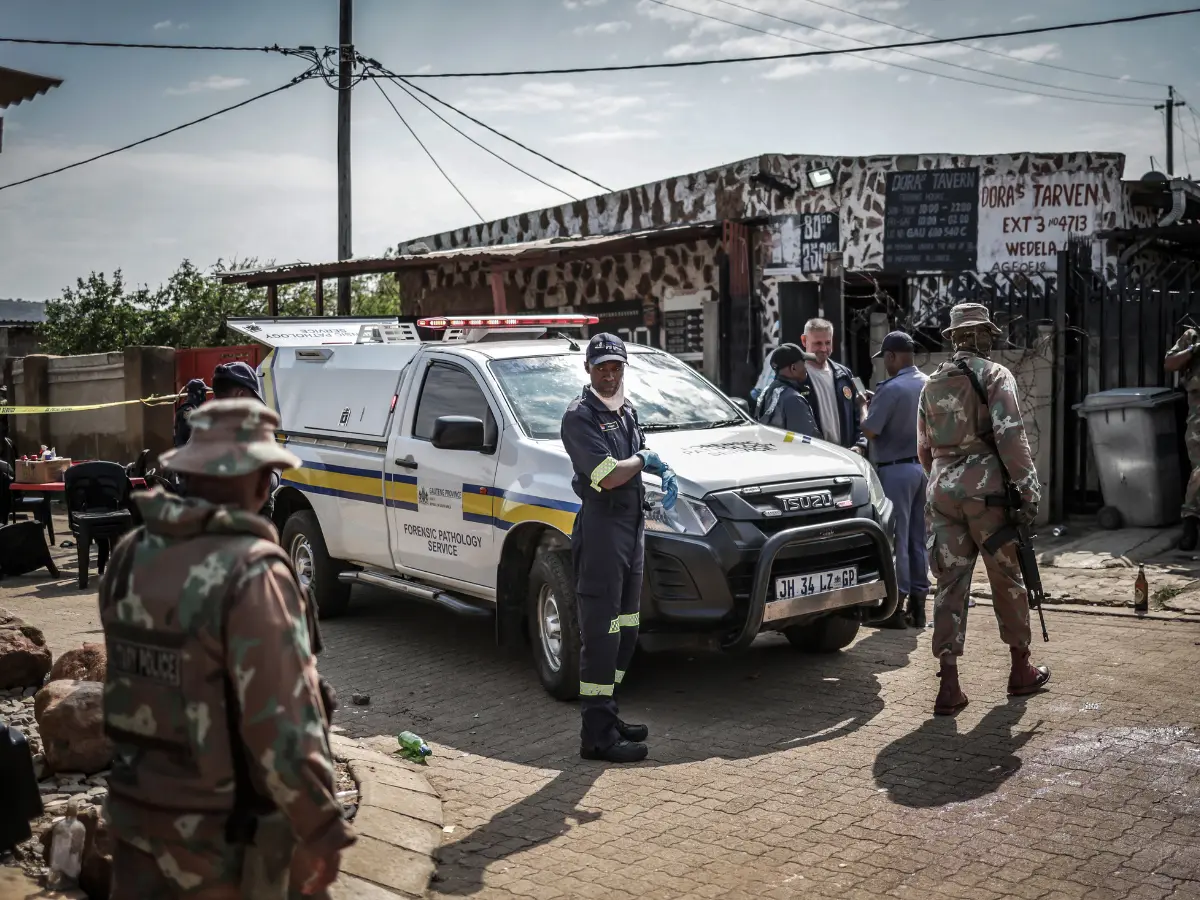)
Gunmen kill 27 in two separate mass shootings in South Africa
&im=FitAndFill=(700,400))
Humanoid robots to virtual worlds! Korean sci-fi dramas to watch: Are You Human Too?, Memories of the Alhambra and more
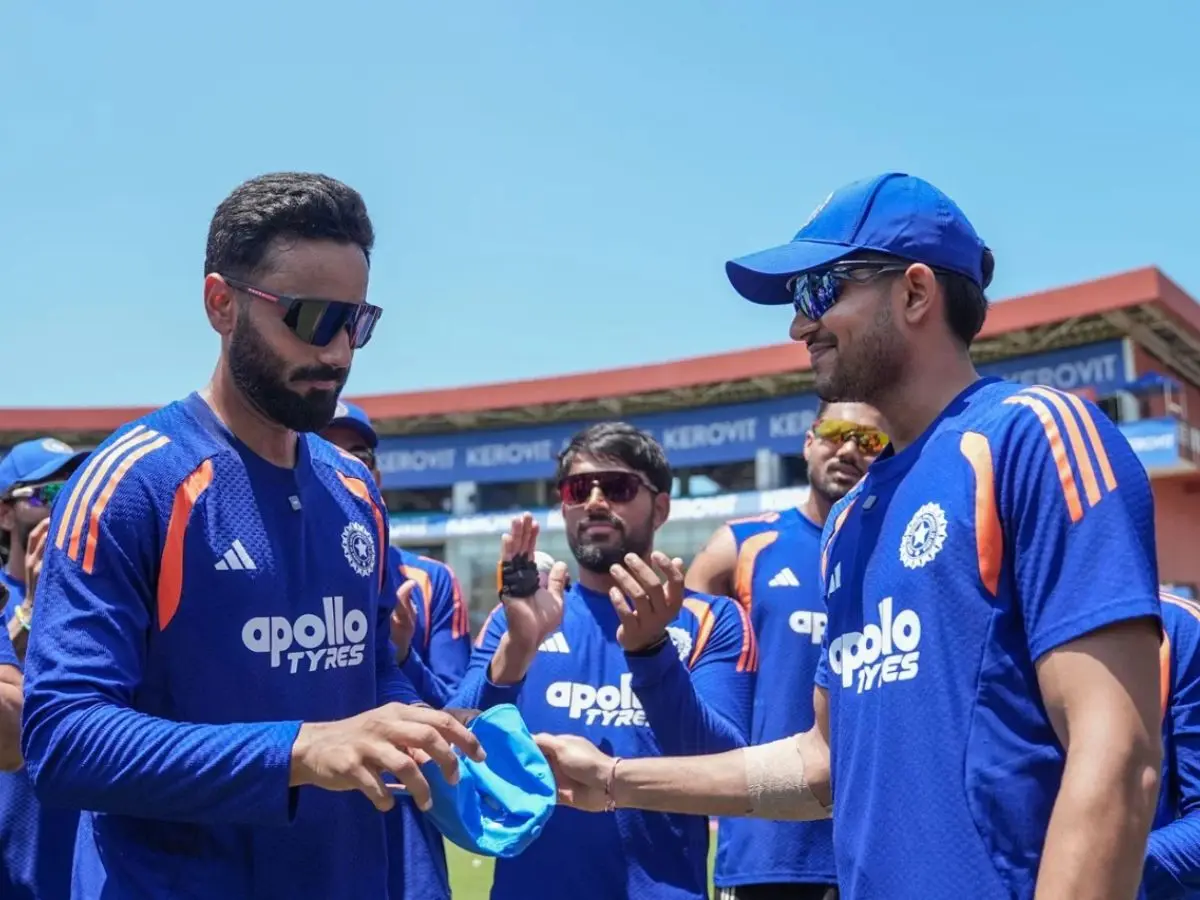)
IND vs WI 1st ODI: Naman Dhir debuts as India bowl first in Trivandrum; check playing XIs
)
‘Olympic inclusion is our major target’: WPA President Ishaun Singh on pool’s global ambitions
)
Nations League: Spain sink England at Wembley; Modric shines for Croatia
)
Two men die of suspected chemical exposure inside public toilet in Mumbai
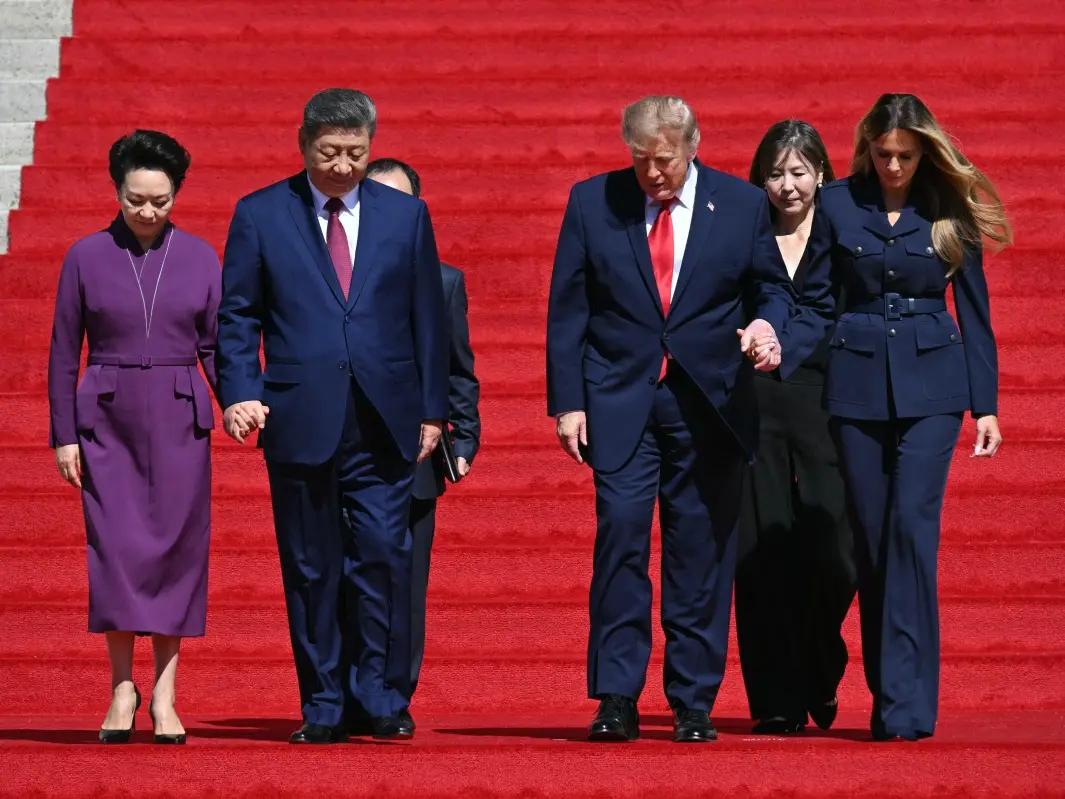)
Trump-Xi summit wrap: Big pageantry, Iran talks, few major developments and more meetings planned
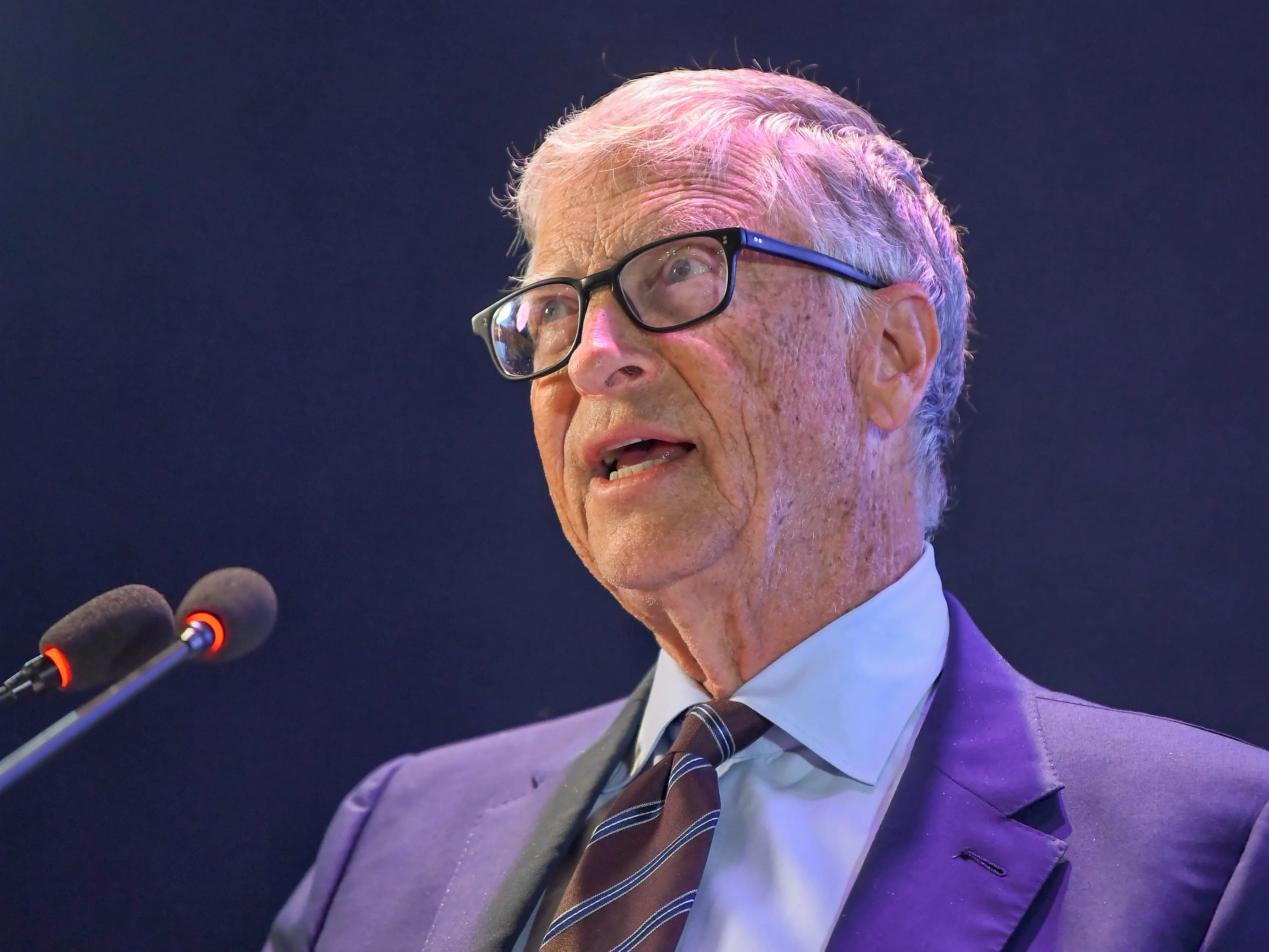)
‘Could kill billions...’: Bill Gates backs calls to slow AI development amid fears of catastrophe
)
Bollywood x K-pop crossover! LE SSERAFIM’s Kazuha charms fans with Shah Rukh Khan’s ‘Chammak Challo’ steps
)
US-Iran war: Trump rejects Iran's Hormuz proposal, reports suggest talks expected next week
)
Sri Lankan Tamil migrant worker gets death sentence in Saudi Arabia, help sought from India
)
'FIRST LOOK from inside Noah’s Ark': Researchers share video from inside mysterious mound in Turkey
)
UNSC reform momentum grows: Russia, Portugal, Mauritius push for India's permanent seat bid
)
Man arrested after his 22-year-old girlfriend dies at homestay in Guwahati; police suspect murder over suicide claim
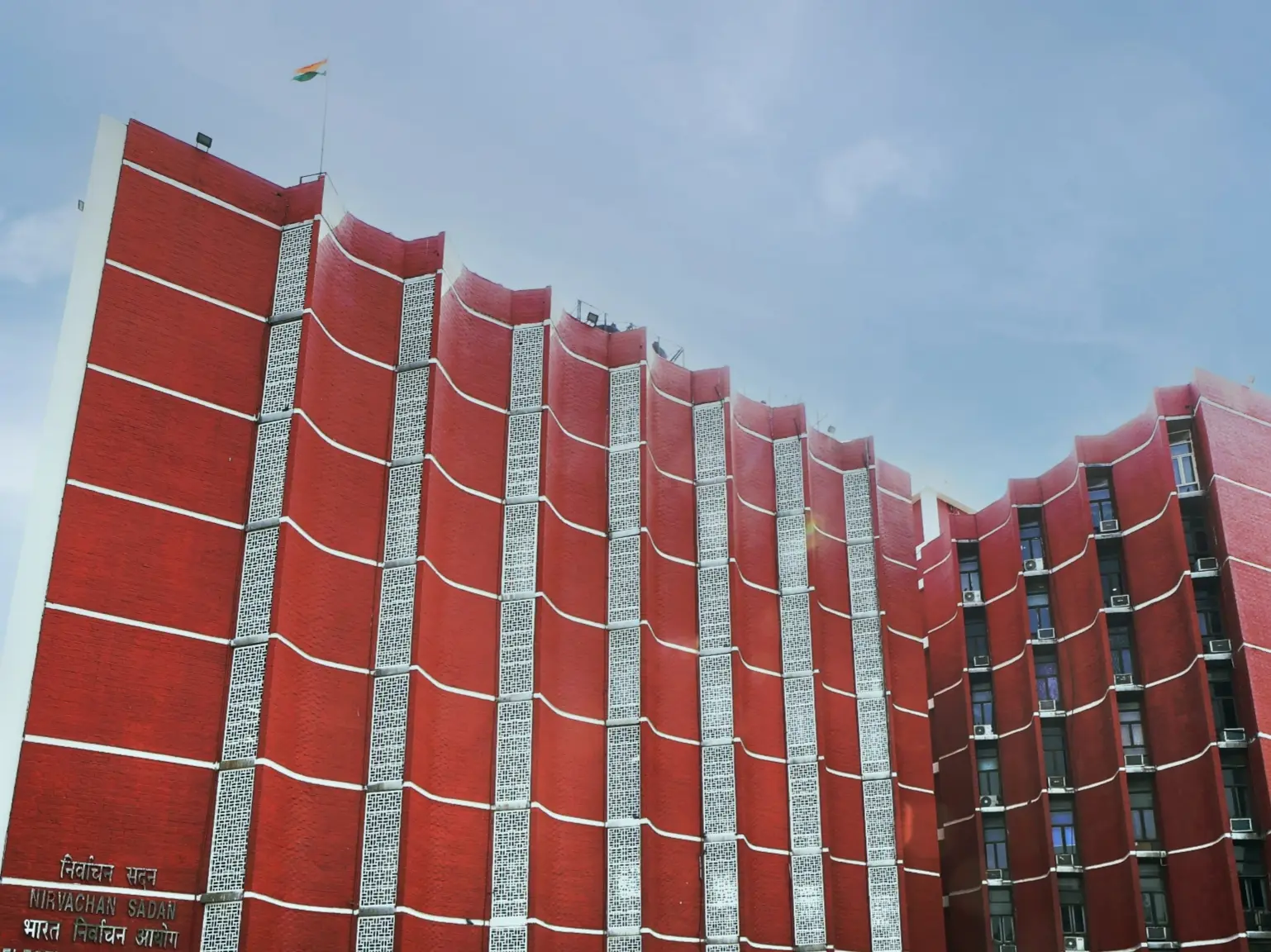)
SIR row: RTI response raises questions over EC’s claim of unanimous approval
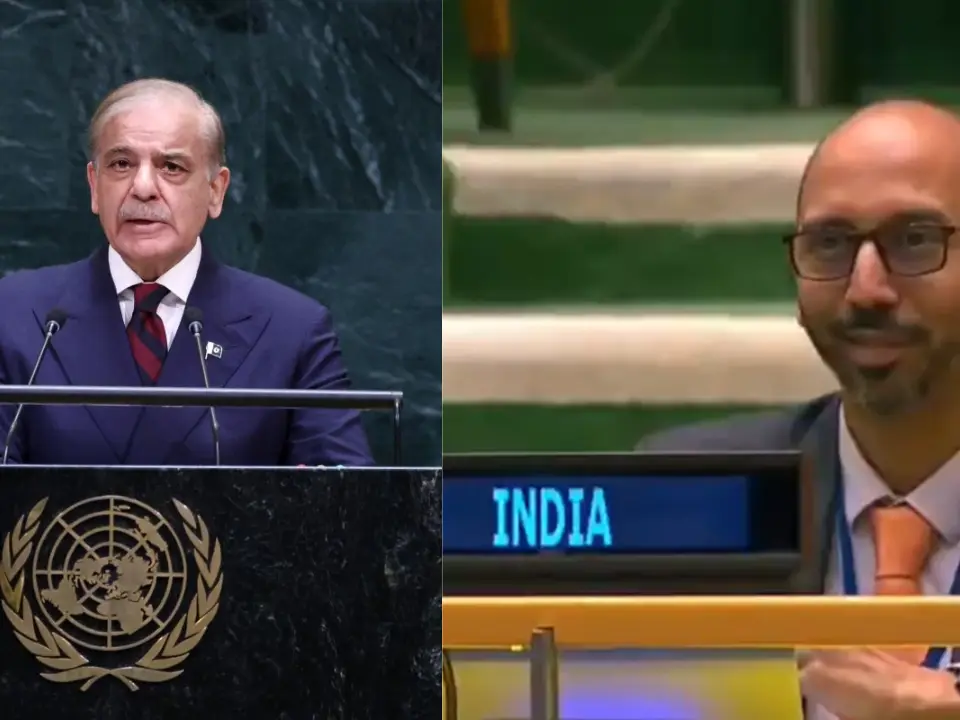)
WATCH | As Shehbaz Sharif claims Pakistan’s ‘victory’ during 2025 conflict, Indian diplomat R Srinivas laughs at UN
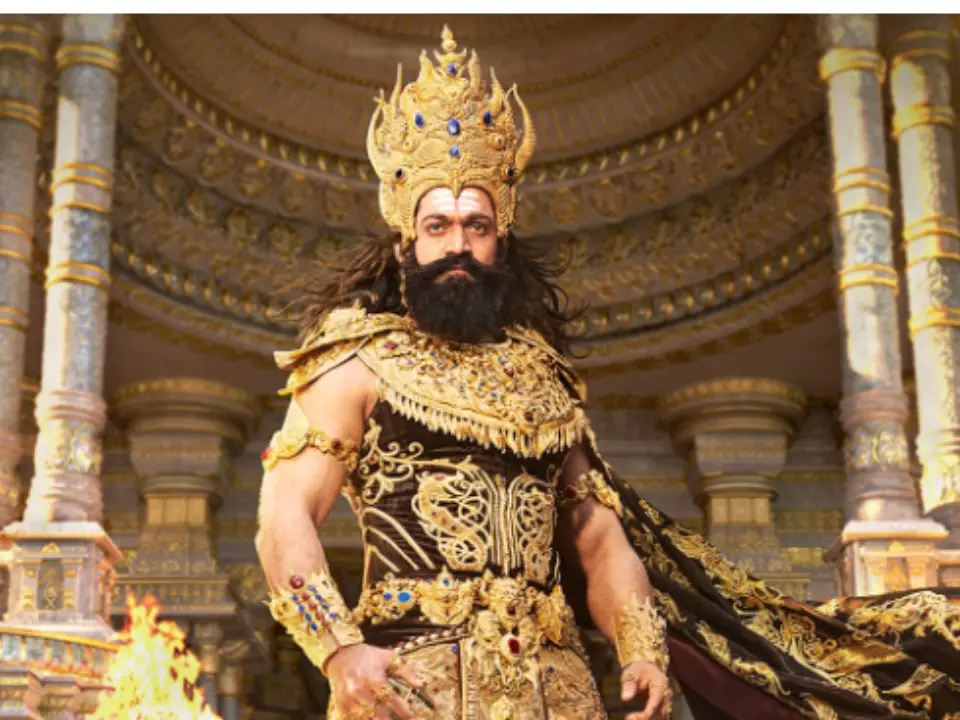)
Ramayana: Yash’s Ravana gets first official poster from Nitesh Tiwari’s epic
)
'A terrorist country is asking me that question?': Jaishankar hits back at Pakistani journalist at UN; flags attacks on commercial shipping
)
Russia will achieve Ukraine war aims; Europe doing everything to block peace talks: Lavrov at UN
When the sanctions were lifted, India announced that its firms could spend as much as USD 20 billion on not just the port but also petrochemical plants, railway lines and other industries in the areas. But progress has only been made on the port. India has committed USD 85 million in investment for the development of the Shahid Beheshti Port in Chabahar. To show its commitment to the port project India signed the Trilateral Transit Agreement (Chabahar Agreement) between India, Iran and Afghanistan when PM Modi visited Tehran in May 2016. India recently became a signatory to the Ashgabat Agreement and wants to utilise the port to its full potential. The port opens a new strategic transit route between Iran, India, Afghanistan and other Central Asian nations bypassing Pakistan.
The visit is significant for both the nations, especially for Iran. President Rouhani has been facing growing discontent domestically over the falling promises and a brighter future which was shown to the people of Iran when the nuclear deal was signed. The people of Iran have been demanding greater personal freedoms and more opportunities for quite some time. According to estimates, nearly 60 percent of Iran's population of 82 million is under the age of 35, and nearly 70 per cent of Iranians were not yet born when the Islamic republic was established in 1979.
Iran had hoped for swift reintegration into the global trade after the easing of sanctions in 2016 but its failure to persuade Western banks to accept Iranian business has been the main roadblock to rehabilitation. For instance, India plans to equip and operate two berths at Chabahar port with a capital investment of USD 85.21 million on a 10-year lease. But the uncertainty over U.S. policies has cast a shadow over the project. India is struggling to get equipment such as cranes for the port because Western banks were not ready to facilitate transactions.
(Disclaimer: The opinions expressed above are the personal views of the author and do not reflect the views of ZMCL)