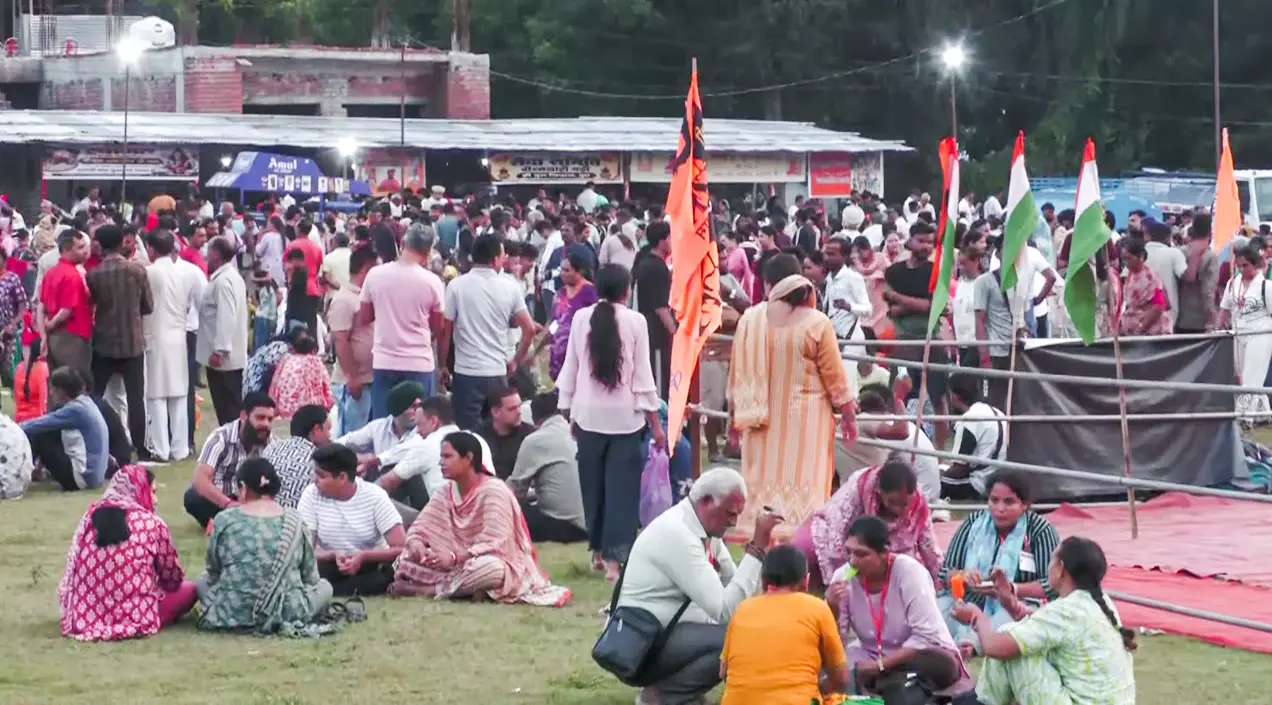
Nepal flash floods ring alarm bells in J&K over GLOF, flood and landslide risks

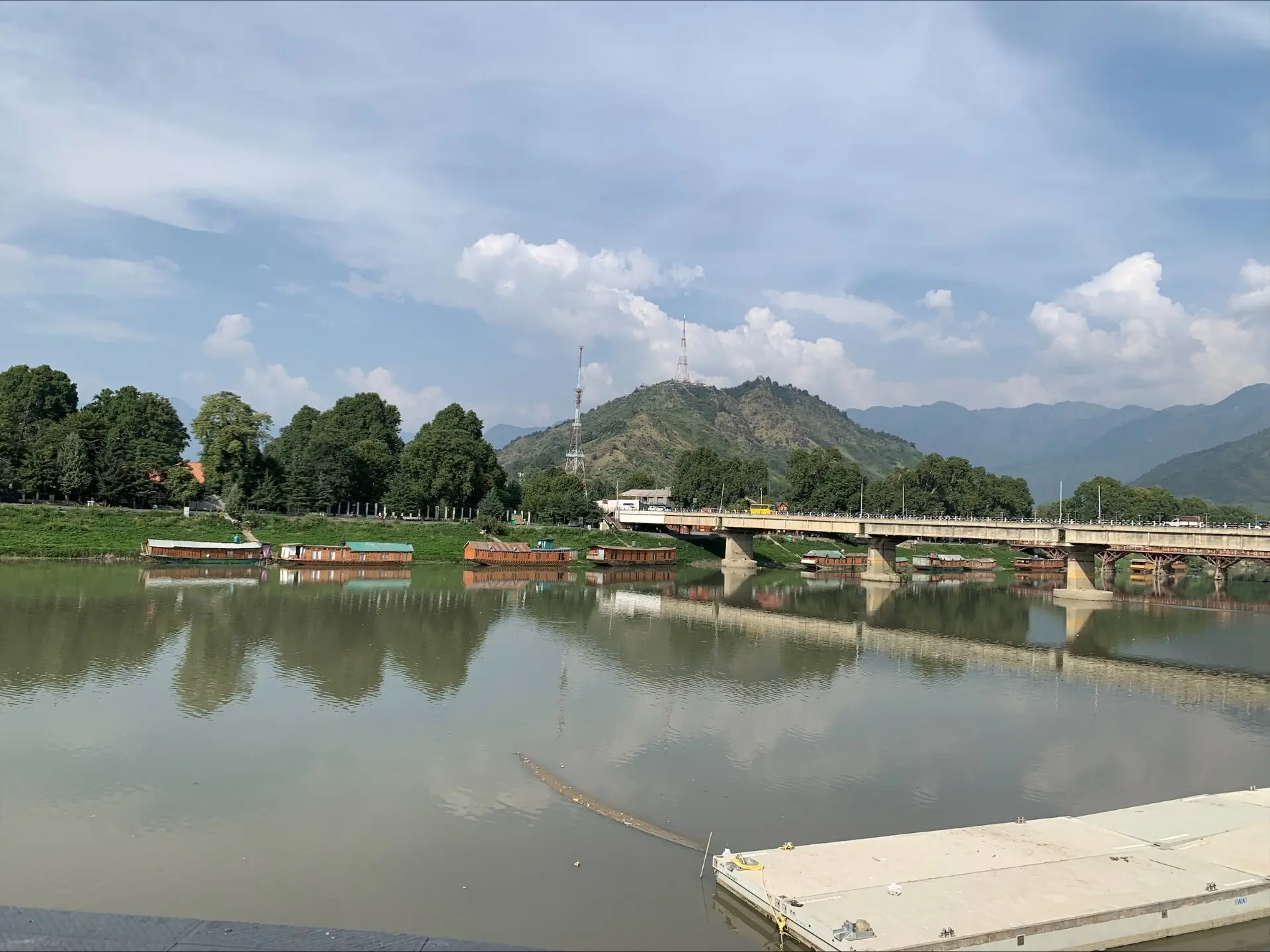&imwidth=600&imheight=450&format=webp&quality=medium "Nepal flash floods ring alarm bells in J&K over GLOF, flood and landslide risks")
Representational Image Photograph: (Idrees Lone)
Nepal's devastating floods have raised concerns in J&K, where experts warn of risks from glacial lake outbursts, landslides, earthquakes and floods.
In the wake of the devastating flash floods in Nepal, which caused large-scale loss of life and extensive damage to property, experts in Jammu and Kashmir have called for urgent strategic planning and disaster preparedness to mitigate the growing risks posed by glacial lake outbursts, floods and landslides in the Union Territory.
Recent studies have highlighted a rising threat from high-altitude glacier lakes and unstable terrain across Jammu and Kashmir, with researchers warning that a sudden glacial lake outburst flood (GLOF), landslide or other natural hazard could have severe consequences for downstream communities and critical infrastructure.
According to recent survey data, 155 glacial lakes in Jammu and Kashmir have been assessed for GLOF-related risks, with five categorised as being at very high risk. These include Bramsar, Chirsar, Nundkol, Gangabal and Bhagsar lakes, located in the higher reaches of areas including Ganderbal, Kulgam, Kishtwar and Doda.
Experts have warned that an outburst triggered by ice or rock falls, landslides, rapid changes in lake levels or the failure of natural dams could unleash huge volumes of water downstream. Such an event could potentially damage thousands of buildings, major bridges, roads and other critical infrastructure, including important hydropower installations.
Also Read: Major security success in Shopian: Joint forces bust terror hideout, recover arms and ammunition
“Yes, we have several such lakes in Srinagar and across the Kashmir region, including Kausar Lake and Gangabal Lake in the upper reaches. We also have lakes such as Sheshnag and Gangabal, which are relatively close to the Srinagar and Kashmir areas. In addition, there are numerous high-altitude mountain lakes across the Himalayas. The kind of catastrophe that occurred in Nepal could potentially happen here as well. Scientists have explained that in Nepal, a shelf of ice collapsed onto a glacial lake, triggering a massive and intense surge of water that rose to a height greater than a five-storey building, '' said Ajaz Rasool, Environmentalist.
Trending Stories
&imwidth=280&imheight=210&format=webp&quality=medium)
&imwidth=280&imheight=210&format=webp&quality=medium)
&imwidth=280&imheight=210&format=webp&quality=medium)
&imwidth=280&imheight=210&format=webp&quality=medium)
&imwidth=280&imheight=210&format=webp&quality=medium)
&imwidth=280&imheight=210&format=webp&quality=medium)
&imwidth=280&imheight=210&format=webp&quality=medium)
&imwidth=280&imheight=210&format=webp&quality=medium)

&imwidth=280&imheight=210&format=webp&quality=medium)
&imwidth=280&imheight=210&format=webp&quality=medium)
&imwidth=280&imheight=210&format=webp&quality=medium)
&imwidth=280&imheight=210&format=webp&quality=medium)
&imwidth=280&imheight=210&format=webp&quality=medium)
&imwidth=280&imheight=210&format=webp&quality=medium)
&imwidth=280&imheight=210&format=webp&quality=medium)
&imwidth=280&imheight=210&format=webp&quality=medium)
&im=FitAndFill=(700,400)&imwidth=280&imheight=210&format=webp&quality=medium)
&imwidth=280&imheight=210&format=webp&quality=medium)
&imwidth=280&imheight=210&format=webp&quality=medium)
&imwidth=280&imheight=210&format=webp&quality=medium)
&imwidth=280&imheight=210&format=webp&quality=medium)
&imwidth=280&imheight=210&format=webp&quality=medium)
&imwidth=280&imheight=210&format=webp&quality=medium)
&imwidth=280&imheight=210&format=webp&quality=medium)
&imwidth=280&imheight=210&format=webp&quality=medium)
&im=FitAndFill=(700,400)&imwidth=280&imheight=210&format=webp&quality=medium)
&imwidth=280&imheight=210&format=webp&quality=medium)
&im=FitAndFill=(700,400)&imwidth=280&imheight=210&format=webp&quality=medium)

&im=FitAndFill=(700,400)&imwidth=280&imheight=210&format=webp&quality=medium)
&imwidth=280&imheight=210&format=webp&quality=medium)
&imwidth=280&imheight=210&format=webp&quality=medium)
&imwidth=280&imheight=210&format=webp&quality=medium)
He further added, ''The incident resulted in significant loss of life and extensive damage to property. This has also focused our attention on Jammu and Kashmir because we are facing a somewhat similar situation in terms of glacial lakes and the melting of glaciers in the higher Himalayas. Such events cannot be ruled out, and we therefore need to be extremely cautious. We must draw up contingency plans and take preventive measures to assess whether such a disaster can be avoided or mitigated. At the same time, we need to be prepared with clear response mechanisms so that, if such an event does occur, we know exactly what steps need to be taken to minimise the loss of life and property.”
Researchers have also raised concerns over the accelerated melting of glaciers in the region. Available data indicates that around 18,000 glaciers in Jammu and Kashmir are experiencing significantly accelerated melting, while several glacial lakes are expanding rapidly, increasing concerns over their stability.
The risk is particularly pronounced across parts of south and central Kashmir, Ladakh, Kishtwar and Doda, where high-altitude glacial systems, steep slopes and vulnerable settlements and infrastructure converge.
Adding to the vulnerability is the region's seismic profile. Jammu and Kashmir falls in a high seismic-risk zone, meaning a strong earthquake could potentially trigger landslides or destabilise glacial lakes and natural dams, creating a cascading disaster involving sudden flooding downstream.
“We were earlier classified under Zone V, and now we are being placed in Zone 5.1, a new category carved out for areas that are particularly prone to earthquakes. There are forecasts that a major earthquake could occur in Jammu and Kashmir, potentially measuring around 8 on the Richter scale. If such an earthquake were to occur, it could result in a major disaster. As far as glaciers and glacial lakes are concerned, a powerful earthquake could potentially destabilise or breach some of these lakes, sending huge volumes of water downstream through the streams and rivers. We could face an extremely tragic situation, and the extent of the damage is difficult to even imagine. This is the time to take preventive measures, formulate appropriate policies, and ensure their effective implementation so that we can minimise the impact of such disasters. We hope that such a major earthquake does not occur, but we must be fully prepared for the possibility,” said Ajaz Rasool, Environmentalist.
A recent assessment has also identified around 43,000 square kilometres of area in Jammu and Kashmir as being vulnerable to landslides, underlining the scale of the challenge facing disaster-management authorities.