'My tax is for country's development, not for free distribution': Why is this trending on social media?

For representative use.
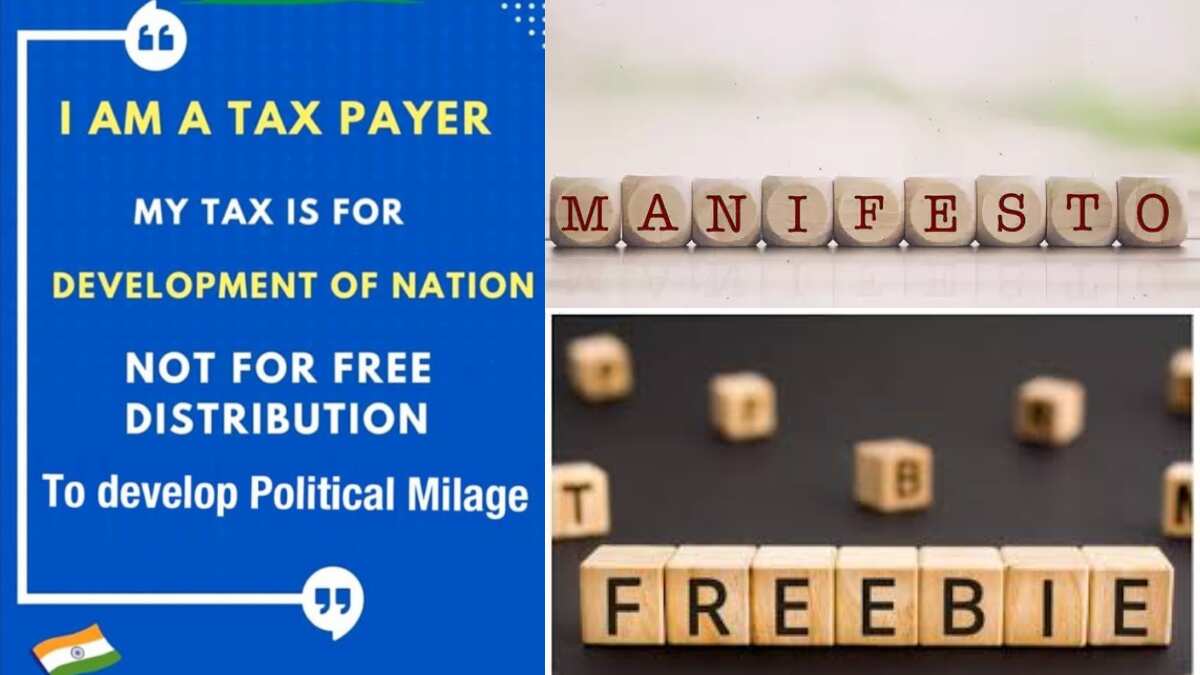
‘I’ am a tax payer, my tax is for country's development, not for free distribution’. This response is once again trending on social media.
Before elections, most political partiespromisesome freebees or services in their manifestos. And when any party comes to power, it has to spend billions of rupees on these free schemes to fulfill its election promises.
Do you know that this money comes from taxpayers, and not from the funds of any political party? Since NDA returned to power for a third consecutive term, taxpayers have beenexpressingdispleasure on social media overthe promises of several free schemes made by the NDA governmentwhich will be paid through the tax-payers money.

Notably, two major allies of the NDA are the Telugu Desam Party (TDP) and Janata Dal (United). Before the elections, these parties also released their manifestos promising several free schemes, which will cost millions of rupees annually to implement.
However this year before the elections, the NDA issued a joint manifesto, announcing several free schemes.
BJP announced that it would continue the free ration scheme for the next five years, which was initiated in 2020 during the COVID-19 pandemic. Along with expanding the coverage of free treatment up to ₹5 lakhs under the Ayushman Bharat scheme, they also promised to provide medicines at an 80% discount at Jan Aushadhi centers.
)
Did India risk its US trade deal despite softer stance at BRICS?
)
Pakistan puts Pak Rs 70 lakh bounty on UN terrorist Masood Azhar; move draws skepticism in Delhi
)
First naval drone battle? Ukraine says Sargan 3000 sank Russian unmanned boat
)
Practical Magic 2 breaks Spidey spell over North American box office
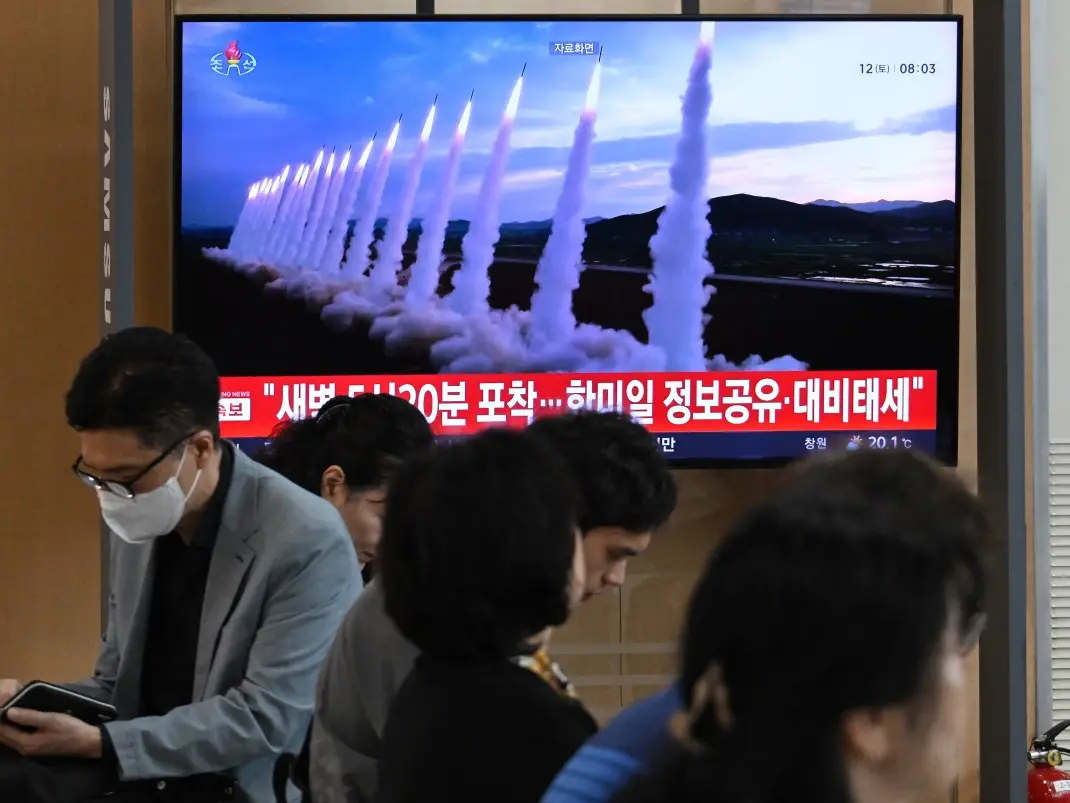)
'Huge destructive power': North Korea calls its latest missile launches 'live-fire drill' even as US dismisses 'immediate threat'
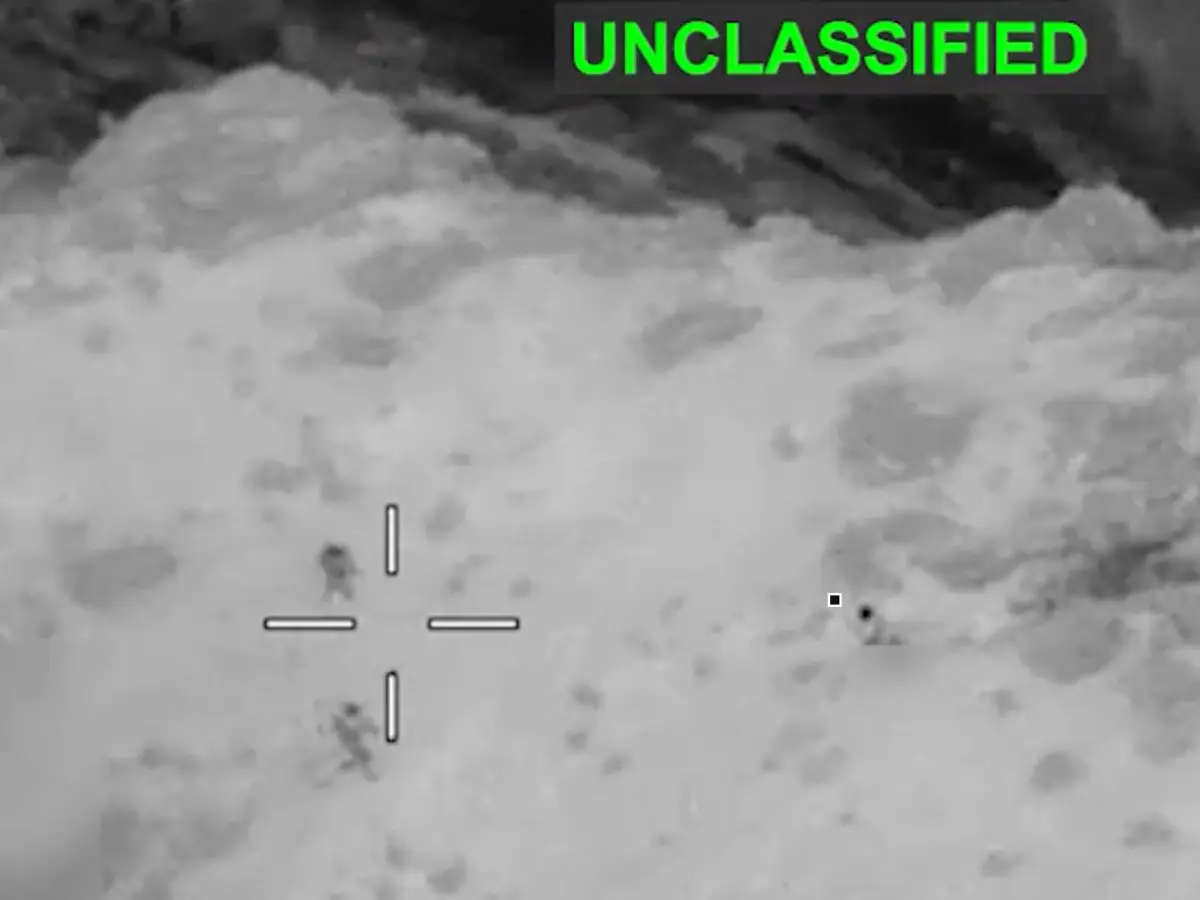)
‘Let’s go’: Newly declassified videos show dramatic rescue of US Air Force officers downed in Iran
)
Ganesh Chaturthi 2026: Devotees throng the iconic Lalbaugcha Raja pandal in Mumbai
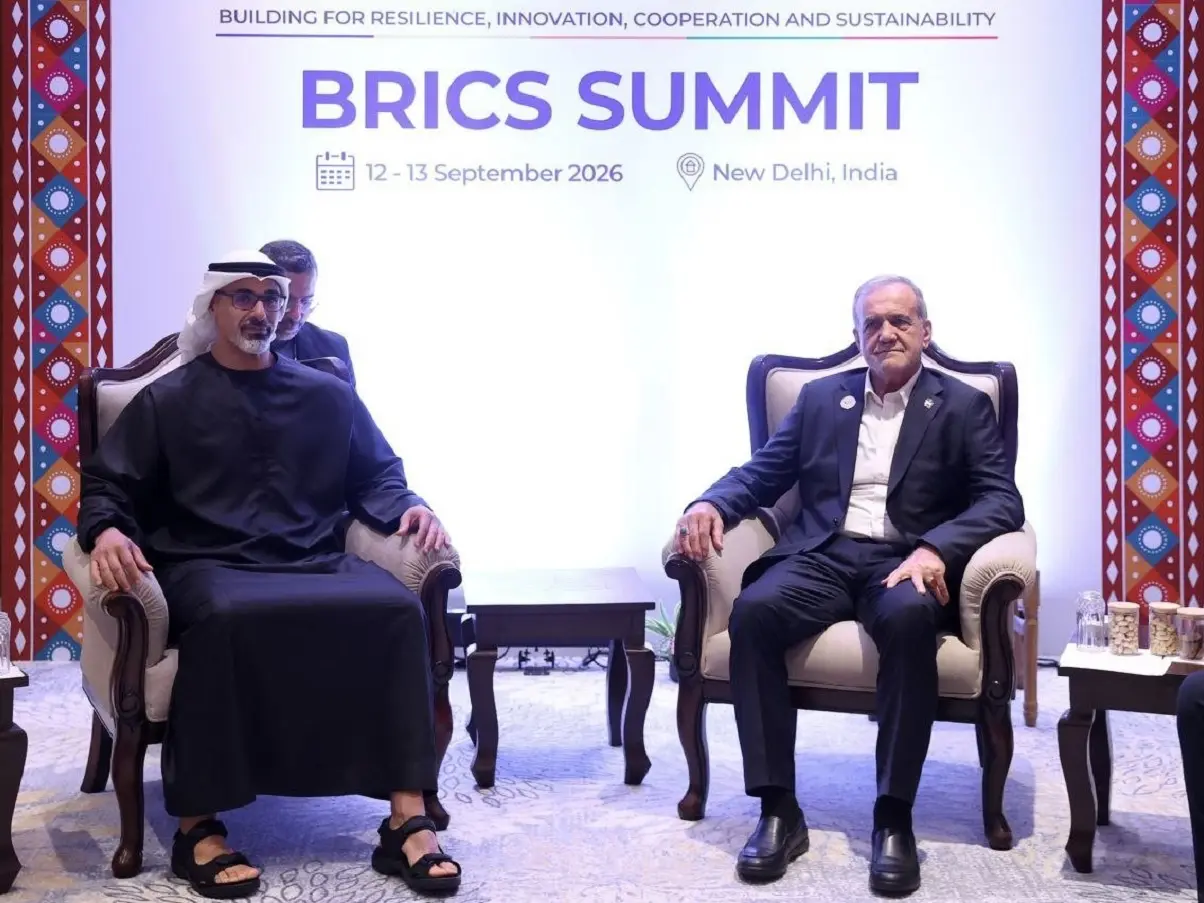)
Delhi’s balancing act: BRICS serves as a stage for West Asia diplomacy
&im=FitAndFill=(700,400))
Why European Meteor missiles use ramjet engines compared to standard US solid rockets
)
Iran, India agree to deepen humanitarian and political ties, President Pezeshkian says
)
‘Want to reset ties with India, have engagement based on mutual interests,’ says Bangladesh minister
)
Trump says Canada eager to reach a deal, it could come ‘fairly soon’ if Ottawa treats US farmers better
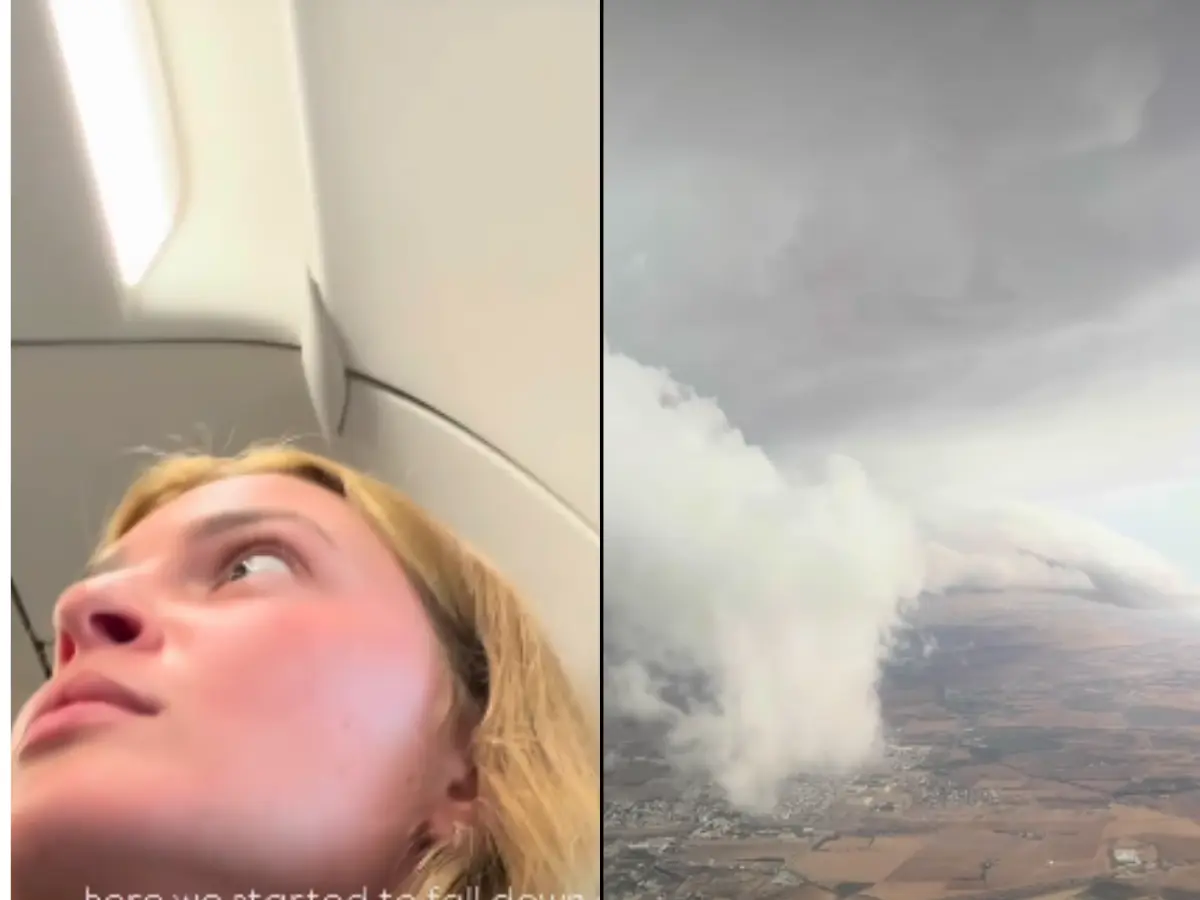)
Turkish Airlines plane flies through a storm three times, triggering severe turbulence
&im=FitAndFill=(700,400))
Why Chinese PL-15 air-to-air missiles use dual-pulse motors compared to European interceptors
)
Orlando Bloom addresses Pirates of the Caribbean comeback and reunion with Johnny Depp
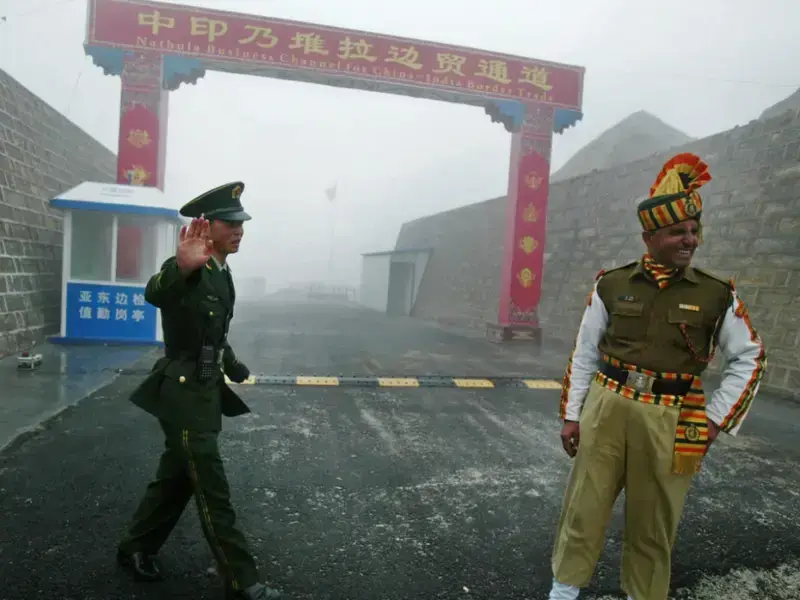)
China thinned Himalayan troop presence in 2025, India defence report says; terms border situation 'stable'
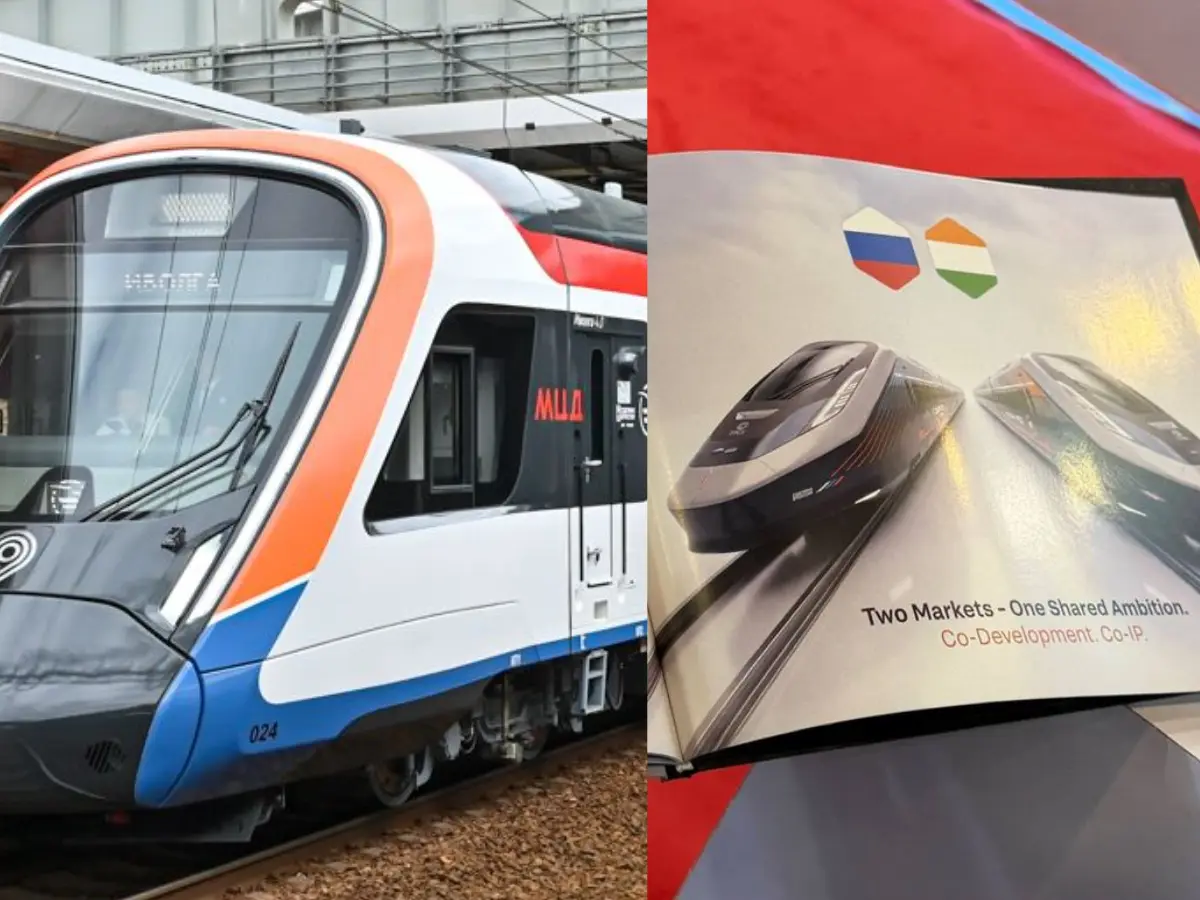)
Russia proposes to build 360 kmph Ivolga FG trains in India: What happened on sidelines of BRICS
)
800 million years old - Scientists discover 'fingerprints' of supercontinent Gondwana in ancient rocks
)
Israeli minister calls to strip Gaza film directors of citizenship
)
Natural caffeine sources gain popularity; matcha & botanicals offer calm energy
)
China discovers vast gold and silver 'mine' in the Pacific with unheard-of deposits
)
Russian drone hits Warsaw-bound train near Polish border, Zelensky accuses Moscow of ‘deliberate’ targeting
)
Plane carrying prominent figure crashes at Libya’s Misrata airport: Report
)
Veteran Bollywood actress Nafisa Ali shares health update as Stage 4 cancer progresses, starts targeted therapy
&im=FitAndFill=(700,400))
New OTT releases this week (September 14-20, 2026): Lust Stories 3, Waiting Hai, Irumudi- 5 new titles coming on Netflix, Prime Video and more
)
Liam Neeson sparks romance rumours after holding hands with Stella Stocker at TIFF 2026
)
Saudi Arabia discovers 110 million tonnes of Uranium-rich ore in Madinah region
)
Indian importers urge Bangladesh to lift export ban on 'Hilsa' fish ahead of Durga Puja
)
Video of Pakistani lawmaker struggling to read English tribute to Jinnah goes viral - WATCH
)
Did China give Iran intel before US base strike that killed 3 troops? Trump says, 'You’re right...'
)
Crude oil prices jump more than $107 per barrel following Houthi attacks on Saudi
)
Women's Asia Cup 2026: India denied trophy once again despite winning the title
)
Humans may lose control of AI: Anthropic CEO calls for slowdown, Altman, Musk back him
Additionally, every senior citizen above the age of 70, whether poor, middle-class, or upper-middle-class, will be entitled to free treatment up to ₹5 lakhs.
What’s Free in NDA’s Manifesto in Andhra Pradesh?
The TDP, Jana Sena, and BJP alliance promised a monthly financial assistance of ₹3,000 to unemployed youth. NDA named its manifesto 'Praja Galam.'
TDP's announcement includes promises such as free bus travel for women, three free cooking gas cylinders per year for every household, and ₹15,000 annually for every school-going child.
What Do Experts Say About Free Schemes?
Manish Khemka, Chairman of the Global Taxpayers Trust, says, “like every time, this Lok Sabha election also made it clear that freebies are now becoming a national disease or even a pandemic. This is the biggest corruption in democracy that needs to be stopped immediately. Over time, political parties have also changed the way they announce freebies. Earlier, candidates would try to win elections by distributing money and liquor from their pockets. Nowadays, political parties attempt to gain power by using hardworking taxpayers' money.
Parties formally announce various freebies in their manifestos to lure voters.”
“If government expenditure aligns with resources and boosts productivity by supporting the poor, it is acceptable; otherwise, freebies should be strictly prohibited,” he added.
Former Finance Secretary of India, Subhash Chandra Garg, says, “Broadly, 50% of the central government’s budget is funded by taxpayers, and the remaining 50% comes from non-tax revenue. It is incorrect to say that taxpayers bear all the expenses. We need to understand the system of public finance.”
“Taxpayers also have the misconception that most of their money goes towards freebies. Taxpayers fund only 50% of the Government of India's budget. Therefore, the budget for free schemes does not exceed 15-20%. Public finance never categorises it this way. Hence, such campaigns are not correct,” said Garg.
(With inputs from agencies)