Kerala Elections on April 9: Pre-poll surveys indicate neck-and-neck contest between UDF, LDF, NDA in focus too

&imwidth=600&imheight=450&format=webp&quality=medium "Kerala Elections on April 9: Pre-poll surveys indicate neck-and-neck contest between UDF, LDF, NDA in focus too")
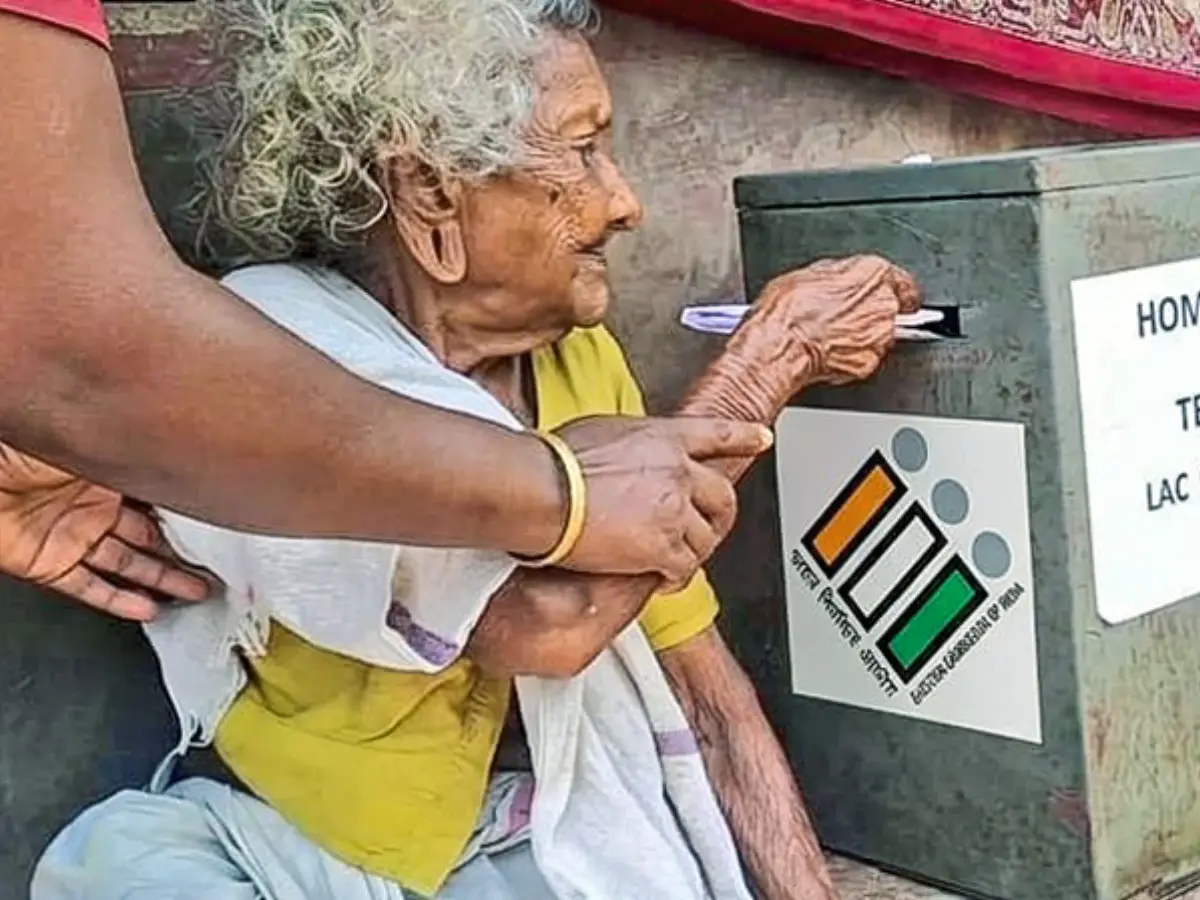
Kerala Elections on Apr 9 Photograph: (ANI)
Kerala votes on April 9 in a tightly contested election, with surveys showing a close fight between UDF and LDF. While the UDF holds a slight edge, overlapping projections keep the race open, with NDA likely to influence outcomes in key constituencies.
Kerala heads into polling on April 9 with one of its most tightly contested elections in recent years, as early surveys indicate a neck-to-neck contest between the two dominant alliances - Left Democratic Front (LDF) and United Democratic Front (UDF). While the UDF appears to hold a slight edge, the LDF remains firmly in contention, turning the race into a high-stakes battle where even small vote shifts could decide the outcome. The National Democratic Alliance (NDA) is also trying to make inroads in God's Own Country, with Prime Minister Narendra Modi, using Bollywood tropes to woo voters in the state. As recent electoral patterns couldn't be a hint of the future with the UDF’s strong showing in the 2024 Lok Sabha polls but the LDF’s recovery in the 2025 local body elections - this election becomes crucial. In the 2021 Assembly elections, the LDF secured a decisive mandate, winning 99 seats and returning Pinarayi Vijayan to power for a rare consecutive term. The UDF lagged behind with 41 seats, while the NDA failed to open its account, losing its lone previous seat.
What pollsters predict
Early projections from multiple agencies project neck-and-neck nature of the race, with most giving a marginal edge to the LDF. Estimates from trackers like Manorama-C Voter, Lok Poll, News18 Vote Tracker and Janmat broadly suggest the UDF could land somewhere in the high 60s to mid-80s in seat count, while the LDF trails closely within striking distance, projected in the 50s to around 70. The National Democratic Alliance (NDA) is expected to win only a handful of seats, but its vote share could prove decisive in closely contested constituencies.
In terms of vote share projections, the UDF is estimated to secure roughly 39–45 per cent of votes, with the LDF just a few points behind. The NDA’s share varies across surveys but is significant enough in some regions to influence outcomes. The Mathrubhumi-Core survey underscores the uncertainty, showing overlapping seat ranges for both UDF and LDF, keeping the majority mark well within reach for either side. However, projections from agencies like Axis My India and Rajneet Pulse highlight the unpredictability of the election. While one forecasts a sweeping LDF win, another predicts a decisive UDF victory.
What manifestos promise
Trending Stories
&imwidth=280&imheight=210&format=webp&quality=medium)
&imwidth=280&imheight=210&format=webp&quality=medium)
&imwidth=280&imheight=210&format=webp&quality=medium)
&imwidth=280&imheight=210&format=webp&quality=medium)
&imwidth=280&imheight=210&format=webp&quality=medium)
&imwidth=280&imheight=210&format=webp&quality=medium)
&imwidth=280&imheight=210&format=webp&quality=medium)
&imwidth=280&imheight=210&format=webp&quality=medium)
&imwidth=280&imheight=210&format=webp&quality=medium)
&imwidth=280&imheight=210&format=webp&quality=medium)
&imwidth=280&imheight=210&format=webp&quality=medium)
&imwidth=280&imheight=210&format=webp&quality=medium)
&imwidth=280&imheight=210&format=webp&quality=medium)
&imwidth=280&imheight=210&format=webp&quality=medium)
&imwidth=280&imheight=210&format=webp&quality=medium)
&imwidth=280&imheight=210&format=webp&quality=medium)
&imwidth=280&imheight=210&format=webp&quality=medium)
&imwidth=280&imheight=210&format=webp&quality=medium)
&imwidth=280&imheight=210&format=webp&quality=medium)
&imwidth=280&imheight=210&format=webp&quality=medium)
&im=FitAndFill=(700,400)&imwidth=280&imheight=210&format=webp&quality=medium)
&imwidth=280&imheight=210&format=webp&quality=medium)
&imwidth=280&imheight=210&format=webp&quality=medium)
&imwidth=280&imheight=210&format=webp&quality=medium)
&imwidth=280&imheight=210&format=webp&quality=medium)
&imwidth=280&imheight=210&format=webp&quality=medium)
&im=FitAndFill=(700,400)&imwidth=280&imheight=210&format=webp&quality=medium)
&imwidth=280&imheight=210&format=webp&quality=medium)
&imwidth=280&imheight=210&format=webp&quality=medium)
&imwidth=280&imheight=210&format=webp&quality=medium)
&imwidth=280&imheight=210&format=webp&quality=medium)
&imwidth=280&imheight=210&format=webp&quality=medium)
&imwidth=280&imheight=210&format=webp&quality=medium)
&imwidth=280&imheight=210&format=webp&quality=medium)
&imwidth=280&imheight=210&format=webp&quality=medium)
&imwidth=280&imheight=210&format=webp&quality=medium)
&imwidth=280&imheight=210&format=webp&quality=medium)
&imwidth=280&imheight=210&format=webp&quality=medium)
&imwidth=280&imheight=210&format=webp&quality=medium)
The LDF campaign centres on continuity, emphasising welfare expansion and long-term economic planning. It has pledged to eradicate extreme poverty, boost women’s employment, roll out universal healthcare access, attract major investments, and strengthen agriculture with higher support prices. The UDF, on the other hand, is focusing on direct financial relief and social guarantees. Its promises include free public transport for women, monthly assistance for female students, support for young entrepreneurs, expanded health insurance coverage, improved wages for frontline workers, and targeted development initiatives such as coastal projects and tribal education. The NDA is pitching a development-driven agenda aligned with central schemes. Its promises include direct cash support for households, free utilities, major infrastructure projects like a high-speed rail corridor, establishment of premier healthcare institutions, and reforms in temple administration, alongside agricultural price assurances.
Big faces
For the LDF, Chief Minister Pinarayi Vijayan remains the central figure, seeking another term on the back of governance continuity and welfare delivery. The UDF campaign is led by Leader of Opposition VD Satheesan, with senior leader Ramesh Chennithala also emerging as a key contender for the top post. The NDA’s campaign is fronted by Rajeev Chandrasekhar, alongside prominent figures like Suresh Gopi and K Surendran, who are leading high-profile contests across the state.
Keralam polls
The 140 seats of Keralam will go to the polls in a single phase on April 9, with counting of votes scheduled for May 4. The current Legislative Assembly is set to complete its term on May 23, 2026. As per the election schedule, the last date for filing nominations is March 23, followed by scrutiny on March 24, while candidates can withdraw their nominations until March 26. The state has around 2.69 crore registered voters, including a significant number of first-time voters aged 18–19.

