Jallikattu 2023 Date: Check history, significance, important facts, bulls & their owners; all you need to know


Jallikattu 2023 all details
Jallikattu, a traditional Hindu festival and an essential part of Tamil culture, is a practice by peasants to safeguard their pure-bred, indigenous bulls. Since cow breeding has increasingly become an artificial process, bulls are typically used for farming and meat. But Jallikattu provides peasants and farmers with an opportunity to preserve the indigenous breed of bulls. Jallikattu is a combination of the terms "calli" (coins) and "kattu," which means "a bundle of coins tied to the bull's horns" (knot). Taking this bundle off the animal's head used to earn the tamer money or silver in the past.
Jallikattu 2023 Date
Jallikattu in 2023 will be held between January 15 and 17 in Tamil Nadu’s Madurai district. The festival is celebrated prominently in three villages: Avaniyapuram, Palamedu and Alanganallur. Avaniyapuram will host Jallikattu on January 15, Palamedu on January 16, and Alanganallur on January 17.

Jallikattu: history and significance
The National Museum in New Delhi has an Indus Valley culture seal depicting the practice, and a cave artwork of a man attempting to tame a bull is thought to be over 2500 years old. Jallikattu is the traditional method used by the peasant culture to protect its indigenous, pure-bred bulls. Among the well-known indigenous cow varieties used in Jallikattu are Umbalachery, Bargur, Pulikulam, Kangayam, and Malai Maadu. Locals hold high regard for exceptional breeders of these animals. Jallikattu is said to have originated during the Tamil Classical Era, which lasted from 400 to 100 BC. A man in command of a bull is said to be depicted in cave art dating back 2500 years. There are references to people watching and participating in Jalikattu, one of the most important Tamil classical epics. Pidithal Pollerudhu, Pidithal Madu, and Yeruthazhuvuthal are other names for Jallikuttu.
Bulls participating in Jallikattu and their owners
)
Frustrated man demolishes his kitchen after thousands flock to see Mother Mary his wife spotted on the wall
)
BRICS Summit 2026: PM Modi says India and Iran should pursue win-win strategy
)
IND vs AFG, 1st T20I: When and where to watch live streaming in India?
)
Osama Bin Laden's son ALIVE? Al-Qaeda releases video 7 years after US declared him dead
)
BRICS Summit: All about Xi Jinping's armoured limousine Hongqi that will ferry him in New Delhi
)
Anthropic is giving Claude to schools free, and the reason is not philanthropy
)
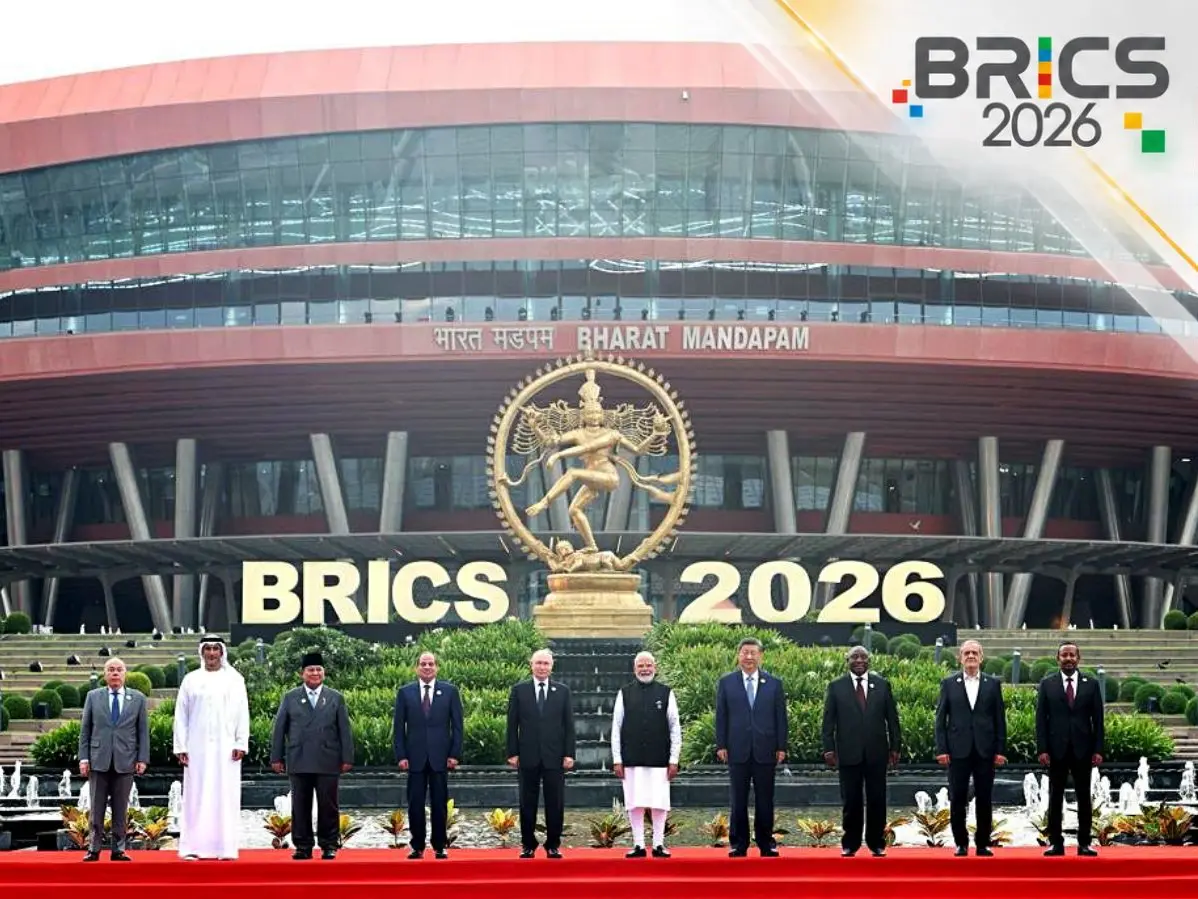
BRICS Summit 2026: Modi-Xi meeting to test India-China reset after border tensions
)
What’s in the menu for BRICS Summit gala dinner hosted by PM Modi? Details here
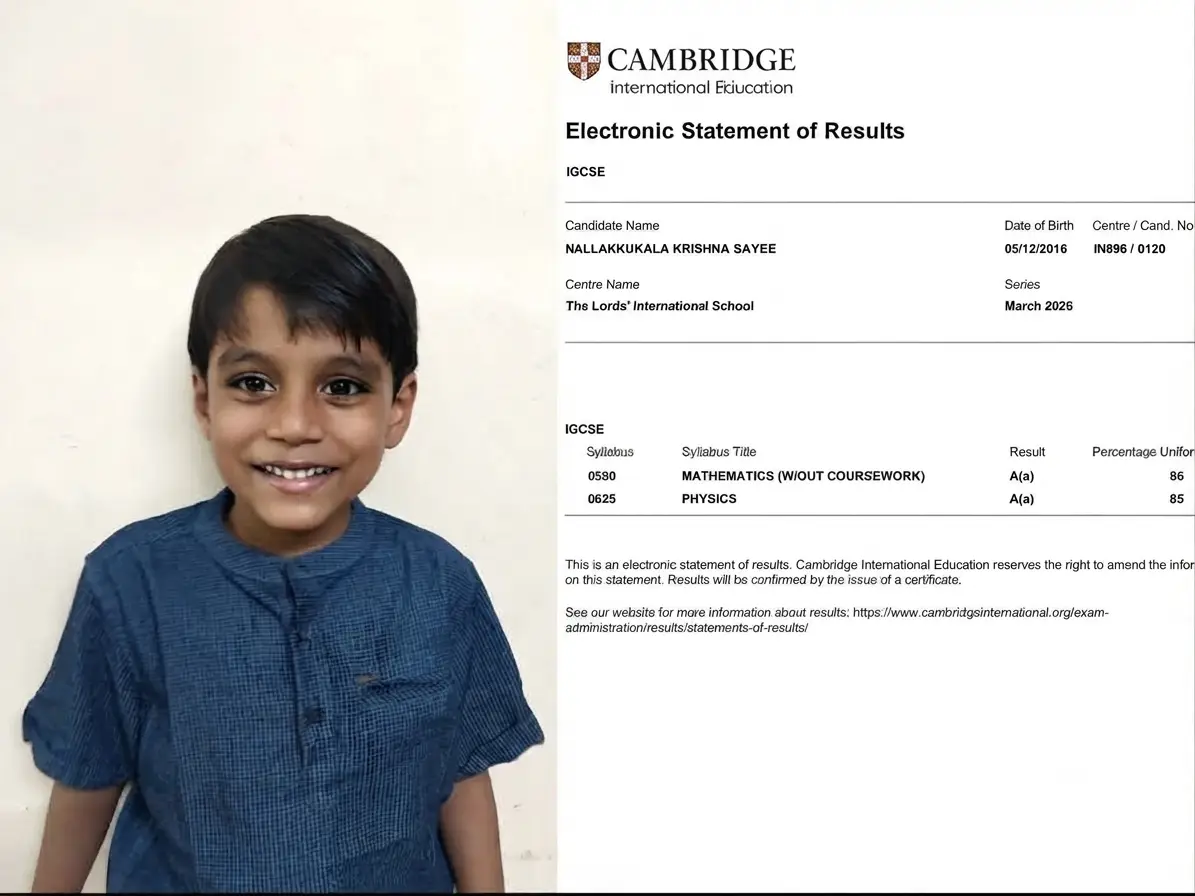)
9-year-old Chennai prodigy clears Cambridge IGCSE grade 10 exams
)
800 million years old - Scientists discover 'fingerprints' of supercontinent Gondwana in ancient rocks
)
BRICS declaration calls for stronger people ties, women-led growth and greater youth cooperation
)
BRICS Summit: China resumes Guangzhou-New Delhi flight, issues 'good-neighbourliness' remark ahead of Xi-Modi meet
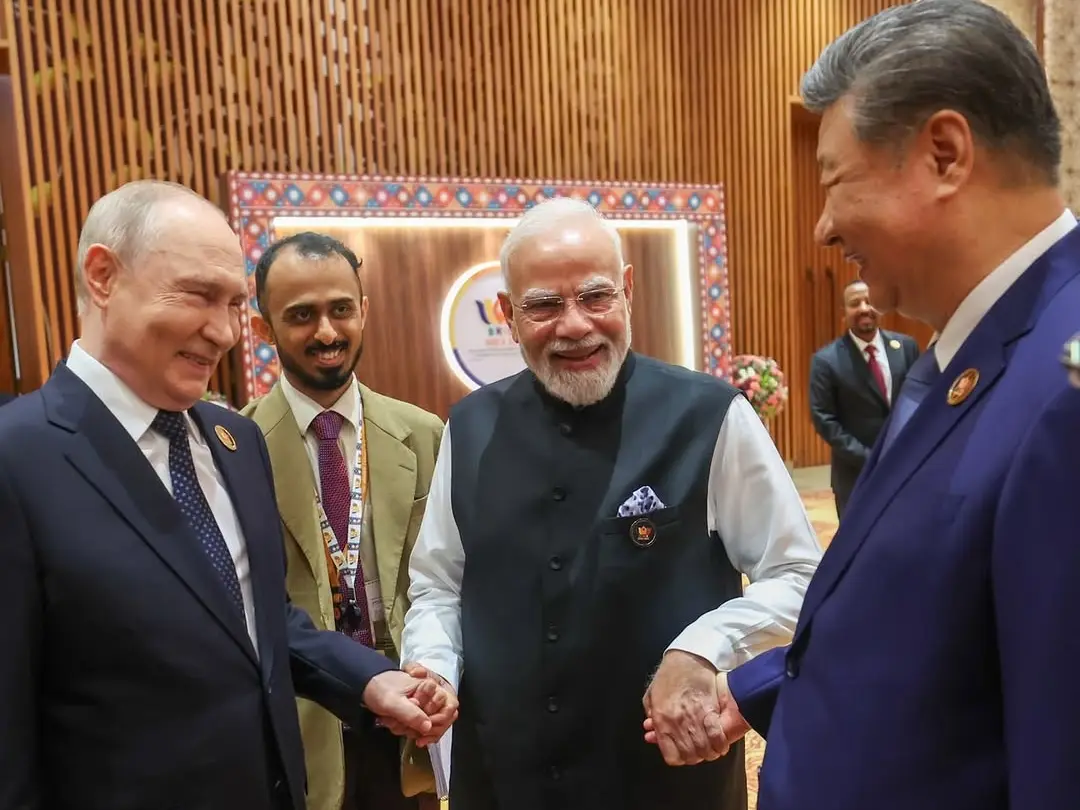)
Modi, Putin, Xi ‘bromance’ goes viral as leaders captured holding hands at BRICS Summit
)
From drones to KAAN fighters: Turkey outlines 229% surge in defence spending amid regional shifts
)
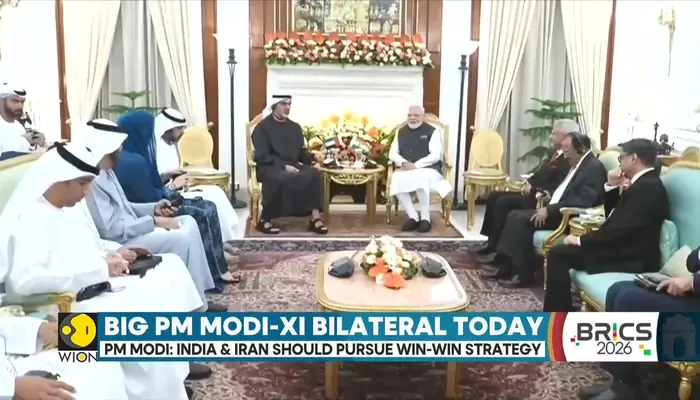
BRICS summit: India faces delicate Iran-UAE diplomatic test
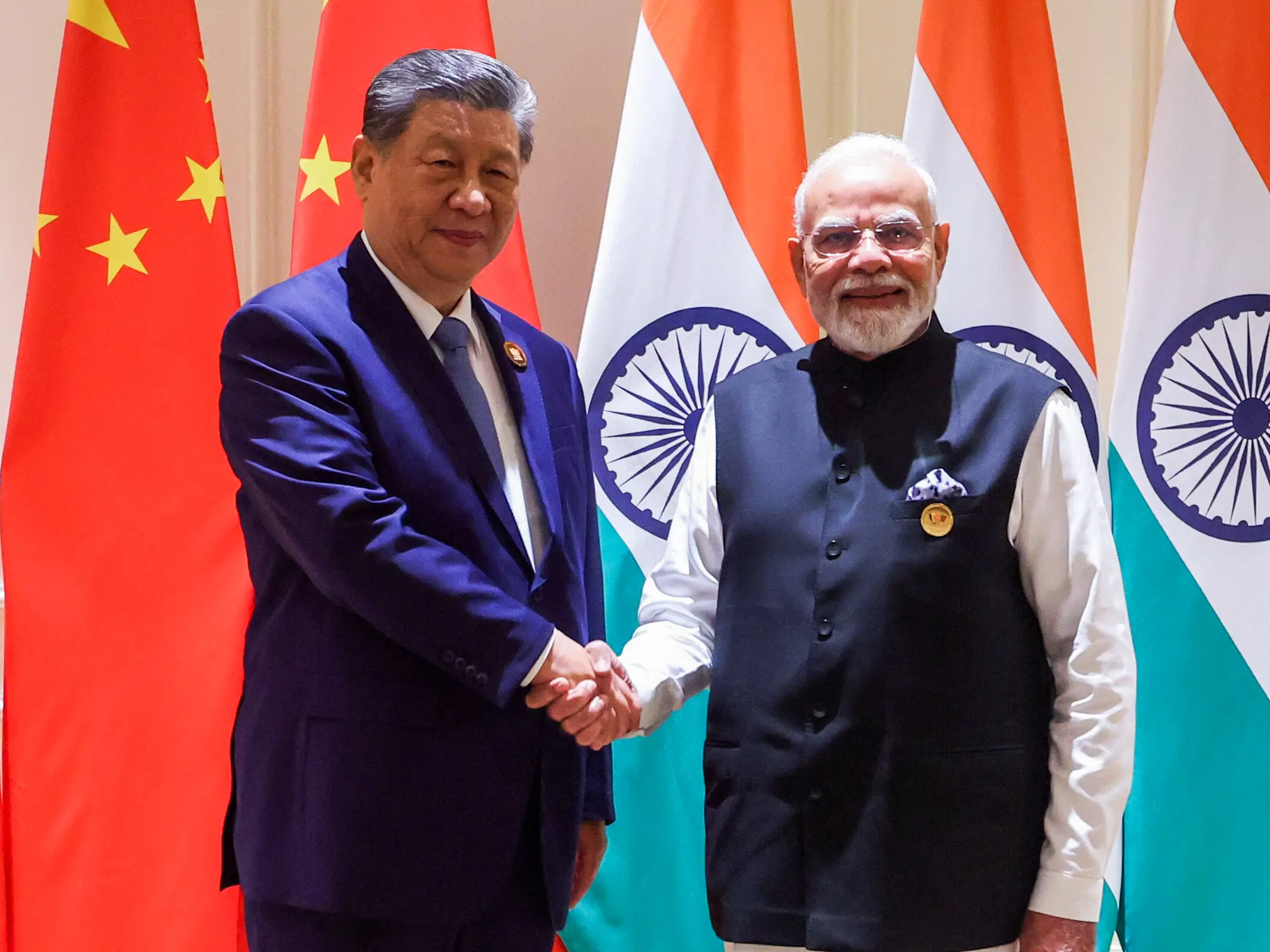)
‘Differences should not become disputes’: Modi, Xi stress long term India-China ties during bilateral talks
&im=FitAndFill=(700,400))
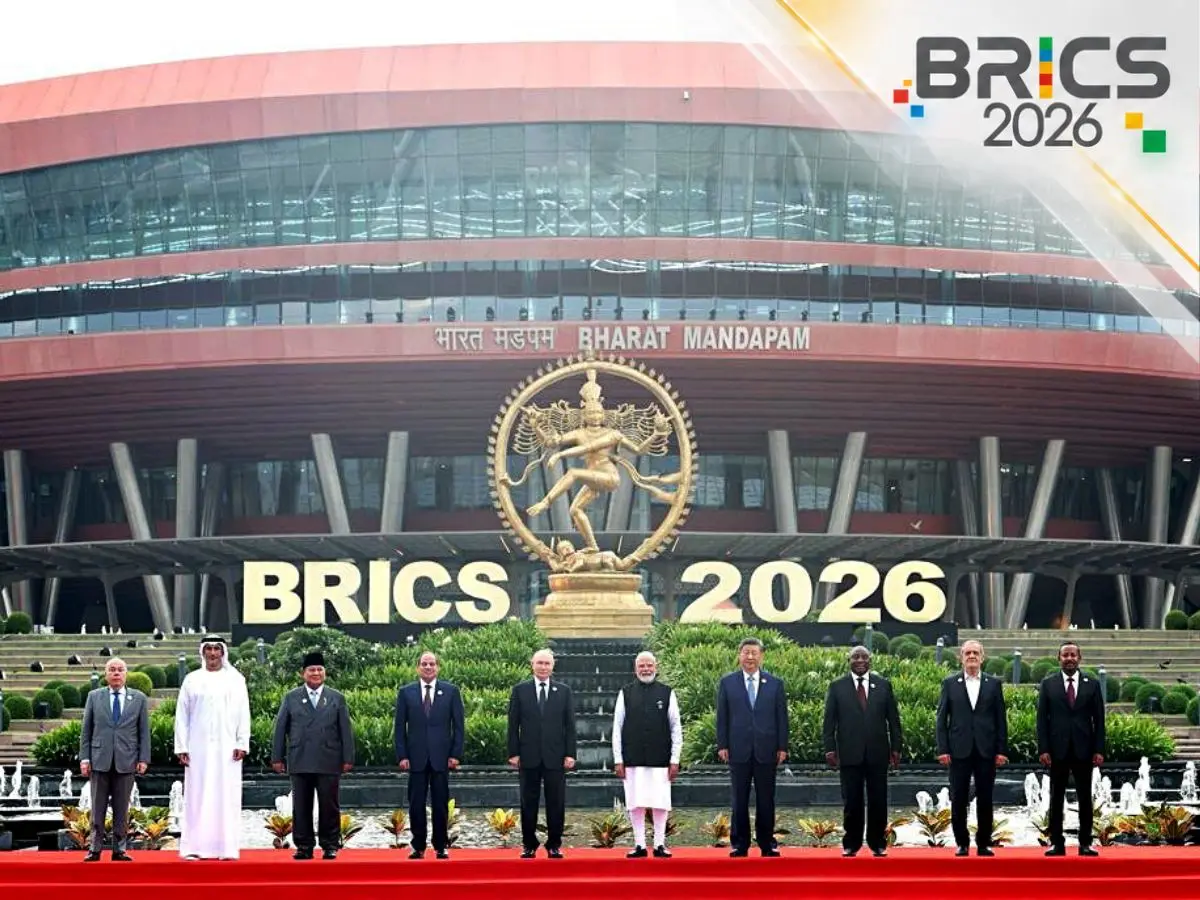
BRICS Summit 2026: Inside PM Modi’s meetings with global leaders
)
BRICS Summit 2026: Special BRICS session on 'inclusive global governance'
)
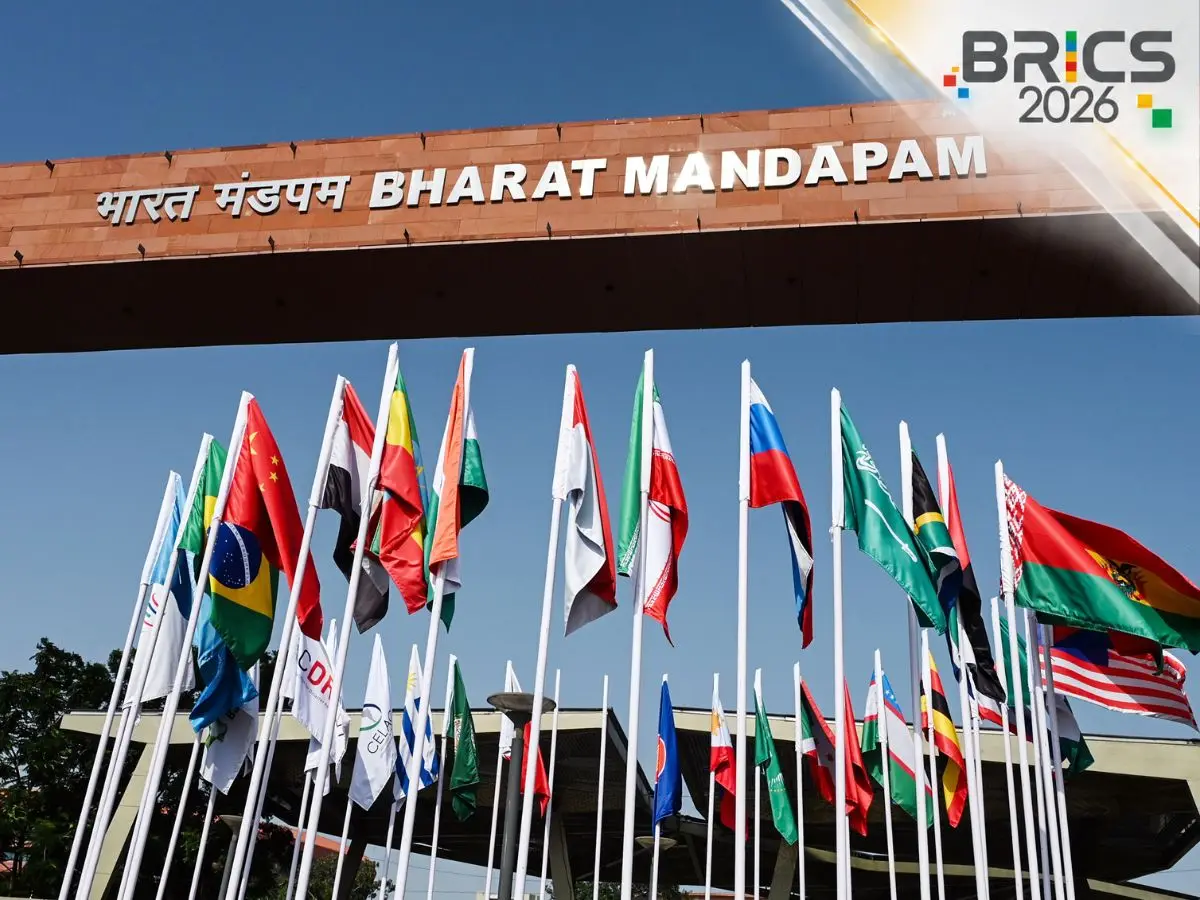
'A more balanced, multipolar world': India welcomes Chinese President Xi Jinping for BRICS Summit
)
BRICS Summit 2026 full schedule: Day-wise agenda, timings and key issues - All you need to know
)
Kabir Khan recalls being in NYC during 9/11; ‘Witnessed a city shaken by unimaginable tragedy’
)
Baba Vanga's first prophecy for 2027 is out, and straight out of science fiction
)
9/11 attack anniversary: The day that changed America forever
)
BRICS Summit 2026: India ensures consensus: BRICS nations to issue joint statement today
)
India bridging Gulf divide amid war? Iran’s Pezeshkian meets UAE Crown Prince at BRICS
)
Mumbai-based Air India pilot found dead at Vasant Kunj hotel
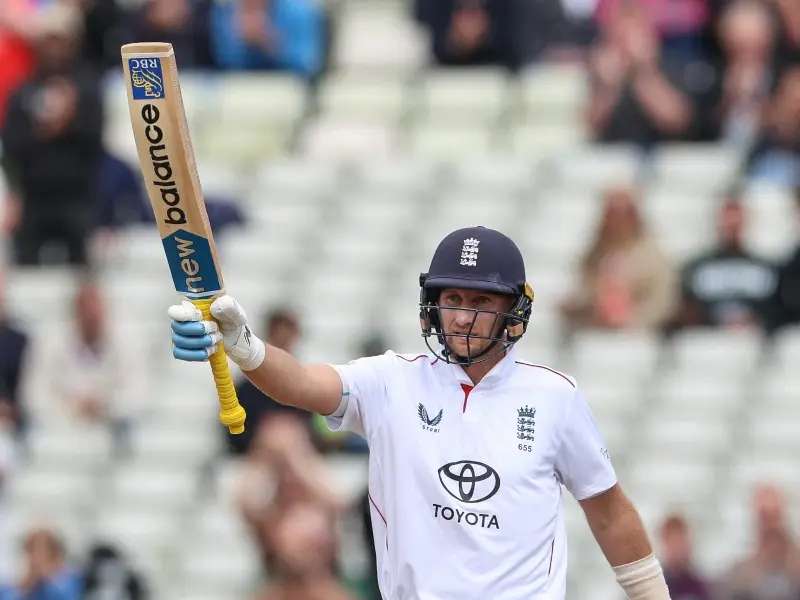)
ENG vs PAK: Joe Root breaks Sachin Tendulkar’s record for most Test fifties
)
BRICS Summit 2026: Iran's Pezeshkian praises PM Modi at BRICS
)
BRICS Summit 2026: 30+ countries seek BRICS membership
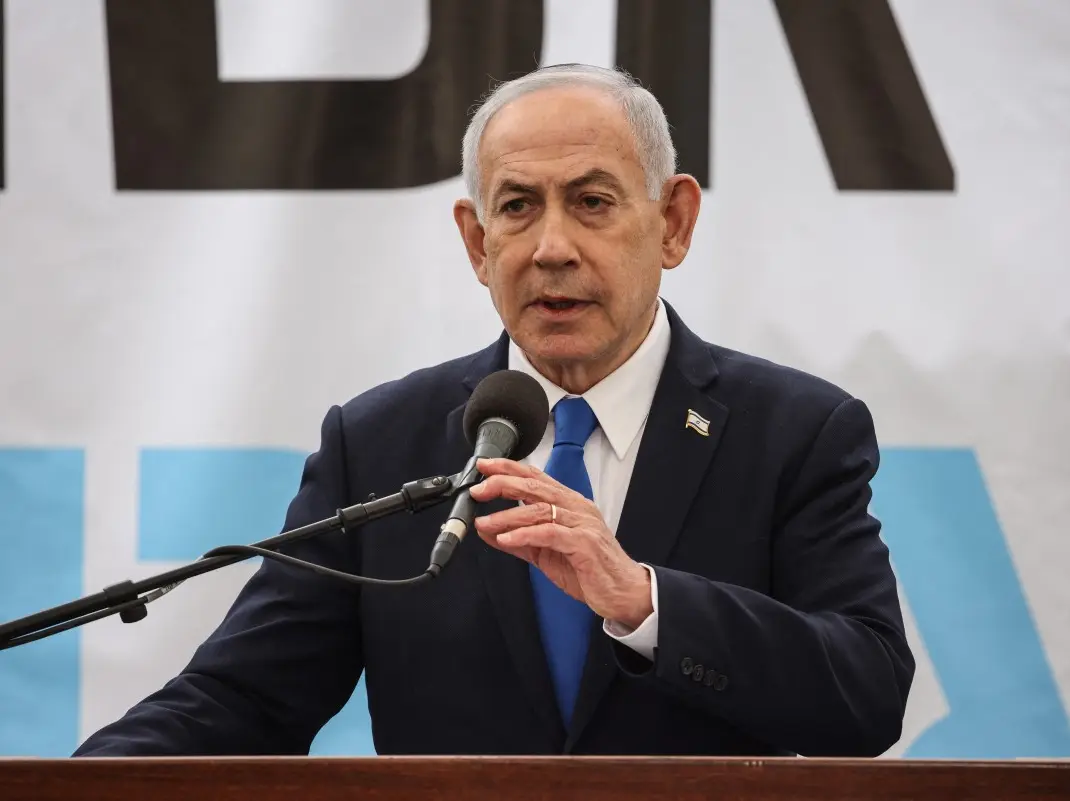)
Israel spent nearly $470,000 on PM's hair, makeup since 2019, data shows
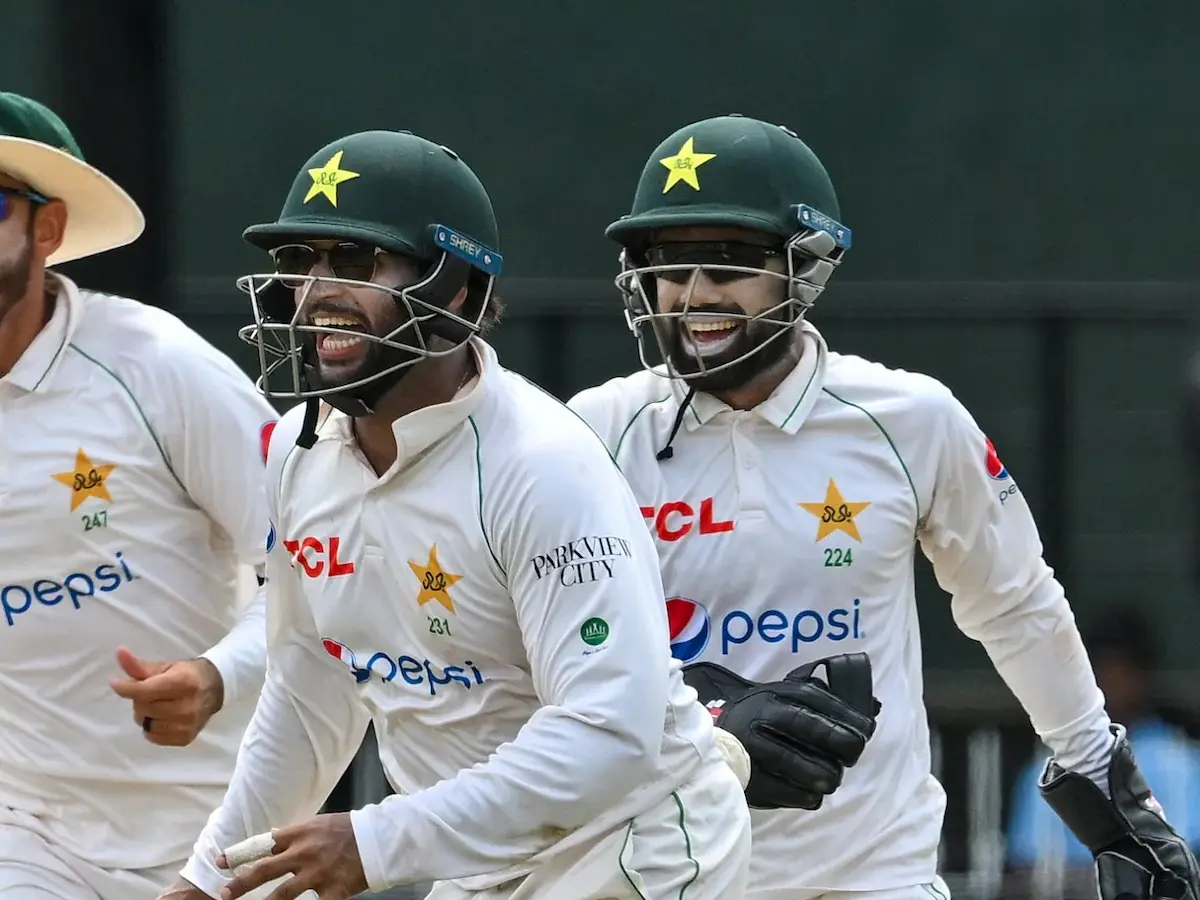)
Rizwan, Imam-ul-Haq questioned by Pakistan’s cybercrime department in Lahore
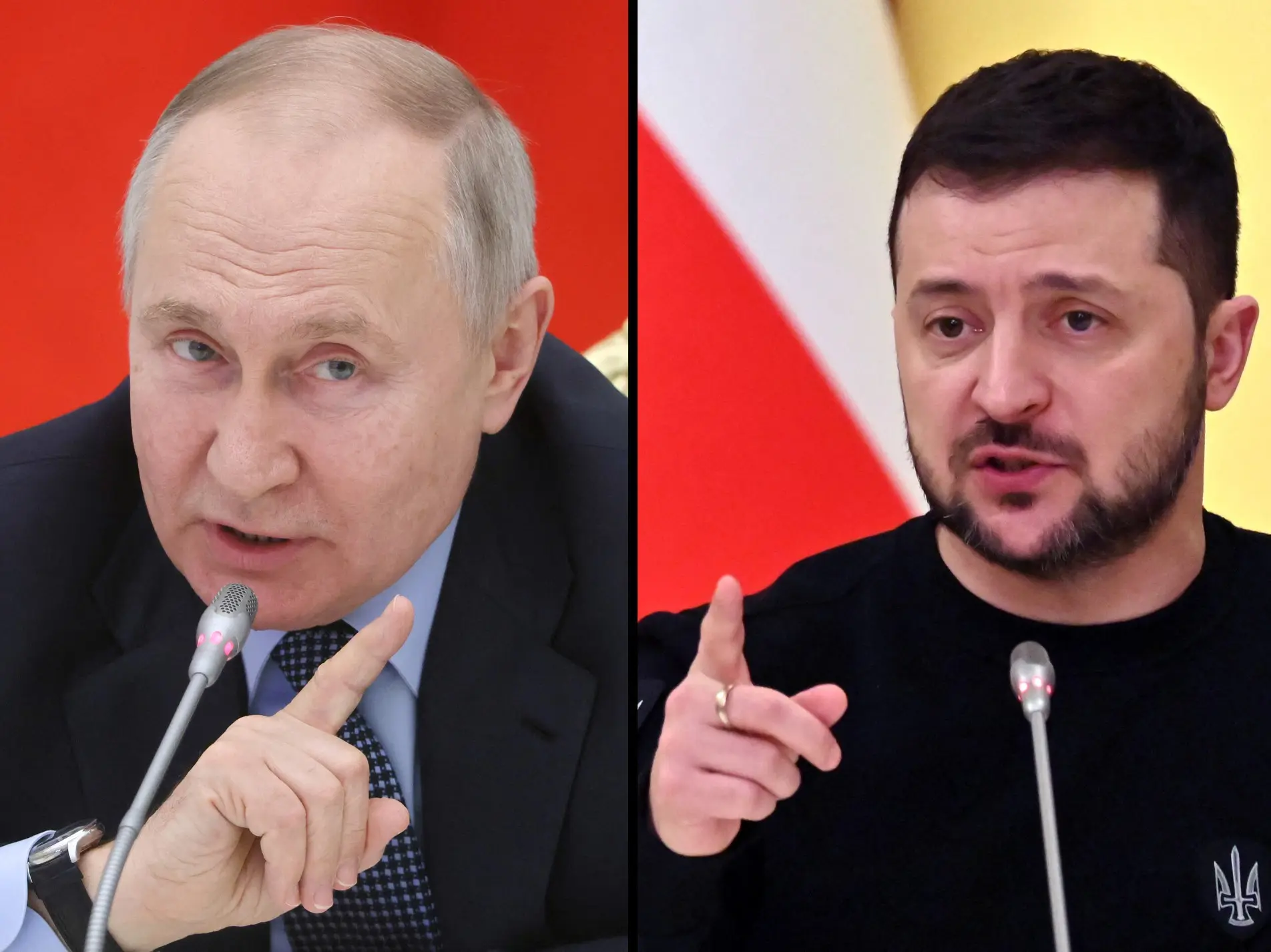)
From India, Putin warns Europe against sending troops to Ukraine, Zelensky expresses willingness to meet him at G20 Summit
)
Bigg Boss 20: Uditi Singh reacts to ex Karan Wahi’s possible wildcard entry
)
Odisha gets investment proposals worth Rs 2.42 trillion from UAE with 6.18 lakh potential jobs
)
BRICS Declaration: China, Russia back India’s UN role, push for greater Global South representation
As per a Times of India report, about 4500 bull owners and 2000 bull tamers have registered for participating in the Jallikattu 2023 festival. As per the sources, the list will soon be shortlisted and a finalised version will soon be updated.
Important facts about Jallikattu
The celebration of Jallikattu is mentioned in Silappatikaram, the great epics of the Tamil classical period, and other ancient texts. It is a historical sport from the Tamil Classical Age (400-100 BC).
Jaliikattu is also known as Yeruthazhuvuthal, Madu Pidithal, and Pollerudhu Pidithal.
At Jallikattu, thousands of people attempt to tame the bulls by clinging to their horns or bums. Dravidian literature contains numerous references to it, and Tamilnadu residents have celebrated it for many centuries.