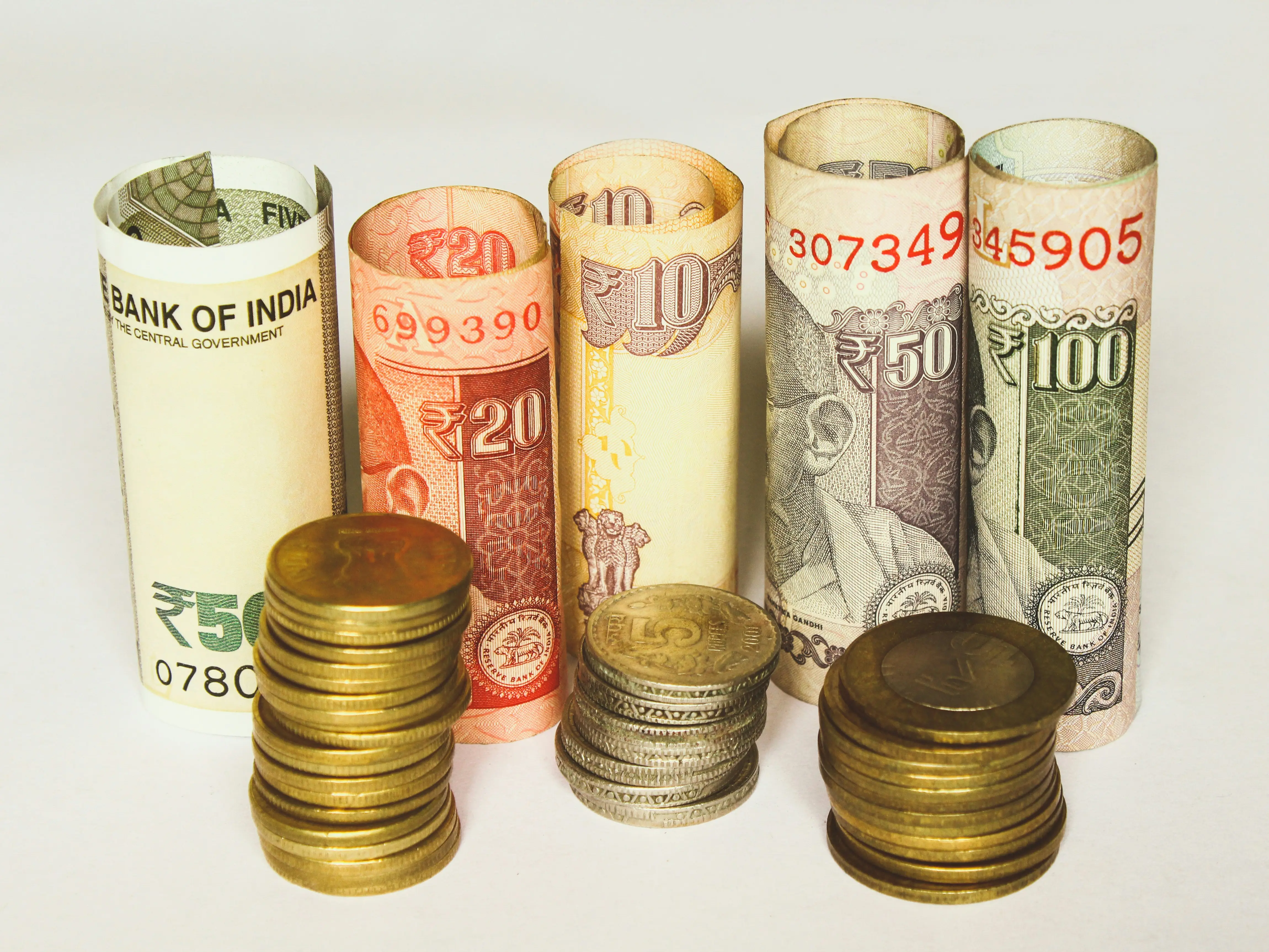
Indian rupee slides below 95 against dollar for first time amid escalating West Asia conflict

&imwidth=600&imheight=450&format=webp&quality=medium "Indian rupee slides below 95 against dollar for first time amid escalating West Asia conflict")
Photograph: (unsplash)
Despite the RBI's intervention, the Indian currency remains under intense pressure due to multiple factors, including fears of a slowdown in economic growth, as high oil prices and heightened geopolitical tensions continue to impact market activity.
The Indian rupee hit a historic low on Monday (March 30), breaching the 95 per US dollar mark for the first time, despite recent unconventional measures taken by the Reserve Bank of India (RBI) to curb speculative activity. The currency touched an intra-day low of Rs 95.22.
Late on Friday, the RBI directed banks to cap their net open positions at USD 100 million by April 10. While this move initially caused the rupee to rebound to Rs 93.57 in early trade, as banks unwound dollar positions, the gains were quickly erased as large corporations stepped in to buy dollars for hedging and arbitrage.
Despite the RBI's intervention, the Indian currency remains under intense pressure due to multiple factors, including fears of a slowdown in economic growth, as high oil prices and heightened geopolitical tensions continue to impact market activity.
Brent crude prices on Monday climbed 2.5 per cent to approximately $115.50 per barrel, continuing to trade above $100 as the war in West Asia continues to escalate. India, being a major oil importer, is facing immense pressure.
Foreign Portfolio Investors (FPIs) remain net sellers, with record outflows exceeding Rs 1.18 lakh crore in March 2026 alone.
Trending Stories
&imwidth=280&imheight=210&format=webp&quality=medium)
&imwidth=280&imheight=210&format=webp&quality=medium)
&im=FitAndFill=(700,400)&imwidth=280&imheight=210&format=webp&quality=medium)
&imwidth=280&imheight=210&format=webp&quality=medium)
&imwidth=280&imheight=210&format=webp&quality=medium)
&imwidth=280&imheight=210&format=webp&quality=medium)
&imwidth=280&imheight=210&format=webp&quality=medium)
&imwidth=280&imheight=210&format=webp&quality=medium)
&imwidth=280&imheight=210&format=webp&quality=medium)
&imwidth=280&imheight=210&format=webp&quality=medium)
&imwidth=280&imheight=210&format=webp&quality=medium)
&imwidth=280&imheight=210&format=webp&quality=medium)
&imwidth=280&imheight=210&format=webp&quality=medium)
&im=FitAndFill=(700,400)&imwidth=280&imheight=210&format=webp&quality=medium)
&imwidth=280&imheight=210&format=webp&quality=medium)
&imwidth=280&imheight=210&format=webp&quality=medium)
&imwidth=280&imheight=210&format=webp&quality=medium)
&im=FitAndFill=(700,400)&imwidth=280&imheight=210&format=webp&quality=medium)
&imwidth=280&imheight=210&format=webp&quality=medium)
&imwidth=280&imheight=210&format=webp&quality=medium)
&imwidth=280&imheight=210&format=webp&quality=medium)
&imwidth=280&imheight=210&format=webp&quality=medium)
&imwidth=280&imheight=210&format=webp&quality=medium)
&imwidth=280&imheight=210&format=webp&quality=medium)
&imwidth=280&imheight=210&format=webp&quality=medium)
&imwidth=280&imheight=210&format=webp&quality=medium)
&imwidth=280&imheight=210&format=webp&quality=medium)
&imwidth=280&imheight=210&format=webp&quality=medium)
&imwidth=280&imheight=210&format=webp&quality=medium)
&imwidth=280&imheight=210&format=webp&quality=medium)
&imwidth=280&imheight=210&format=webp&quality=medium)
&imwidth=280&imheight=210&format=webp&quality=medium)
&imwidth=280&imheight=210&format=webp&quality=medium)
&imwidth=280&imheight=210&format=webp&quality=medium)
Heightened tensions in West Asia, specifically the ongoing conflict involving Iran, have pushed investors towards safe-haven assets such as the US dollar.
The weakness in the rupee has coincided with a sharp decline in equity markets. The Nifty 50 fell around 2% on Monday and is on track for its worst monthly drop since March 2020.
The combined impact of a weakening currency, rising oil prices, and global uncertainty has kept overall market sentiment subdued.
The rupee has fallen more than 4% so far in March, putting it on course for its worst monthly performance in over seven years.