Will E20 fuel affect your car? Here's what science says

&imwidth=600&imheight=450&format=webp&quality=medium "Will E20 fuel affect your car? Here's what science says")
Representative image. Photograph: (AFP)
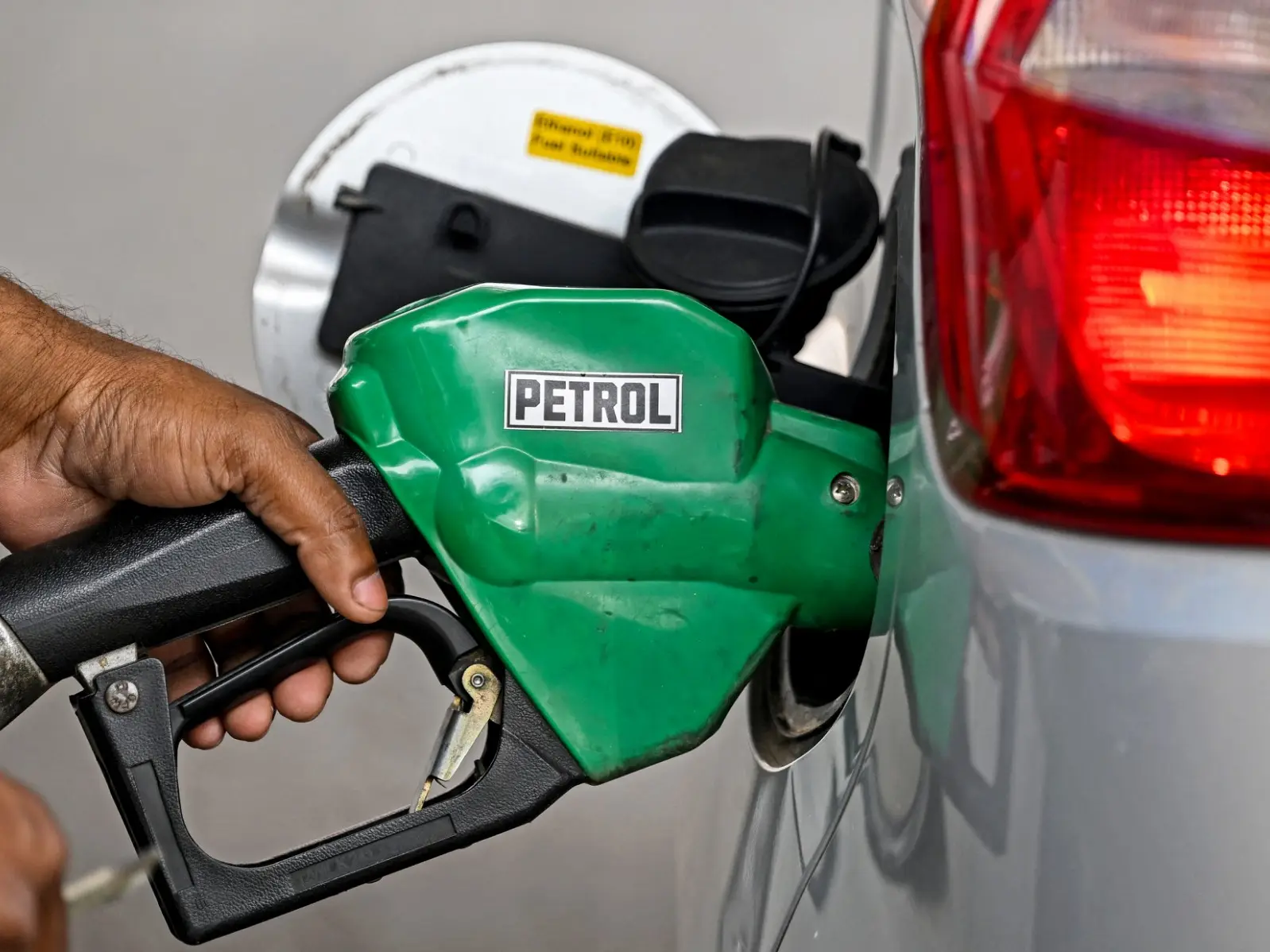
E20 petrol, a 20 per cent ethanol blend, is being rolled out across India to cut oil imports and emissions. Here’s what science says about how it may affect engines.
The Indian government has made the sale of E20 petrol mandatory across the nation. E20 fuel is a blend of 20 per cent ethanol and 80 per cent petrol. Amid global oil uncertainty, India has been pushed to move towards E20. Using this fuel would enable the government to cut imports, support farmers producing ethanol crops, and reduce vehicle emissions. However, the question arises whether this fuel would impact the vehicles. While the difference is not that noticeable, it behaves differently once going inside the engine. Let’s explore what science says about it.
How does E20 fuel burn differently?
Ethanol is not just “mixed-in petrol.” It behaves differently when it burns. It carries oxygen in its structure, so combustion tends to be more complete. That usually means fewer leftover pollutants and a slightly cleaner burn inside the engine. Ethanol also has a higher octane rating, which helps reduce knocking and keeps the engine running more smoothly under stress.
But there’s a limitation that no engine tuning can avoid. Ethanol contains less energy per litre than petrol. So even if the combustion is clean and efficient, each litre of E20 simply doesn’t go as far in terms of energy output. That’s the quiet reason behind most of the changes people notice.
How does E20 fuel affect fuel efficiency and mileage?
The most consistent finding across studies and real-world tests of using E20 fuel is that it reduces the mileage slightly. In modern vehicles designed for ethanol blends, fuel efficiency typically drops by around 3-4 per cent. In everyday life, this does not feel sudden. You don’t wake up one day and see a major change. It shows up quietly over time – maybe a few extra fuel stops in a month, or a slightly higher running cost when you look back at expenses.
Trending Stories
&imwidth=280&imheight=210&format=webp&quality=medium)
&imwidth=280&imheight=210&format=webp&quality=medium)
&imwidth=280&imheight=210&format=webp&quality=medium)
&imwidth=280&imheight=210&format=webp&quality=medium)
&imwidth=280&imheight=210&format=webp&quality=medium)
&imwidth=280&imheight=210&format=webp&quality=medium)
&imwidth=280&imheight=210&format=webp&quality=medium)
&imwidth=280&imheight=210&format=webp&quality=medium)
&im=FitAndFill=(700,400)&imwidth=280&imheight=210&format=webp&quality=medium)
&im=FitAndFill=(700,400)&imwidth=280&imheight=210&format=webp&quality=medium)
&imwidth=280&imheight=210&format=webp&quality=medium)
&imwidth=280&imheight=210&format=webp&quality=medium)
&im=FitAndFill=(700,400)&imwidth=280&imheight=210&format=webp&quality=medium)
&imwidth=280&imheight=210&format=webp&quality=medium)
&imwidth=280&imheight=210&format=webp&quality=medium)
&imwidth=280&imheight=210&format=webp&quality=medium)
&imwidth=280&imheight=210&format=webp&quality=medium)
&imwidth=280&imheight=210&format=webp&quality=medium)
&imwidth=280&imheight=210&format=webp&quality=medium)
&imwidth=280&imheight=210&format=webp&quality=medium)
&imwidth=280&imheight=210&format=webp&quality=medium)
&imwidth=280&imheight=210&format=webp&quality=medium)
&imwidth=280&imheight=210&format=webp&quality=medium)
&imwidth=280&imheight=210&format=webp&quality=medium)
&imwidth=280&imheight=210&format=webp&quality=medium)
&imwidth=280&imheight=210&format=webp&quality=medium)
&imwidth=280&imheight=210&format=webp&quality=medium)
&imwidth=280&imheight=210&format=webp&quality=medium)
&imwidth=280&imheight=210&format=webp&quality=medium)
&imwidth=280&imheight=210&format=webp&quality=medium)
&imwidth=280&imheight=210&format=webp&quality=medium)
And nothing is wrong with the engine when this happens. It is not underperforming but simply using a fuel that contains less energy per litre, so it needs a bit more fuel to travel the same distance.
Does E20 fuel affect driving experience?
For most drivers, E20 fuel does not have an effect in driving. Modern engines automatically adjust to ethanol blends, so power delivery stays steady. Acceleration feels normal. City traffic, highway cruising, overtaking – all of it feels the same.
In some cases, the engine may even feel a bit smoother at lower speeds. That is because ethanol’s higher octane rating helps reduce knocking and stabilises combustion. But these are subtle differences. Most people won’t consciously notice them while driving.
How suitable is E20 fuel for older vehicles?
Newer vehicles are designed with ethanol compatibility in mind. Their fuel lines, seals, and engine components are built to handle E20, and long-term testing shows they generally do well.
However, many older vehicles were never designed for higher ethanol blends. Over time, ethanol can slowly affect certain rubber parts or fuel system materials. It doesn’t cause immediate damage, but it can lead to gradual wear depending on the vehicle’s age and condition. So compatibility matters more here than in newer cars.
Environmental benefits of E20 fuel
Ethanol blend fuel can significantly reduce vehicle emissions. As ethanol contains oxygen, it helps fuel burn more completely. That leads to lower emissions of carbon monoxide, unburnt hydrocarbons, and particulate matter. In simple terms, the exhaust coming out of the tailpipe is cleaner.
There is also a bigger environmental angle. Ethanol comes from plant sources, so part of the fuel is renewable rather than fossil-based. That helps reduce dependence on crude oil and lowers overall carbon emissions across the fuel’s lifecycle, depending on how the ethanol is produced.
Overall impact of E20 fuel
E20 is not a dramatic upgrade, and it is not a risky fuel either. It sits in a middle space. While you may lose a small amount of mileage over time, you will not feel major changes in performance if your vehicle is compatible. And most of the time, you won’t notice anything different in daily driving at all.
In the end, it is a quiet trade-off – slightly fewer kilometres per litre, in exchange for cleaner combustion and a smaller environmental footprint.

