India votes for ‘permanent sovereignty of Palestinian people’ at UN General Assembly


File photo of United Nations General Assembly | United Nations
India supported a resolution at the United Nations General Assembly toaffirm the right of Palestinian people to self-determination. The resolution received overwhelming support from 172 member nations, with the United States and Israel being the sole dissenters.
The development follows India's earlier vote in favour of a draft resolution during a General Assembly session, where the country, after abstaining for about eight weeks, called for an immediate humanitarian ceasefire in the Israel-Hamas conflict. Notably, the United States and Israel, along with eight other nations, voted against this resolution.
Also read |India votes in favour of UN resolution against Israeli settlements in Palestinian territories

Observers note that India's voting pattern in the past week appears to have assuaged concerns in the Arab world, where some perceived a tilt towards Israel.
New Delhi has consistently asserted that a lasting peace in the region depends on a two-state solution.
India's stance on these critical resolutions reflects its commitment to a balanced approach in addressing the complexities of the Israel-Palestine conflict in the United Nations.
)
‘Kill all in the name of...’: FBI arrests 21-year-old over alleged ISIS-inspired mass-casualty attack plot
)
'She married her brother': Ilhan Omar faces criminal probe over immigration fraud claims
)
Bitter Zelensky snubs Trump for playing politics with Ukraine war | Gravitas
)
India’s imports from Russia jump 57% in five months; China remains top import source
)
‘US military task force aiding Saudi Arabia forces with intel, planning support’: Official
)
Top military commanders from US, Israel, and 7 Arab nations held secret meeting on Iran War
)
A big shift in modern air power & control
)
'Definitely feel bad for yourself': Kuldeep Yadav opens up on India Test snubs
)
Delhi schools receive bomb threats in Punjabi, security checks find nothing suspicious
)
China's property crisis deepens as investment plunges nearly 20%
)
800 million years old - Scientists discover 'fingerprints' of supercontinent Gondwana in ancient rocks
)
Russia proposes to build 360 kmph Ivolga FG trains in India: What happened on sidelines of BRICS
)
Saudi turns to Israel for intelligence help as Houthi attacks intensify: Report
)
Trump's name cannot return to Kennedy Center, US judge rules
)
Amid AI safety fears, OpenAI, Anthropic and Google move to create standards body
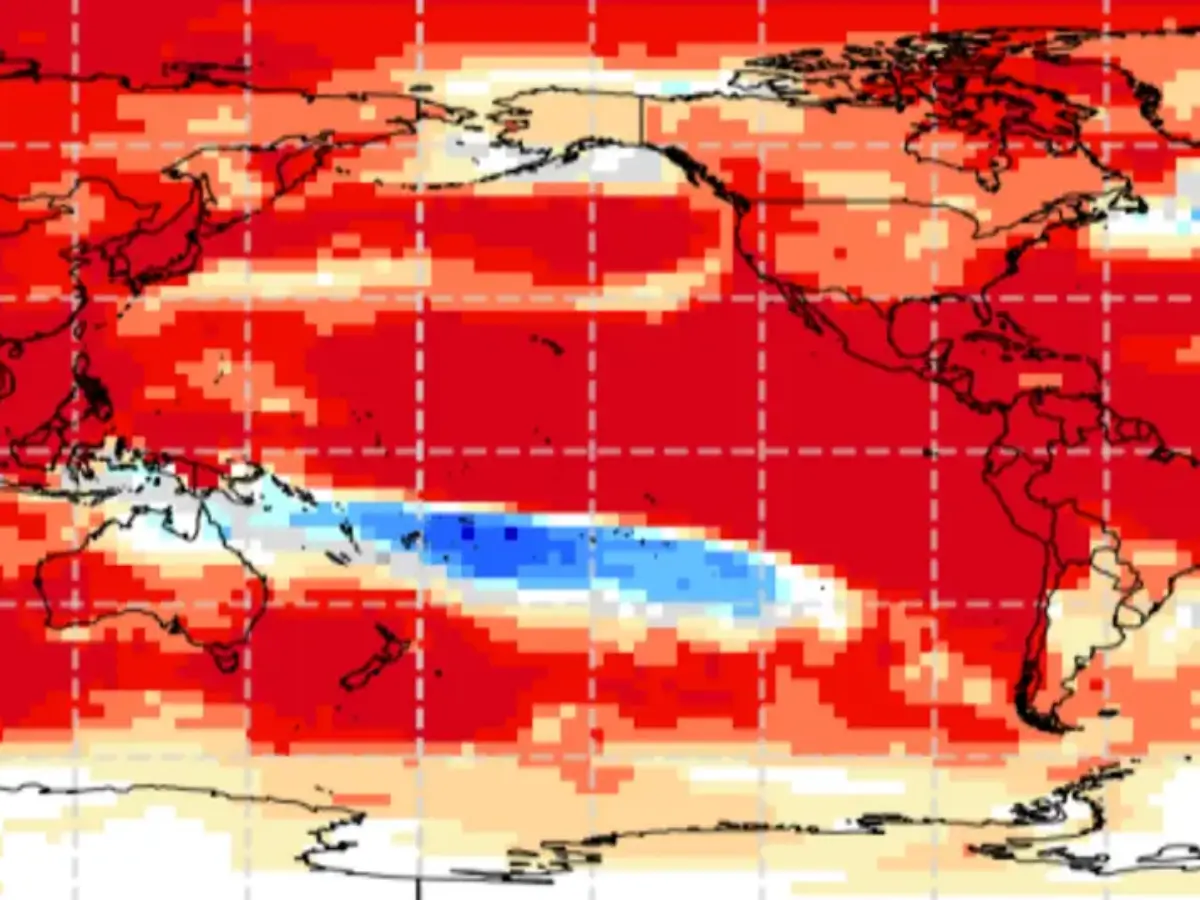)
2026 El Niño will create new extreme weather patterns. Worse, no one can predict them
)
1,200 Indian and US troops begin high-altitude and desert drills
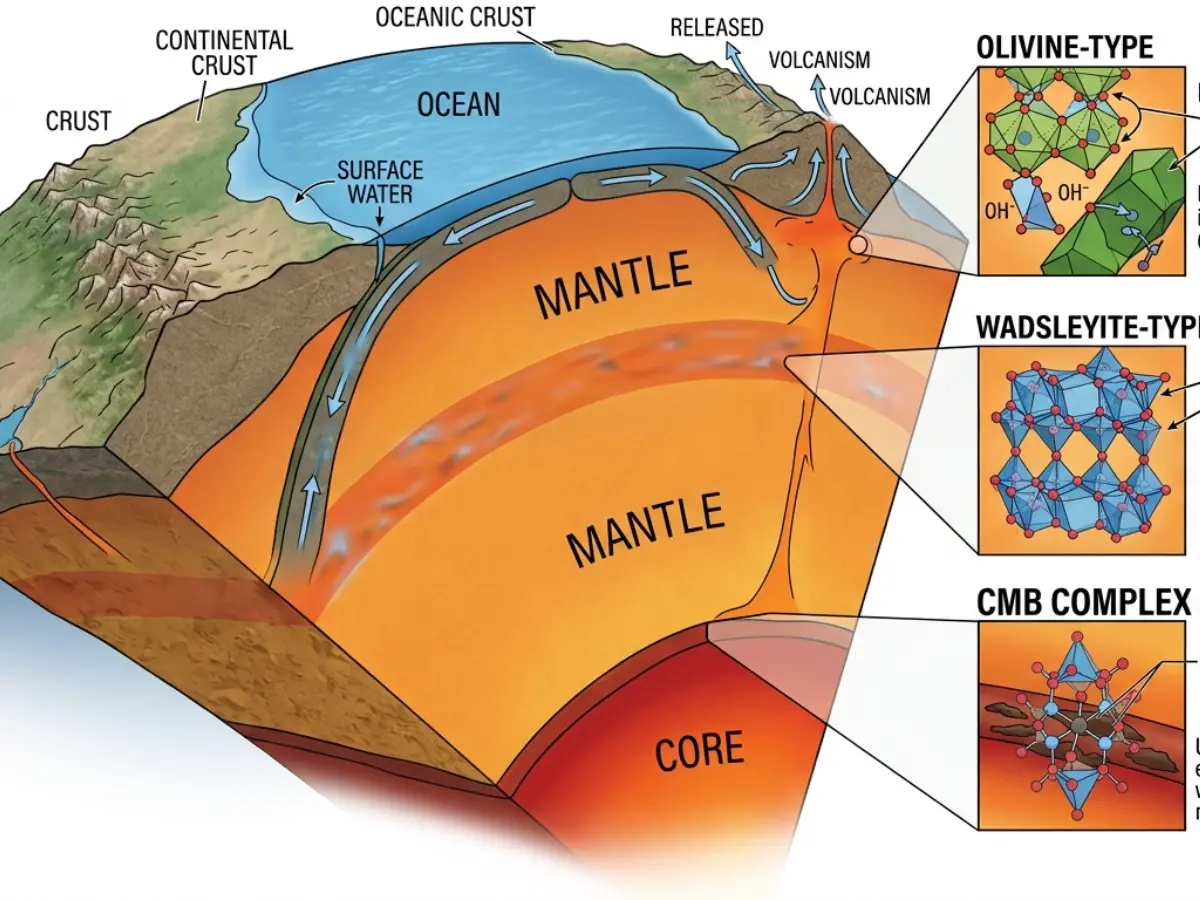)
Water equivalent to two Pacific Oceans could be stashed 2,900 km inside Earth
)
Ex-CIA officer caught with gold bars worth $40 million seeks plea deal | Gravitas
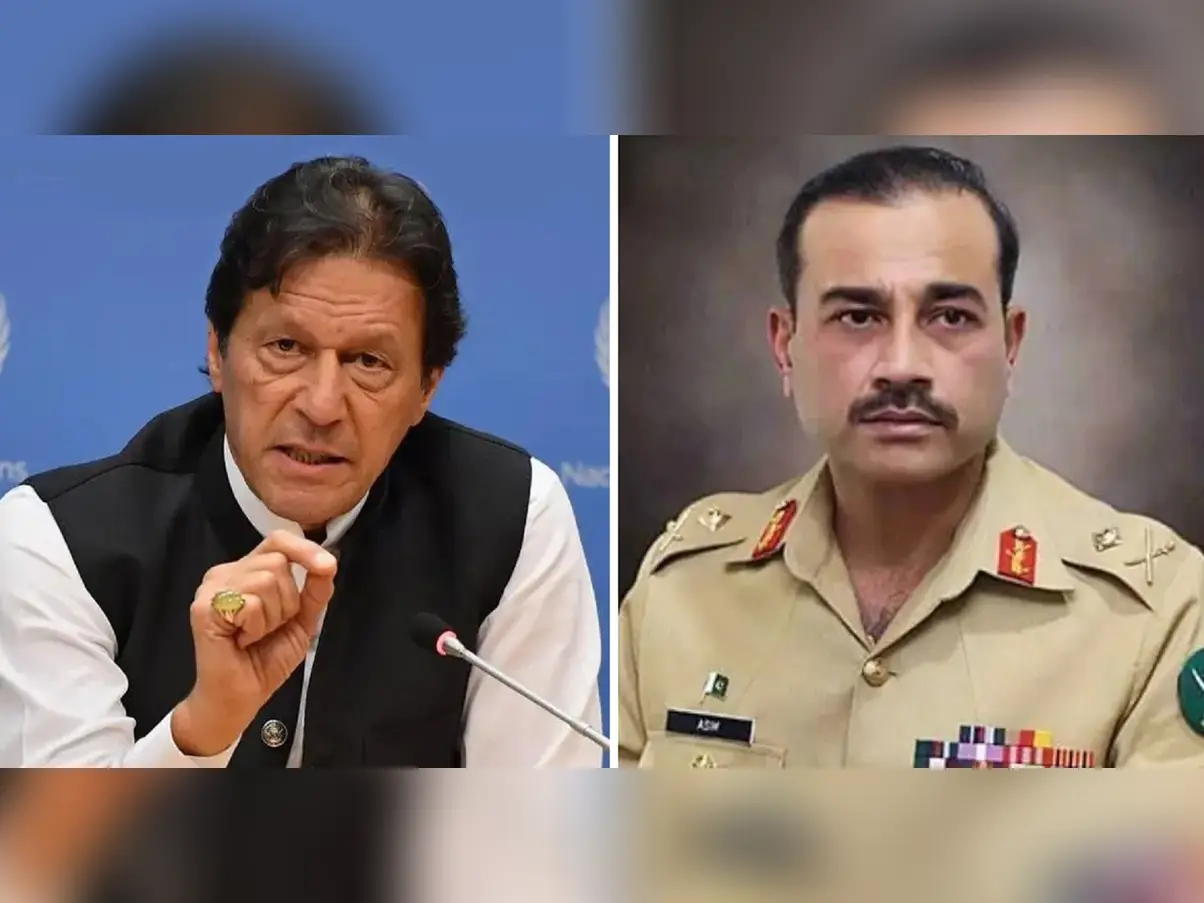)
Imran Khan’s sons accuse Asim Munir of holding ‘personal grudge’ against imprisoned father
&im=FitAndFill=(700,400))
New OTT releases this week (September 14-20, 2026): Lust Stories 3, Waiting Hai, Irumudi- 5 new titles coming on Netflix, Prime Video and more
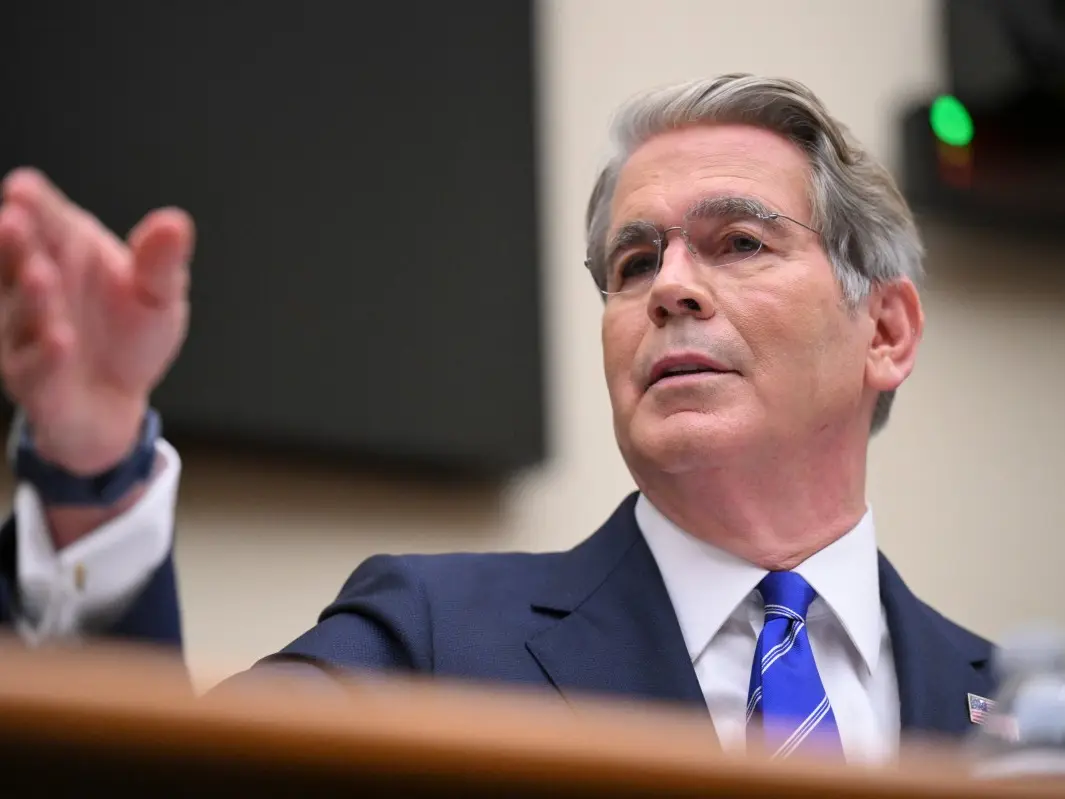)
US Treasury yields cross 5% as Scott Bessent warns of ‘global issues’ impacting bonds
)
Who is Kalyan Bainsla, accused in the Gurugram hit-and-run case involving woman biker?
)
Saudi Arabia discovers 110 million tonnes of Uranium-rich ore in Madinah region
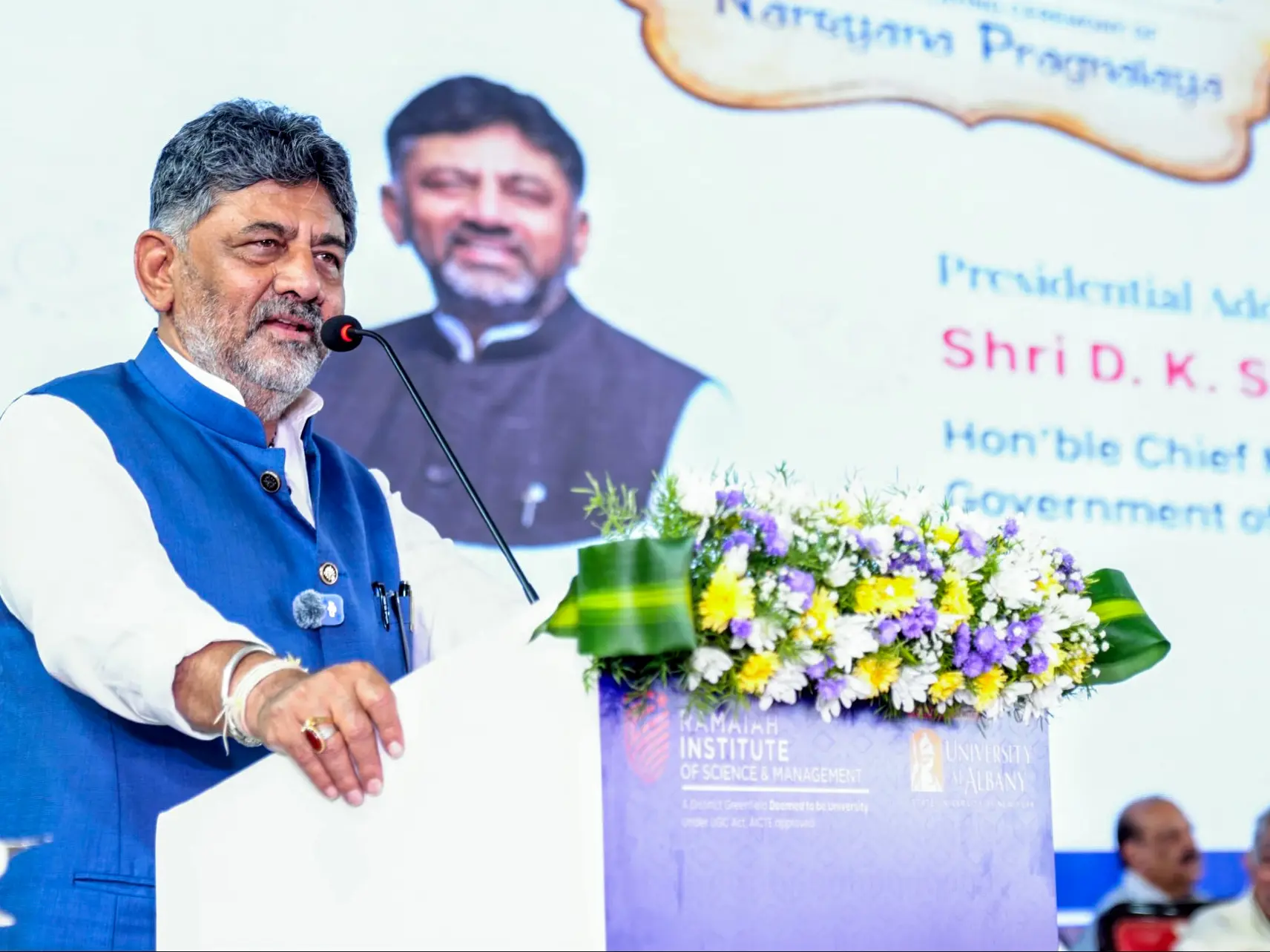)
'Now Trump is copying us': Shivakumar links US $5,000 plan to Congress guarantees
)
Elephants hide behind trees, stage surprise attack on poachers targeting rhinos in South Africa
)
West Bengal IPS officer Bushra Bano transferred after objections to ‘Assalamualaikum’, ‘Inshallah’
)
Trump downplays China's alleged 'help' to Iran in strike on Jordan base | Gravitas
)
Spanish officer sent home from NATO base over affair with 'Russian spy' | Gravitas
)
IND vs AFG, 2nd T20I: Reddy, Samson shine as India defeat Afghanistan by 7 wickets to clinch series
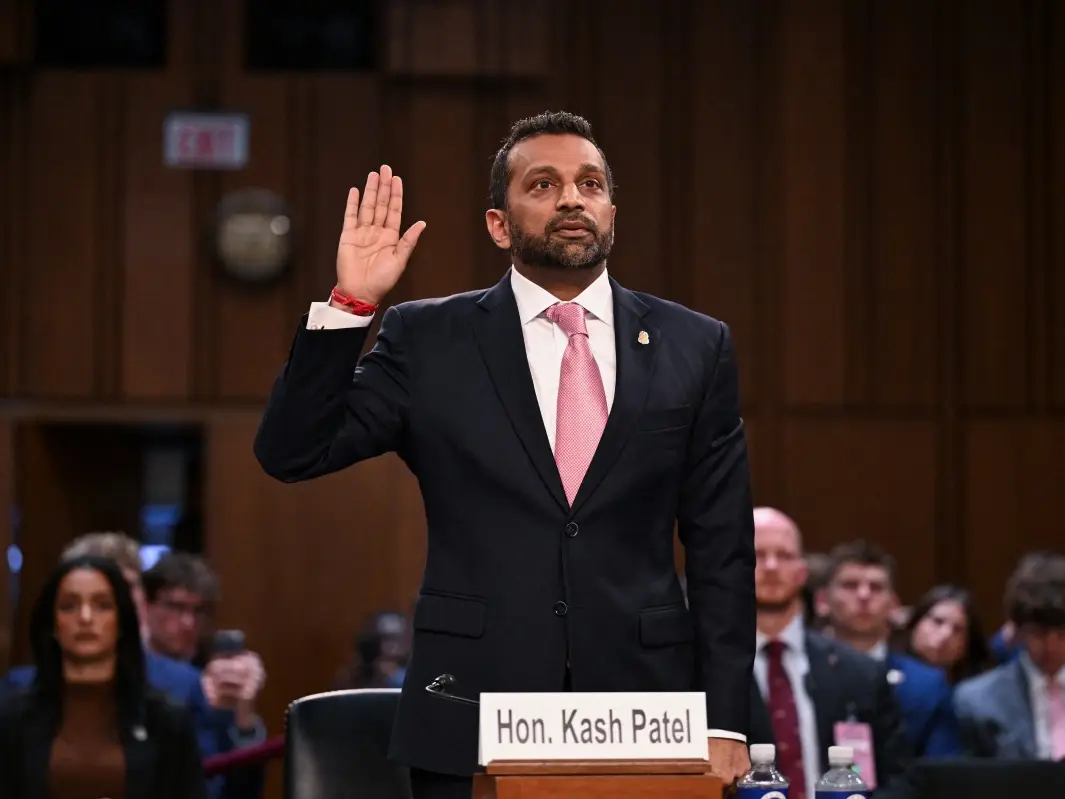)
'Like a thug you are using agency to go after..': Kash Patel grilled by Senate Democrats over FBI firings, journalist investigations and hiring policy
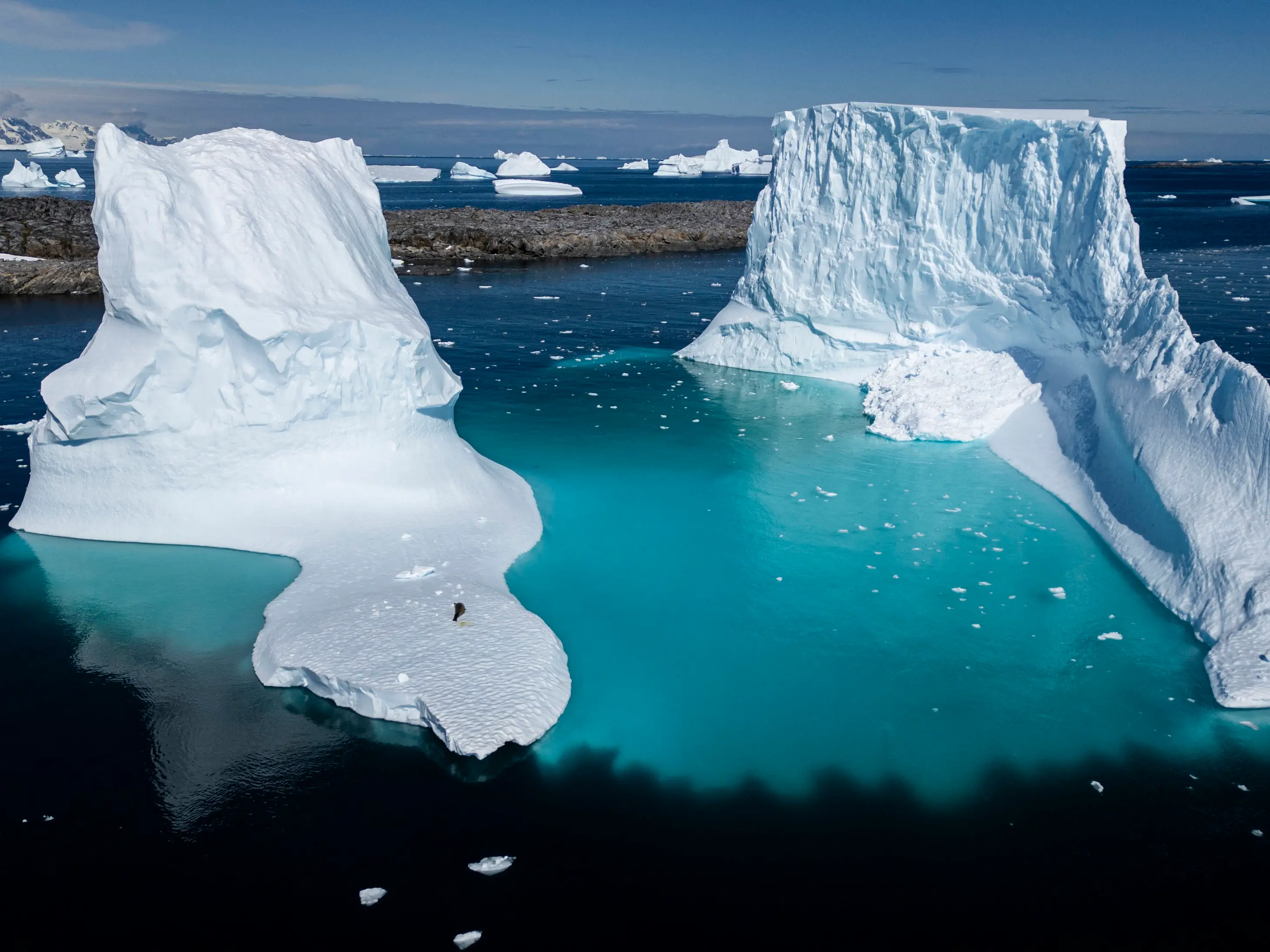)
Extreme warming in Indian Ocean added 695 billion tons of ice to Antarctica ice sheet
Also watch |India's External Affairs Minister on UNSC reforms & India's neighbourhood policy
An earlier resolution, introduced by Egypt that called for an immediate humanitarian truce, was adopted on December 12 during an emergency special session.
It secured 153 votes in favour, with 23 nations abstaining and 10 voting against it. The resolution, sponsored by nations including Algeria, Bahrain, Iraq, Kuwait, Oman, Qatar, Saudi Arabia, the UAE, and Palestine, called for an immediate humanitarian ceasefire in Gaza. It reiterated the demand for all parties to adhere to international law, especially in safeguarding civilians, and stressed the urgent and unconditional release of hostages, coupled with ensuring humanitarian access.