India to receive 1st century BC Yakshi plaque as part of 105 antiquities to be returned by US


Indian Prime Minister Narendra Modi observing antiquities at display.
A terracotta Yakshi plaque, which belongs to the 1st century BC and was stolen from “eastern India” along with a 10th-century Kubera and a 9th-century red sandstone Dancing Ganesha – both hailing from central India – will be part of the 105 antiquities that are set to be given back to India by the United States, stated a report published in The Indian Express.
Indian Prime Minister Narendra Modi, during his state visit to the United States, announced that more than 100 stolen antiquities will be returned to India.
“I am happy that the American government has decided to return more than 100 Indian antiquities that had been stolen from us. These antiquities may have gotten to the international market in different ways — some legal, some illegal. I express my gratitude to the American government for returning these items,” the prime minister had said. It is suspected that most of these antiquities were smuggled abroad by antique dealer Subhash Kapoor, who is now imprisoned.
ALSO READ |Indian govt says 238 stolen, smuggled antiquities brought back to country since 2014
On March 14, The Indian Express, after carrying out an investigation in collaboration with the UK-based Finance Uncovered and International Consortium of Investigative Journalists (ICIJ), reported that at least 77 antiquities are present in the catalogue of the Metropolitan Museum of Art in New York, which are linked to Subhash Kapoor.

16 antiquities returnedto India
Last month, Metropolitan Museum said that they have returned 16 of these antiquities to India. Archaeological Survey of India (ASI), which has been made the custodian of all repatriated artefacts, has already verified some of the 105 antiquities which are set to be returned to India.
A team of senior ASI officials will be flying to the US soon for carrying out verification of the remaining artefacts, the report added. “We are regularly processing the retrieval of our antiquities that are traced abroad. Approximately 105 such pieces are in the process of returning from the US,” stated an ASI spokesperson.
WATCH |Antique Buddha statue likely from the 12th Century China to be auctioned in Paris
)
The Early Spring is proof not everyone can talk about their real feelings, and it is perfectly OK
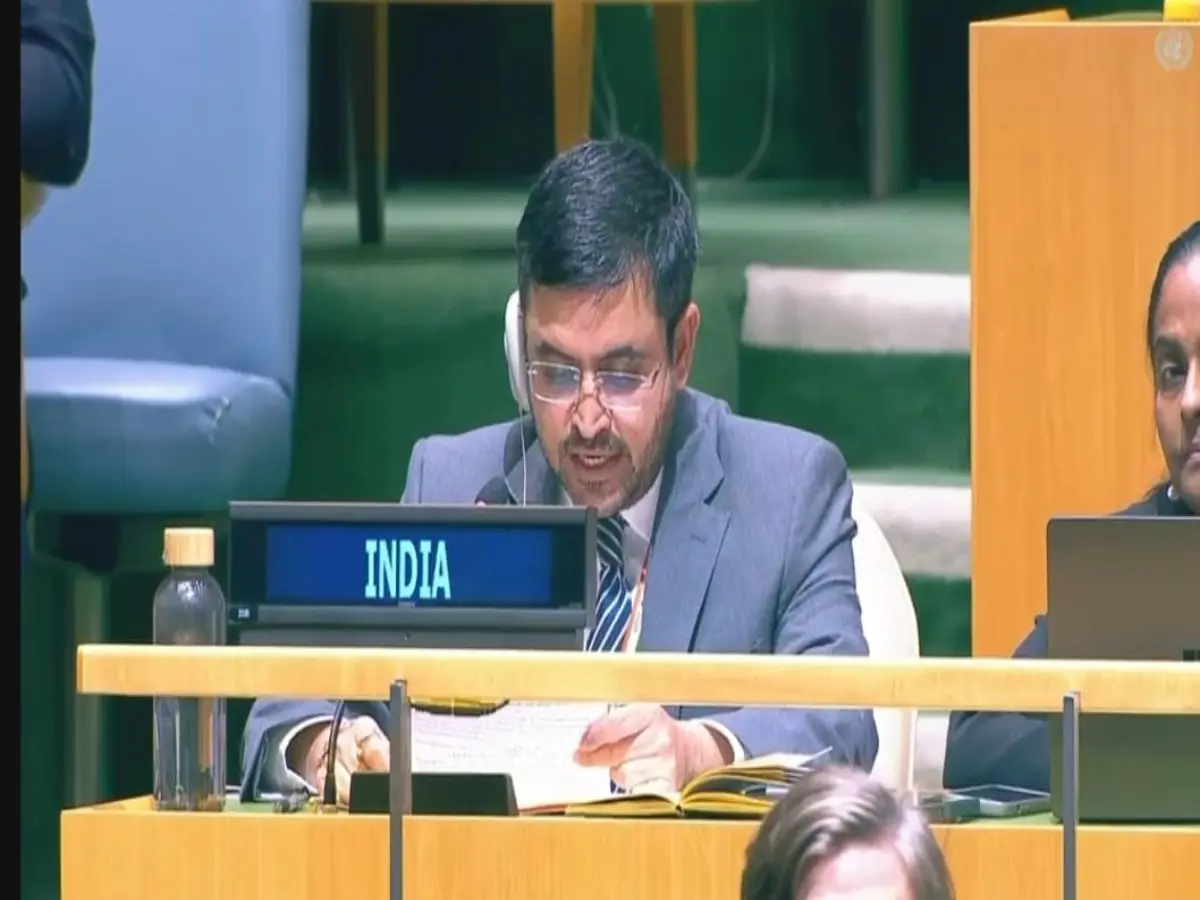)
UN votes to ‘correct the map’ as India backs fairer world view
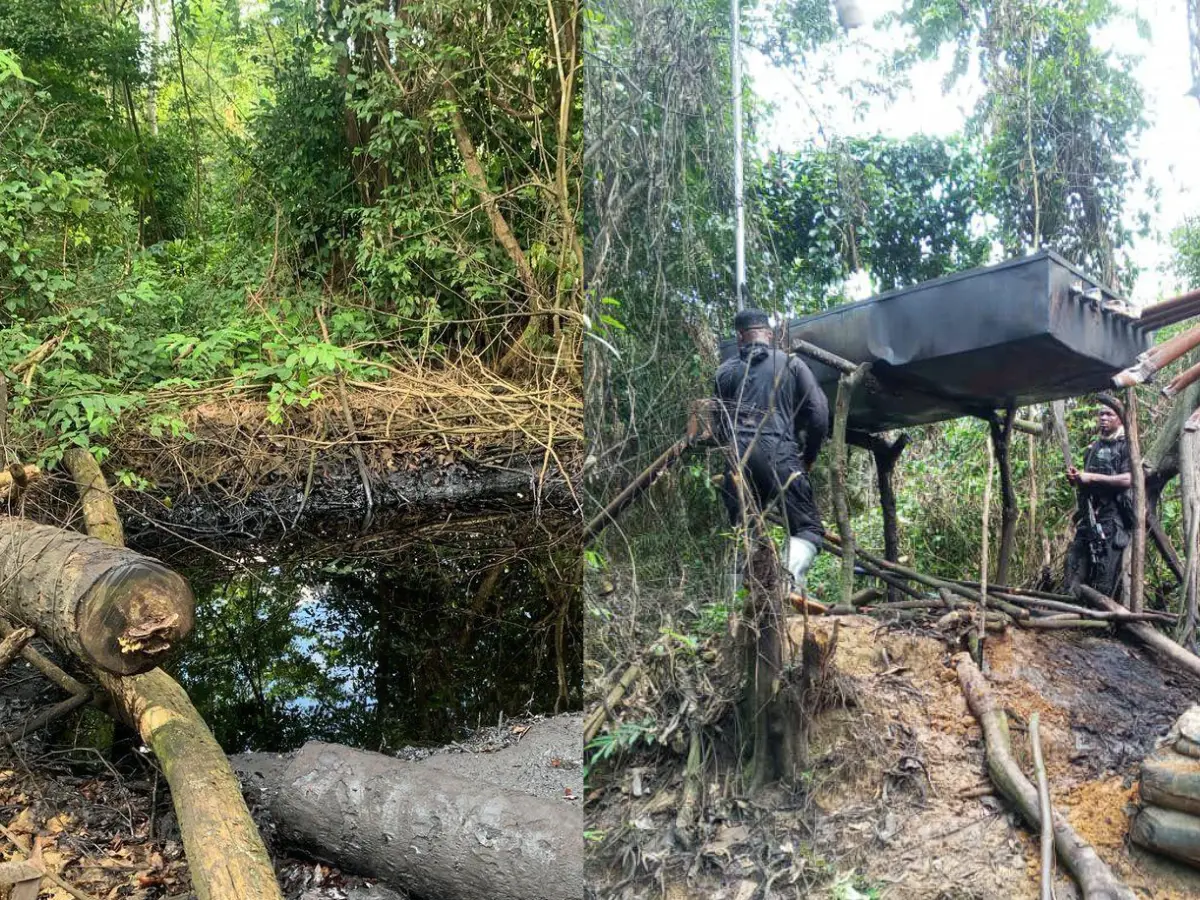)
Nigerian Navy discovers 99,000 litres of suspected stolen, illegally refined products as it intensifies anti-crude oil theft operations
)
Who is Aditi Paudel? 17-year-old becomes Japan's first literacy ambassador
)
Bengaluru: Officials find 40 kg expired chilli at chairman's club
)
Jaishankar rejects trade link to ending Ukraine war
)
Israeli strikes on Lebanon kill three, injure 23 despite truce
)
Alpine glacier was covered with sheep wool sheets to prevent melting. It worked
)
South Korea mulls deploying military assets to Strait of Hormuz
)
World's fifth-largest economy, British army can't afford to train
)
Breaking | Vance takes the podium: First White House briefing since Leavitt's exit
)
Taiwan raises 'concerns' over China's missile test
)
BRICS 2026: $1 trillion sovereign capital set to converge in Delhi for first iBRICS Summit
)
What is Iran's Pickaxe Mountain that Trump has again threatened to bomb?
)
UN votes to correct world map that visually shrank Africa for 450 years
)
Former NewJeans member Danielle launches YouTube channel, hints at new solo journey
)
Bangladesh batter Towhid Hridoy creates history with 350 not out in South Africa
)
Brendan Fraser’s transformation fuels The Mummy 4 excitement as fans welcome back Rick O’Connell
&im=FitAndFill=(700,400))
Krishna Janmashtami 2026: From Dhaniya Panjiri to Makhana Kheer- 5 best sweet dishes perfect for celebrating Lord Krishna’s birth
)
Donald Trump plans to travel to Ireland on Qatari-donated jet amid security concerns
)
Nazi-looted art to return to Jewish heirs
)
Eight killed in Kerala’s Thrissur after car rams into lorry parked on highway
&im=FitAndFill=(700,400))
Why Russian fighter jets use bulky, low-pressure tyres compared to US jets
)
FBI-wanted fraud accused arrested in Jalandhar over $600,000 scam
&im=FitAndFill=(700,400))
Why US tanks weigh over 20 tons more than Russian tanks
&im=FitAndFill=(700,400))
New Friday OTT releases (September 4, 2026): GDN, Dhamaal 4, Jagamae Sangeetham- Watch 6 new movies and TV shows on Netflix, Prime Video and more
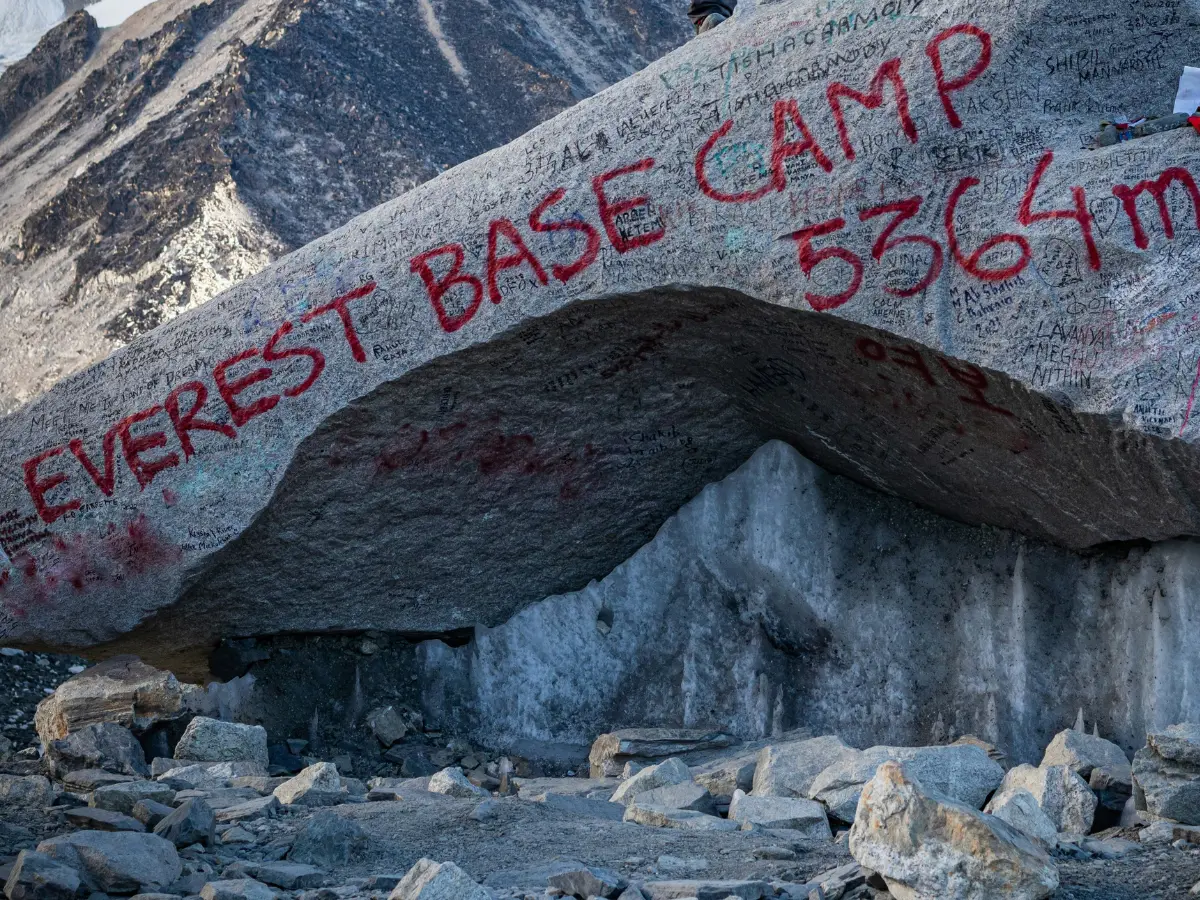)
Killing the Himalayas slowly: Human urine is melting a glacier on Mount Everest
The antiquities, which are in various mediums such as sandstone, terracotta and marble, span a period of 1,600 years, hailing from the 1st century BC to the 15th century AD, and have significant market and historical value, stated official sources.
The antiquities include an 11th-century sculpture of Vishnu and Lakshmi made of sandstone, an 11th-century standing Surya sculpture, two 14th-century sandstone Apsara figures from central India and a 12th-13th century miniature Jain shrine made of marble from Gujarat/ Maharashtra.
Once the antiquities are returned to India, the ASI, which falls under the aegis of the Ministry of Culture, will take a decision over whether these objects should be placed in their original place or should be given to the respective state government, or if they should be put on a display at a museum which has been dedicated for repatriated antiquities at Delhi’s Purana Qila.
You cannow write forwionews.comand be a part of the community. Share your stories and opinions with ushere.
WATCH WION LIVE HERE