India slashes export duties on petrol, diesel and ATF; new rates effective June 1

&imwidth=600&imheight=450&format=webp&quality=medium "India slashes export duties on petrol, diesel and ATF; new rates effective June 1")
Image for representation Photograph: (X)
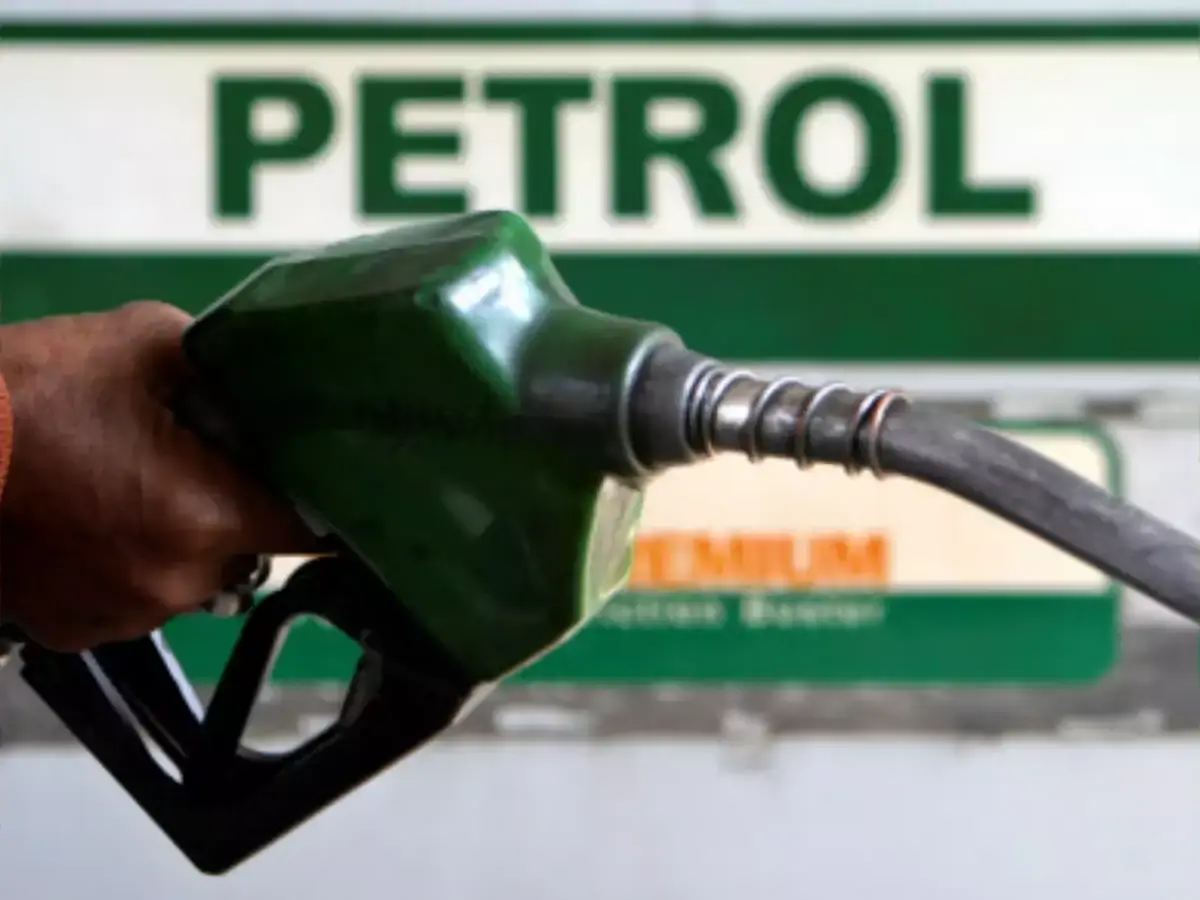
India has lowered export duties on petrol, diesel and aviation turbine fuel from June 1, reducing levies to ₹1.5, ₹13.5 and ₹9.5 per litre respectively after a fortnightly review.
India has reduced export duties on petrol, diesel and aviation turbine fuel (ATF) for the fortnight beginning June 1, following a periodic review of levies imposed on petroleum product exports. According to a government notification issued on Saturday (May 30), the export duty on petrol has been cut to ₹1.5 per litre, while the duty on diesel has been reduced to ₹13.5 per litre. The export duty on aviation turbine fuel has also been lowered to ₹9.5 per litre.
The revised rates will come into effect from June 1 and remain in force for the next two weeks. The government reviews export duties on petroleum products every fortnight, taking into account prevailing international prices of crude oil and refined fuels.
The export levies, which comprise the Special Additional Excise Duty (SAED) and the Road and Infrastructure Cess (RIC), were first introduced on March 27, 2026. The move came amid heightened geopolitical tensions in West Asia and aimed to ensure adequate domestic fuel supplies by discouraging excessive exports during a period of uncertainty in global energy markets.
Under the revised structure, petrol exports will attract only a Special Additional Excise Duty of ₹1.5 per litre. Diesel exports will be subject to an SAED of ₹13.5 per litre, while aviation turbine fuel exports will continue to attract only the SAED component at ₹9.5 per litre.
The latest revision marks a significant reduction from the rates announced on May 16. During the previous review, the government had increased the export duty on petrol to ₹3 per litre while lowering duties on diesel and aviation fuel to ₹16.5 per litre and ₹16 per litre, respectively.
Trending Stories
&im=FitAndFill=(700,400))
)
)
)
)
)
)
)
)
)
)
)
)
)
)
&im=FitAndFill=(700,400))
)
)
)
)
)
)
)
)
)
)
)
)
)
&im=FitAndFill=(700,400))
Officials said the fortnightly review mechanism is based on the average international prices of crude oil, petrol, diesel and aviation fuel recorded since the previous assessment period. The system is designed to enable the government to respond quickly to fluctuations in global energy markets while maintaining a balance between export activity and domestic supply requirements.
The government also clarified that there has been no change in the existing excise duty rates applicable to petrol and diesel sold within the country. As a result, the latest reduction in export duties is not expected to have any immediate impact on retail fuel prices.
The next review of export duties on petroleum products is expected to take place in mid-June.