India pushes trust as anchor for Indo-Pacific security at key New Delhi forum

&imwidth=600&imheight=450&format=webp&quality=medium "India pushes trust as anchor for Indo-Pacific security at key New Delhi forum")
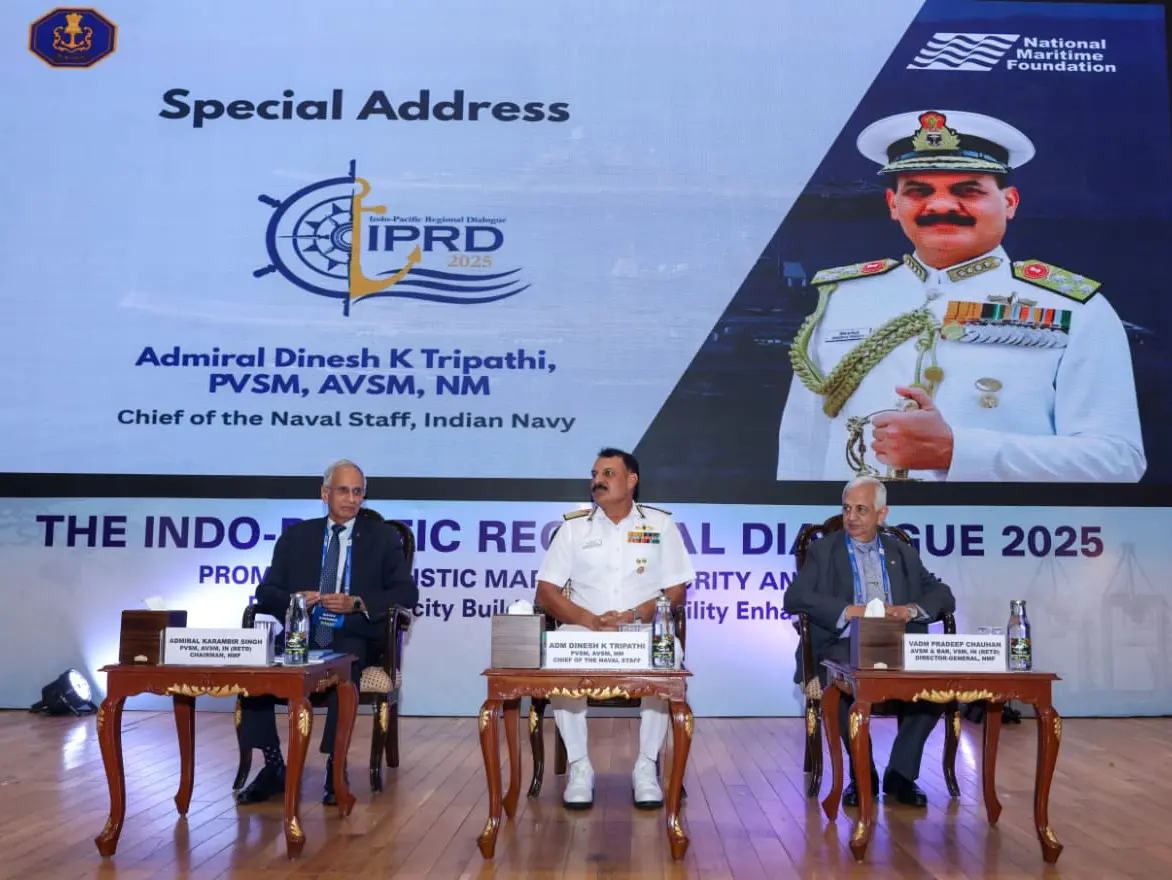
India pushes trust as anchor for Indo-Pacific security at key New Delhi forum Photograph: (WION)
The three-day forum, drawing 42 speakers from 23 countries under the theme “Promoting Holistic Maritime Security and Growth: Regional Capacity-Building and Capability-Enhancement,” focuses on practical partnerships among navies, coast guards, industry and academics.
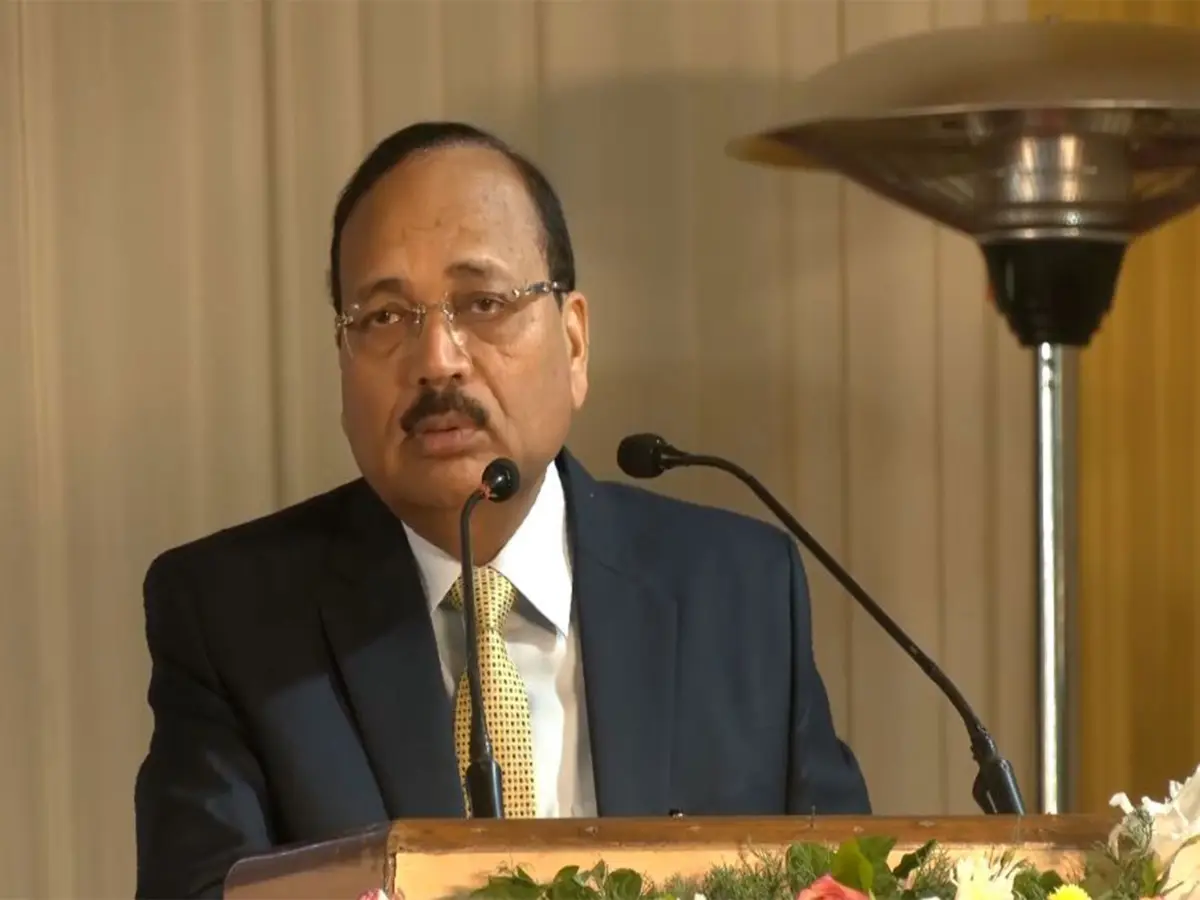
Amid escalating geopolitical tensions in the Indo-Pacific, India is positioning trust as the cornerstone of regional maritime cooperation, convening global leaders to prioritise collaboration over confrontation. At the inaugural Indo-Pacific Regional Dialogue (IPRD) 2025, hosted by the Indian Navy and the National Maritime Foundation (NMF) in New Delhi, Admiral Karambir Singh (Retd.), NMF chairman and former naval chief, emphasised transparency and shared goals as vital to countering rivalries. “Trust cannot be built overnight; it grows through transparency, consistent engagement and shared purpose,” Admiral Singh told delegates. “Collaborative security is not an aspiration; it is an operational necessity.”
The three-day forum, drawing 42 speakers from 23 countries under the theme “Promoting Holistic Maritime Security and Growth: Regional Capacity-Building and Capability-Enhancement,” focuses on practical partnerships among navies, coast guards, industry and academics. Admiral Singh portrayed the Indo-Pacific as “a strategic geography where the destinies of nations, big and small, are increasingly intertwined,” advocating India's inclusive vision rooted in “shared peace, prosperity and collaborative security.”
He linked India's evolving policies, from SAGAR (Security and Growth for All in the Region) to MAHASAGAR (Mutual and Holistic Advancement for Security and Growth Across Regions), asserting: “Security and growth in the region must be pursued together. This dual pursuit was at the heart of India’s maritime policy of SAGAR, which today finds expression in MAHASAGAR.” Vice Admiral Pradeep Chauhan, NMF director general, reinforced the rules-based maritime order as “a web of agreements freely entered into by nations,” defining the region as stretching “from the eastern seaboard of Africa across West Asia and the Indian Ocean into the Pacific.”
Distinguishing between hardware and human elements, Admiral Singh stressed: “While both are vital, in much of the Indo-Pacific it is capability rather than capacity that remains the more urgent need. It is here that collaboration, partnerships and knowledge-sharing can make a real and telling difference.” He highlighted a new Regional Maritime Security Centre of Excellence with King’s College London, noting, “hardware without humanware achieves little.”
Described in the NMF's concept note as a “doing conference” designed to co-develop policy blueprints and capacity-enhancing solutions, the dialogue addresses climate impacts, supply-chain resilience, the Blue Economy and underwater infrastructure protection. Admiral Singh called for advancing “from sharing data to sharing understanding,” via AI and big-data analytics, while cautioning that “cybersecurity at sea is now as critical as physical security.” He advocated collaboration in green shipbuilding and AI navigation.
Coinciding with India's chairmanship of the Indian Ocean Rim Association and Naval Symposium through 2027, the event positions New Delhi as a trust-building convener. “Let this Dialogue reaffirm our collective belief that the Indo-Pacific must remain free, open, inclusive and secure for generations to come,” Admiral Singh said, as he reminded the gathering, in turbulent waters, partnerships, transparency, and shared purpose are the only true lifelines. With 30 foreign participants, including ambassadors and strategists, IPRD 2025 aims to convert discourse into action, signalling India's push for conversations on issues that impact the Indo-Pacific and the role the Indian Navy can play in it.
&imwidth=280&imheight=210&format=webp&quality=medium)
&im=FitAndFill=(700,400)&imwidth=280&imheight=210&format=webp&quality=medium)
&imwidth=280&imheight=210&format=webp&quality=medium)
&imwidth=280&imheight=210&format=webp&quality=medium)
&imwidth=280&imheight=210&format=webp&quality=medium)
&im=FitAndFill=(700,400)&imwidth=280&imheight=210&format=webp&quality=medium)
&imwidth=280&imheight=210&format=webp&quality=medium)
&imwidth=280&imheight=210&format=webp&quality=medium)
&imwidth=280&imheight=210&format=webp&quality=medium)
&imwidth=280&imheight=210&format=webp&quality=medium)
&imwidth=280&imheight=210&format=webp&quality=medium)
&imwidth=280&imheight=210&format=webp&quality=medium)
&imwidth=280&imheight=210&format=webp&quality=medium)
&imwidth=280&imheight=210&format=webp&quality=medium)
&imwidth=280&imheight=210&format=webp&quality=medium)
&imwidth=280&imheight=210&format=webp&quality=medium)
&imwidth=280&imheight=210&format=webp&quality=medium)
&imwidth=280&imheight=210&format=webp&quality=medium)
&imwidth=280&imheight=210&format=webp&quality=medium)
&imwidth=280&imheight=210&format=webp&quality=medium)
&imwidth=280&imheight=210&format=webp&quality=medium)
&imwidth=280&imheight=210&format=webp&quality=medium)
&imwidth=280&imheight=210&format=webp&quality=medium)
&imwidth=280&imheight=210&format=webp&quality=medium)
&im=FitAndFill=(700,400)&imwidth=280&imheight=210&format=webp&quality=medium)
&imwidth=280&imheight=210&format=webp&quality=medium)
&imwidth=280&imheight=210&format=webp&quality=medium)
&imwidth=280&imheight=210&format=webp&quality=medium)
&imwidth=280&imheight=210&format=webp&quality=medium)
&imwidth=280&imheight=210&format=webp&quality=medium)
&imwidth=280&imheight=210&format=webp&quality=medium)
&imwidth=280&imheight=210&format=webp&quality=medium)
&imwidth=280&imheight=210&format=webp&quality=medium)
&imwidth=280&imheight=210&format=webp&quality=medium)
&imwidth=280&imheight=210&format=webp&quality=medium)
