India and US share ‘unprecedented’ trust, says Prime Minister Narendra Modi

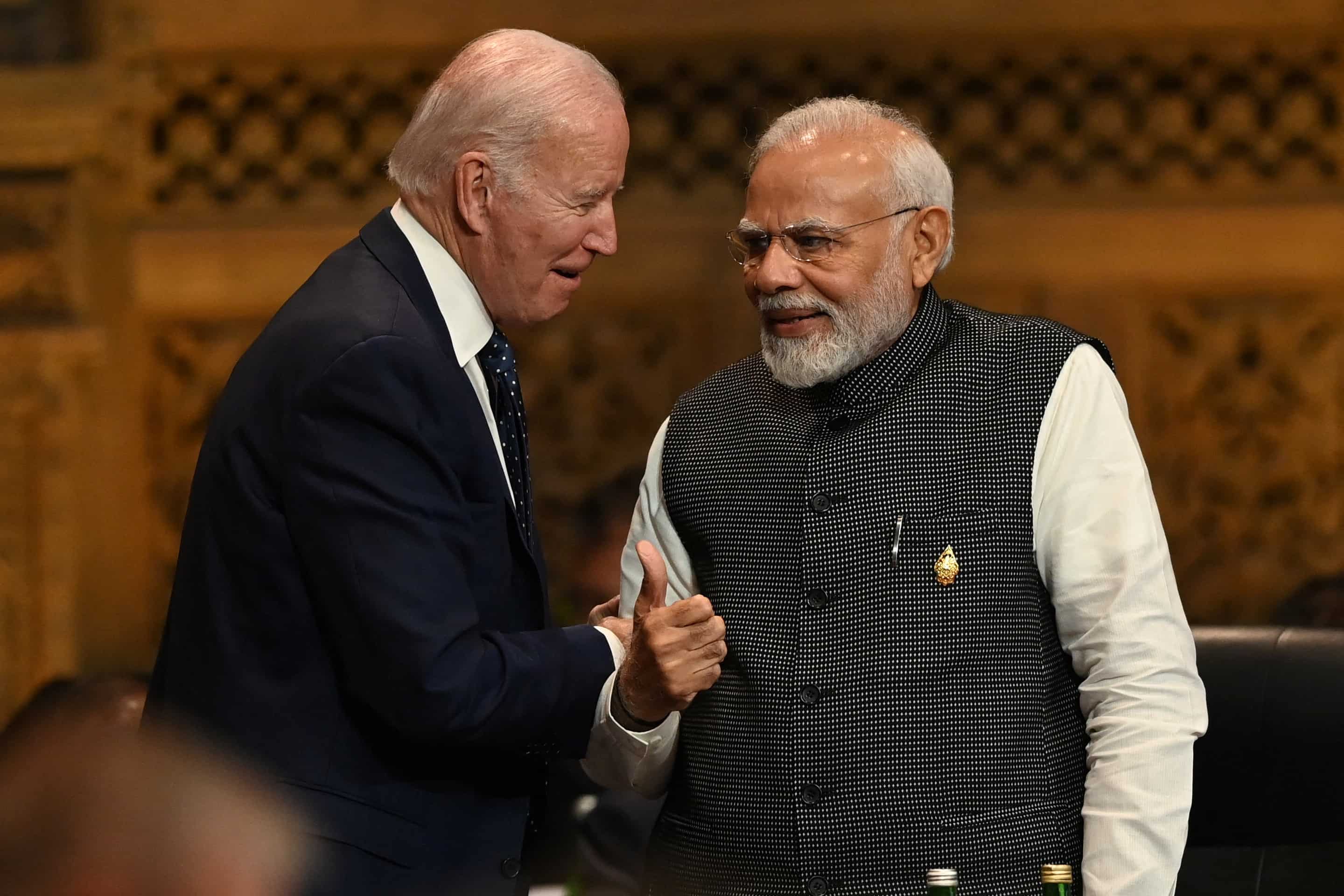
Narendra Modi
Prime Minister Narendra Modi said that India and the United States share an “unprecedented” trust, and added that New Delhi had not faced widespread criticism over its stance on the Russia-Ukraine war.
In an interview to the Wall Street Journal (WSJ) ahead of his official state visit to US, Modi said that the growth in trust is underlined by growing defence cooperation between the two countries as “an important pillar of our partnership,” which “extends to trade, technology and energy”.
The ties between the two democratic nations have attained new heights in recent years, especially in the wake of China’s growing assertiveness atthe bordernear India, and the South China Sea.

However, there have been some concerns in Washington over India’s close ties with Russia, one of the major exporters of arms and oil to New Delhi. Washington has long sought to replace Russia as the major defence supplier to India.
On Russia-Ukraine
Responding to the reports that Washington has been pressurising India to ditch Russian oil and equipment, and take a more assertive stance in the war, Modi said, “I don’t think this type of perception is widespread in the US.”
)
Justice eludes Air India 1985 bombing victims as Canada probe goes 'inactive' | Gravitas
)
Trump revives India-Middle East-Europe economic corridor as India emerges central to West Asia’s future: What is it?
)
Erdogan again raises Kashmir issue at UNGA, calls for dialogue under UN Charter
)
Four decades after leaving Kolkata, the Birlas may be coming back for more
)
The Verdict | Moral policing isn’t culture or discipline, it’s crime
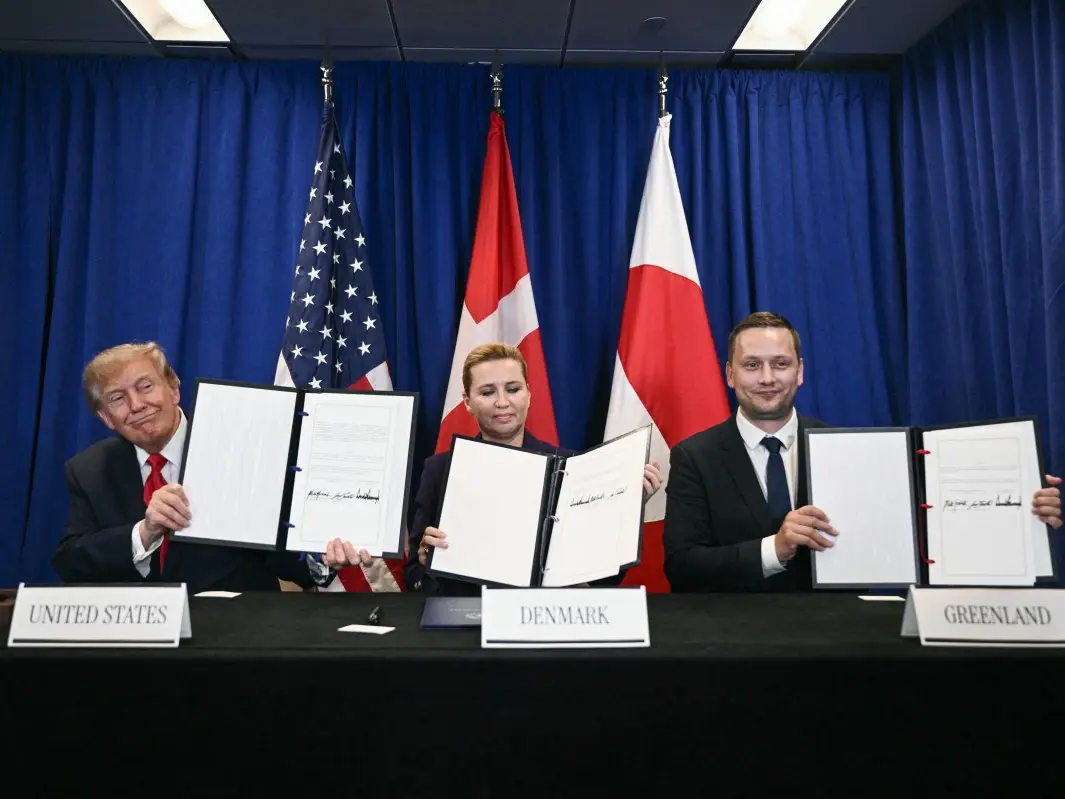)
Trump signs Greenland security deal with Denmark, paving way for two new US military bases
)
Major League Soccer referee sacked for sexist comment about female match referee
)
IND vs JPN T20I: How an overturned wide became point of difference between India's win and a tie
)
Trump-Xi summit: From trade to Taiwan, what will the US and Chinese presidents discuss in Washington?
)
Cyclone Arnab: Landfall expected before midnight tomorrow as IMD issues orange alerts across six states
)
Glitch in the matrix caught on camera: Woman vanishes after talking to reporter
)
ICC plans T20I expansion and fewer ODIs in 2027–2031 FTP cycle: Report
)
Key accused in Bihar's Jamui molestation case, arrested after police shoot him in leg
)
'Mumma’s boy from Gwalior who dared to dream': Kartik Aaryan pens long note after first National Award win
)
Gravitas | Boosting NHS productivity could save 20,600 lives in UK annually: Report
)
US and China vie for AI dominance as calls grow for regulation | Gravitas
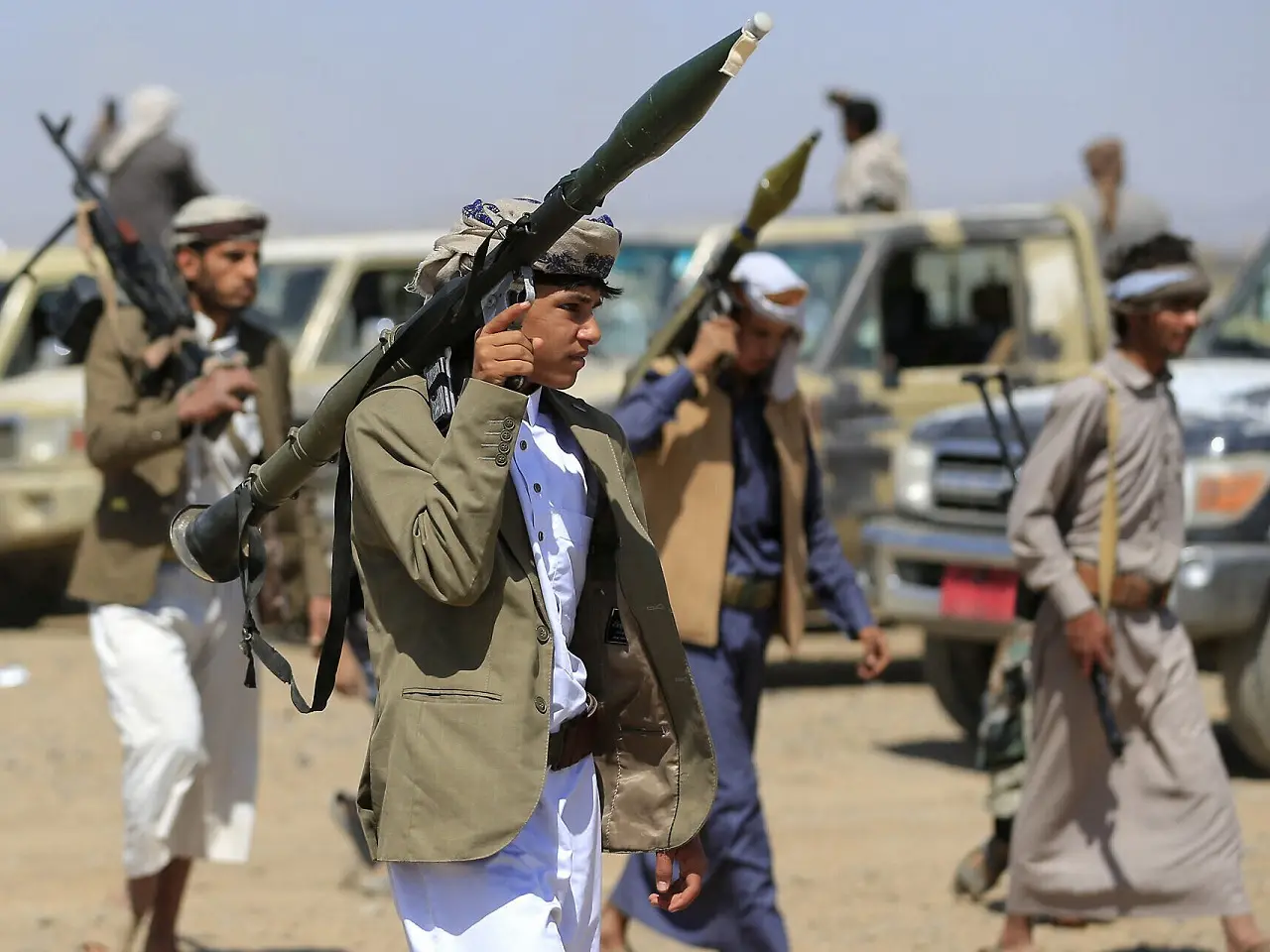)
Yemen clashes kill 154 people in two days as cornered Saudi battles Houthi offensive | Gravitas
)
Bomb scare in New York amid UNGA: Suspicious suitcase found near UN headquarters
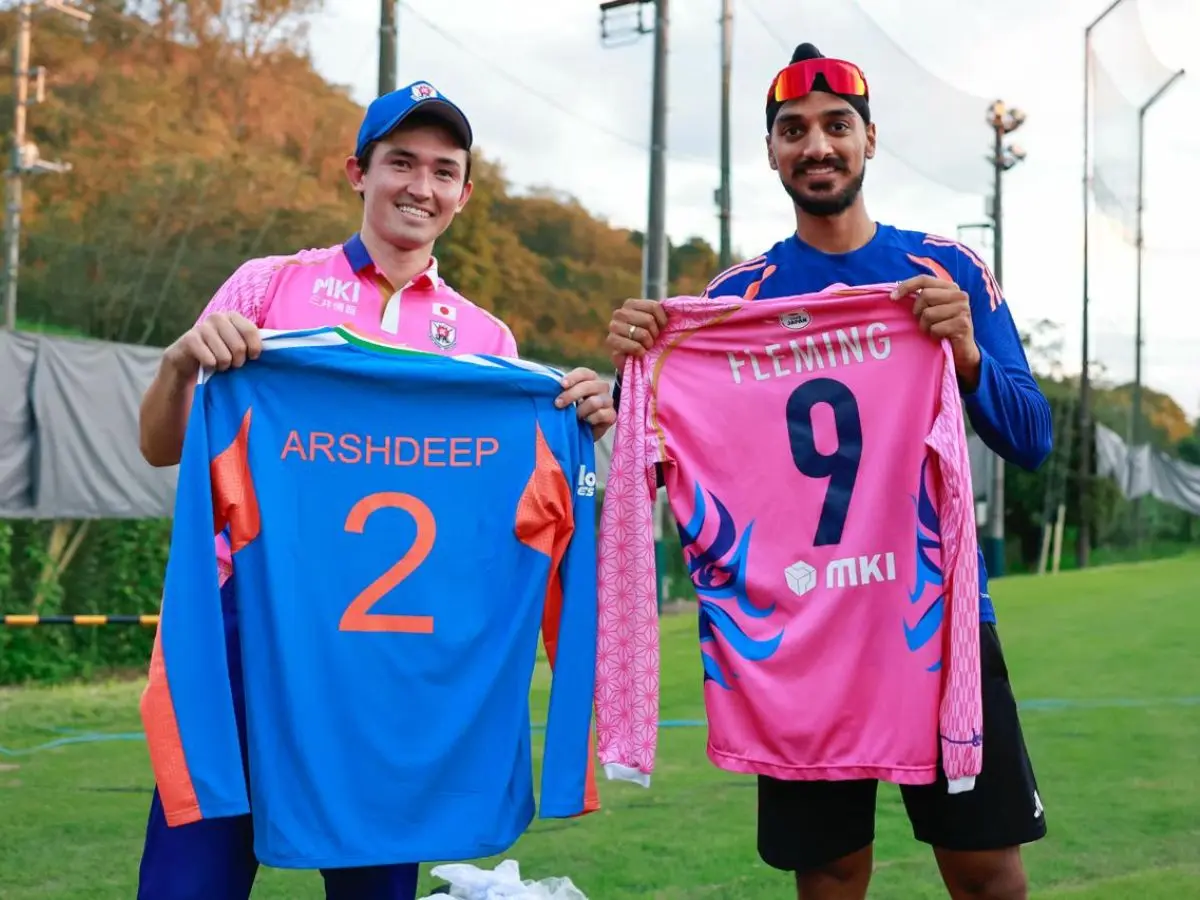)
IND vs JPN, one-off T20I: Japan captain Kendel on pushing India to the brink - ‘It was special’
)
Raaka creates history! Allu Arjun’s film secures Guinness World Record ahead of release
)
Saudi Arabia exits China-led mBridge digital currency platform amid Saudi-Houthi conflict
)
WION Iconic Tourism Summit and Awards 2026: Key voices to discuss India’s tourism future
)
World leaders repeatedly call Gaza crisis ‘genocide’ as Israel’s war dominates opening sessions of UNGA
)
WION Iconic Tourism Summit and Iconic Awards 2026: India's travel economy leaders gather in Delhi
)
American manufacturing is reshoring faster than its factory floors can absorb
&im=FitAndFill=(700,400))
New OTT releases this week (September 21-27, 2026): Shaque: Trust No One, Hunkkaar, Don’t Be Shy- 5 new titles coming to Netflix, Prime Video and more
)
81st UN General Assembly: Burnham announces UK-US AI defence tie-up
)
Trump calls on nations to quit ‘rogue’ and ‘out-of-control’ International Criminal Court, rips UN
)
Who is Clavicular? The 20-year-old controversial 'Looksmaxxing' influencer charged with rape allegations
)
IIT Bombay professor Suryanarayana Doolla sent on leave amid Sahil Wakode death probe
)
'This is normally what toddlers do': Why a psychiatrist is raising fresh questions about Trump’s recent behaviour
&im=FitAndFill=(700,400))
National Film Awards 2026: Kartik Aaryan, Mammootty, Yami Gautam, Randeep Hooda and other key winners
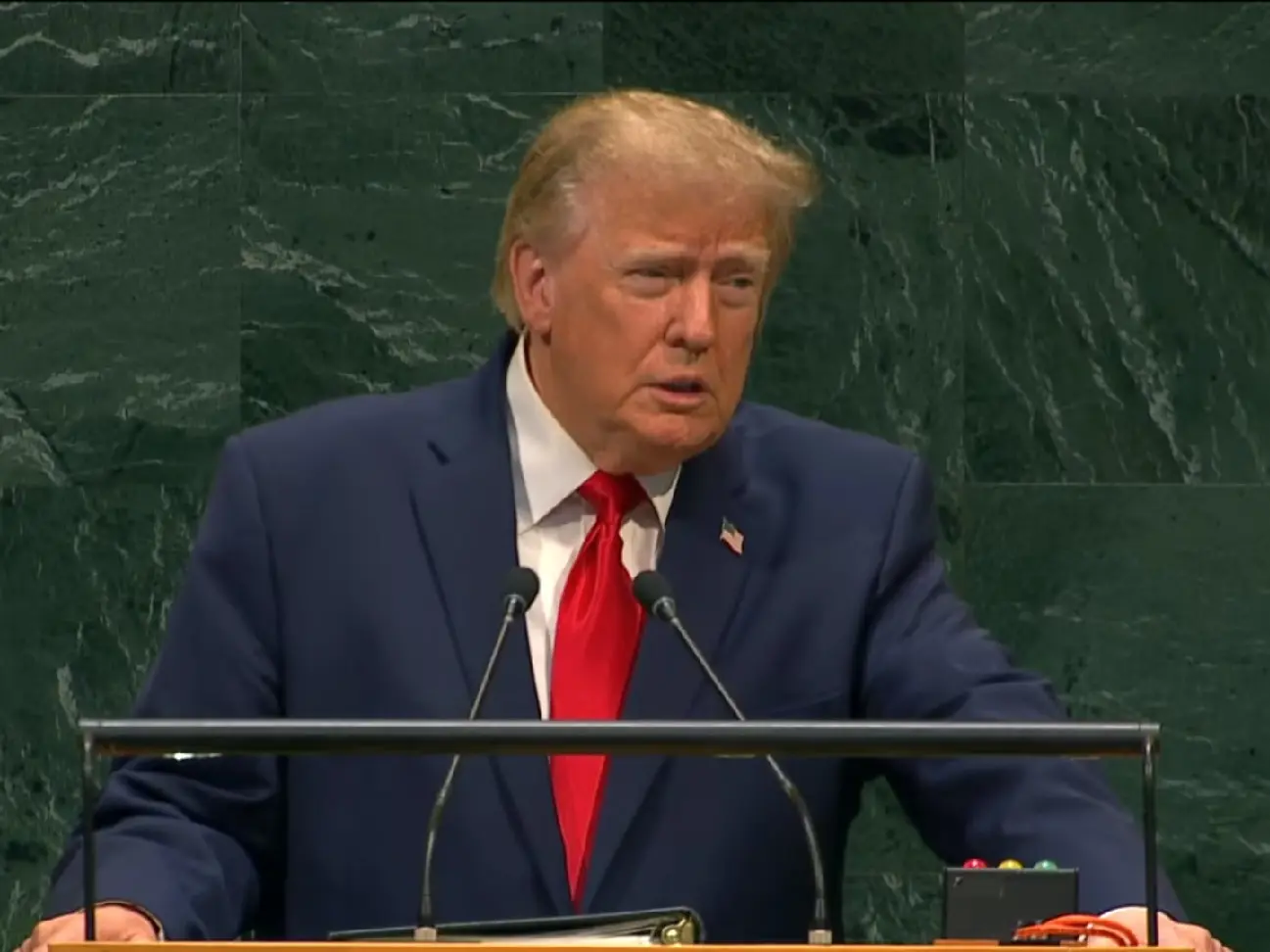)
‘Strike a deal or drive Iran into hell’: Trump issues fresh warning to Tehran at UNGA
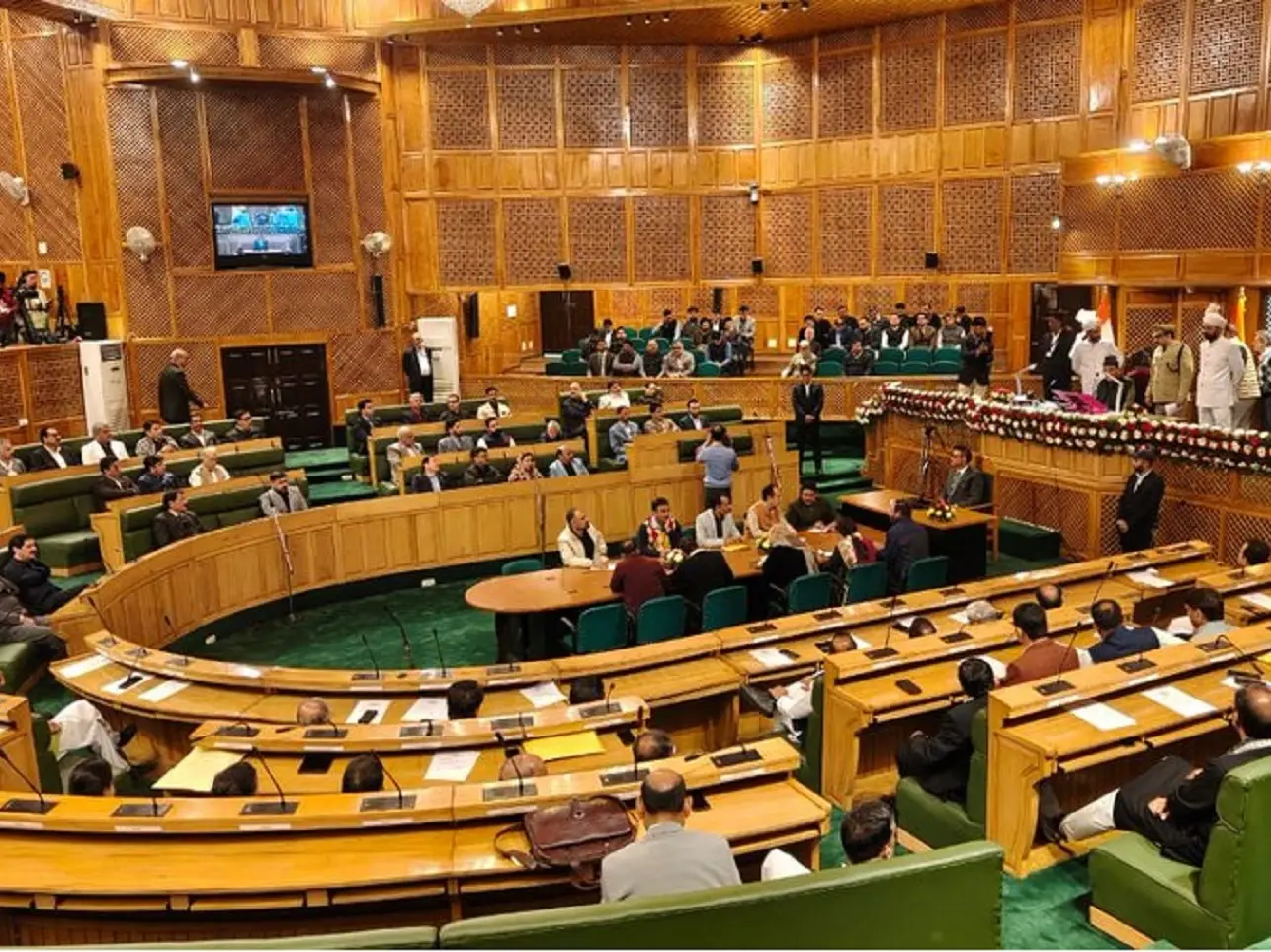)
Over 4,200 books withdrawn from circulation in J&K colleges, 94% from Kashmir
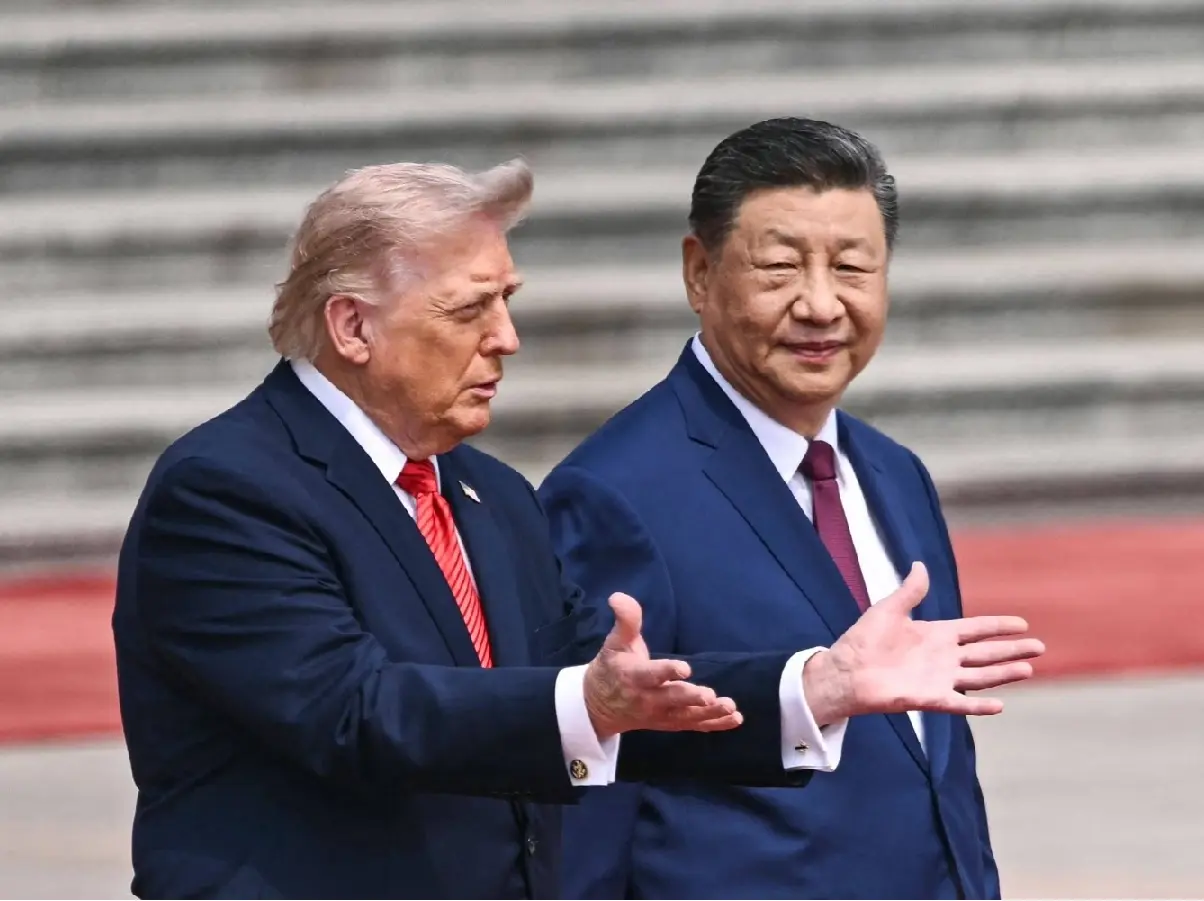)
Explainer: Why rare-earth export licences and Board of Trade are US priorities ahead of Trump-Xi summit
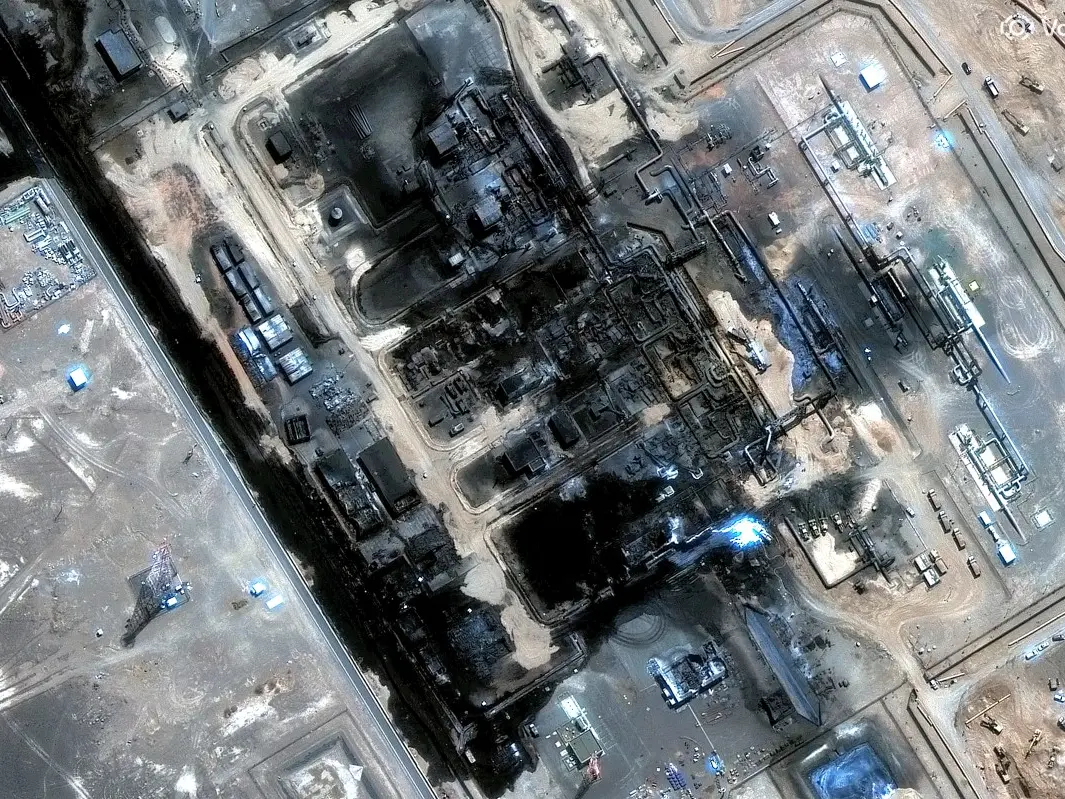)
Oil slips to $98 as Saudi Arabia restarts East-West oil pipeline
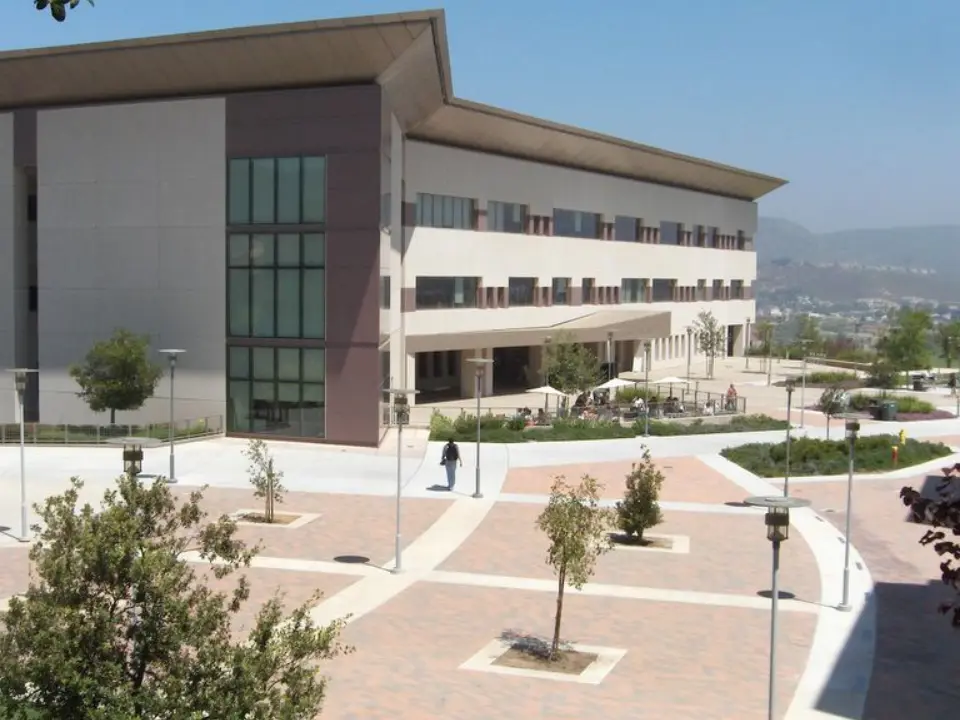)
Four female students raped during 'Red Zone' at California university. What we know
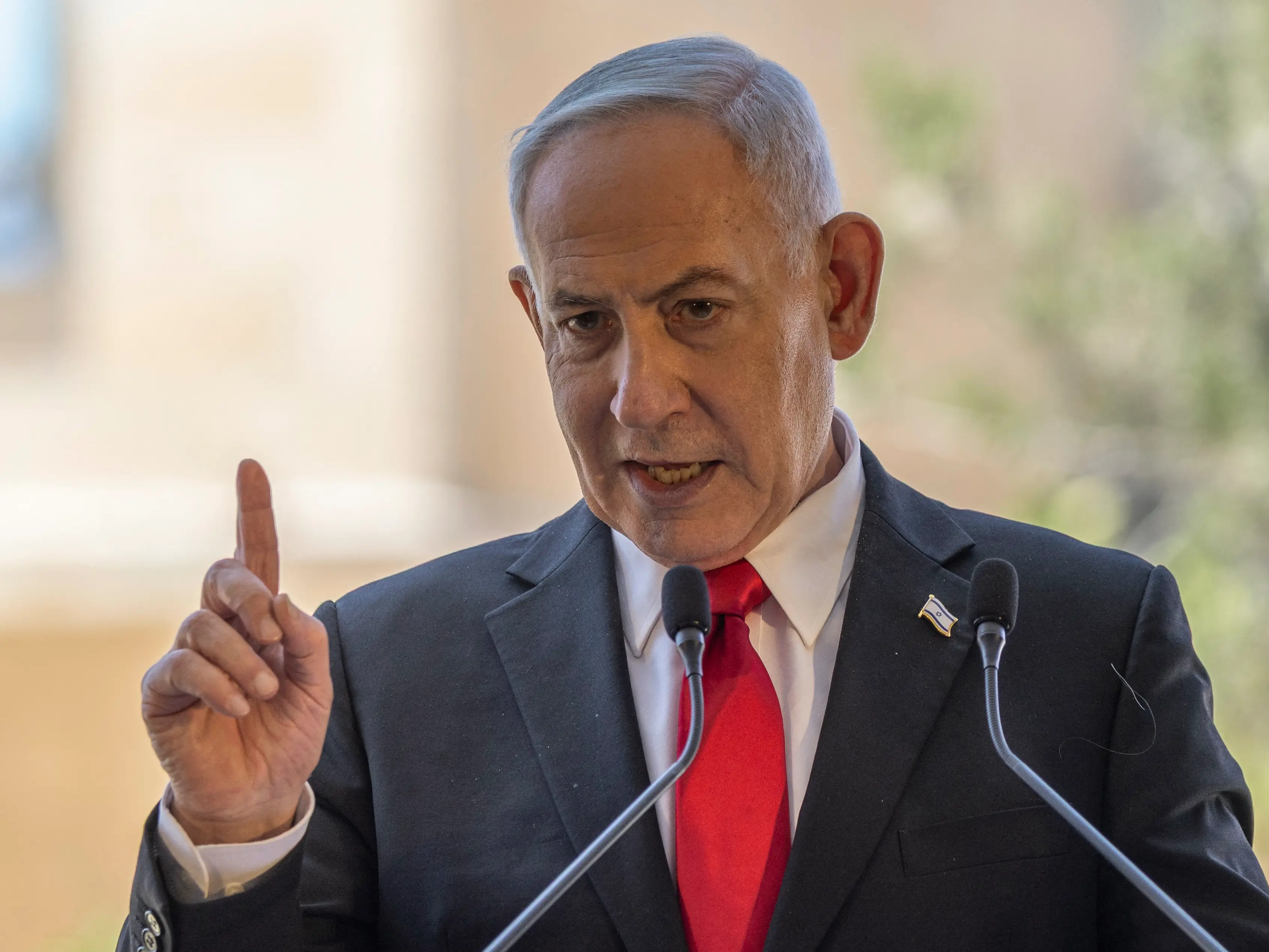)
‘Shame on you’: Netanyahu vows to ‘tell the truth’ about Mamdani at UN ahead of New York visit
“I think India’s position is well known and well understood in the entire world. The world has full confidence that India’s topmost priority is peace.”
The Indian leader said that he had spoken to Russian President Vladimir Putin and Ukrainian President Volodymyr Zelensky several times, and added that India would do whatever it could and supported "all genuine efforts to bring an end to the conflict and ensure enduring peace and stability.”
Defence on agenda of Biden-Modi talks
Defence and trade would be the key talking points of Prime Minister Modi and US President Joe Biden’s impending bilateral meeting at the White House.
Modi is expected to announce key defence pacts signed between India and US, including joint manufacturing of General Electric fighter jet engines, India’s purchase of 31 armed MQ-9B SeaGuardian drones made by General Atomics worth $3 billion, and smoother trade in defence and technology.
Modi said that unlike its earlier vision for non-alignment (the idea propounded by India’s first PM Jawaharlal Nehru), India’s foreign policy is guided by advancing its interests by forging tries with a range of global powers, including those in conflict with each other.
He said that since he is the first prime minister to be born in free India, his thought process is influenced by the country’s attributes and traditions.
“India deserves a much higher, deeper and wider profile and a role," Modi told WSJ.
On China
India and China’s relations have seen a sharp decline since the Galwan Valley clash in 2020 near Ladakh in which 20 Indian soldiers lost their lives.
Both countries have held 18 rounds of military talks since 2020 aimed at curbing the dispute from spiralling into wider conflict.
Speaking on the fraught relations with China, Modi said, “For normal bilateral ties with China, peace and tranquillity in the border areas is essential.
“We have a core belief in respecting sovereignty and territorial integrity, observing the rule of law and peaceful resolution of differences and disputes. At the same time, India is fully prepared and committed to protect its sovereignty and dignity.”
On UN reforms
Modi highlighted that United Nations Security Council needs urgent reform and called for India’s growing role in the all-powerful institution citing its contribution of troops for peacekeeping operations around the world.
Also read |Vegetarian chef, Grammy-winning violinist: How White House is preparing for PM Modi's state visit
“There has to be an evaluation of the current membership” of the council “and the world should be asked if it wants India to be there.”
(With inputs from agencies)
WATCH WION LIVE HERE