

&imwidth=800&imheight=600&format=webp&quality=medium "India's agri-export crisis- Mango, rice, spice, a bigger pattern of compliance failure")
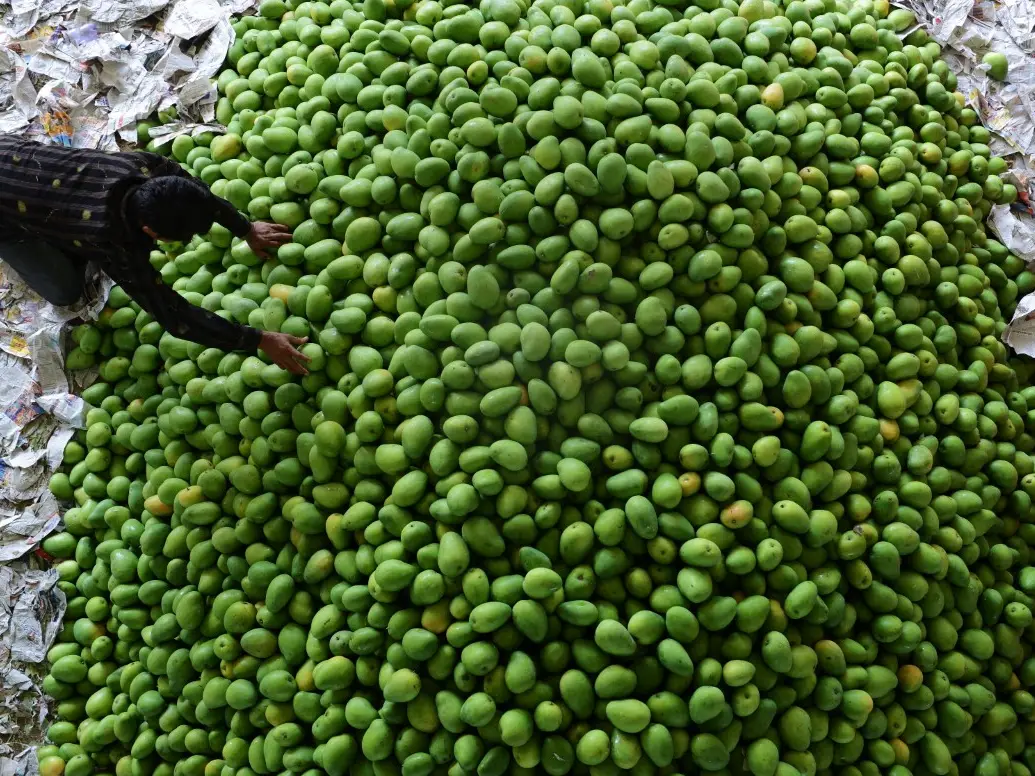
India's Agri-export is facing a crisis of compliance failure in the global market. Japan for the 2026 season, citing deficiencies in treatment and quality-control procedures at Indian facilities. The ban affected all wide Indian varieties, including Alphonso, Kesar, Chausa, Langra, and Banganapalli. In March, Japan's officials visited the facilities designated by Indian officials and claimed that it failed to meet the agreed conditions.
Bigger pattern of compliance failure
Earlier in May, China rejected Indian non-basmati rice consignments, alleging they contain genetically modified organisms (GMOs) despite the Modi Government claiming that no GM crop is grown in the country. According to a report by the Hindu Businessline, about 70 consignments of non-Basmati Rice have been rejected in 2026, while at least 200 containers are being voluntarily held back.
According to data from the European Food Safety Authority, the EU Commission, over 365 products were rejected between May 1, 2024 and May 30, 2026, for the presence of pesticides and heavy metals, while around 50 were rejected for having traces of pathogens like Salmonella, Aflatoxin B1 and Ochratoxin A. While many others were rejected for environmental pollution, such as mineral oil contamination. Herbs and spices, fruits and vegetables, nuts, nut products and seeds, cereals and bakery products and dietic foods formed the majority of the products that were notified to have violated the presence of pesticides and heavy metals. This was after the 2024 high-profile recall of Indian spice globally and domestically due to contamination with cancer-causing pesticide ethylene oxide, Salmonella, and heavy metals.
The deeper problem
Trending Stories
&imwidth=180&imheight=135&format=webp&quality=medium)
Tu Hai Meri Kiran box office: Sonakshi Sinha and Zaheer Iqbal's film fails to take off, mints Rs 15 Lakh on day 1
&imwidth=180&imheight=135&format=webp&quality=medium)
'Already tired of his 9-to-5': Baby born with a moustache becomes internet sensation, video goes viral | Watch
&imwidth=180&imheight=135&format=webp&quality=medium)
French Open: PV Sindhu storms into final with win over Hina Akechi
&imwidth=180&imheight=135&format=webp&quality=medium)
Viral video shows cross falling on Colombia priest, no official confirmation | WATCH
&imwidth=180&imheight=135&format=webp&quality=medium)
France protests: Clashes erupt between police and protesters in Paris as nearly 410,000 take to streets across country
&imwidth=180&imheight=135&format=webp&quality=medium)
Global cybersecurity alert: PHP flaws trigger website shutdowns as hack attempts surge into millions
&imwidth=180&imheight=135&format=webp&quality=medium)
Albania protests enter 12th day as students clash with police, demand Rama's exit
&imwidth=180&imheight=135&format=webp&quality=medium)
US Midterms 2026: Dead for years, paedophile Jeffrey Epstein finds mention in over 500 campaign ads; Texas alone spent $10 million
&imwidth=180&imheight=135&format=webp&quality=medium)
Could you survive 3 days without power? UK tells households to prepare now
&imwidth=180&imheight=135&format=webp&quality=medium)
After France and Italy, protests erupt in Spain: What’s fueling the anger?
&imwidth=180&imheight=135&format=webp&quality=medium)
Pezeshkian says Iranians ‘struggling to put food on the table’ as war with US drags on
&imwidth=180&imheight=135&format=webp&quality=medium)
Negotiators from Ukraine, Russia, United States to meet in Abu Dhabi: Zelensky
&imwidth=180&imheight=135&format=webp&quality=medium)
Horrific video shows the moment 18-year-old fell to her death from Mexico amusement park ride
&imwidth=180&imheight=135&format=webp&quality=medium)
Farooq Abdullah says Pakistan’s raising of Kashmir issue keeps pressure on Delhi
&imwidth=180&imheight=135&format=webp&quality=medium)
Trump invokes Operation Sindoor at US midterm rally, claims 250% tariffs stopped India-Pakistan war
&imwidth=180&imheight=135&format=webp&quality=medium)
AI deepfakes are spreading online: Why is removing them so difficult?
&imwidth=180&imheight=135&format=webp&quality=medium)
India-China face-off continues near Arunachal’s Taksing, reveals ITBP chief in first official confirmation of tensions
&imwidth=180&imheight=135&format=webp&quality=medium)
'You’re a horrible little reporter, aren’t you?': Trump snaps at NBC reporter questioning his support for Ramaswamy's campaign ad
&imwidth=180&imheight=135&format=webp&quality=medium)
Rising Asia Cup 2026 schedule announced, India-Pakistan clash set for Nov 22
&im=FitAndFill=(700,400)&imwidth=180&imheight=135&format=webp&quality=medium)
Watched Manoj Bajpayee’s Gajab Raat on Netflix? 5 movies and TV shows to watch next on OTT
&im=FitAndFill=(700,400)&imwidth=180&imheight=135&format=webp&quality=medium)
US midterm elections 2026: Minnesota heads to polls in the shadow of Minneapolis ICE shootings
&im=FitAndFill=(700,400)&imwidth=180&imheight=135&format=webp&quality=medium)
New Friday OTT releases (October 23, 2026): Gajab Raat, Dorothy, Chaar Yaar- Watch these 6 new movies and TV shows on Netflix, Prime Video and more
&imwidth=180&imheight=135&format=webp&quality=medium)
Can Putin cheat death? All about his daughter’s billion-dollar quest for immortality
&imwidth=180&imheight=135&format=webp&quality=medium)
Tu Hai Meri Kiran film review: Sonakshi Sinha and Zaheer Iqbal's thriller gets tangled in its own twists
&imwidth=180&imheight=135&format=webp&quality=medium)
Hitler’s ‘Eagle’s Nest’ mountain retreat wrecked by fire, suspect detained: What to know about the Nazi-era site
&imwidth=180&imheight=135&format=webp&quality=medium)
Scientists make digital nose that can sniff and send scents over the internet
&imwidth=180&imheight=135&format=webp&quality=medium)
France protests: 135 arrested, weapons seized as fresh demonstrations erupt amid heavy security
&imwidth=180&imheight=135&format=webp&quality=medium)
Bodies of 2 missing Japanese climbers recovered from Himalayan peak
&imwidth=180&imheight=135&format=webp&quality=medium)
UK Police confirm receiving letter containing number of claims about Meghan Markle's father in 2019, not 2018
&imwidth=180&imheight=135&format=webp&quality=medium)
16-foot doomsday fish in Chile triggers fears that the next earthquake is coming
&imwidth=180&imheight=135&format=webp&quality=medium)
AI slop or smart strategy? South African author Coral Hart defends Her 370 AI- assisted books in 20 months
&imwidth=180&imheight=135&format=webp&quality=medium)
'My name has always been Ilhan Omar': Congresswoman hits back at Trump, calls him a 'creep'
&imwidth=180&imheight=135&format=webp&quality=medium)
Pakistan airline PIA unveils new crew uniforms, faces online criticism
&im=FitAndFill=(700,400)&imwidth=180&imheight=135&format=webp&quality=medium)
What is the real meaning behind Pete Hegseth's tattoos?
&imwidth=180&imheight=135&format=webp&quality=medium)
Saudi says debris fell in Mecca, Medina after missile interceptions; Houthis deny targeting holy cities
For the rice shipments to China, despite the Indian office of China Certification & Inspection Group inspecting and certifying the shipments, the shipments were rejected. Indian officials reportedly accused China of trying to spoil India's image. “The Chinese officials are not explaining the methodology for rejecting our consignments,” said Indian officials as reported by The Hindu. Traders allege that China is trying to undermine India's competitiveness in the global market, while other traders argue that China would build inventories in cases of prices being lower in order to gain leverage ahead of trade discussions.
However, the same argument can't be made for the European Union, which has been a natural importer of Indian agri-products. A look at the products flagged by the EU shows major compliance failure. Chlorpyrifos, a pesticide banned by 44 countries for being genotoxic, neurotoxic and carcinogenic, was found in 135 products, while ethylene oxide was found in 40 products, though the product is not even registered in India. While cadmium, lead, and mercury were also found in several products. These are materials that have mutagenic and carcinogenic compounds, possess the potential of DNA mutation and cause cancer.
“The Government of India is not investigating where the contamination is taking place. Every time the issue comes to the fore, the blame game starts, which ultimately ends with the blame placed on the farmers. However, farmers don’t use pesticides like ethylene oxide. It is the storage units that depend on the pesticide. But we don’t have a system where a product is checked at every stage,” said Narasimha Reddy Donthi as quoted by a report by Deccan Herald.'
While Japan is not the largest purchaser of the Indian mangoes. India produces nearly 28 million metric tonnes of mangoes annually, nearly 45–50 per cent of global production and exports to over 150 countries. The reputational damage goes well beyond any single market. The crisis related to Indian agri-export is not a one-off isolated case. Japan had earlier imposed a ban on Indian mangoes in 1986 due to concerns over fruit fly infestation. The resumption in 2006 wasn't automatic; India had to overhaul its export infrastructure. India established Vapour Heat Treatment (VHT) facilities to comply with Japanese quarantine standards and facilitate mango exports. The restriction was lifted once India met phytosanitary requirements. Two decades later, these same facilities are failing to meet those same requirements.

