

&imwidth=800&imheight=600&format=webp&quality=medium "If India wants a permanent UNSC seat, why is it still contesting for a temporary one? WION Decodes")
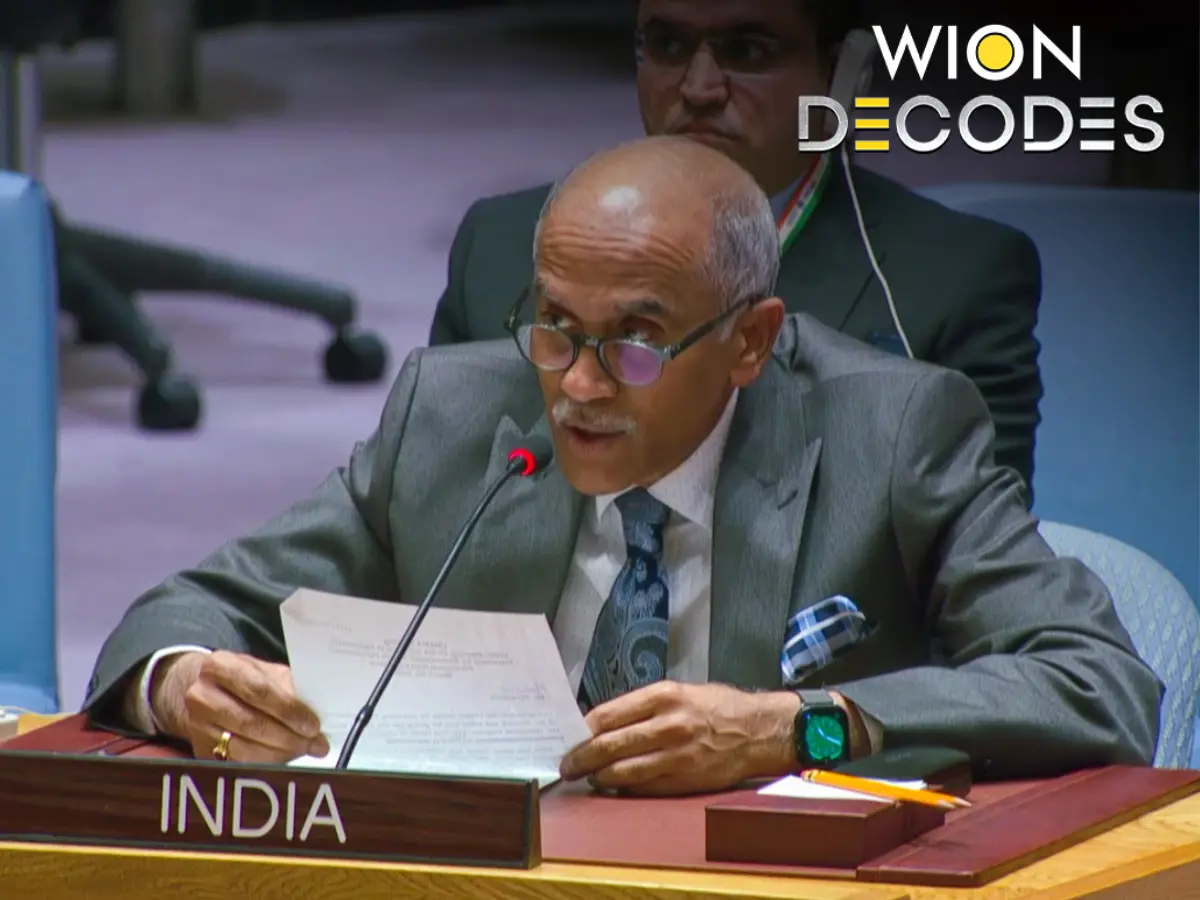
India has once again thrown its hat into the ring for the United Nations Security Council, launching its campaign for a non-permanent seat for 2028-29 even as it continues pushing for long-term reforms that would eventually give it a permanent place at the table. The move may look contradictory at first glance, but there's a method behind the madness. WION Decodes.
Why go for a temporary seat at all?
In UN diplomacy, a temporary seat is often one of the few practical ways to build support for a bigger ambition. India is campaigning for a UNSC seat because the Security Council is where the real action happens.
A non-permanent seat gives India a direct vote on wars, sanctions, peacekeeping mandates and other major security decisions for two years. It may not come with veto power, but it does give New Delhi a chance to shape negotiations, build alliances and push its priorities inside the UN’s most powerful body.
That matters because India wants to be seen not just as a claimant for reform, but as a country that already contributes to the system.
Also read | India formally launches campaign for UN Security Council seat with new 'SHANTI' vision | Watch
Trending Stories
&im=FitAndFill=(700,400)&imwidth=180&imheight=135&format=webp&quality=medium)
Inside the Peshawar school tragedy: 34 dead, building's condition under scrutiny and owner arrested. Here's what all happened
&imwidth=180&imheight=135&format=webp&quality=medium)
Arijit Singh 9-city India stadium tour to start from January: Check venue and ticket prices
&imwidth=180&imheight=135&format=webp&quality=medium)
Who is Abu Dhabi royal Mahrah Al Nahyan, found unconscious on London street with toddler after cocaine use
&imwidth=180&imheight=135&format=webp&quality=medium)
US sanctions Cuban state-owned bank BICSA over alleged financial links to Iran
&imwidth=180&imheight=135&format=webp&quality=medium)
Trump says Zelensky 'not a good guy' amid fresh Russia-Ukraine tensions | Watch video
&imwidth=180&imheight=135&format=webp&quality=medium)
Durga Puja 2026: Kajol kicks of celebrations along with mother Tanuja, sister Tanishaa and cousin Ayan Mukerji
&imwidth=180&imheight=135&format=webp&quality=medium)
India’s naval priorities: Ex-Navy Chief calls for third aircraft carrier, more warships and submarines
&imwidth=180&imheight=135&format=webp&quality=medium)
Vijay Deverakonda and Rashmika Mandanna's Ranabaali X Review: Netizens call it history-rich but overstuffed
&imwidth=180&imheight=135&format=webp&quality=medium)
'A new space debris solution for global customers’: Samtel CEO Puneet Kaura on India-Japan partnership
&imwidth=180&imheight=135&format=webp&quality=medium)
‘My president, I mean my husband’: Trump's new press secretary Katie Zacharia's first briefing goes off the rails in 14 minutes
&imwidth=180&imheight=135&format=webp&quality=medium)
Ukraine blinded: Musk deflects blame on Trump, Putin sharpens attack | Gravitas
&im=FitAndFill=(700,400)&imwidth=180&imheight=135&format=webp&quality=medium)
‘No traffic jams for Tesla owners’: How Elon Musk’s new flying car is different from regular cars?
&imwidth=180&imheight=135&format=webp&quality=medium)
US-Iran War: Trump eyes mother of all bombs; Iran in crosshairs
&imwidth=180&imheight=135&format=webp&quality=medium)
‘He told me clearly...’: Yuzvendra Chahal reveals why Rohit Sharma dropped him from India’s 2023 WC squad

Not Khan but Pal: Why did Imran Khan choose his mother's surname over his father's? Family tree explained
&imwidth=180&imheight=135&format=webp&quality=medium)
'Turns out the future does have flying cars': Musk's Tesla unveils 'flying' sports car with SpaceX technology | Watch
&imwidth=180&imheight=135&format=webp&quality=medium)
Netanyahu defies Trump, blocks Gaza military base for Board of Peace | Gravitas
&imwidth=180&imheight=135&format=webp&quality=medium)
Earthquake measuring 7 magnitude strikes Russia’s Kamchatka Peninsula
&imwidth=180&imheight=135&format=webp&quality=medium)
US midterms 2026: FBI investigates suspicious mailings containing 'unknown substance' sent to election offices
&imwidth=180&imheight=135&format=webp&quality=medium)
Up to 1 million satellites in orbit? the space race raising questions about who controls space
&im=FitAndFill=(700,400)&imwidth=180&imheight=135&format=webp&quality=medium)
Inside Tesla's Roadster: 10 features of Elon Musk's 'flying car' that push the limits of electric vehicles | In Pics
&imwidth=180&imheight=135&format=webp&quality=medium)
'Will stand with Pakistan in case of war with US': Rajasthan BJP chief's remark sparks row

US ends automatic work permit extensions; Indian workers lose 540-day safety net: What it means
&im=FitAndFill=(700,400)&imwidth=180&imheight=135&format=webp&quality=medium)
‘0-100km/h in 1 second Tesla Roadster’: Why tyre grip becomes a problem when cars accelerate this fast
&imwidth=180&imheight=135&format=webp&quality=medium)
Saudi Arabia executes Two Bangladesh nationals over immoral act
&imwidth=180&imheight=135&format=webp&quality=medium)
China tells Israel to stop West Bank settlements, calls Palestine issue ‘historic injustice’
&imwidth=180&imheight=135&format=webp&quality=medium)
Russian woman and Bihar boy's love story goes viral after she reaches India to marry him
&imwidth=180&imheight=135&format=webp&quality=medium)
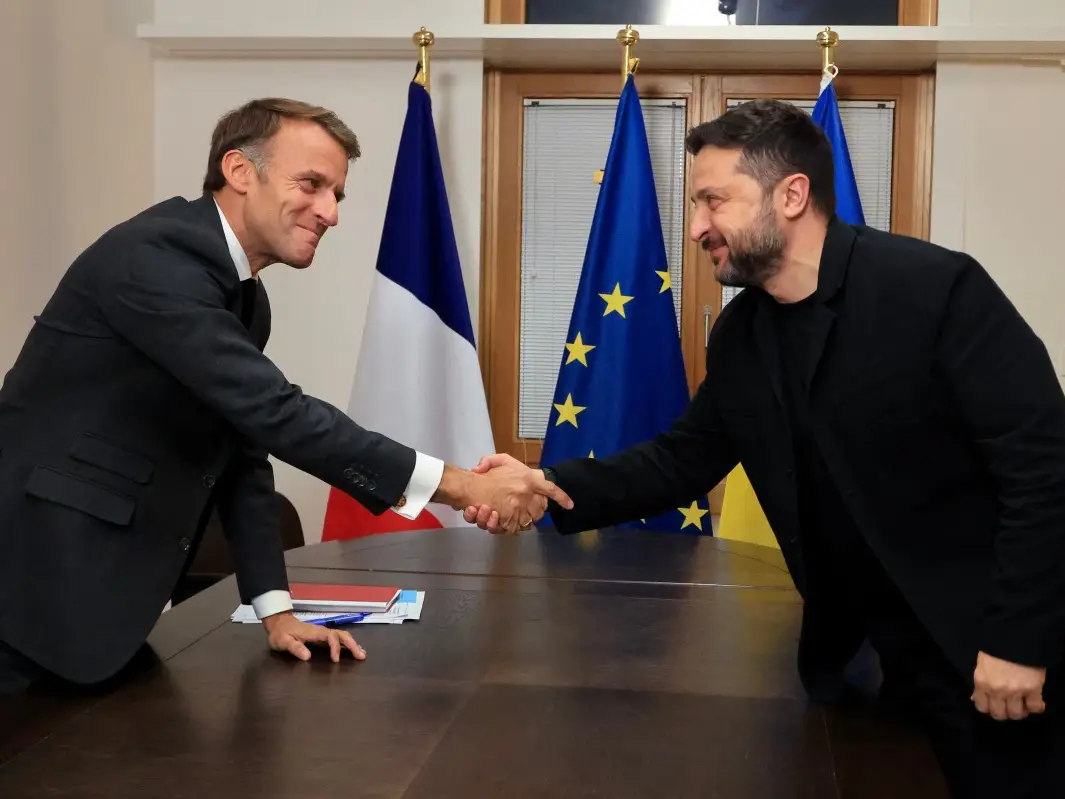
'Ukraine must get all it needs to protect civilians and infrastructure': Macron
&im=FitAndFill=(700,400)&imwidth=180&imheight=135&format=webp&quality=medium)
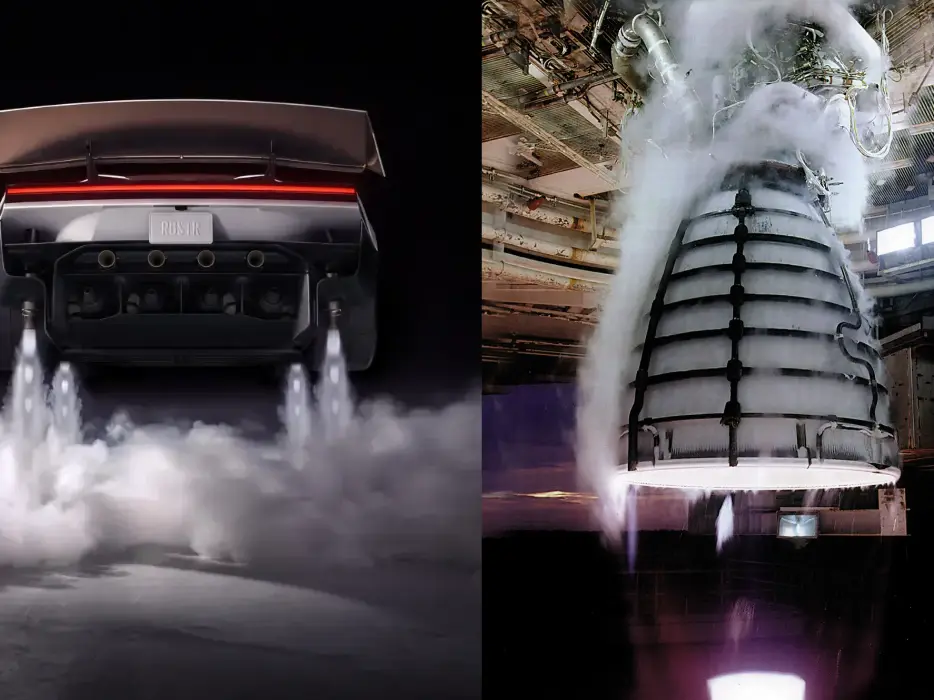
Tesla Roadster's thrusters vs rocket engines: What's the difference?
&imwidth=180&imheight=135&format=webp&quality=medium)
Billy Joel's health update: Why the singer can't drive or perform right now?
&im=FitAndFill=(700,400)&imwidth=180&imheight=135&format=webp&quality=medium)
New Friday OTT releases (October 16, 2026): DC, Sacrifice, Aasha- 6 new movies and TV shows coming on Netflix, Zee 5, Prime Video and more
&imwidth=180&imheight=135&format=webp&quality=medium)
Russia-Ukraine War: Putin vows retaliation against Ukraine
&imwidth=180&imheight=135&format=webp&quality=medium)
Mumbai: CJP brings Tricolour protest to Azad Maidan after weeks of demonstrations
&imwidth=180&imheight=135&format=webp&quality=medium)
Majid Majidi's new film Midday Meal takes top prize at Asia's biggest film festival
&imwidth=180&imheight=135&format=webp&quality=medium)
Oregon school shooting: 16-year-old identified as suspect after at least four killed, including three children
&imwidth=180&imheight=135&format=webp&quality=medium)
Was Trump in danger at Alaska rally? Viral video shows Secret Service agents reacting
&im=FitAndFill=(700,400)&imwidth=180&imheight=135&format=webp&quality=medium)
World's 7 most innovative countries in 2026 REVEALED: Did India make the list? | In Pics
India launches 'SHANTI' vision
At the launch of its campaign, External Affairs Minister S Jaishankar framed India’s bid around the "SHANTI" vision, short for Securing Holistic Advancement through Norms, Trust and Integrity. India says its priorities include peacekeeping reform, maritime security, counter-terrorism, climate action, sustainable development and a stronger voice for the Global South.
India noted that it has deployed nearly 300,000 peacekeepers across about 50 UN missions since the UN was founded, with 4,300 personnel currently serving in active missions. It also highlighted its development work across 79 countries.
So why not skip straight to permanent membership?
Because permanent membership is far harder to get. Any structural reform of the Security Council needs consensus among all the current members, including the five permanent members, each of whom has a veto. That is exactly why reform has remained stuck for years, despite broad support for change.
Backing India's permanent membership bid and the nation's long-standing demand for UNSC reforms, Poland on Tuesday (Jul 14) noted the Council’s structure is difficult to change because every permanent member has the power to block reform.
"We do want India as a non-permanent member. We discussed with India also bigger changes in the structure of the Security Council of the United Nations. The problem is, and has always been, that in order to make changes, all members have to agree. And since every member has a veto, there's always somebody who doesn't want to change because they like to have a small club than a larger club... We certainly support India in this quest," Poland's Ministry of Foreign Affairs Wladyslaw Teofil Bartoszewski told ANI.
The real play
A non-permanent seat gives India visibility, leverage and more diplomatic credibility. It lets New Delhi influence debates now while continuing to argue that the Council itself needs to be expanded and reformed for the world of today, not the world of 1945.
In other words, India is not choosing between temporary and permanent. It is using one to keep pushing for the other.

