GRAP-I imposed in Delhi-NCR as AQI in national capital turns ‘poor’ – What you should know

&imwidth=600&imheight=450&format=webp&quality=medium "GRAP-I imposed in Delhi-NCR as AQI in national capital turns ‘poor’ – What you should know")
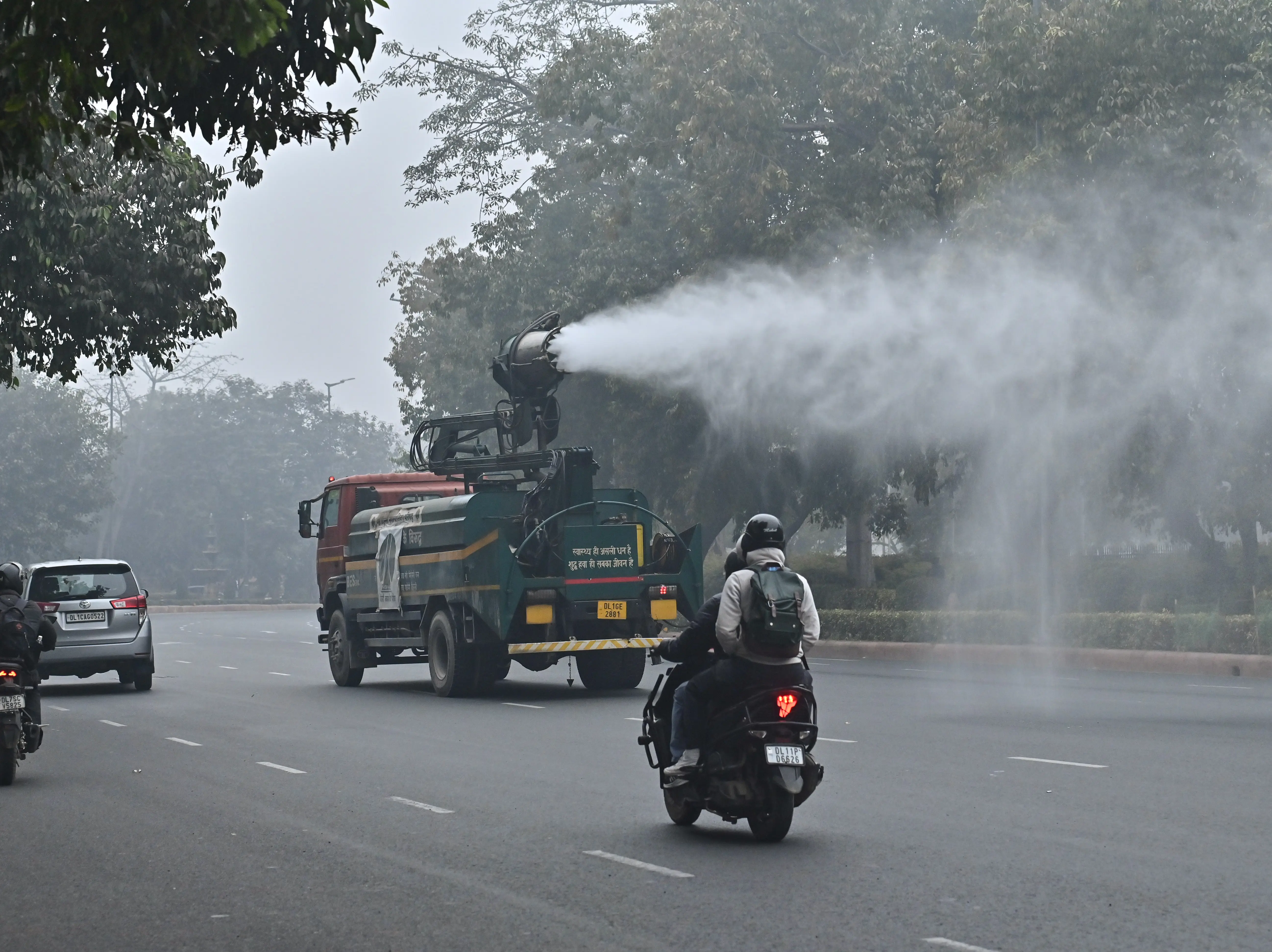
File photo: An anti-smog gun vehicle sprays water droplets to curb air pollution, in New Delhi. Photograph: (ANI)
GRAP Stage-I has been enforced in Delhi-NCR after the AQI slipped into the ‘poor’ category. Measures include dust control, anti-smog guns, stricter vehicle checks and a ban on coal-fired tandoors.
The Commission for Air Quality Management (CAQM) on Tuesday (May 19) invoked Stage I of the Graded Response Action Plan (GRAP) in Delhi-NCR after the air quality in the national capital worsened to the “poor” category. This comes as Delhi recorded a daily average Air Quality Index (AQI) of 208 on Tuesday. It added that the forecasts by the India Meteorological Department/Indian Institute of Tropical Meteorology have indicated that the air quality in the city is likely to remain in the “poor” category in the coming days.
“The Commission for Air Quality Management (CAQM) on Tuesday invoked Stage-I of the Graded Response Action Plan (GRAP) across the National Capital Region (NCR) with immediate effect after Delhi’s daily average Air Quality Index (AQI) rose to 208, falling in the ‘Poor’ category,” the Ministry of Environment, Forest and Climate Change said in a statement.
It added, “The decision was taken by the CAQM Sub-Committee on GRAP following a review of the current air quality scenario in Delhi-NCR and forecasts by IMD/IITM indicating that air quality is likely to remain in the ‘Poor’ category in the coming days.”
The CAQM said all agencies concerned in Delhi-NCR must intensify monitoring and maintain high vigilance over dust pollution, vehicular emissions and industrial activities. The Commission also urged citizens to cooperate by reducing activities that contribute to air pollution.
What’s under GRAP I measures?
Under Stage I of GRAP, dust mitigation measures are implemented, and periodic mechanised sweeping and water sprinkling on roads is conducted. It also includes no illegal waste dumping in open areas and regular lifting of municipal construction and hazardous waste from dump sites.
Trending Stories
)
)
)
)
)
)
)
&im=FitAndFill=(700,400))
)
)
)
)
)
)
)
)
)
)
)
)
)
)
)
)
)
)
)
)
)
)
)
&im=FitAndFill=(700,400))
)
&im=FitAndFill=(700,400))
)
)
)
)
)
)
)
)
Additional measures include increased deployment of anti-smog guns and stricter dust-control efforts, along with a crackdown on open burning of biomass and municipal waste. Authorities will also intensify checks on vehicle pollution norms. The plan further enforces a complete ban on the use of coal and firewood in tandoors at hotels, restaurants and roadside eateries, allowing only electric or clean fuel-based cooking systems.

