Explained | What is in India's draft Telecom Bill 2023? What are the proposed provisions?

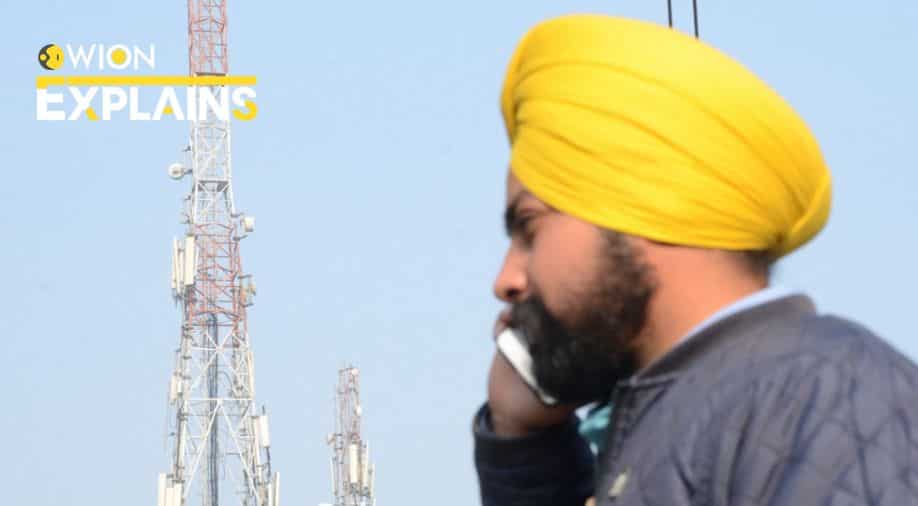
Telecom bill explained
The importance of telecommunication or communication in general cannot be overstated especially in today's connected world. Last two years have seen revolutionary changes in the way we connect with each other. What, in distant past was limited to letter writing and fixed-line telephony that was prone to disruptions, has expanded to instant messaging and all other familiar digital communication tools we use to send messages worldwide.
India is a huge market for telecom and internet companies. Tens of millions of people in this country of more than billions use means of communication on daily basis.
The telecom sector in India however, were largely governed by three laws, two of which were made in colonial times and the third in the year 1950.

The Indian government on Monday (Dec 18) introduced draft of The Telecommunications Bill, 2023 in Lok Sabha, the lower house of Parliament of India. Winter Session of the parliament is currently going on.
The Telecom Bill seeks to repeal Indian Telegraph Act (1885), Indian Wireless Telegraphy Act (1933) and The Telegraph Wire (Unlawful Possession) Act, 1950.
Indian Telecom Minister Ashwini Vaishnaw tabled the bill. The bill has hit headlines because of some of the proposed measures. Notably, the bill was introduced in Lok Sabha on a day Parliament of India suspended 78 Opposition MPs. These include MPs from both house of the parliament.
&imwidth=180&imheight=135&format=webp&quality=medium)
Viral video shows cross falling on Colombia priest, no official confirmation | WATCH
&imwidth=180&imheight=135&format=webp&quality=medium)
Rafale Marine fighter begins flight trials in Goa ahead of Indian Navy induction
&imwidth=180&imheight=135&format=webp&quality=medium)
Ranbir Kapoor apologises for Dussehra speech slip, clarifies remark at Ramayana event
&imwidth=180&imheight=135&format=webp&quality=medium)
Meta slapped with $25 billion fine in New Mexico over Facebook data practices, company plans appeal
&imwidth=180&imheight=135&format=webp&quality=medium)
WATCH: Woman IPS officer fires several rounds of AK-47, ignites debate online
&imwidth=180&imheight=135&format=webp&quality=medium)
WATCH | Mysterious haze grips Ohio city as toxic chemical leak forces mass evacuation – What is happening?
&imwidth=180&imheight=135&format=webp&quality=medium)
EU probes Booking.com under Digital Services Act
&imwidth=180&imheight=135&format=webp&quality=medium)
Pakistan signs another defence pact even as Makkah Alliance shows no teeth. This time, it's with Qatar, Indonesia, Turkey
&imwidth=180&imheight=135&format=webp&quality=medium)
Ilhan Omar breaks silence over alleged marriage to her brother; Trump thinks it's 'really good answer'
&imwidth=180&imheight=135&format=webp&quality=medium)
US-Iran war: Bibi, Trump gamble on new Iran war to save themselves in polls
&imwidth=180&imheight=135&format=webp&quality=medium)
From Agni-V to Project Kusha: How are India’s indigenous missile systems and defence shield reshaping modern warfare
&imwidth=180&imheight=135&format=webp&quality=medium)
Will Rohit and Kohli play ODI World Cup 2027? BCCI president Manhas says board 'not in a position to comment'
&imwidth=180&imheight=135&format=webp&quality=medium)
Why websites around the world are suddenly going offline? What you need to know about PHP
&imwidth=180&imheight=135&format=webp&quality=medium)
US midterms 2026: What polls and prediction markets indicate about Congress
&imwidth=180&imheight=135&format=webp&quality=medium)
'You are a dummy, you are a stupid person': Trump loses temper with CNN, ABC reporters after questions about Russia sanctions
&imwidth=180&imheight=135&format=webp&quality=medium)
China's dancing robot turns violent bodyguard, lifts cars and fights intruders - Watch
&imwidth=180&imheight=135&format=webp&quality=medium)
16-foot doomsday fish in Chile triggers fears that the next earthquake is coming
&imwidth=180&imheight=135&format=webp&quality=medium)
Are the US and Israel preparing for another major attack on Iran? Here's what report claims
&imwidth=180&imheight=135&format=webp&quality=medium)
Priyanka Chopra celebrates Dussehra 2026 with Nick Jonas and daughter Malti Marie | See pics
&im=FitAndFill=(700,400)&imwidth=180&imheight=135&format=webp&quality=medium)
New OTT releases this week (October 19-25, 2026): Gajab Raat to Chaar Yaar-8 titles to watch during Dussehra week on Netflix, Prime Video and more
&imwidth=180&imheight=135&format=webp&quality=medium)
‘I caution the president...’: Trump’s ex-press secretary warns after Zacharia’s exit
&imwidth=180&imheight=135&format=webp&quality=medium)
'Father of all bombs' vs 'mother of all bombs': Iran threatens US with new weapon as Trump hints at MOAB strike
&imwidth=180&imheight=135&format=webp&quality=medium)
Diljit Dosanjh's Oct 30 Delhi show hits roadblock, Delhi Police denies permission
&imwidth=180&imheight=135&format=webp&quality=medium)
Australia police arrest former national 100m champ Jake Doran for alleged child abuse
&imwidth=180&imheight=135&format=webp&quality=medium)
'Gyanu must go': CJP's Saurav Das, Ashutosh Ranka after release, despite Jantar Mantar protest undertaking
&imwidth=180&imheight=135&format=webp&quality=medium)
Kolkata airport: CISF detects ₹1.13 crore in US dollars hidden in bags of 2 Bangkok-bound passengers
&imwidth=180&imheight=135&format=webp&quality=medium)
Feds obtain DNA evidence that could prove Ilhan Omar married her brother: Report
&imwidth=180&imheight=135&format=webp&quality=medium)
US midterms 2026: Trump's approval rating hits record low as Democrats gain ground
What is the Telecom Bill? What is it proposing?
The draft bill seeks to create a legal and regulatory framework for safe telecom network
There is a proposal in the draft to remove communication platforms like WhatsApp, Telegram etc., from the purview of the bill.
An earlier draft had recommended otherwise.
The bill seeks to give the government power to suspend, take control of, or manage any telecommunication service, network in case of a public emergency or over matters of national security.
"On the occurrence of any public emergency, including disaster management, or in the interest of public safety, the Central Government or a State Government or any officer specially authorised in this behalf by the Central Government or a State Government, if satisfied that is necessary or expedient so to do, by notification-- (a) take temporary possession of any telecommunication service or telecommunication network from any authorised entity; or (b) provide for appropriate mechanism to ensure that messages of a user or group of users authorised for response and recovery during public emergency are routed on priority," the bill reads.
Also Read | India: Telecom Bill tabled in Lok Sabha lets govt take over mobile network for ‘national security’
The bill also has provision whereby anyone attempting to intercept phone communications illegally, trying to carry out unauthorised data transfer or trying to gain illegal access to a telecommunications network will be sent to jail for up to three years. A fine of upto Rs 2 crore (about USD 249,000) may also be imposed.
The bill also proposes that government be given power to take steps such as entry fee waiver, license fee, penalty etc., in order to ensure there is competition in the telecom sector.
The draft seeks to remove OTT apps from the definition of telecommunication.
According to various media reports effect of implementation of some of the provisions of the Telecom Bill, if it becomes an act, will result in restriction of some of the powers of Telecom Regulatory Authority of India (TRAI).
The Telecom Bill also has provisions aimed at easing some rules related to license fee refund, registration fee refund and more in case a company surrenders its permit.
Also Read | India: High-level committee on 'One Nation, One Election' to assess progress
The bill is seeking to create framework for telecom network by right of way provisions and establishing common ducts.
The draft bill has also proposed that the government should be given the right to administratively allocate satellite spectrum. Till now, telecom companies have taken part in auctions and have presented bids to win the spectrum.
Are there any concerns about provisions in draft Telecom Bill?
Governments have previously taken steps such as suspending internet services in areas marred by violence till peaceful conditions prevail. This step in itself has been topic of debate.
But now the draft Telecom Bill proposes to empower government to "take temporary possession" of the network. Experts have been quoted in media reports saying that government should clarify what is 'possession' and how would be the 'temporary' period be defined.
Watch | India’s External Affairs Minister Jaishankar to travel to Russia, will meet Russian counterpart
Critics of the legislation have accused that bill will result in TRAI becoming just a rubber stamp, as the bill considerably dilutes the regulator's powers.
The draft also seeks to allow appointment of private sector corporate executives for the role of TRAI chairperson. This provision may possibly start a debate.
The draft says such an executive may be appointed "if such person has at least thirty years of professional experience and has served as a member of the board of directors or a chief executive of a company in certain areas".
Another issue is that of spectrum allocation. Private telecom companies are divided on this matter.
During TRAI's consultation process in June this year Elon Musk's Starlink, Amazon's Project Kuiper, India's Tata Group opposed allocation of satellite spectrum through auction. Meanwhile, Bharti Airtel and Reliance Jio supported spectrum auctions.
(With inputs from agencies)