

&imwidth=800&imheight=600&format=webp&quality=medium "Eight Indian vessels transit Hormuz, among highest numbers for any country since the war started")
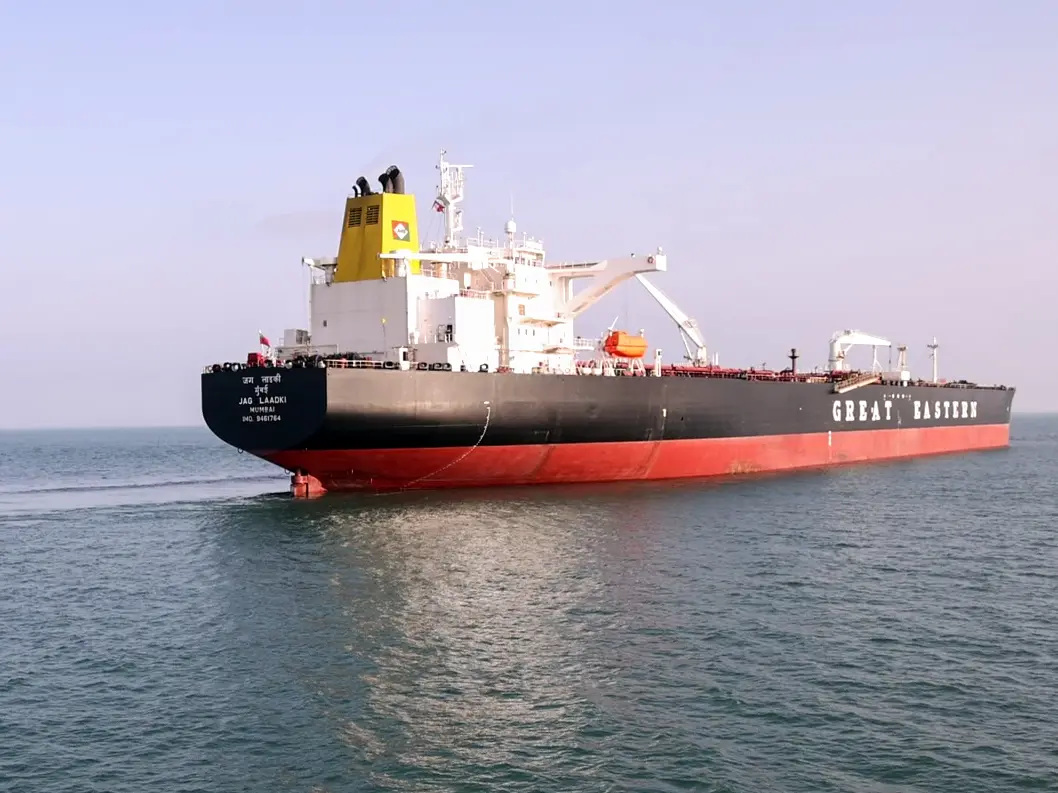
Eight Indian ships have successfully crossed the Strait of Hormuz since the conflict in West Asia began on 28 February, placing India among the countries with the highest number of vessels navigating the war-affected waterway.
The narrow strait between Iran and Oman remains a critical global energy route, carrying much of the world's oil and gas supplies. Traffic has fallen sharply since the war broke out, directly impacting the movement through the Hormuz. However, a limited number of vessels from certain nations have been allowed through, often after diplomatic contacts with Tehran.
The eight Indian ships that have transited include LPG carriers Shivalik, Nanda Devi, Pine Gas, Jag Vasant, Green Sanvi, BW Tyr and BW Elm, as well as the crude oil tanker Jag Laadki. These vessels carried vital cargoes of liquefied petroleum gas (LPG) for cooking and other energy supplies destined for Indian ports such as Mundra, Kandla, Mumbai and New Mangalore. Earlier transits involved Shivalik and Nanda Devi, which delivered around 92,000 tonnes of LPG. They were followed by Jag Vasant and Pine Gas with another 92,600 tonnes, and later by BW Tyr and BW Elm carrying approximately 94,000 tonnes combined.
India has relied on direct talks with Iran and practical maritime measures to secure these passages. The Indian Navy has played a quiet but important supporting role through Operation Urja Suraksha (Energy Security). The Navy has deployed several frontline warships, including destroyers and frigates, in the Gulf of Oman near the exit of the strait.
While Indian naval vessels have not entered the strait itself, they provide real-time guidance, monitoring and escort once merchant ships clear the narrow passage, helping ensure the safety of Indian seafarers and cargoes. All crew members on the transiting vessels have remained safe.
These successful transits have helped ease immediate pressure on India's energy supplies, though many more Indian-flagged vessels remain stranded in the Persian Gulf. New Delhi continues diplomatic efforts to secure safe passage for the remaining ships.
Trending Stories
&imwidth=180&imheight=135&format=webp&quality=medium)
Rahul Gandhi's plea against Election Commission delayed as Supreme Court registry flags 14 ‘defects’
&im=FitAndFill=(700,400)&imwidth=180&imheight=135&format=webp&quality=medium)
Navratri 2026: 9 days, 9 forms of Goddess Durga and 9 colours- Check the complete list
&imwidth=180&imheight=135&format=webp&quality=medium)
Korean peninsula tensions escalate as North Korea launches multiple ballistic missiles, PACOM says 'no threat to US personnel'
&imwidth=180&imheight=135&format=webp&quality=medium)
Trump weighs firing Kimberly Guilfoyle as US ambassador to Greece amid misconduct allegations: Report
&imwidth=180&imheight=135&format=webp&quality=medium)
Anti-SIR protest in Mumbai: Protestors wear black masks & ribbons in Mumbai
&imwidth=180&imheight=135&format=webp&quality=medium)
UK PM Andy Birnham renews claims of Russian meddling in Brexit vote
&imwidth=180&imheight=135&format=webp&quality=medium)
BCCI rejects venue shift reports, India vs Sri Lanka 1st ODI to remain in Delhi
&imwidth=180&imheight=135&format=webp&quality=medium)
'Absolutely disgusting': Australia slams US plan to livestream Nidal Hasan's execution; Mike Johnson raises concerns, warns of terrorist propaganda
&imwidth=180&imheight=135&format=webp&quality=medium)
1,500 drones illuminate Mumbai sky as Cordelia Cruises unveils second ship, Cordelia Sky
&imwidth=180&imheight=135&format=webp&quality=medium)
Houthis warns US of 'painful response' if Washington joins Saudi war in Yemen as airlines suspend flights to Saudi Arabia
&imwidth=180&imheight=135&format=webp&quality=medium)
India Rejects Pakistan-China Boundary Commission, Tells Islamabad to Drop 'Theatrics' | GRAVITAS
&imwidth=180&imheight=135&format=webp&quality=medium)
Congress demands action against chief election commissioner
&imwidth=180&imheight=135&format=webp&quality=medium)
Apple HomeView smart home hub may launch soon with A18 chip, display and Siri controls: What to expect
&imwidth=180&imheight=135&format=webp&quality=medium)
'Turn approver, resign, we'll forgive you': Rahul Gandhi claims receiving messages from CEC Gyanesh Kumar
&imwidth=180&imheight=135&format=webp&quality=medium)
'I will not be silenced': Ilhan Omar alleges political intimidation after federal officers search her Washington home
&imwidth=180&imheight=135&format=webp&quality=medium)
Robotic surgery, advanced treatment: What is coming to this small Gujarat town?
&imwidth=180&imheight=135&format=webp&quality=medium)
Pakistan's government blames PTI for rise of terrorism in Khyber Pakhtunkhwa
&imwidth=180&imheight=135&format=webp&quality=medium)
‘This is just the start’: Maaya Rajeshwaran on historic ITF title, confidence boost and future goals
&im=FitAndFill=(700,400)&imwidth=180&imheight=135&format=webp&quality=medium)
How does a robot decide what to do next?
&imwidth=180&imheight=135&format=webp&quality=medium)
Trump says he 'may' meet North Korean leader Kim Jong Un during upcoming Asia trip
&imwidth=180&imheight=135&format=webp&quality=medium)
'Ouch!!! That must hurt': Kangana Ranaut hails Kamal Haasan's sharp reply to Elon Musk over Starlink row
&imwidth=180&imheight=135&format=webp&quality=medium)
Sidhu Moose Wala’s younger brother wins hearts by recreating late singer’s signature move at Toronto Hologram Show
&imwidth=180&imheight=135&format=webp&quality=medium)
Girl 'dead' for 8 hours wakes up at her own funeral, dad insists she wasn't breathing
&imwidth=180&imheight=135&format=webp&quality=medium)
UK school ditches technology, shifts from screen to pen and paper for learning
&imwidth=180&imheight=135&format=webp&quality=medium)
Opposition’s 10 demands in Supreme Court petition range from stay on SIR to audit of voter rolls
&imwidth=180&imheight=135&format=webp&quality=medium)
'I am thoroughly unamused': Judge slams Trump administration after 400 trees cut at Washington golf course
&imwidth=180&imheight=135&format=webp&quality=medium)
Portugal Federation confirms Cristiano Ronaldo’s return to national team despite suspension
&im=FitAndFill=(700,400)&imwidth=180&imheight=135&format=webp&quality=medium)
New OTT releases this week (October 12-18, 2026): Sacrifice, Koffee with Karan S9, Roadies Rebirth- 6 titles coming on Netflix, JioHotstar and more
&imwidth=180&imheight=135&format=webp&quality=medium)
India's Ajit Doval, Iran's Mohsen Rezaei hold talks amid escalating West Asia tensions, discuss 'issues of mutual interest'
&imwidth=180&imheight=135&format=webp&quality=medium)
'Almost certainly': UK Prime Minister Andy Burnham says Iran's IRGC behind RAF Fairford threat
&imwidth=180&imheight=135&format=webp&quality=medium)
Elon Musk pumps $276 million into Republican campaigns ahead of US midterm elections
Other countries have also seen success. China has had multiple vessels transit, including container ships such as CSCL Indian Ocean and CSCL Arctic Ocean, after initial setbacks. Greek-owned tankers have recorded a high number of crossings. A Liberia-flagged crude oil tanker, Shenlong Suezmax, was among the early vessels to reach India carrying Saudi crude.
Ships linked to Bangladesh, Philippine, Malaysia, Thailand, Pakistan, Russia, France, Japan and other nations have been able to pass or are in the process of passing Hormuz after coordination with Iranian authorities.
