Delhi govt’s draft EV Policy bans petrol 2-wheelers from 2028, waives 100% road tax for electric vehicles

&imwidth=600&imheight=450&format=webp&quality=medium "Delhi govt’s draft EV Policy bans petrol 2-wheelers from 2028, waives 100% road tax for electric vehicles")
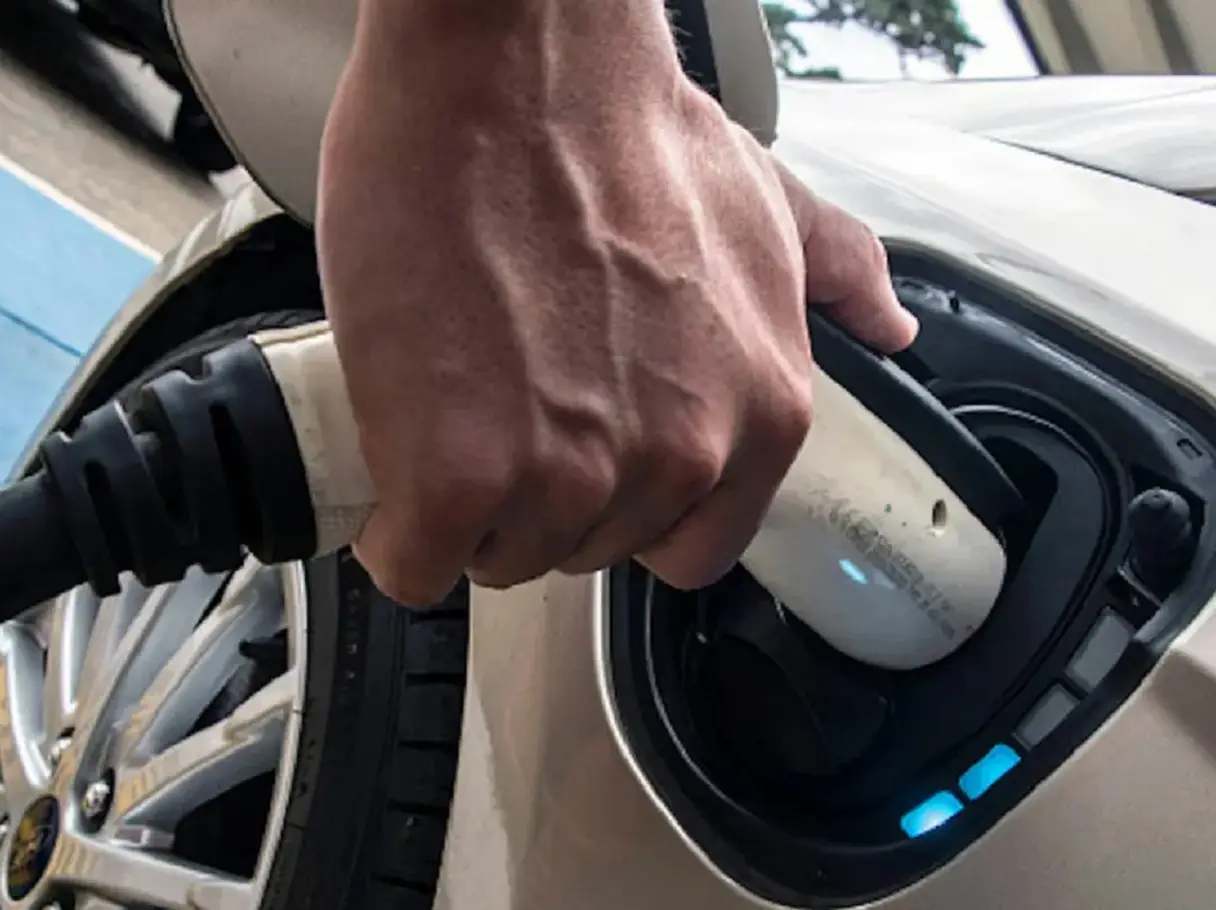
The draft Electric Vehicle Policy 2026–2030 policy is linked to the Right to Clean Air under Article 21 Photograph: (AFP)
The draft Electric Vehicle Policy 2026–2030 offers incentives like a 100% road tax waiver for electric cars and stresses on expanding the charging infrastructure to encourage a gradual transition from petrol and diesel vehicles. The policy is linked to the Right to Clean Air under Article 21.
The Delhi government’s draft Electric Vehicle (EV) Policy 2026–2030, unveiled on Saturday, presents a roadmap to curb air pollution by proposing bans on petrol vehicles and incentives to speed up the shift to electric mobility in the national capital. The draft, issued by the EV Cell of the Transport Department, has been placed in the public domain for 30 days and seeks feedback from experts and citizens before finalisation. The policy aims to reduce vehicular emissions, a key contributor to Delhi’s air pollution that becomes severe during winter smog. Since vehicular emissions contribute nearly 23% of the city’s air pollution, the policy focuses on fast-tracking the shift to electric vehicles and strengthening the ecosystem to support their widespread adoption.
The draft lays down clear electrification and phase-out deadlines for key vehicle segments. From January 1, 2027, only electric three-wheelers will be permitted for new registration in Delhi. This will be followed by a full transition for two-wheelers, with only electric models allowed from April 1, 2028, while from January 1, 2027, only electric three-wheelers will be allowed for new registrations.
Also Read: ‘US loading warships’: Trump warns of renewed strikes if Iran does not comply in peace talks
The draft also offers incentives like a 100% road tax waiver for electric cars and stresses expanding the charging infrastructure to encourage a gradual transition from petrol and diesel vehicles.
The policy is linked to the Right to Clean Air under Article 21, highlighting a stronger push to improve air quality in the capital.
Full tax exemption for affordable EV cars
Trending Stories
)
&im=FitAndFill=(700,400))
)
)
)
)
)
)
)
)
)
)
&im=FitAndFill=(700,400))
)
)
)
)
)
)
)
)
)
)
)
)
)
)
)
)
)
)
&im=FitAndFill=(700,400))
)
)
)
)
)
)
)
)
)
Electric cars priced up to Rs 30 lakh will get 100% exemption on road tax and registration fees until March 31, 2030. V The draft also proposes a 50% exemption for strong hybrid vehicles.
The government has also listed out incentives for two-wheelers, but to be eligible for them, the ex-factory price of an electric two-wheeler must not exceed Rs 2.25 lakh. In the first year from the date of notification, buyers will receive Rs 10,000 per kWh, capped at Rs 30,000. This incentive reduces to Rs 6,600 per kWh (up to Rs 20,000) in the second year and further to Rs 3,300 per kWh (up to Rs 10,000) in the third year.
Phased electrification of school bus fleets
The draft also proposes phased electrification of all school bus fleets, whether owned, leased, or hired. It proposes 10% electric buses within 2 years, 20% within 3 years and 30% by March 31, 2030.
It also mandates electrification of government fleets and says all vehicles under the Delhi government will be only electric from the date of policy notification, except exempted categories.
New buses inducted by the Transport Department and DTC will also be electric, with provisions for cleaner alternatives like hydrogen if introduced.
Additionally, all new N1 category trucks procured by government bodies and civic agencies will be only electric.
Restrictions on fleet aggregators
Fleet aggregators and delivery service providers will not be allowed to induct new petrol or diesel vehicles after notified timelines, with limited exceptions for certain categories till December 2026.
Besides, no new internal combustion engine vehicles will be allowed in aggregator-based operations, including two-wheelers and light goods vehicles up to 3.5 tonnes, from January 1, 2026, while existing BS-VI two-wheelers in such fleets will be permitted only until December 31, 2026.
EV charging and swapping infrastructure
Land-owning agencies will identify sites for public charging and battery swapping stations. The policy also mandates all new buildings and infrastructure projects to be EV charging-ready. Delhi Transco Limited will handle planning, deployment, and reliability of charging networks
A separate EV Fund will be set up under the Transport Department to finance implementation. Moreover, a committee led by the Transport Minister will oversee implementation of the policy and management of the EV Fund.
All approvals, applications, disbursements, and grievance redressal will be conducted in a paperless digital format.
The government has also invited public feedback for the proposed reforms.
Earlier this year, on March 20, CM Rekha Gupta flagged off 300 new electric buses and announced the launch of interstate bus services connecting Delhi with Ghaziabad.