Delhi records coldest January morning in 3 years as mercury dips to 2.9°C, AQI remains very poor

&imwidth=600&imheight=450&format=webp&quality=medium "Delhi records coldest January morning in 3 years as mercury dips to 2.9°C, AQI remains very poor")
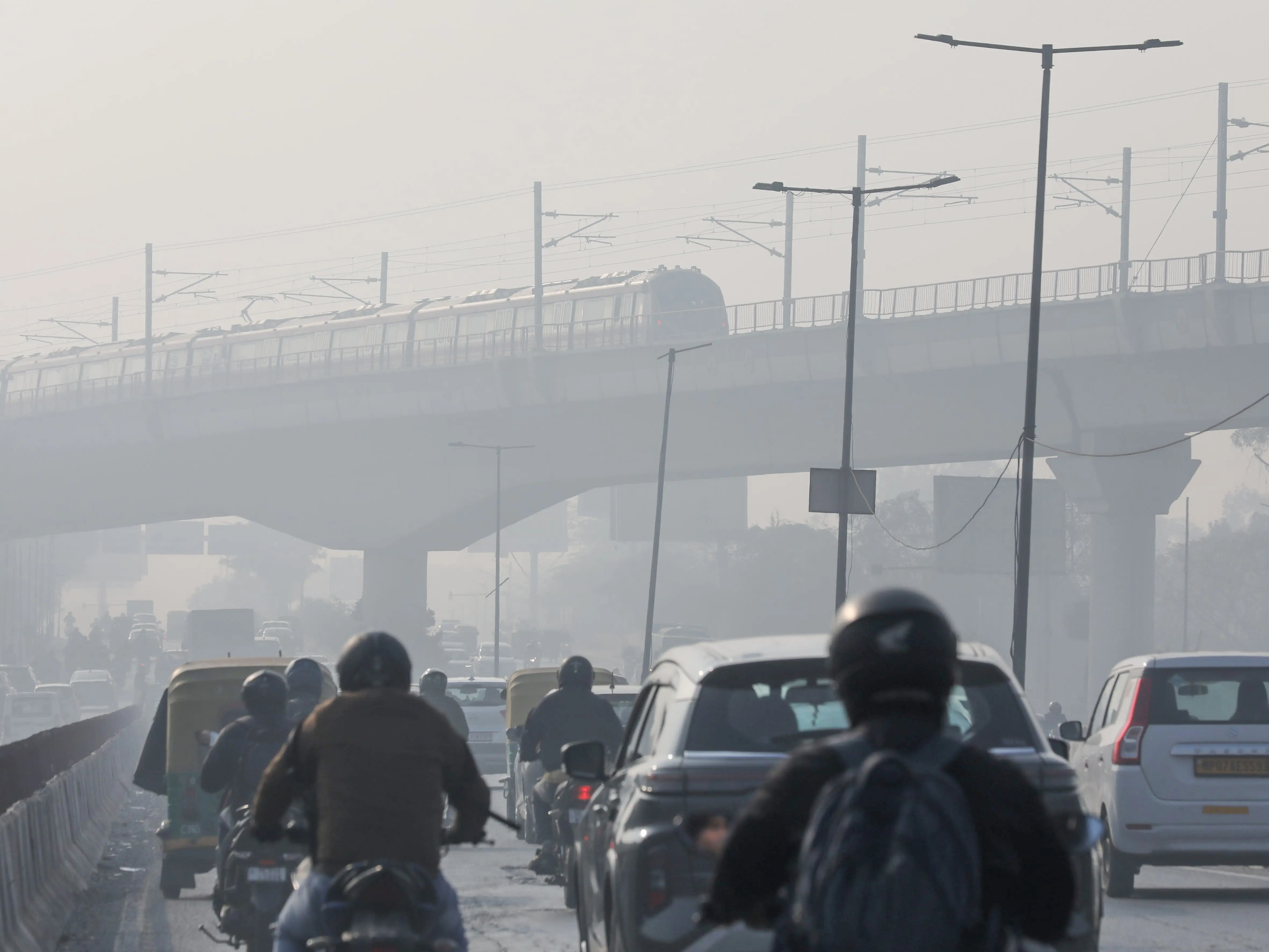
People commute on their vehicles amid smog on a cold winter morning, in New Delhi. Photograph: (ANI)
Temperatures across all Delhi weather stations remained well below normal, indicating the continued grip of cold wave conditions. The national capital has been experiencing a cold wave for the past four days, with similar conditions likely to persist through Friday.
Delhi recorded its coldest morning of the season on Thursday (January 15, 2026). The main weather station of the national capital, Safdarjung, recorded its lowest January minimum since 2023 at 2.9 degrees Celsius. On January 16, 2023, the minimum temperature had fallen to 1.4 degrees Celsius.
Palam recorded a minimum temperature of 2.3 degrees Celsius, while Lodhi Road registered 3.4 degrees Celsius. The Ridge station saw the mercury dip to 4.5 degrees Celsius, and Ayanagar logged a low of 2.7 degrees Celsius. The minimum temperature at Palam was the lowest recorded there since 2010. The previous second-lowest was on January 7, 2013, when temperatures had fallen to 2.6 degrees Celsius, according to a report by the news agency PTI.
Temperatures across all Delhi weather stations remained well below normal, indicating the continued grip of cold wave conditions. The national capital has been experiencing a cold wave for the past four days, with similar conditions likely to persist through Friday.
The maximum temperature on Thursday is expected to remain around 21 degrees Celsius. Meanwhile, Delhi’s air quality stayed in the ‘very poor’ category, with the Air Quality Index recorded at 349, according to data from the Central Pollution Control Board.
As per CPCB standards, an AQI between 0 and 50 is classified as ‘good’, 51–100 ‘satisfactory’, 101–200 ‘moderate’, 201–300 ‘poor’, 301–400 ‘very poor’, and 401–500 ‘severe’.
IMD warns of moderate to dense fog
Trending Stories
&im=FitAndFill=(700,400)&imwidth=280&imheight=210&format=webp&quality=medium)
&imwidth=280&imheight=210&format=webp&quality=medium)
&imwidth=280&imheight=210&format=webp&quality=medium)
&imwidth=280&imheight=210&format=webp&quality=medium)
&imwidth=280&imheight=210&format=webp&quality=medium)
&imwidth=280&imheight=210&format=webp&quality=medium)
&imwidth=280&imheight=210&format=webp&quality=medium)
&imwidth=280&imheight=210&format=webp&quality=medium)
&imwidth=280&imheight=210&format=webp&quality=medium)
&imwidth=280&imheight=210&format=webp&quality=medium)
&imwidth=280&imheight=210&format=webp&quality=medium)
&imwidth=280&imheight=210&format=webp&quality=medium)
&imwidth=280&imheight=210&format=webp&quality=medium)
&imwidth=280&imheight=210&format=webp&quality=medium)
&imwidth=280&imheight=210&format=webp&quality=medium)
&imwidth=280&imheight=210&format=webp&quality=medium)
&imwidth=280&imheight=210&format=webp&quality=medium)
&imwidth=280&imheight=210&format=webp&quality=medium)
&imwidth=280&imheight=210&format=webp&quality=medium)
&imwidth=280&imheight=210&format=webp&quality=medium)
&imwidth=280&imheight=210&format=webp&quality=medium)
&imwidth=280&imheight=210&format=webp&quality=medium)
&imwidth=280&imheight=210&format=webp&quality=medium)
&imwidth=280&imheight=210&format=webp&quality=medium)
&imwidth=280&imheight=210&format=webp&quality=medium)
&imwidth=280&imheight=210&format=webp&quality=medium)
&imwidth=280&imheight=210&format=webp&quality=medium)
&im=FitAndFill=(700,400)&imwidth=280&imheight=210&format=webp&quality=medium)
&im=FitAndFill=(700,400)&imwidth=280&imheight=210&format=webp&quality=medium)
&imwidth=280&imheight=210&format=webp&quality=medium)
&imwidth=280&imheight=210&format=webp&quality=medium)
&imwidth=280&imheight=210&format=webp&quality=medium)
&imwidth=280&imheight=210&format=webp&quality=medium)
&imwidth=280&imheight=210&format=webp&quality=medium)
&im=FitAndFill=(700,400)&imwidth=280&imheight=210&format=webp&quality=medium)
&imwidth=280&imheight=210&format=webp&quality=medium)
The India Meteorological Department (IMD) has warned of moderate to dense fog over Delhi for the next two hours in its district-level nowcast. It has been cautioned that visibility at multiple places could fall below 50 metres. Officials stated that fog conditions could intensify after 7 am, and further, it could affect road, rail and air movement.
Meanwhile, the air quality remained a major concern for the national capital as Delhi’s overall Air Quality Index (AQI) was recorded at 356, firmly placing it in the very poor category. Data from monitoring stations across the city indicated alarming levels of pollution, with most areas reporting AQI values more than 300.

