China miffed at India's usage of Sanskrit phrase 'Vasudhaiva Kutumbkam' in G20 papers


Chinese flag Representative
China appears to be miffed at India for theinclusion of 'Vasudhaiva Kutumbakam' (The world is one family) - a Sanskrit phrase as the theme for India's G20 presidency, according to an Economic Times report.
The publication noted that China opposed the phrase and its use in the official documents during last month'sG20 Energy Ministerial Meeting as well as several other similar G20 documents, primarily because Sanskrit was not one of the six official languages recognised by the United Nations.
"ET gathers that China argued that the G20 documents could not use the term 'Vasudhaiva Kutumbakam' in the official text as it is in Sanskrit, which is not one of the six official languages recognised by the United Nations," the report said.

While China argued against the usage, most participating nations sided with India as deciding the theme of the G20 events remains theprerogative of the presidency and the host nation.
Eventually, the final G20 document -Outcome Document and Chair's Summary for Energy transition, only carried the English translation of the concept ofVasudhaiva Kutumbakam but was retained in the logo/letterhead of each document.
"We, the G20 Energy Ministers, met under India's G20 Presidency, with the theme 'One Earth, One Family, One Future' in Goa, India, on 22 July 2023."
)
'She married her brother': Ilhan Omar faces criminal probe over immigration fraud claims
)
Bitter Zelensky snubs Trump for playing politics with Ukraine war | Gravitas
)
India’s imports from Russia jump 57% in five months; China remains top import source
&im=FitAndFill=(700,400))
Why European Meteor missiles use ramjet engines compared to standard US solid rockets
)
‘US military task force aiding Saudi Arabia forces with intel, planning support’: Official
)
Top military commanders from US, Israel, and 7 Arab nations held secret meeting on Iran War
)
A big shift in modern air power & control
)
'Definitely feel bad for yourself': Kuldeep Yadav opens up on India Test snubs
)
Delhi schools receive bomb threats in Punjabi, security checks find nothing suspicious
)
China's property crisis deepens as investment plunges nearly 20%
)
What is Hyrox, in news for athlete who soiled herself, but kept running and using common equipment?
)
‘We are sharing some difficult news’: Oracle begins fresh round of job cuts
)
800 million years old - Scientists discover 'fingerprints' of supercontinent Gondwana in ancient rocks
)
Russia proposes to build 360 kmph Ivolga FG trains in India: What happened on sidelines of BRICS
)
Saudi turns to Israel for intelligence help as Houthi attacks intensify: Report
)
Trump's name cannot return to Kennedy Center, US judge rules
)
Amid AI safety fears, OpenAI, Anthropic and Google move to create standards body
)
2026 El Niño will create new extreme weather patterns. Worse, no one can predict them
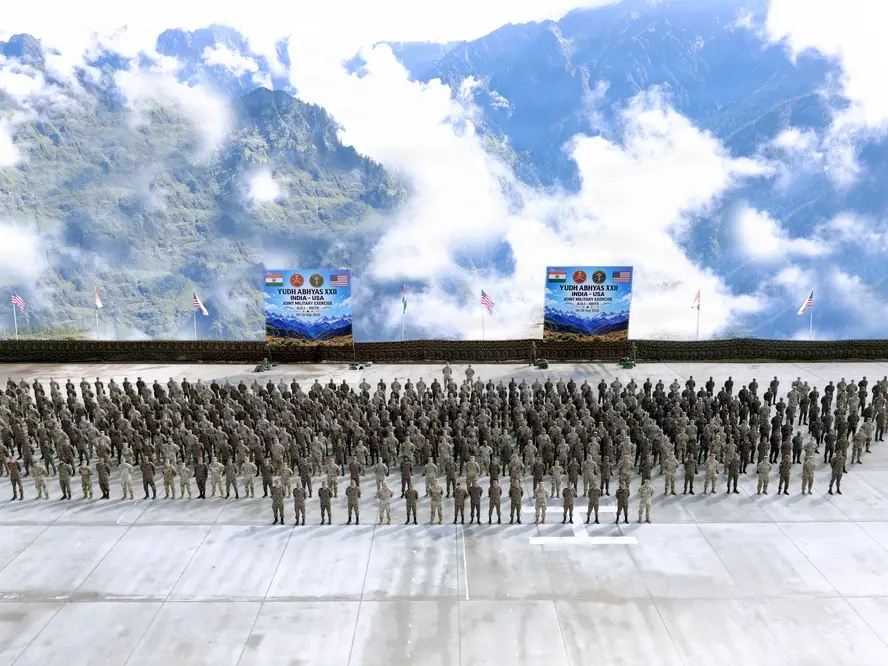)
1,200 Indian and US troops begin high-altitude and desert drills
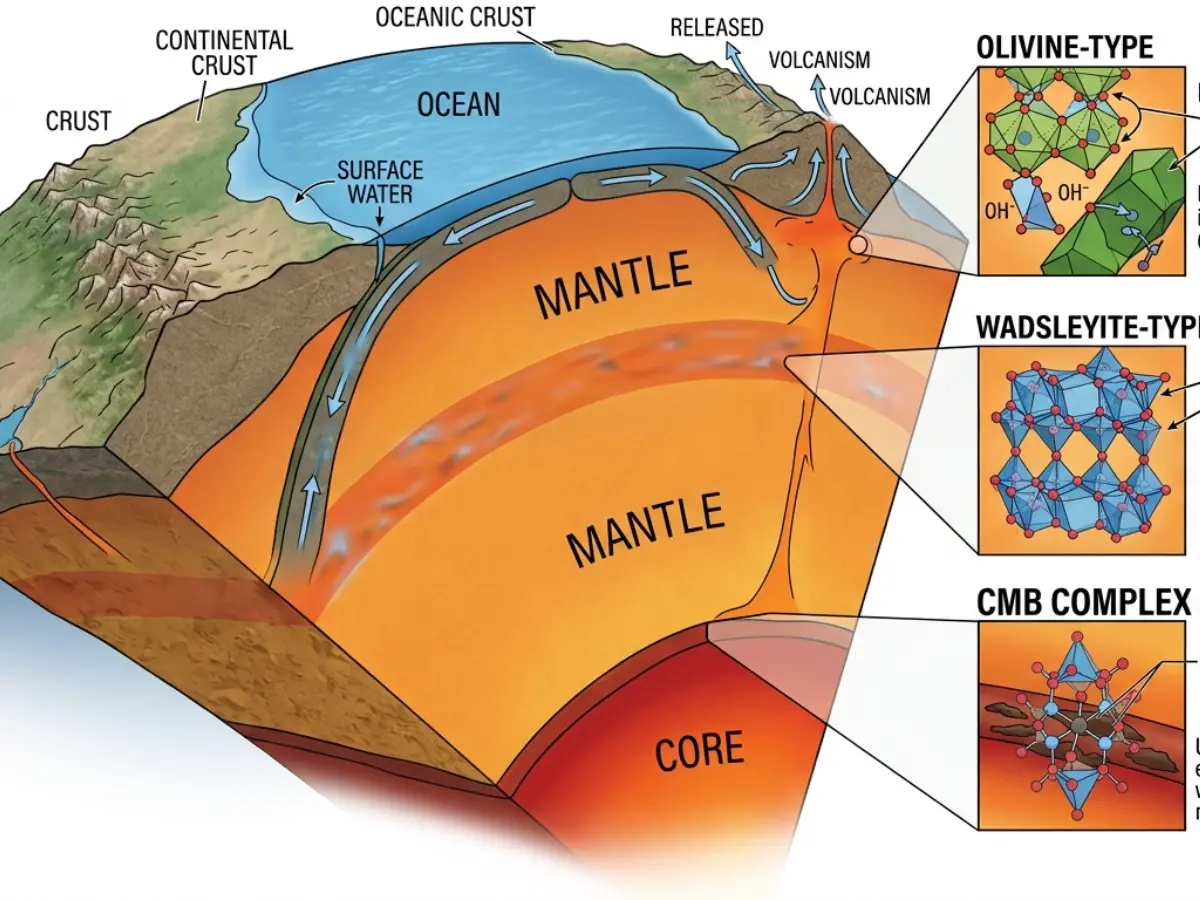)
Water equivalent to two Pacific Oceans could be stashed 2,900 km inside Earth
)
Ex-CIA officer caught with gold bars worth $40 million seeks plea deal | Gravitas
)
Imran Khan’s sons accuse Asim Munir of holding ‘personal grudge’ against imprisoned father
&im=FitAndFill=(700,400))
New OTT releases this week (September 14-20, 2026): Lust Stories 3, Waiting Hai, Irumudi- 5 new titles coming on Netflix, Prime Video and more
)
US Treasury yields cross 5% as Scott Bessent warns of ‘global issues’ impacting bonds
)
Who is Kalyan Bainsla, accused in the Gurugram hit-and-run case involving woman biker?
)
Saudi Arabia discovers 110 million tonnes of Uranium-rich ore in Madinah region
)
'Now Trump is copying us': Shivakumar links US $5,000 plan to Congress guarantees
)
Elephants hide behind trees, stage surprise attack on poachers targeting rhinos in South Africa
)
West Bengal IPS officer Bushra Bano transferred after objections to ‘Assalamualaikum’, ‘Inshallah’
)
Trump downplays China's alleged 'help' to Iran in strike on Jordan base | Gravitas
)
Spanish officer sent home from NATO base over affair with 'Russian spy' | Gravitas
)
IND vs AFG, 2nd T20I: Reddy, Samson shine as India defeat Afghanistan by 7 wickets to clinch series
)
Legendary costume designer Bob Mackie dies at 87: A look back at his iconic legacy
)
Extreme warming in Indian Ocean added 695 billion tons of ice to Antarctica ice sheet
The Ministry of External Affairs is yet to officially comment on the issue but government insiders confirmed to ET that the Chinese side had expressed its reservations on the issue.
India's theme for G20
After India gained the presidency of G20 in December last year, Prime Minister Narendra Modi announced the theme, which appears to be in line with the largely inclusive approach he has taken on global platforms.
“India's G20 Presidency will work to promote this universal sense of one-ness. Hence our theme - 'One Earth, One Family, One Future'," said PM Modi at the time, adding that the phrase, originating from the Maha Upanishad, affirms the value of all life - human, animal, plant, and microorganisms - and their interconnectedness on the planet Earth and in the wider universe.
WATCH |India's G20 Presidency: Weaving inclusive growth
What happened in Goa?
Notably, the G20 bloc failed to reach a consensus on trebling of renewable energy deployment, phasing down of fossil fuels and plans to finance transition duringlast month's meeting.
Instead of a joint communique, released when there is complete agreement between member nations on all issues, the bloc published an outcome statement and a chair summary.
Union Minister for Power and Renewable Energy RK Singh, in a statement released after the meeting, without naming the countries, said some nations wanted to use carbon capture instead of a phase-down of fossil fuels.
Notably, China, Saudi Arabia, Russia, South Africa and Indonesia are all known to oppose the goal of tripling renewable energy capacity this decade.
(With inputs from agencies)
WATCH WION LIVE HERE: