Can the government force-feed Sonam Wangchuk like it did Irom Sharmila? Here's what the law says about hunger strikes | WION Decodes

&imwidth=600&imheight=450&format=webp&quality=medium "Can the government force-feed Sonam Wangchuk like it did Irom Sharmila? Here's what the law says about hunger strikes | WION Decodes")
Environmentalist Sonam Wangchuk on the 18th day of his indefinite hunger strike as part of the Cockroach Janata Party's (CJP) protest, demanding the Union Education Minister Dharmendra Pradhan's resignation Photograph: (ANI)
As Sonam Wangchuk's hunger strike entered its 20th day, the Delhi High Court ordered daily medical monitoring but stopped short of authorising force-feeding, for now. Can he be forced to eat? What Supreme Court past judgments tell us. WION Decodes.
Sonam Wangchuk continues to dominate the headlines today (Jul 17) as his Anshan (fast unto death) enters day 20. As the climate activist's hunger strike crosses the critical 20-day mark, doctors are warning of imminent organ damage. The escalating crisis raises an uncomfortable, historical question: Can the government legally force-feed a protester?
Ten years ago, the answer seemed simple. For nearly 16 years, Manipuri activist Irom Sharmila was repeatedly arrested and kept alive through a nasogastric tube inserted into her nose to break her protest against the Armed Forces (Special Powers) Act (AFSPA). But on Thursday (July 16, 2026), the Delhi High Court ordered daily medical monitoring for Wangchuk while stopping short of ordering force-feeding. Today, India’s legal framework has fundamentally shifted.
The Delhi High Court's order suggests it isn't that straightforward anymore. If a person's life is at risk, can the government legally force them to eat? The answer is more complicated than a simple yes or no. What does the law say? Let's Decode.
Saving a life isn't the same as ending a protest
Over the years, courts have steadily moved away from treating hunger strikes as something the state must immediately break. The focus today is different. Keep the person alive, yes. But don't crush the protest in the process.
Trending Stories
)
)
)
)
)
)
)
)
)
)
)
)
)
)
)
)
)
)
&im=FitAndFill=(700,400))
)
)
)
&im=FitAndFill=(700,400))
)
&im=FitAndFill=(700,400))
&im=FitAndFill=(700,400))
)
The petition before the Delhi High Court wasn't really about the demands Wangchuk is making. It was about what the government should do now that his health is worsening.
The judges recorded the Centre's assurance that government doctors were already examining him every day. They directed that this should continue and that doctors should intervene medically whenever necessary. What was striking was what the order left unsaid. There was no instruction permitting force-feeding. Why?
Supreme Court, Anshan and force feeding
The Supreme Court has dealt with this before. A similar dilemma arose during Punjab farmer leader Jagjit Singh Dallewal's indefinite fast in 2024.
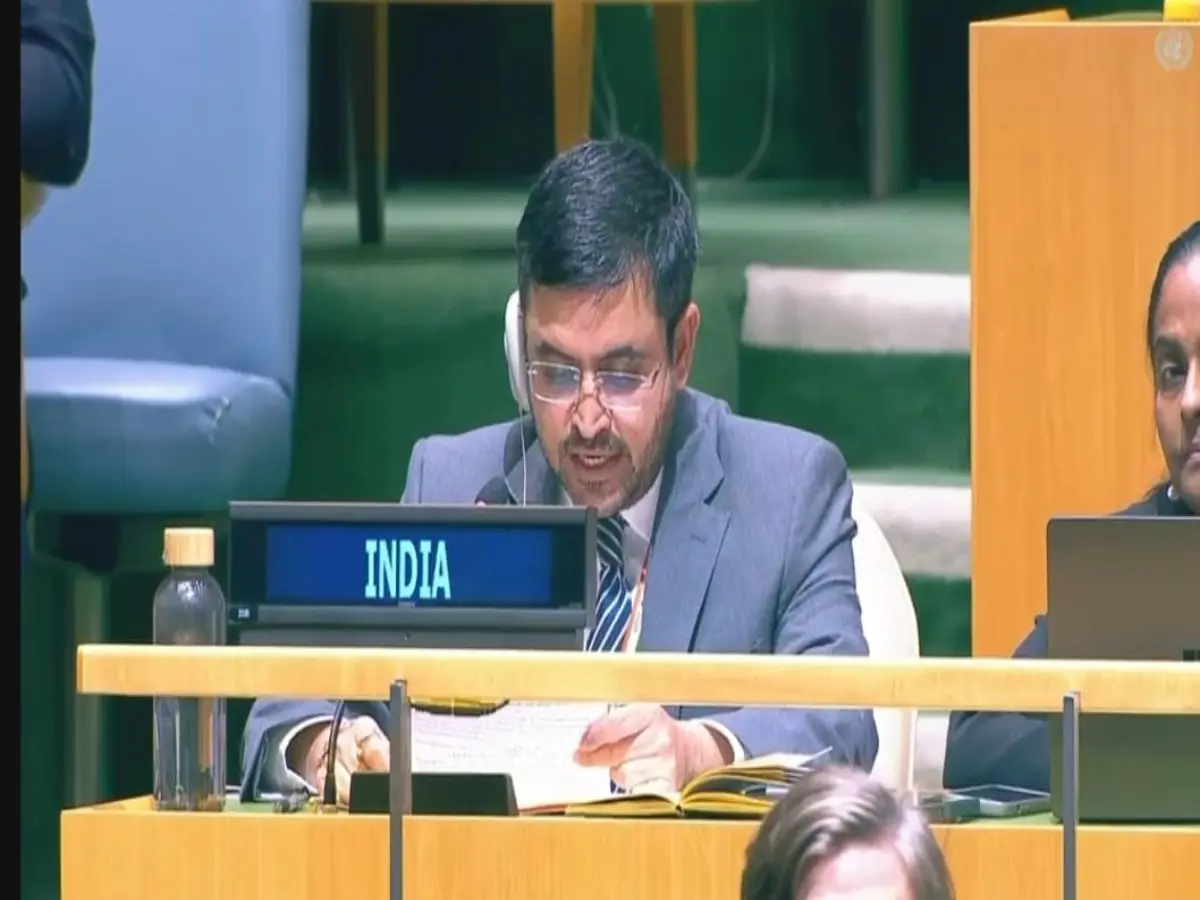
When Dallewal's indefinite fast had stretched beyond three weeks, prompting concerns about his health, a SC bench headed by Justice Surya Kant, reminded both the Punjab government and the Centre that protecting a person's life was their "bounden duty". It directed authorities to ensure Dallewal received immediate medical attention, while making it equally clear that he should not be compelled to abandon his fast unless doing so became absolutely necessary to save his life.
The message was straightforward: The state cannot watch someone die. But neither can it casually override the decision of a competent adult who has chosen to protest by refusing food.
Irom Sharmila's hunger strike and government force-feeding
Mention hunger strikes in India, and one name inevitably comes up. Irom Sharmila. Her case unfolded under a very different law.
Back then, attempting suicide was still an offence under Section 309 of the Indian Penal Code. Authorities repeatedly arrested Sharmila, admitted her to the hospital and kept her alive through force-feeding administered via a nasogastric tube.
Notably, today's legal framework looks very different.
What does Indian law say about hunger strike vs suicide attempt
With the Bharatiya Nyaya Sanhita replacing the IPC, attempted suicide is no longer a criminal offence. Courts have also become far more protective of bodily autonomy and individual choice than they were two decades ago.
However, that doesn't mean the state can simply walk away. It means its first instinct is expected to be medical care and dialogue, not coercion.
2011 Ramdev hunger strike: The "talk first" mandate
That idea runs through one of the Supreme Court's better-known judgments on protests. In June 2011, Baba Ramdev observed a peaceful anti-corruption and anti-black money protest at New Delhi's Ramlila Maidan. He announced that he would remain on an indefinite fast. However, just one day into the hunger strike, a midnight police crackdown ended with him being evicted from the protest site. He eventually continued the hunger strike at his Patanjali Yogpeeth ashram in Haridwar, Uttarakhand.
Taking suo motu cognisance of the midnight police crackdown, the Supreme Court, in its judgement, underscored that the Executive must not adopt a hostile stance against hunger strikers. It highlighted that the state must proactively reach out, engage, and peacefully persuade individuals to protect their lives rather than use immediate force.
The judgment noted how the then-prime minister Manmohan Singh wrote to him, senior ministers met him, and discussions continued in an attempt to persuade him to call off the fast. The court saw those efforts as significant.
Governments, it suggested, should engage with protesters instead of immediately treating a hunger strike as a law-and-order problem. Peaceful fasting, after all, has long occupied a special place in India's democratic tradition, shaped by Mahatma Gandhi's satyagraha.
Notably, the Prime Minister Narendra Modi government is yet to engage with Sonam Wangchuk or the Cockroach Janata Party.
So, can Wangchuk be forced to eat?
If you're looking for a simple yes or no, the courts haven't given one. What they have done is draw a line. The government has a responsibility to prevent a death if a hunger strike reaches that point. But judges have become increasingly reluctant to endorse force-feeding simply because someone has chosen to protest through fasting.
That explains why the Delhi High Court's order in Wangchuk's case is framed the way it is:
Daily medical monitoring? Yes.
Treatment if doctors think it's needed? Yes.
A direction to break his fast by force? Not yet.

