Bihar to get first BJP CM? Who is Samrat Choudhary, BJP leader with legacy of RJD and JDU, likely to replace Nitish Kumar

&imwidth=600&imheight=450&format=webp&quality=medium "Bihar to get first BJP CM? Who is Samrat Choudhary, BJP leader with legacy of RJD and JDU, likely to replace Nitish Kumar")
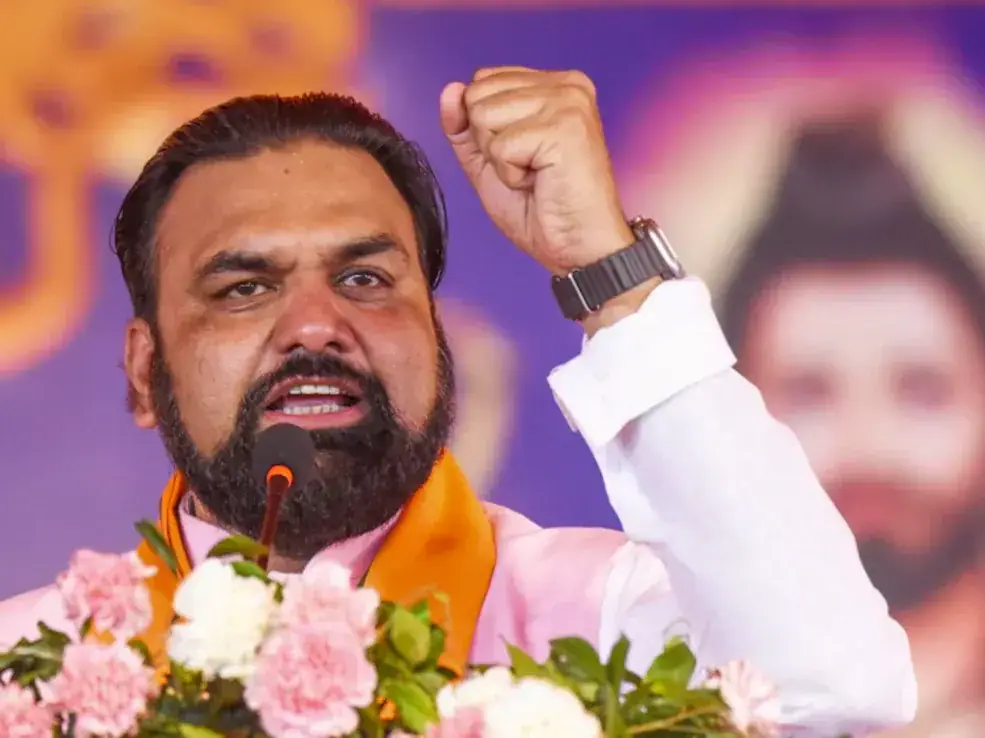
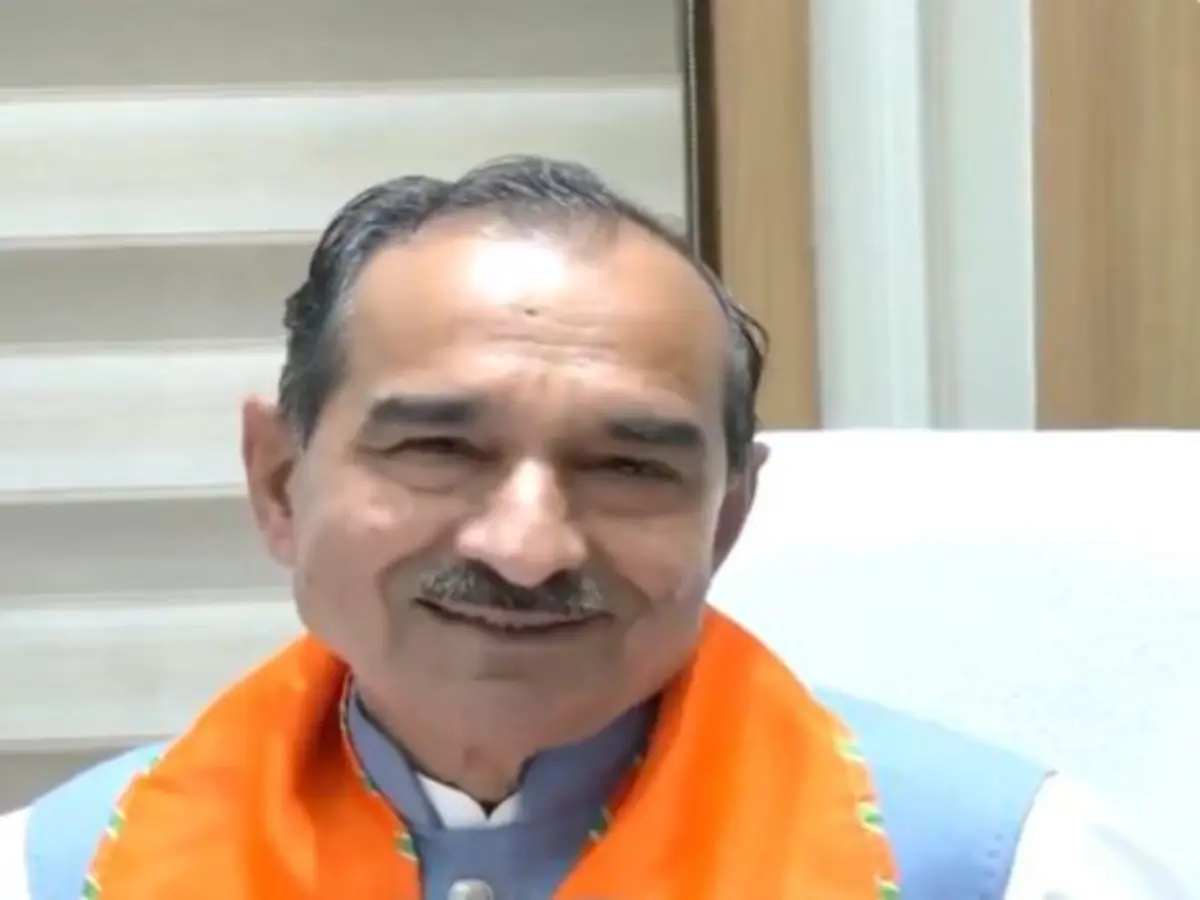
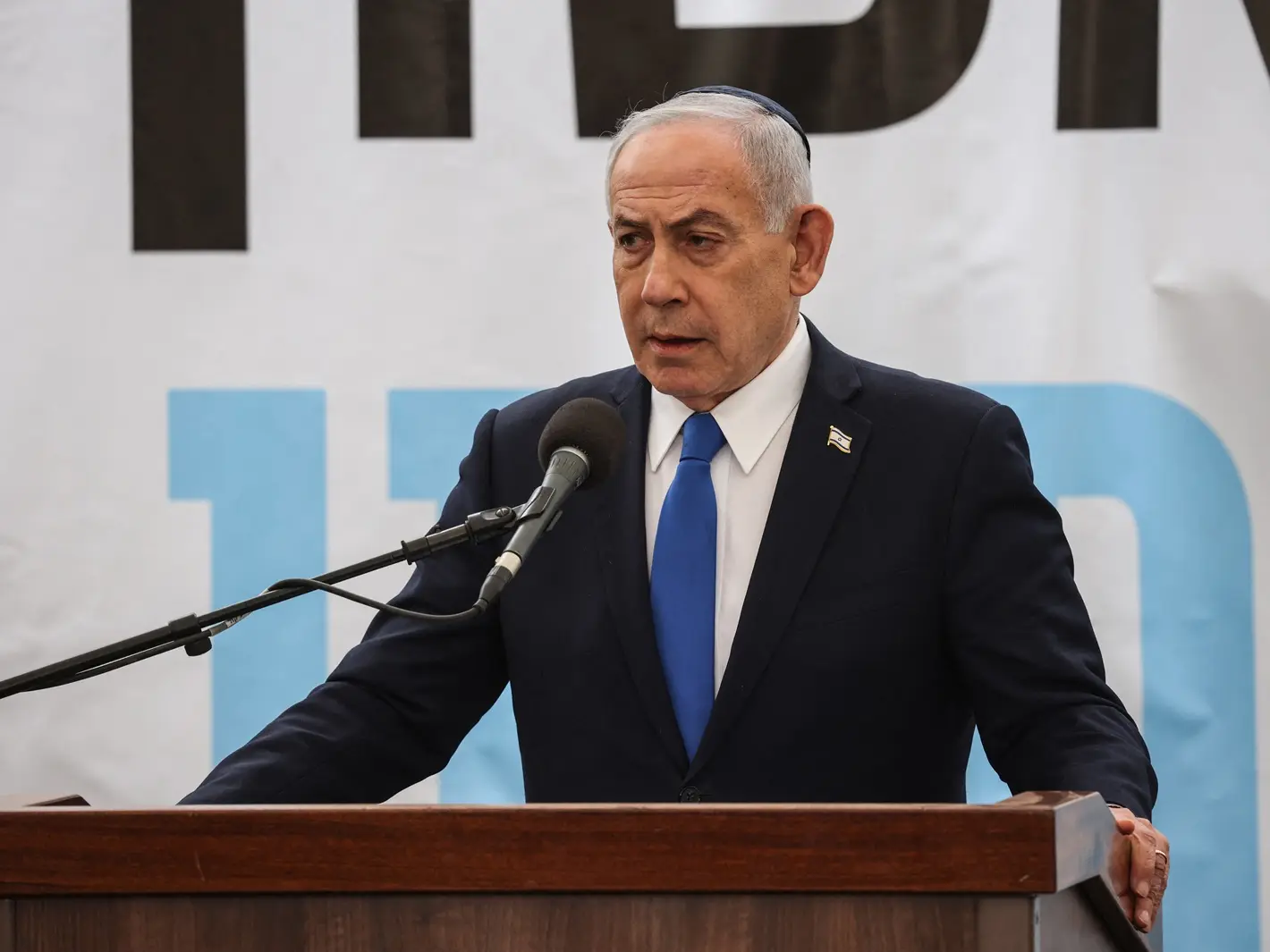
File image of Samrat Choudhary Photograph: (PTI)
After the resignation of Nitish Kumar, Samrat Choudhary is set to become Bihar’s first BJP Chief Minister. A veteran of RJD and JDU, he is a prominent OBC leader and strategist.
Nitish Kumar, after serving as the chief minister of Bihar for 10 times across two decades, resigned from his position on Tuesday (April 14). Later, the Bhartiya Janata Party (BJP) announced Samrat Choudhary as the Leader of the BJP Legislative Party in Bihar. He is likely to take oath as Bihar’s first BJP CM on Wednesday (April 15).
Who is Samrat Choudhary?
Samrat Choudhary hails from a well-established political family in Bihar. His father, Shakuni Chaudhary, was a six-time MLA from Tarapur, while his mother, Parvati Devi, also served as a legislator. This strong political lineage provided him with early exposure to public life and governance, paving the way for his entry into politics at a young age.
Entry into politics and early career
Choudhary began his political journey in 1999 with the Rashtriya Janata Dal (RJD). He quickly rose through the ranks and, in 2000, was elected as an MLA from Parbatta in Khagaria. His growing influence led to his induction as a minister in the government headed by Rabri Devi, marking a significant milestone in his early political career.
Trending Stories
&im=FitAndFill=(700,400)&imwidth=280&imheight=210&format=webp&quality=medium)
&imwidth=280&imheight=210&format=webp&quality=medium)
&imwidth=280&imheight=210&format=webp&quality=medium)
&imwidth=280&imheight=210&format=webp&quality=medium)
&imwidth=280&imheight=210&format=webp&quality=medium)
&imwidth=280&imheight=210&format=webp&quality=medium)
&imwidth=280&imheight=210&format=webp&quality=medium)
&imwidth=280&imheight=210&format=webp&quality=medium)
&imwidth=280&imheight=210&format=webp&quality=medium)
&imwidth=280&imheight=210&format=webp&quality=medium)
&imwidth=280&imheight=210&format=webp&quality=medium)
&imwidth=280&imheight=210&format=webp&quality=medium)

&imwidth=280&imheight=210&format=webp&quality=medium)
&imwidth=280&imheight=210&format=webp&quality=medium)
&imwidth=280&imheight=210&format=webp&quality=medium)
&imwidth=280&imheight=210&format=webp&quality=medium)
&im=FitAndFill=(700,400)&imwidth=280&imheight=210&format=webp&quality=medium)
&im=FitAndFill=(700,400)&imwidth=280&imheight=210&format=webp&quality=medium)
&imwidth=280&imheight=210&format=webp&quality=medium)
&im=FitAndFill=(700,400)&imwidth=280&imheight=210&format=webp&quality=medium)
&imwidth=280&imheight=210&format=webp&quality=medium)
&imwidth=280&imheight=210&format=webp&quality=medium)
&imwidth=280&imheight=210&format=webp&quality=medium)
&imwidth=280&imheight=210&format=webp&quality=medium)
&imwidth=280&imheight=210&format=webp&quality=medium)
&imwidth=280&imheight=210&format=webp&quality=medium)
&imwidth=280&imheight=210&format=webp&quality=medium)
&im=FitAndFill=(700,400)&imwidth=280&imheight=210&format=webp&quality=medium)
&imwidth=280&imheight=210&format=webp&quality=medium)
&imwidth=280&imheight=210&format=webp&quality=medium)
&imwidth=280&imheight=210&format=webp&quality=medium)
&im=FitAndFill=(700,400)&imwidth=280&imheight=210&format=webp&quality=medium)
&imwidth=280&imheight=210&format=webp&quality=medium)

&imwidth=280&imheight=210&format=webp&quality=medium)
&im=FitAndFill=(700,400)&imwidth=280&imheight=210&format=webp&quality=medium)
Political journey across parties
Over the years, Choudhary’s career has been defined by strategic political shifts. After his tenure with the RJD, he joined the Janata Dal (United) in 2014. During this period, he served as a minister in the government led by Jitan Ram Manjhi.
In 2017, he moved to the Bharatiya Janata Party (BJP), where his rise was swift. He took on key organisational responsibilities, including serving as the party’s state vice-president. His leadership credentials were further recognised when he was appointed president of the BJP’s Bihar unit in 2023. In January 2024, he became Deputy Chief Minister in the NDA government led by Nitish Kumar.
Role in Bihar politics
Choudhary is regarded as one of the BJP’s prominent OBC faces in Bihar, where caste dynamics play a decisive role in electoral outcomes. He has been instrumental as a strategist and campaigner, contributing to the party’s organisational expansion and voter outreach in the state.
He also maintains a strong connection with grassroots politics, particularly in Tarapur, which remains a traditional stronghold of his family. His continued influence in such constituencies underscores his importance within Bihar’s evolving political landscape.

