
&imwidth=800&imheight=600&format=webp&quality=medium "Baramulla MP Engineer Rashid says politics took heavy personal toll, signals possible retreat from polls")
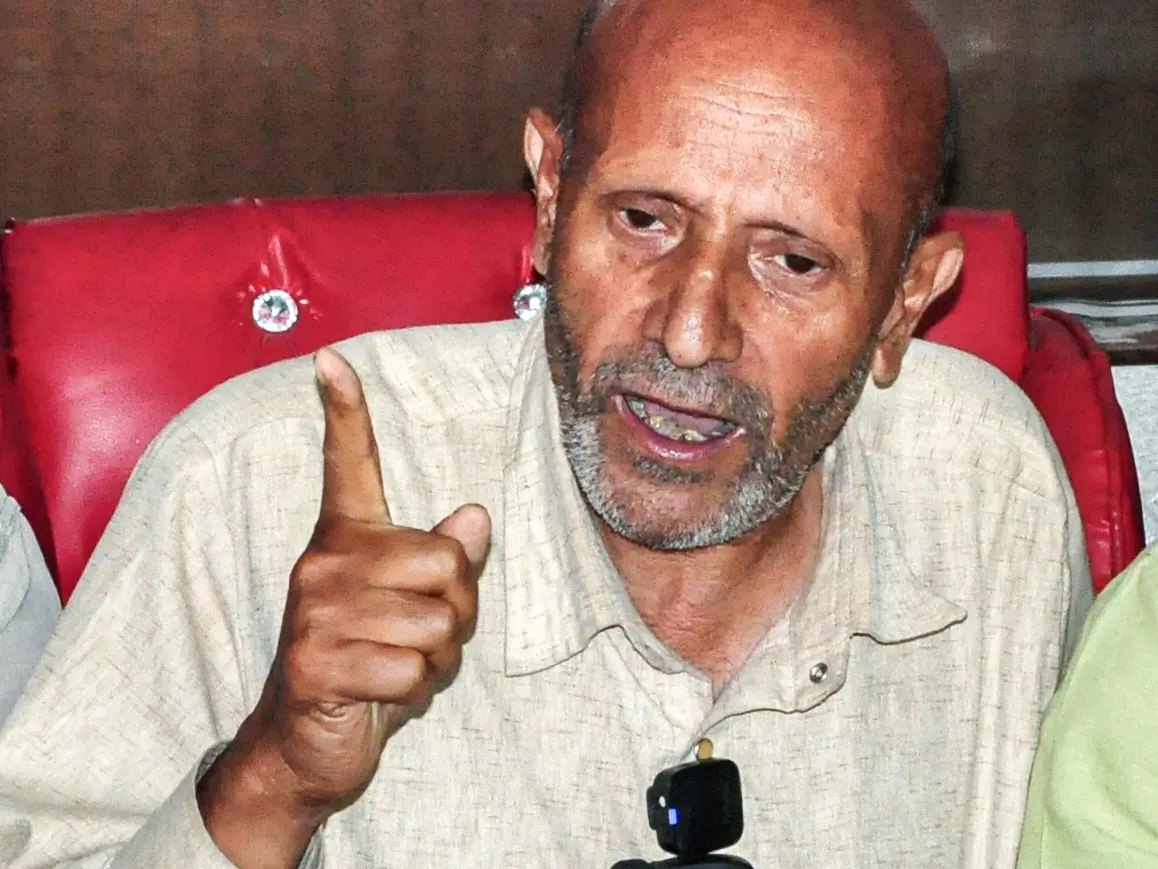
Member of Parliament from North Kashmir's Baramulla, Engineer Rashid, has hinted at a possible retreat from active electoral politics, saying his struggle is rooted in the pursuit of human dignity, reconciliation, and healing.
Sheikh Abdul Rashid, better known as Engineer Rashid, said years of imprisonment and prolonged political upheaval had taken a profound toll on both his personal life and political journey. The Awami Ittehad Party (AIP) leader, who has been lodged in Delhi’s Tihar Jail since 2019 in connection with a terror-funding case, while delivering an emotional address at his father’s funeral, indicated that he may step away from active electoral politics in the future.

“I may not contest elections again. Politics has exacted a heavy personal cost, and my struggle has never been for power, but for the dignity and aspirations of the people of Jammu and Kashmir,” said Rashid.
The parliamentarian, who contested the 2024 Lok Sabha elections from prison and emerged victorious from the Baramulla constituency, said his political struggle had never been confined to the restoration of Article 370 or the demand for statehood alone. Rather, he framed it as a broader quest for dignity, justice, reconciliation, and peaceful coexistence for the people of Jammu and Kashmir.
Also read | Meta told employees to WFH, then began firing thousands: Inside company's shocking 8,000-job purge
Trending Stories
Rashid used the occasion to underline what he described as the need for a more compassionate political environment in Jammu and Kashmir, saying democracy must be driven by dialogue and differing viewpoints rather than intimidation or hostility. He said the years spent behind bars and the hardships endured by his family had only deepened his conviction in his political beliefs.
The MP also revealed that he was initially reluctant to seek interim bail to attend his father’s funeral but eventually agreed after persistent persuasion from relatives and close associates.
Appealing for a shift in the government’s approach toward detained youth in the region, Rashid stressed that enduring peace could only emerge through reconciliation, empathy and the restoration of public trust. He argued that continued dependence on detentions and stringent laws risked widening the sense of alienation, and urged authorities to prioritise outreach and engagement over coercive measures.
