After Nepal floods, Himachal identifies 67 vulnerable glacial lakes, plans early warning systems for 4 high-risk ones

&imwidth=600&imheight=450&format=webp&quality=medium "After Nepal floods, Himachal identifies 67 vulnerable glacial lakes, plans early warning systems for 4 high-risk ones")
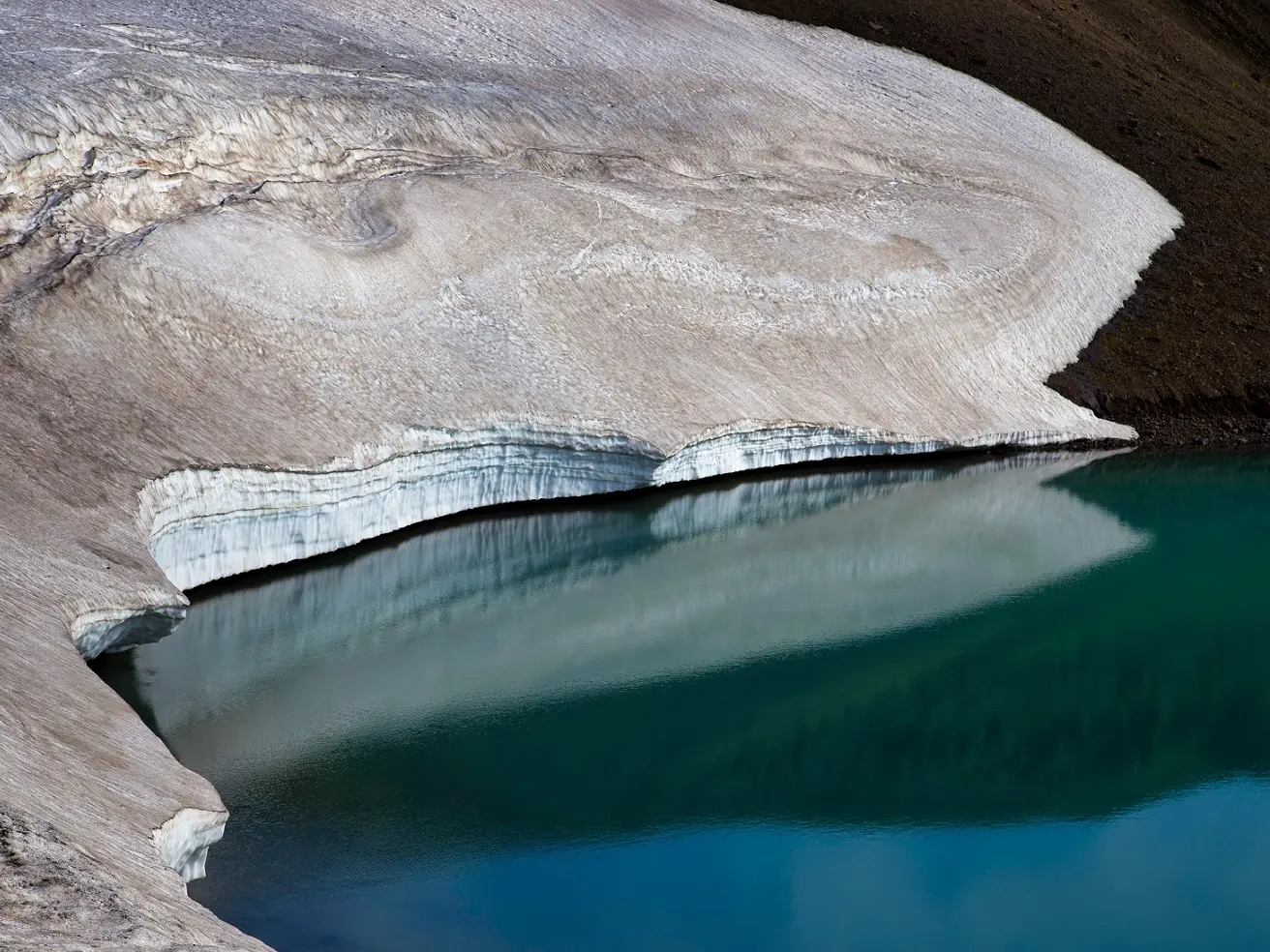
Authorities have identified 67 vulnerable glacial lakes, including several in remote, high altitude areas of Himachal Photograph: (Pexels)
Himachal Pradesh government has submitted a proposal to the NDMA to establish early warning systems for vulnerable glacial lakes, and work has been taken up on four lakes in Kinnaur and Lahaul-Spiti under the National Landslide Mitigation Programme.
Days after the massive devastation and loss of lives in Nepal, authorities in Himachal Pradesh said they have identified 67 vulnerable glacial lakes, including several in remote, high-altitude areas. The government is working to establish early warning systems for four of the most vulnerable lakes in Kinnaur and Lahaul-Spiti, revealed Special Secretary, Disaster Management, Pushpinder Rana.
The state is monitoring the lakes using satellite imagery and other scientific data to detect any changes that could increase the risk of glacial lake outburst floods (GLOFs).
It is also looking for technical solutions like installing sensors that can transmit real-time data from remote locations where conventional communication networks are unavailable.
‘Large number of vulnerable glacial lakes cause for concern’
Rana told news agency ANI that the identification of a large number of vulnerable glacial lakes was a cause for concern, especially as recent disasters in the Himalayas have shown that major incidents can occur without conventional warning signs such as heavy rainfall.
Also Read: NASA successfully launches Nancy Grace Roman Space Telescope to unravel mysteries of universe
Trending Stories
&imwidth=280&imheight=210&format=webp&quality=medium)
&imwidth=280&imheight=210&format=webp&quality=medium)
&imwidth=280&imheight=210&format=webp&quality=medium)
&imwidth=280&imheight=210&format=webp&quality=medium)
&imwidth=280&imheight=210&format=webp&quality=medium)
&imwidth=280&imheight=210&format=webp&quality=medium)
&imwidth=280&imheight=210&format=webp&quality=medium)
&imwidth=280&imheight=210&format=webp&quality=medium)
&imwidth=280&imheight=210&format=webp&quality=medium)
&imwidth=280&imheight=210&format=webp&quality=medium)
&imwidth=280&imheight=210&format=webp&quality=medium)
&imwidth=280&imheight=210&format=webp&quality=medium)
&imwidth=280&imheight=210&format=webp&quality=medium)
&imwidth=280&imheight=210&format=webp&quality=medium)
&imwidth=280&imheight=210&format=webp&quality=medium)
&imwidth=280&imheight=210&format=webp&quality=medium)
&imwidth=280&imheight=210&format=webp&quality=medium)
&imwidth=280&imheight=210&format=webp&quality=medium)
&imwidth=280&imheight=210&format=webp&quality=medium)
&im=FitAndFill=(700,400)&imwidth=280&imheight=210&format=webp&quality=medium)
&imwidth=280&imheight=210&format=webp&quality=medium)
&imwidth=280&imheight=210&format=webp&quality=medium)
&im=FitAndFill=(700,400)&imwidth=280&imheight=210&format=webp&quality=medium)
&imwidth=280&imheight=210&format=webp&quality=medium)
&imwidth=280&imheight=210&format=webp&quality=medium)
&imwidth=280&imheight=210&format=webp&quality=medium)
&imwidth=280&imheight=210&format=webp&quality=medium)
&imwidth=280&imheight=210&format=webp&quality=medium)
&imwidth=280&imheight=210&format=webp&quality=medium)
&imwidth=280&imheight=210&format=webp&quality=medium)
&imwidth=280&imheight=210&format=webp&quality=medium)
&imwidth=280&imheight=210&format=webp&quality=medium)
&imwidth=280&imheight=210&format=webp&quality=medium)
&imwidth=280&imheight=210&format=webp&quality=medium)
&imwidth=280&imheight=210&format=webp&quality=medium)
&imwidth=280&imheight=210&format=webp&quality=medium)
“Number bada hai, chinta ka vishay toh hai hi (The figure is huge, it’s of course a matter of concern). At the State Centre for Climate Change, we have identified 67 such lakes which are above 10 hectares in area. We are analysing them through satellite and other data to see whether any such situation is developing in them,” he said.
Glacial lake outburst floods (GLOFs) occur when water stored in or around a glacial lake is suddenly released. The large volumes of water flow downstream and can trigger flash floods, damage infrastructure and pose a serious threat to settlements.
‘State seeking technological solutions for constant monitoring’
Recent incidents highlight the difficulty of predicting such events solely on the basis of rainfall forecasts, said Rana, adding that the state was therefore seeking technological solutions that could enable continuous monitoring of vulnerable lakes, particularly those situated in inaccessible terrain.
“Until we find an innovative way to move forward on this, we will not be able to take effective steps regarding them,” Rana said.
The state has submitted a proposal to the National Disaster Management Authority (NDMA) to establish early warning systems for vulnerable glacial lakes, and work has been taken up on four lakes in Kinnaur and Lahaul-Spiti under the National Landslide Mitigation Programme, he said.
The lakes include Parchu Lake and vulnerable locations in the Sangla-Kinnaur region, besides sites in Lahaul-Spiti. The proposed systems are intended to detect potentially dangerous changes in lake conditions and communicate warnings to authorities and downstream populations.
“The problem is that these locations are in very remote areas where there is no network connectivity. Where will the sensors be installed, how will they be installed and how will the data be transferred? These are the challenges,” he said.
‘Early warning system to be installed at Dipang Ghat after NDMA nod’
The state is working with the Centre for Development of Advanced Computing (C-DAC) to develop technological solutions to address these challenges. The state would begin installing an early warning system at Dipang Ghat once it receives final approval from the NDMA, Rana said.
The government is undertaking High Flood Level (HFL) marking in downstream areas that could potentially be affected by a sudden release of water. “The High Flood Level marking in the downstream areas that could be affected is also being taken up at Dipang Ghat. The process is underway,” Rana said.
Experts studying the Himalayas now use remote sensing and satellite imagery to track changes in glaciers and glacial lakes, particularly in high-altitude areas that are difficult or hazardous to access.
The availability of high-resolution satellite imagery has made the detection of smaller water bodies easy and enabled more precise monitoring of changes in their extent.
“There are around 1,000 such lakes within the Indian side of the border, and to understand what is happening and how it is happening, we definitely need international knowledge and exchange,” he said.
Himachal Pradesh faces growing risks from GLOFs, flash floods, cloudbursts, landslides and other climate- and weather-related hazards.